April Showers Bring…
Mother’s Day, graduations, and Memorial Day; Irises, lilies, roses, and daffodils—May is simply awash in moments where flowers of every shape, color, and scent are offered to mark the occasion. Given that we’re well into this month, we decided to embrace May’s bouquets with a rundown of five genre films where flowers play into the story in unique and sometimes quite symbolic ways. Flowers are often used to honor, celebrate, and commemorate; however, this is Concentric Cinema so just be forewarned that some of these floral takes may be a bit—unconventional (sorry, 1.800.Flowers . . . ).
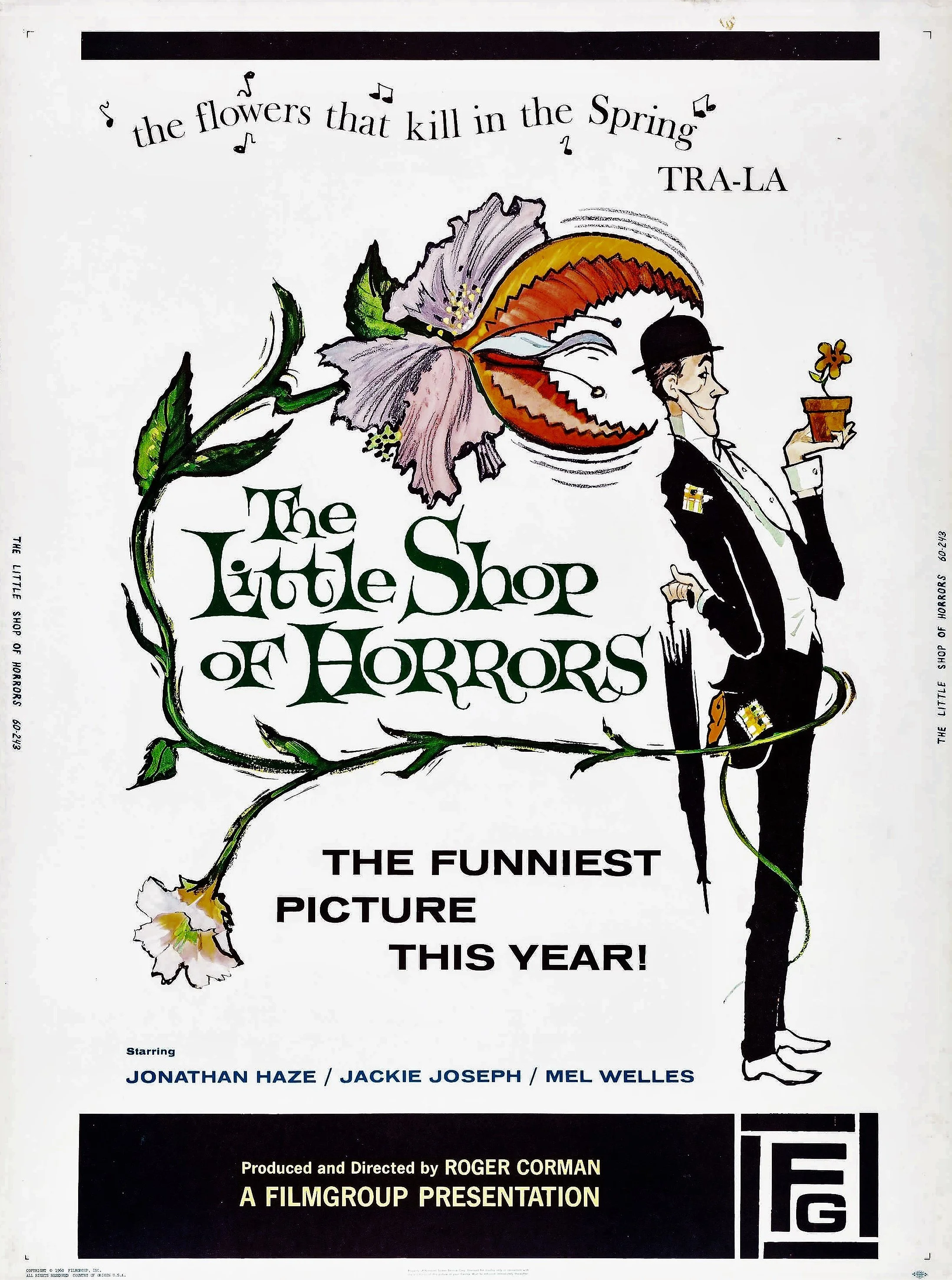
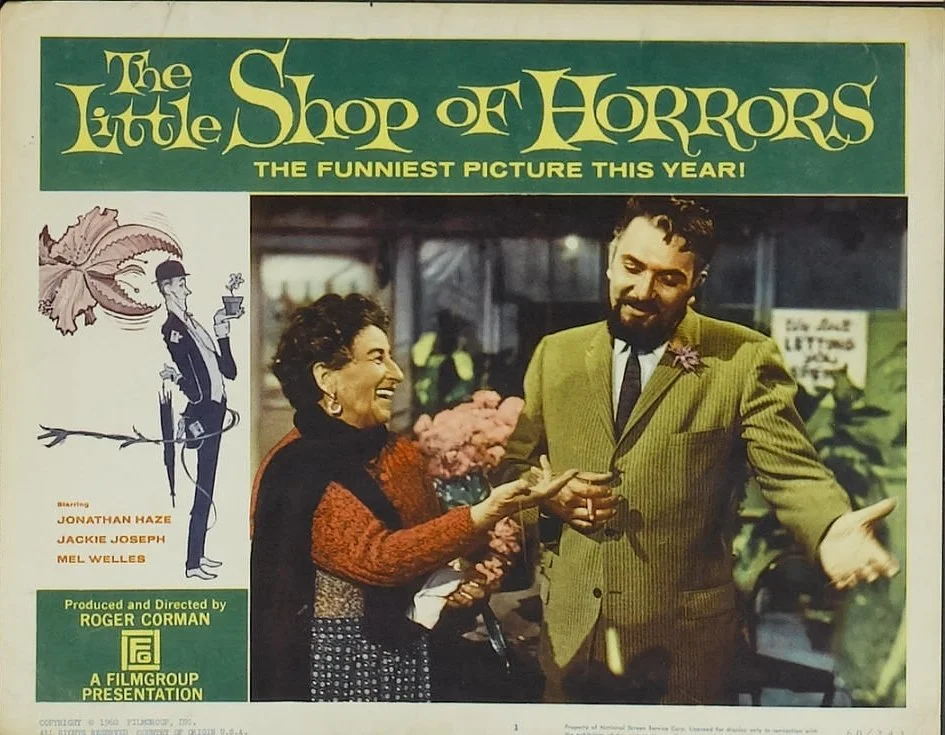
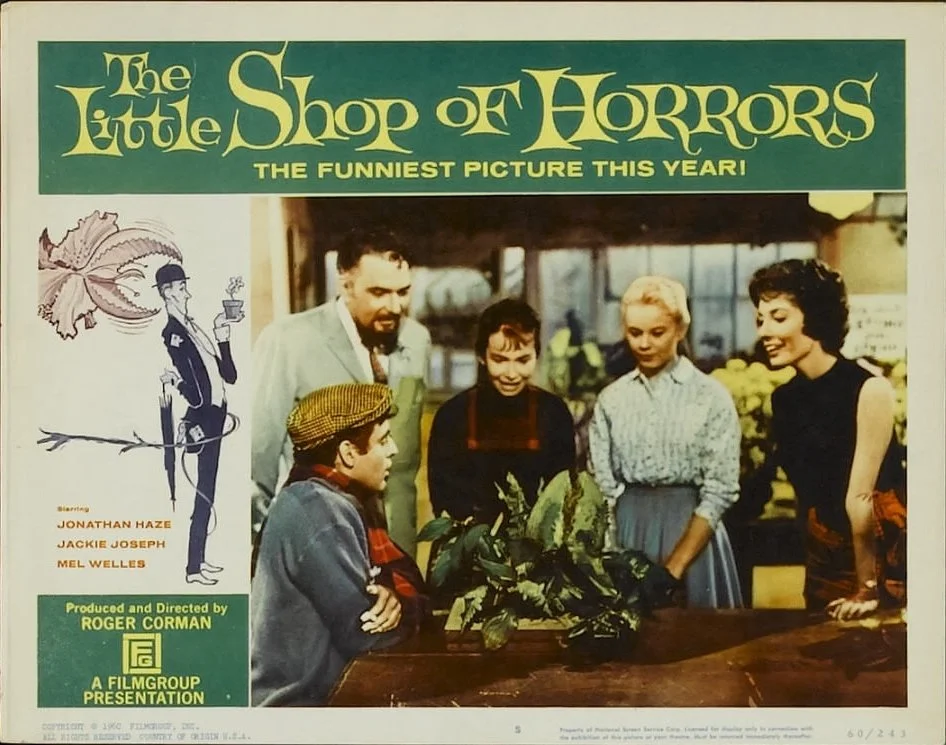
Original poster art for The Little Shop of Horrors
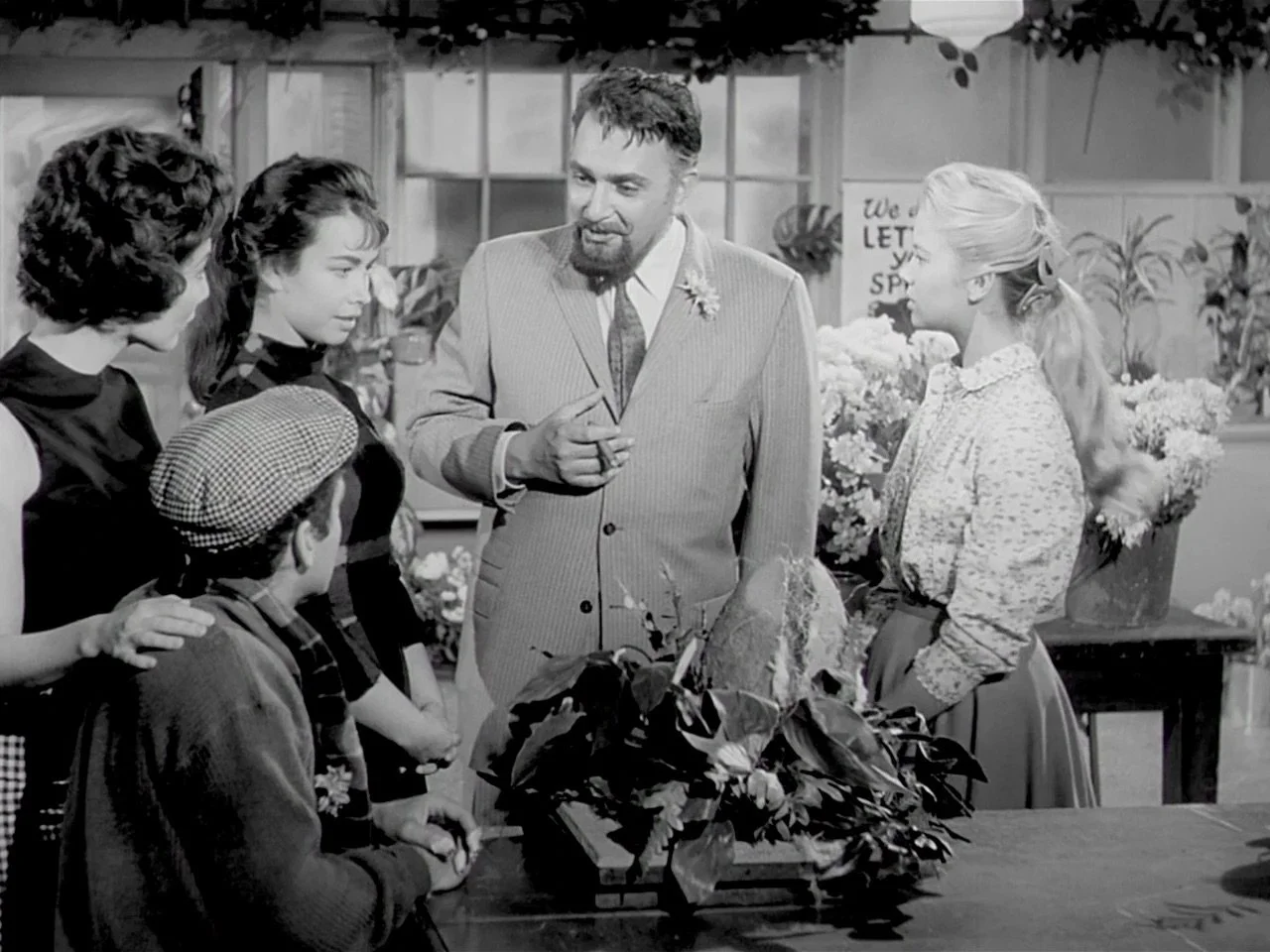
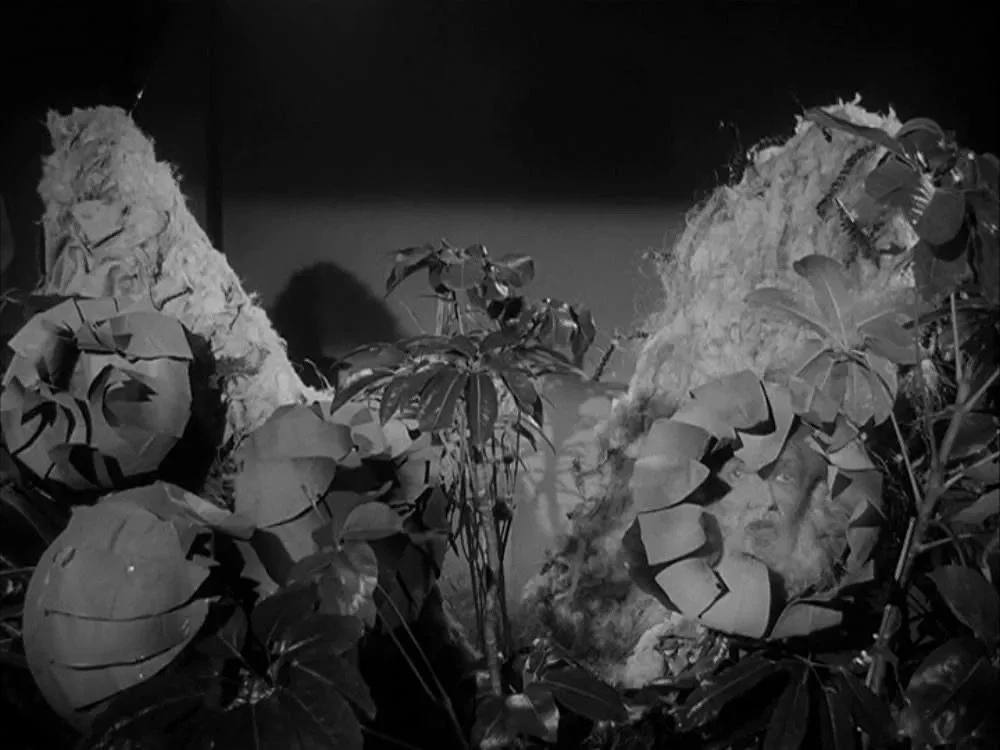
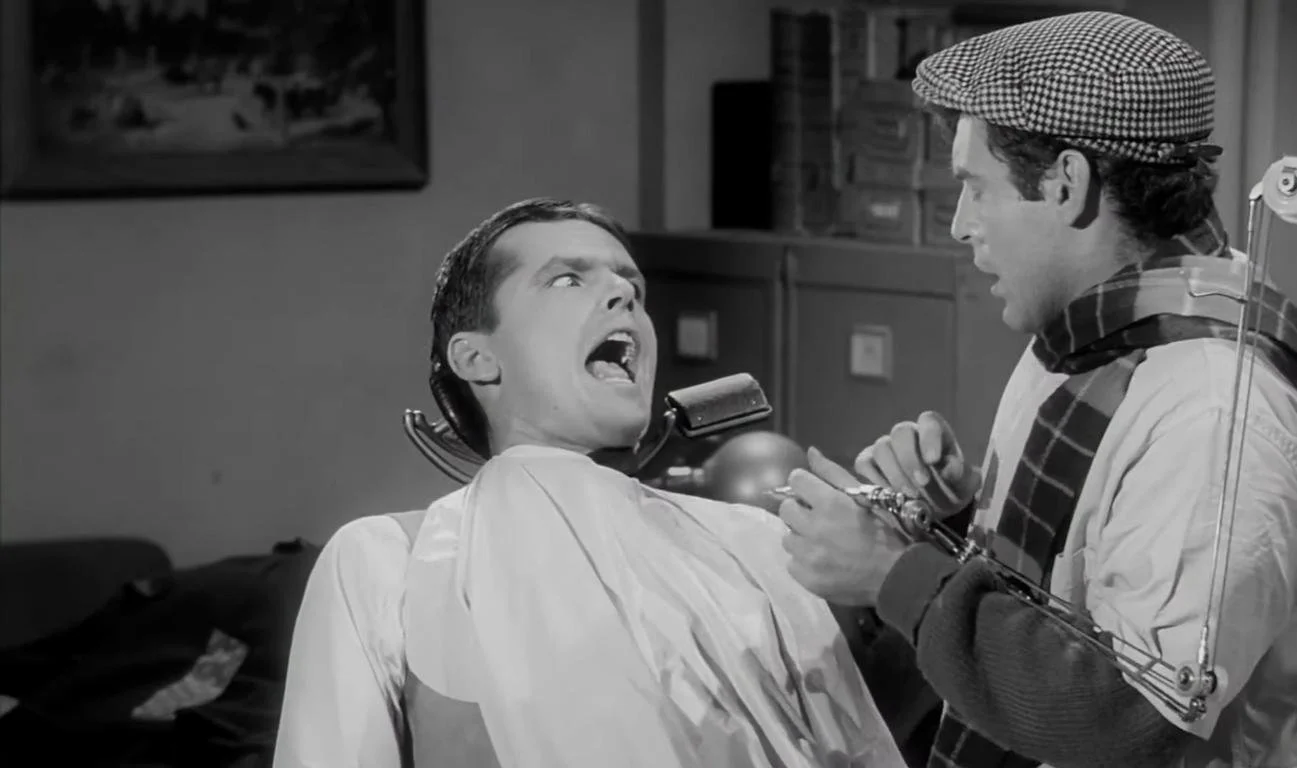
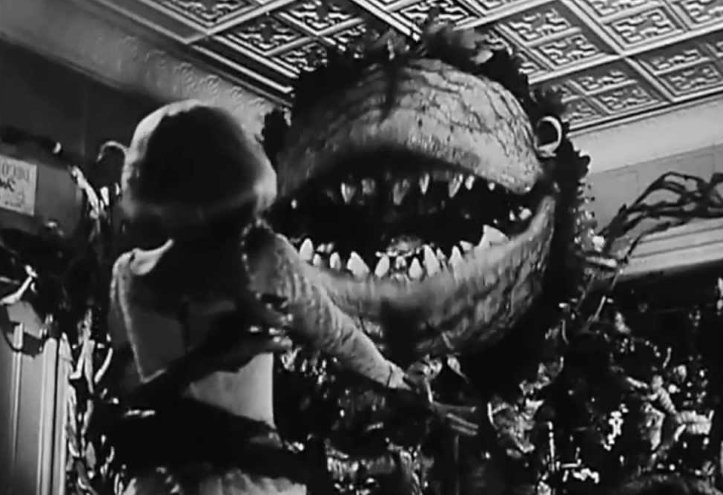
The Little Shop of Horrors (1960)
Seymour Krelborn (Jonathan Haze) is a sad sack employee at a depressed flower shop. His experiment in cross breeding unexpectedly produces a biological marvel, a giant Venus Flytrap that speaks and wields hypnotic powers. The only catch is that the monster plant, dubbed Audrey Jr., is carnivorous and requires lots of sustenance in the form good old human flesh, flesh that Audrey Jr. compels poor Seymour to serve up. Made cheaply and shot over the course of a few days, this slapdash horror/comedy is silly and charming in ways that only a b-movie can be. This film is directed by the “King of Bees” Roger Corman, a legend in the annals of cult cinema and exploitation films who produced and/or directed hundreds of profitable low-budget films over a career that stretched 60+ years. We last talked about Corman when we covered his cult gem Death Race 2000. Watching The Little Shop of Horrors, you may spot a very young Jack Nicholson, who credits Corman (with great fondness) for getting his career off the ground. Little Shop was eventually adapted into an Off-Broadway musical and later a film starring Rick Moranis (1986). Of course you can’t keep a good monster plant down, and this one is back on Broadway for a new revival.


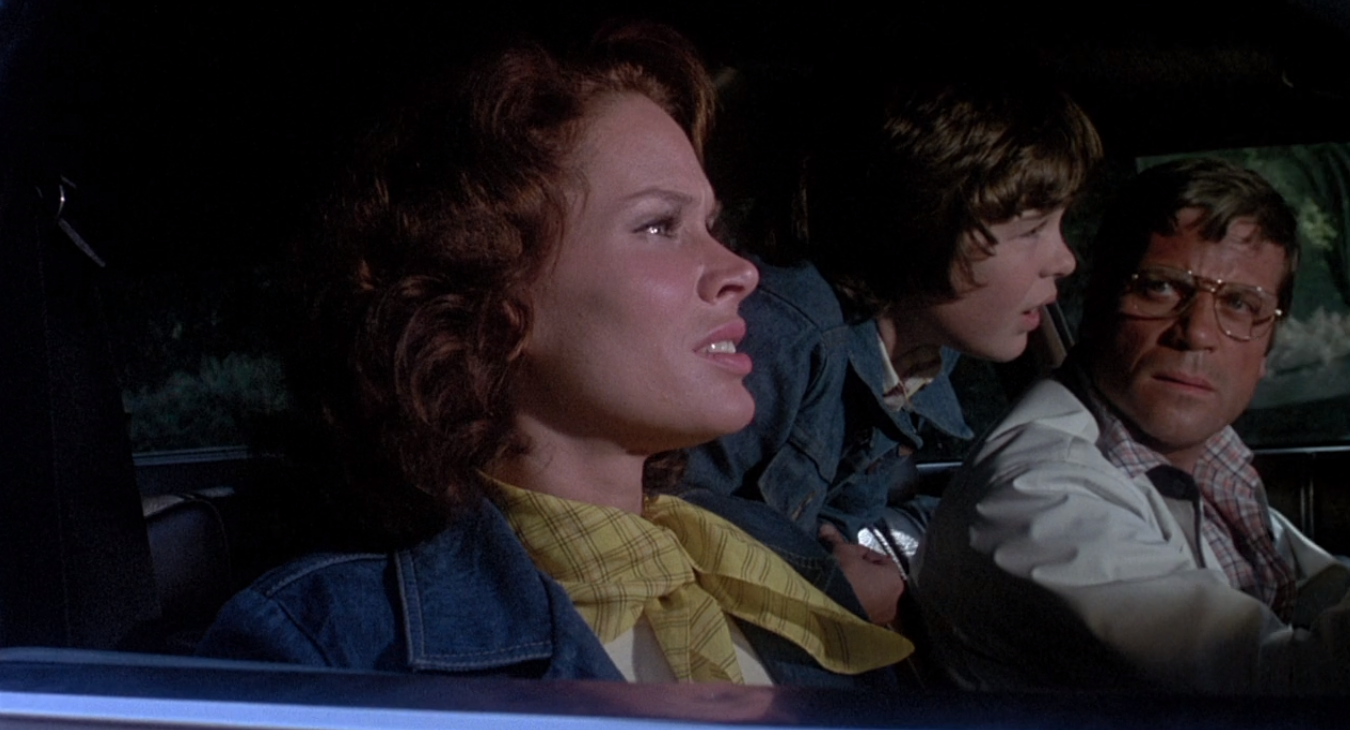
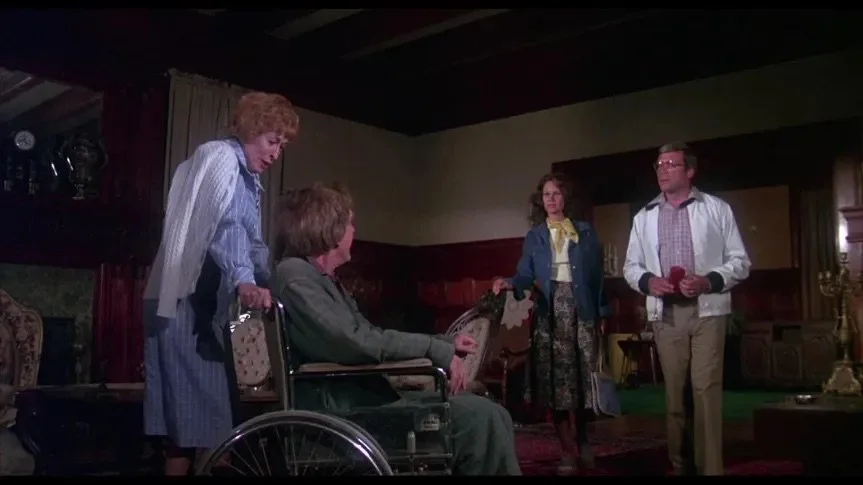
Burnt Offerings (1976)
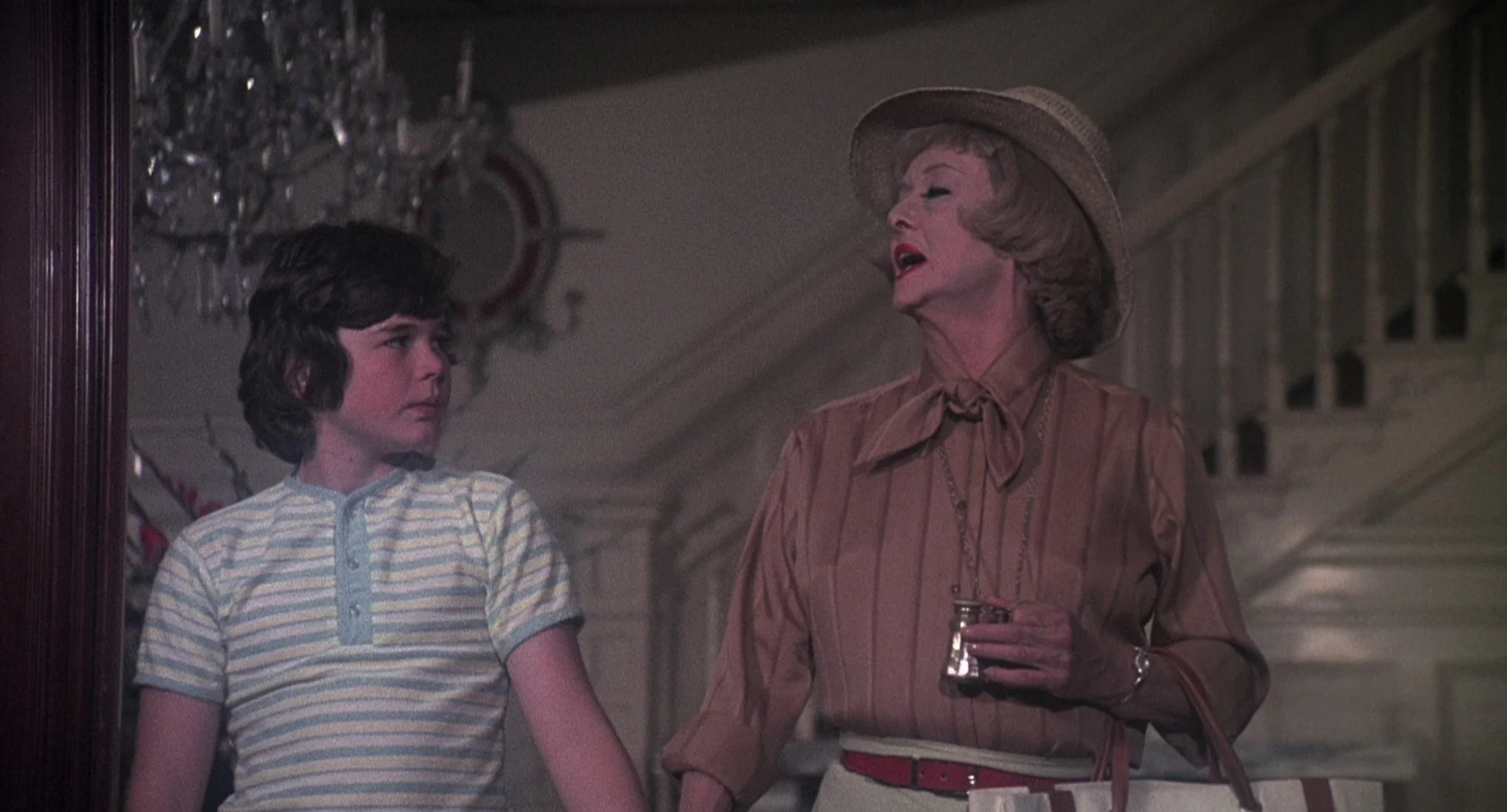
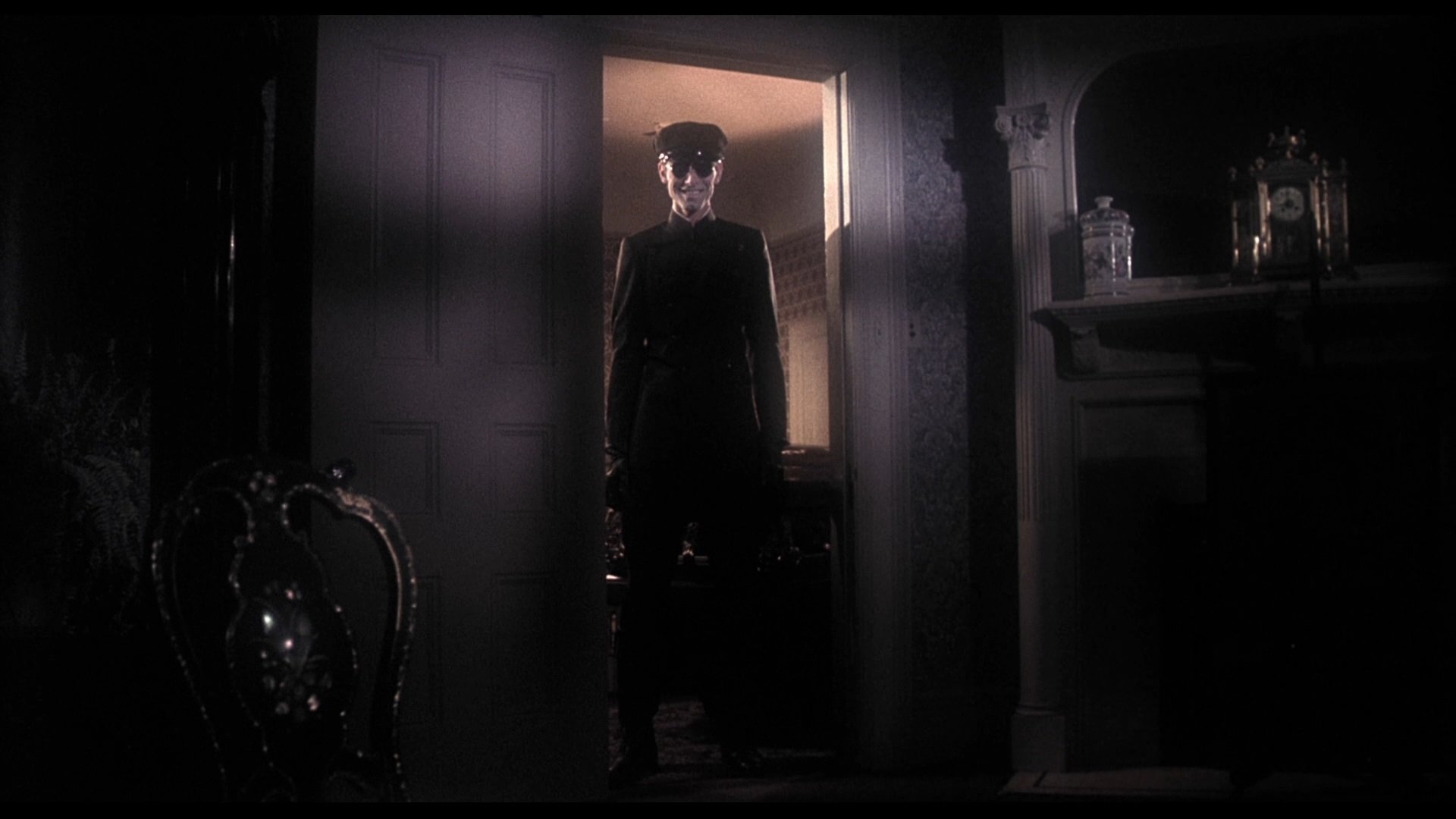
Ben and Marion Rolf (Oliver Reed and Karen Black) and their young son David rent a huge mansion for the summer at the bargain basement price of $900. Is it too good to be true? This supernatural chiller spends most of its runtime answering quite emphatically: Yes! Soon after moving in, the house begins to terrorize the Rolfs and their extended family member Aunt Elizabeth, who is portrayed by Bette Davis in a solid late-career performance. Burnt Offerings has a sharp edge, with gleefully menacing sequences that go beyond traditional haunted house spooks to put the Rolf family directly in harm’s way. The film has a distinct gauzy visual aesthetic that gives it a dreamlike quality. It was directed, produced, and co-written by Dan Curtis, best known as the creator of the original gothic soap opera Dark Shadows, TV movies such as The Night Stalker (1972), Dan Curtis’s Dracula (1974), and Trilogy of Terror (1975). The cast is excellent with genre film power houses Oliver Reed and Karen Black dialing up the intensity and pulling it back intuitively. Burgess Meredith and Eileen Heckhart appear as Arnold and Roz Allardyce, the eccentric and vaguely mischievous brother and sister who rent their ancestral family home to the Rolfs.
The house itself—the historic 19th-century Dunsmuir House and Gardens in Oakland, CA—might just be the star of the movie. It was also featured prominently a few years later in Phantasm (1979). You may be asking how do flowers figure in here? The old creaky mansion begins to return to its radiant former glory as it draws more people into its sphere. By the end of the film, the house appears revived with a fresh coat of white paint and vibrant flowers blooming across its grounds and green house. Who says horror can’t be beautiful? Burnt Offerings was one in a series of classic haunted house/supernatural films that also included The Legacy (1978 in the UK, ‘79 in the US), The Amityville Horror (1979), The Changeling (1980), The Shining (1980), and Poltergeist (1982).



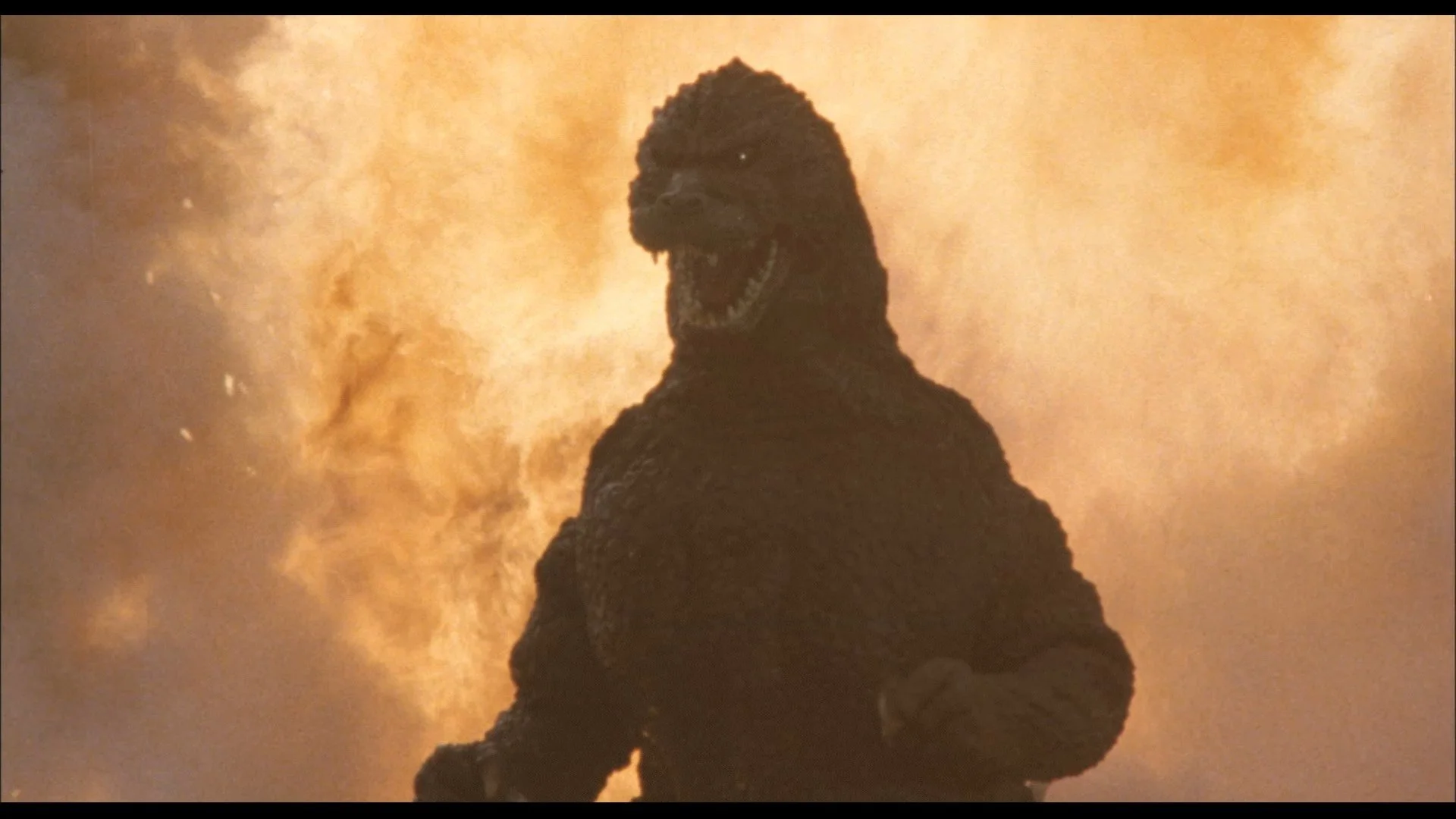
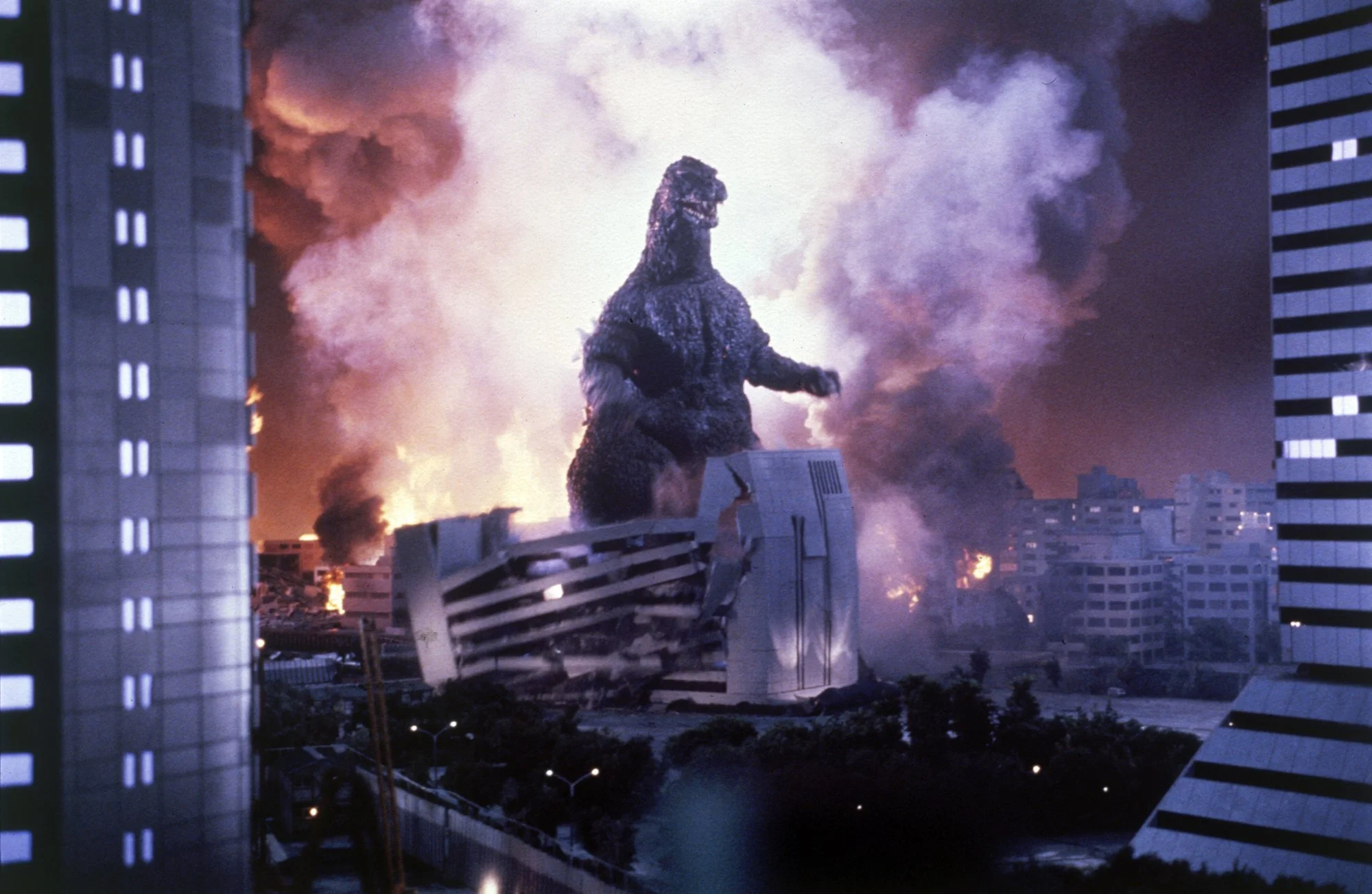
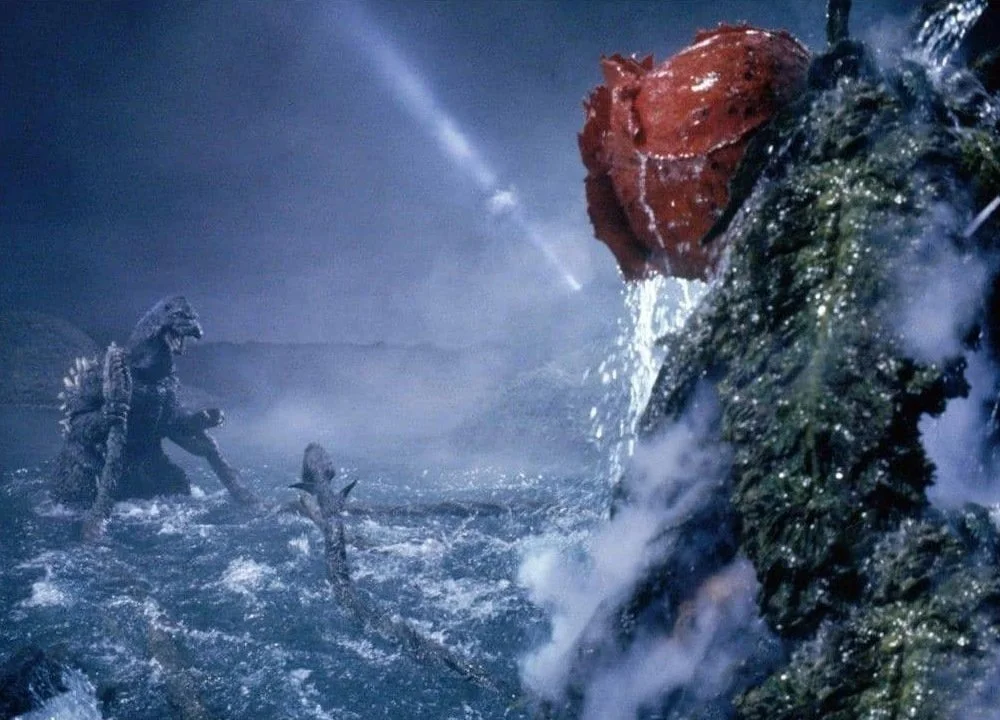
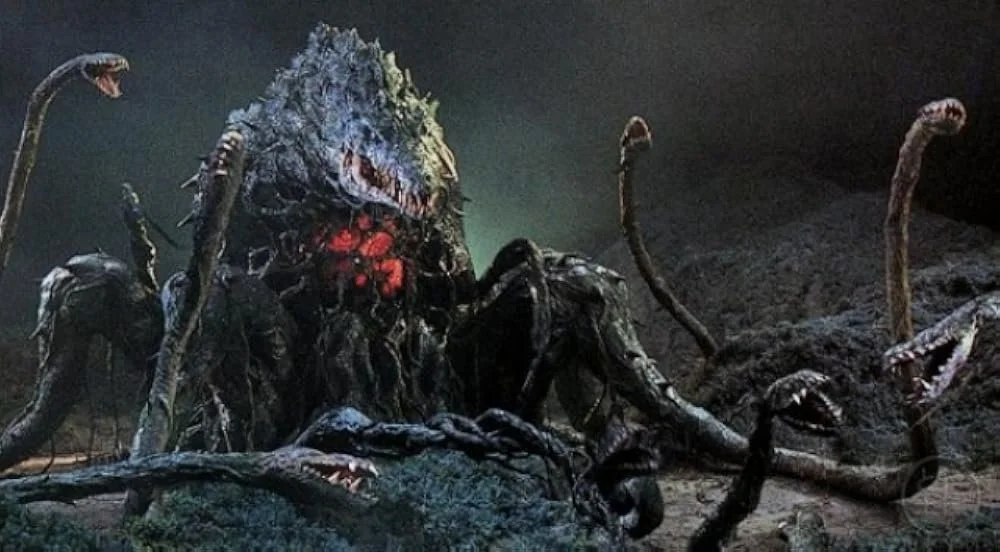
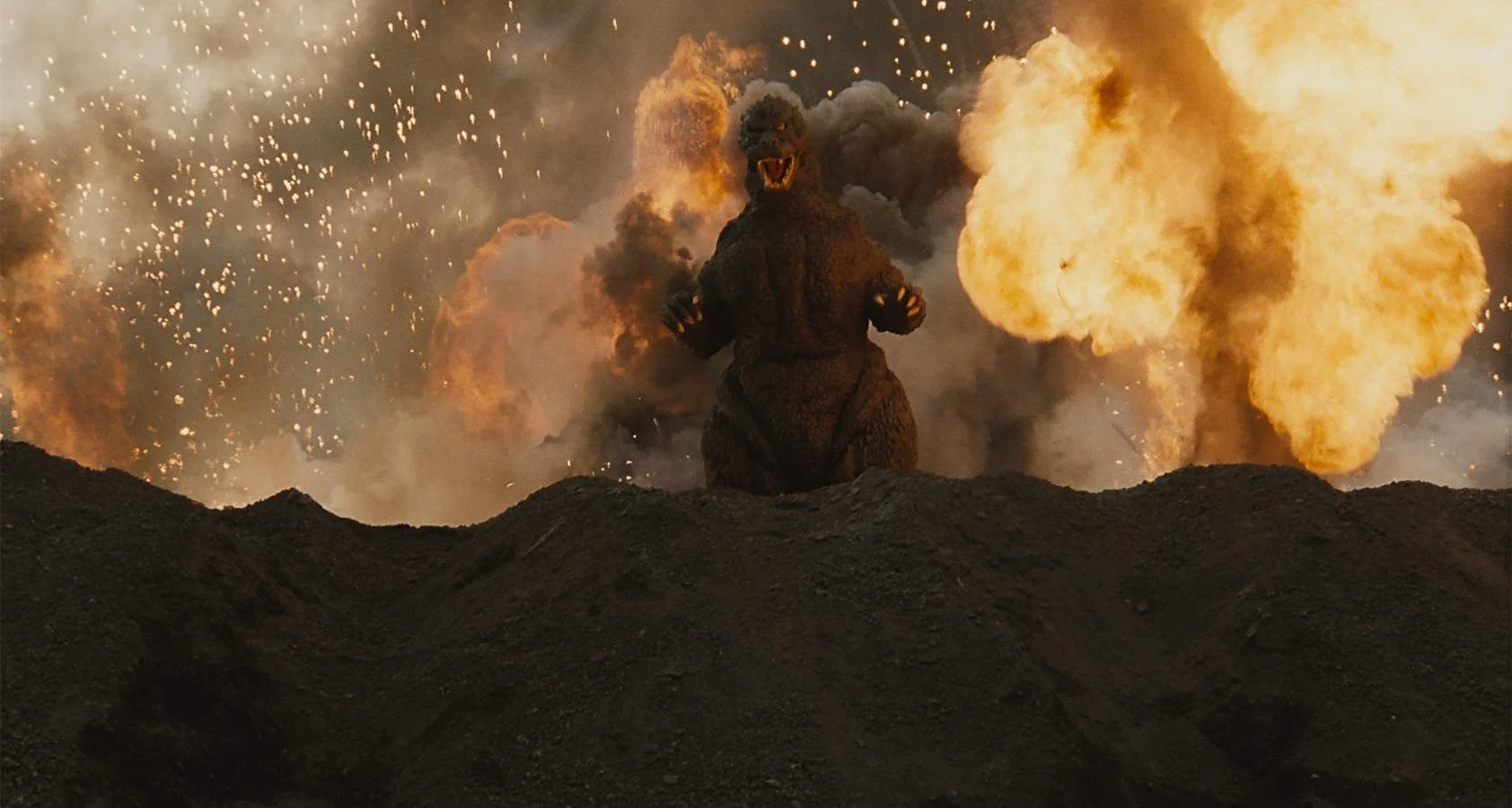
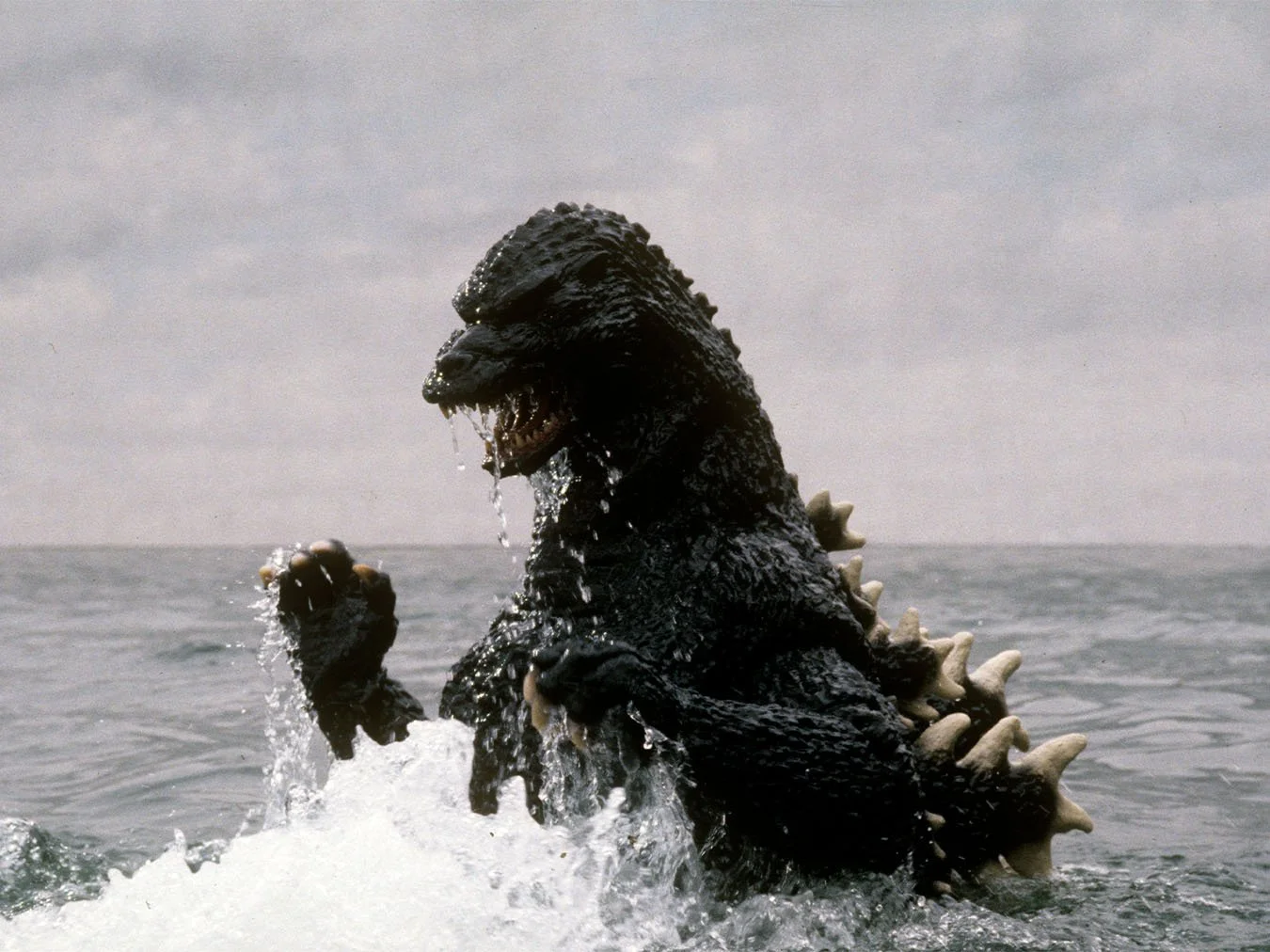
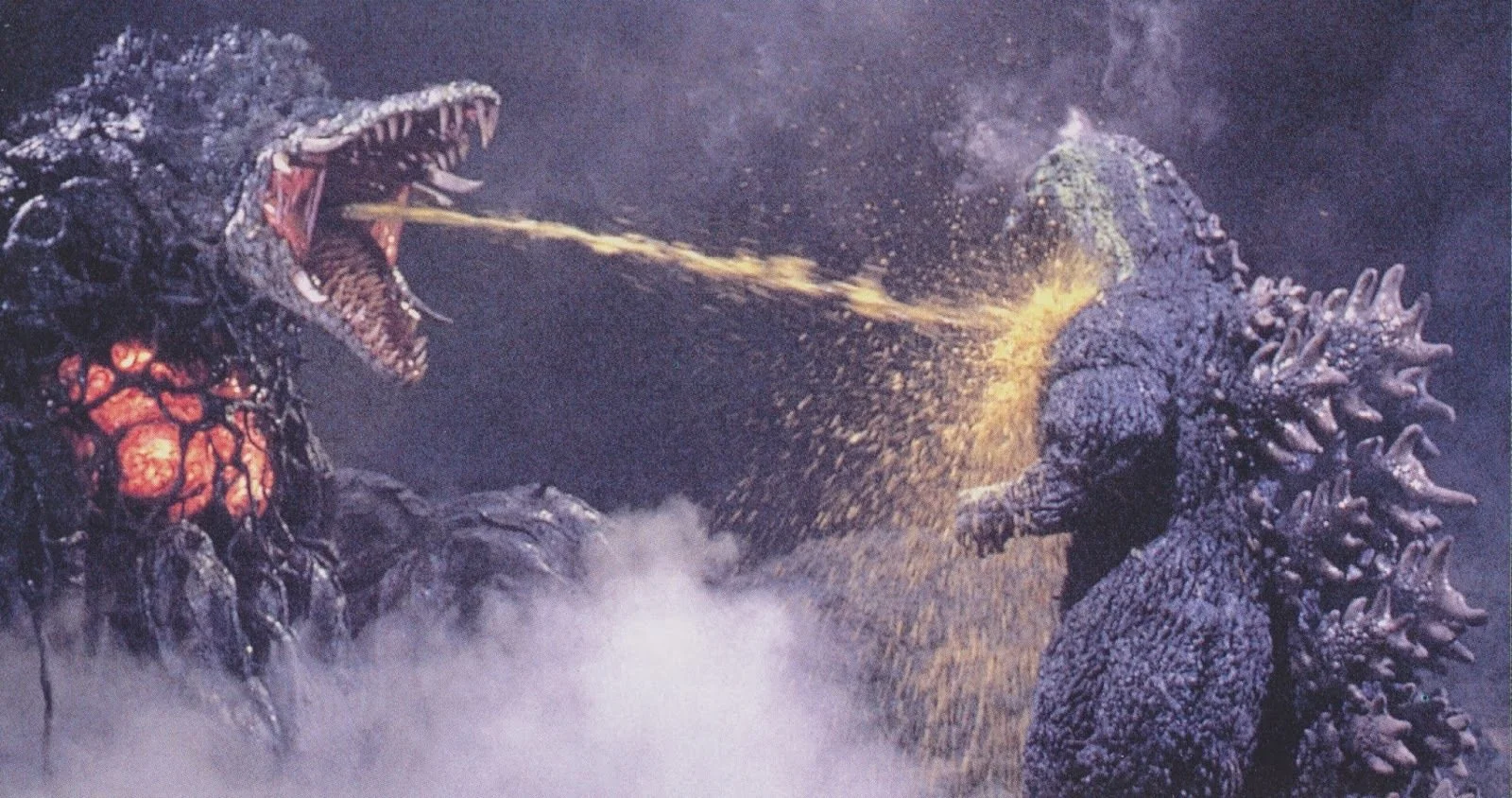
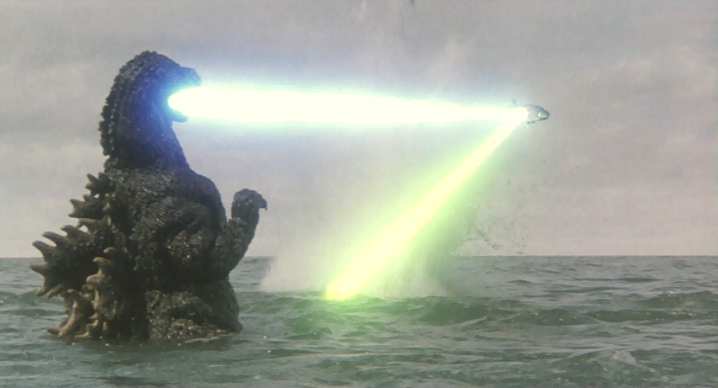
Godzilla vs. Biollante (1989)
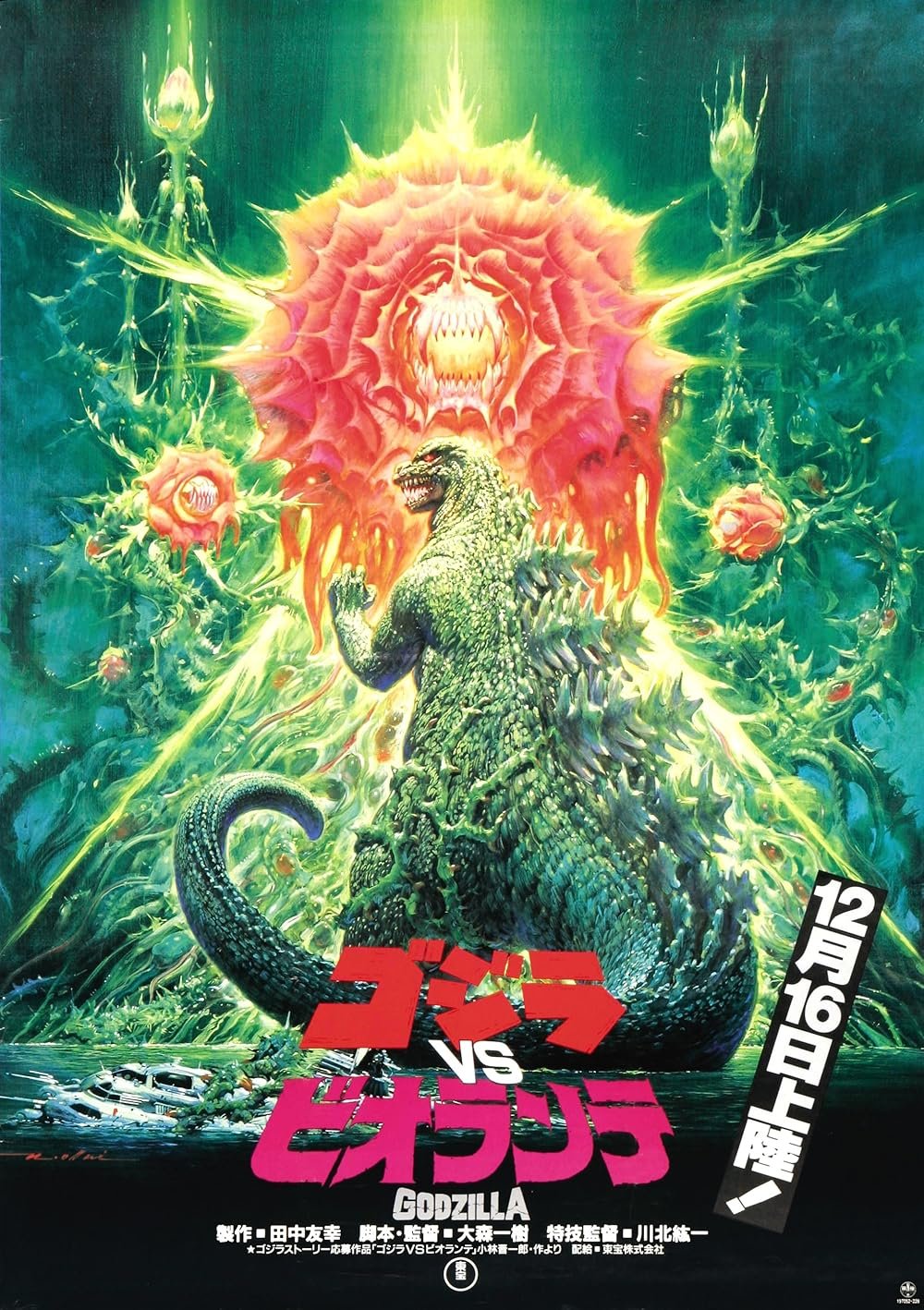
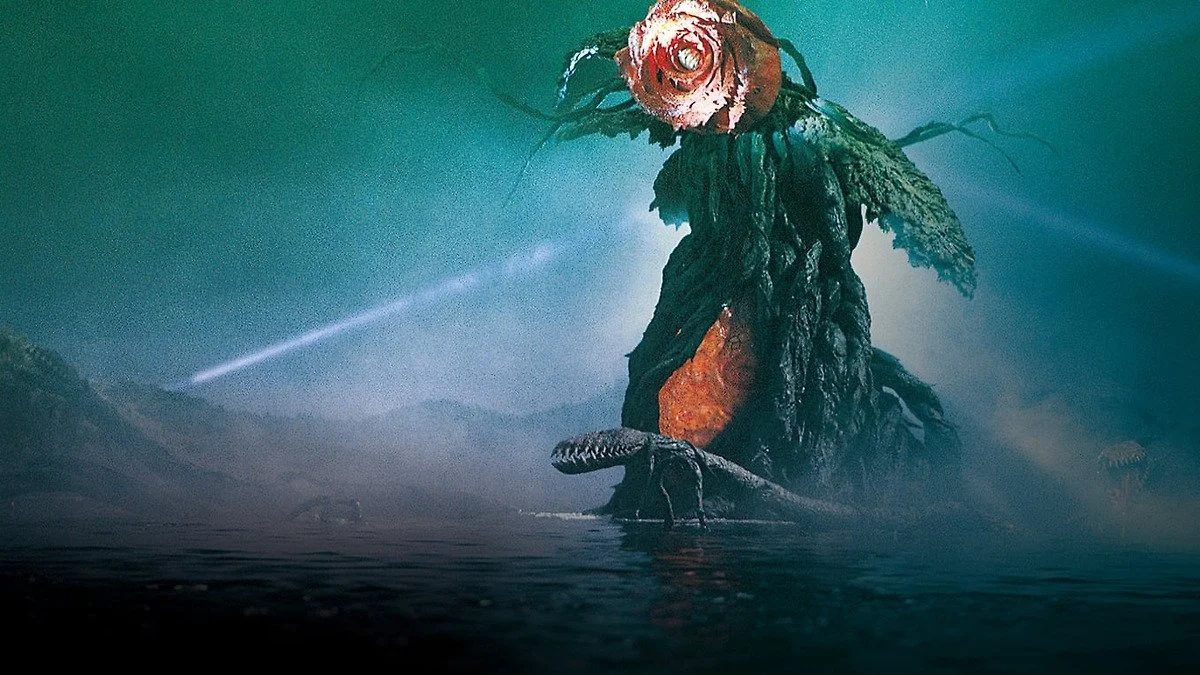
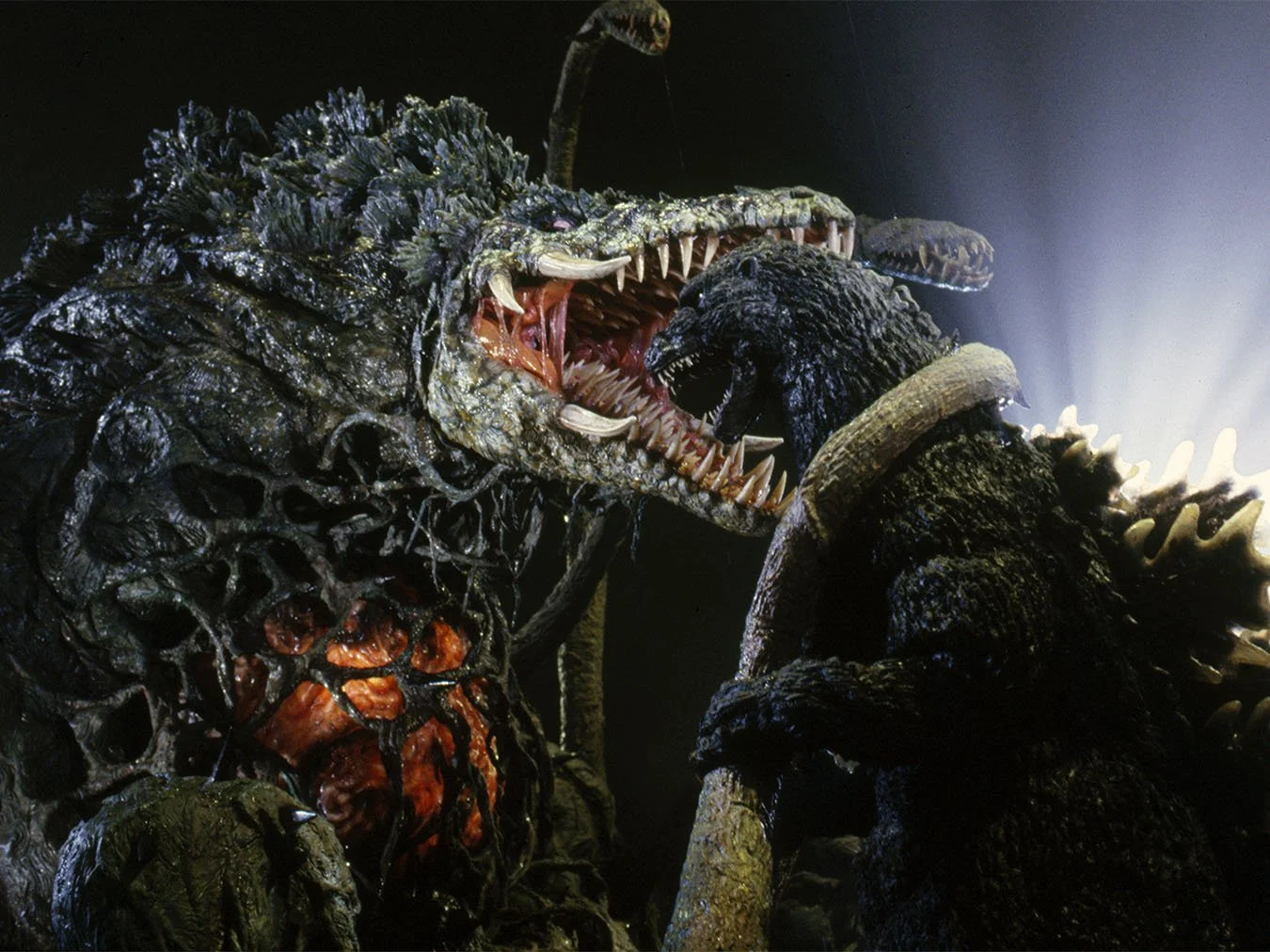
This Kaiju film features a wild science fiction premise that encompasses psychic kids, spies, geopolitical intrigue, and a wackadoo take on biotechnology. The monster Biollante is born from the genetically engineered cells of a rose bush, Godzilla himself, and the deceased daughter of a rogue scientist. This is classic Heise-era Toho, the new run of Godzilla-centric monster movies released between 1984-1995. These films followed the original series of Toho-produced science fiction/monster movies released between 1954-1975, dubbed the Showa Era.
Godzilla vs. Biollante is a beloved entry for its stunning and inventive practical effects and a unique and ambitious monster design. Biollante’s hybrid reptilian/plant form is magnificent, with its impossibly long tendrils, jagged teeth, and a rose that would make an overzealous Valentine’s date blush. Not to be upstaged, Godzilla, too, boasts a stout and powerful new look that suggests he is not to be trifled with. While you could make the argument that the film packs far too much into the story, the monster action and earnest if quirky characters carry it through. If you enjoy the credulity-stretching storytelling of this movie, be sure to check out the next film in the series, Godzilla vs King Ghidorah (1991), which features another endearingly zany plot.
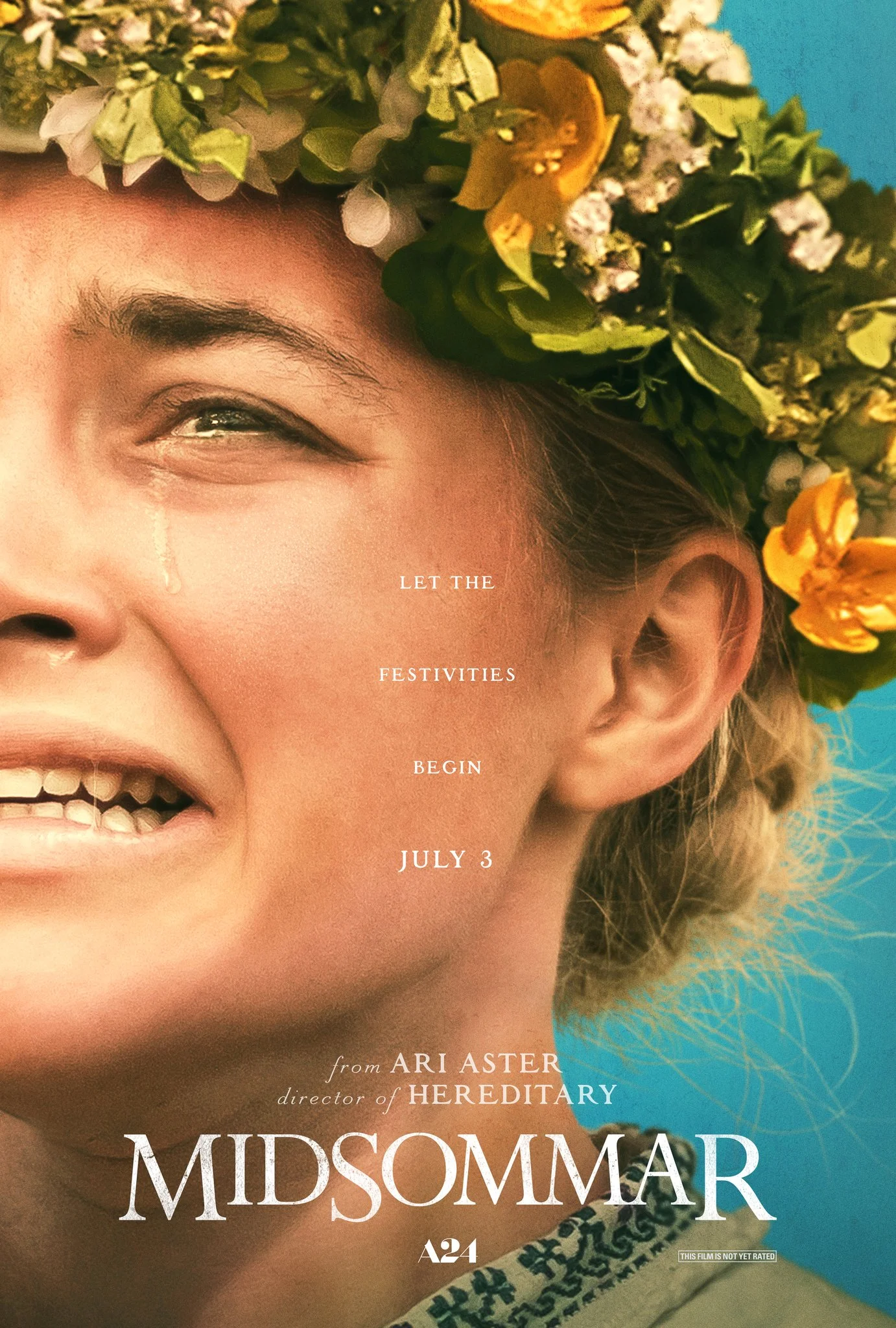
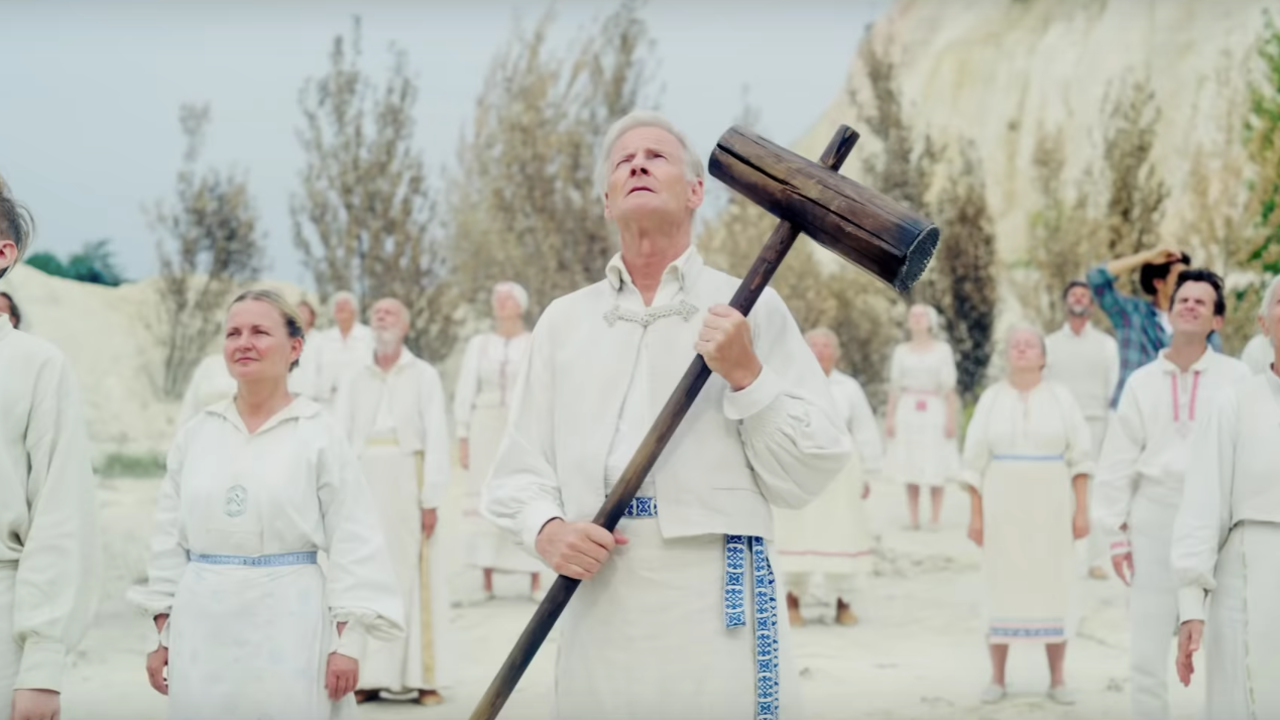
Midsommar (2019)
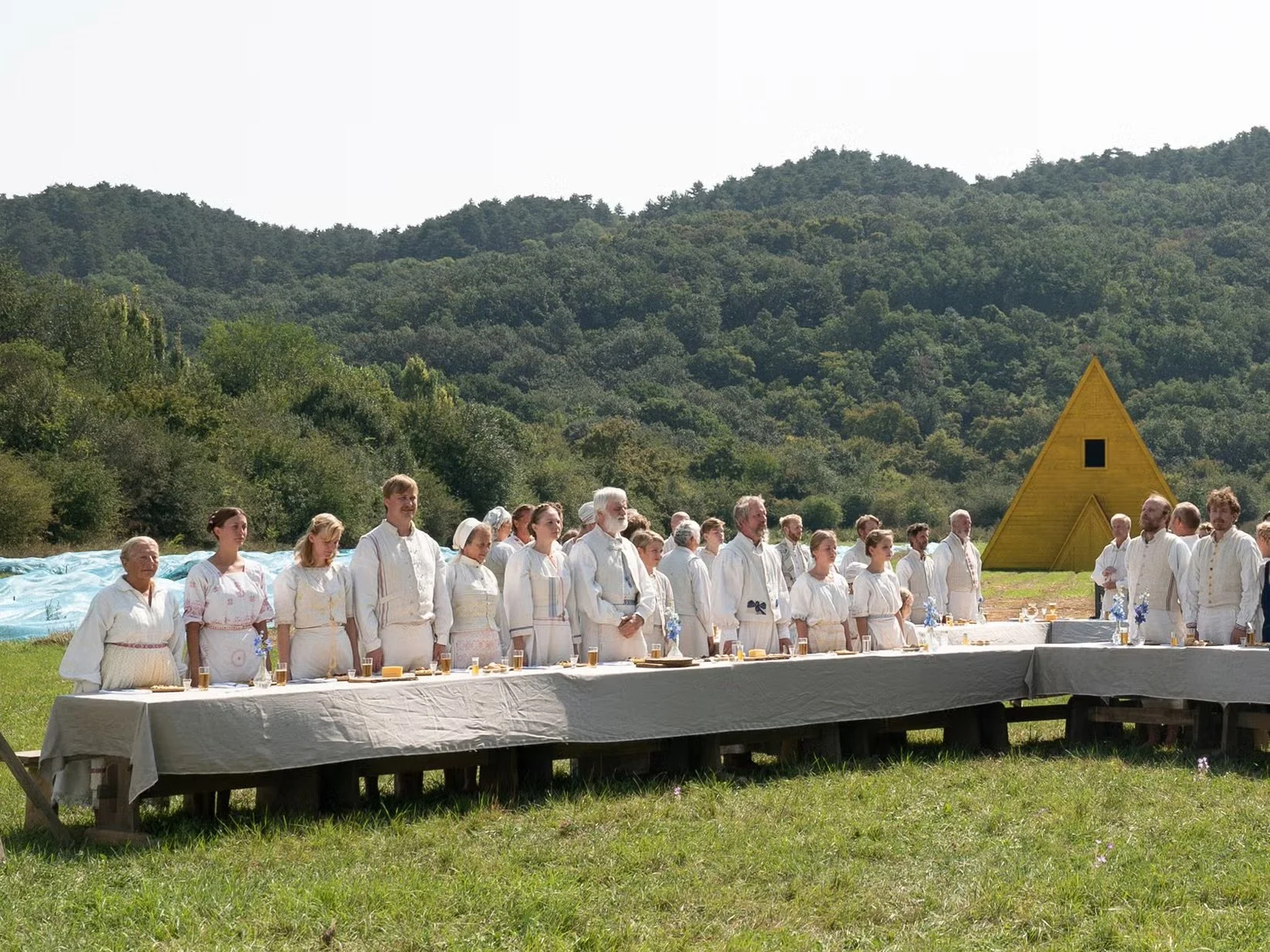
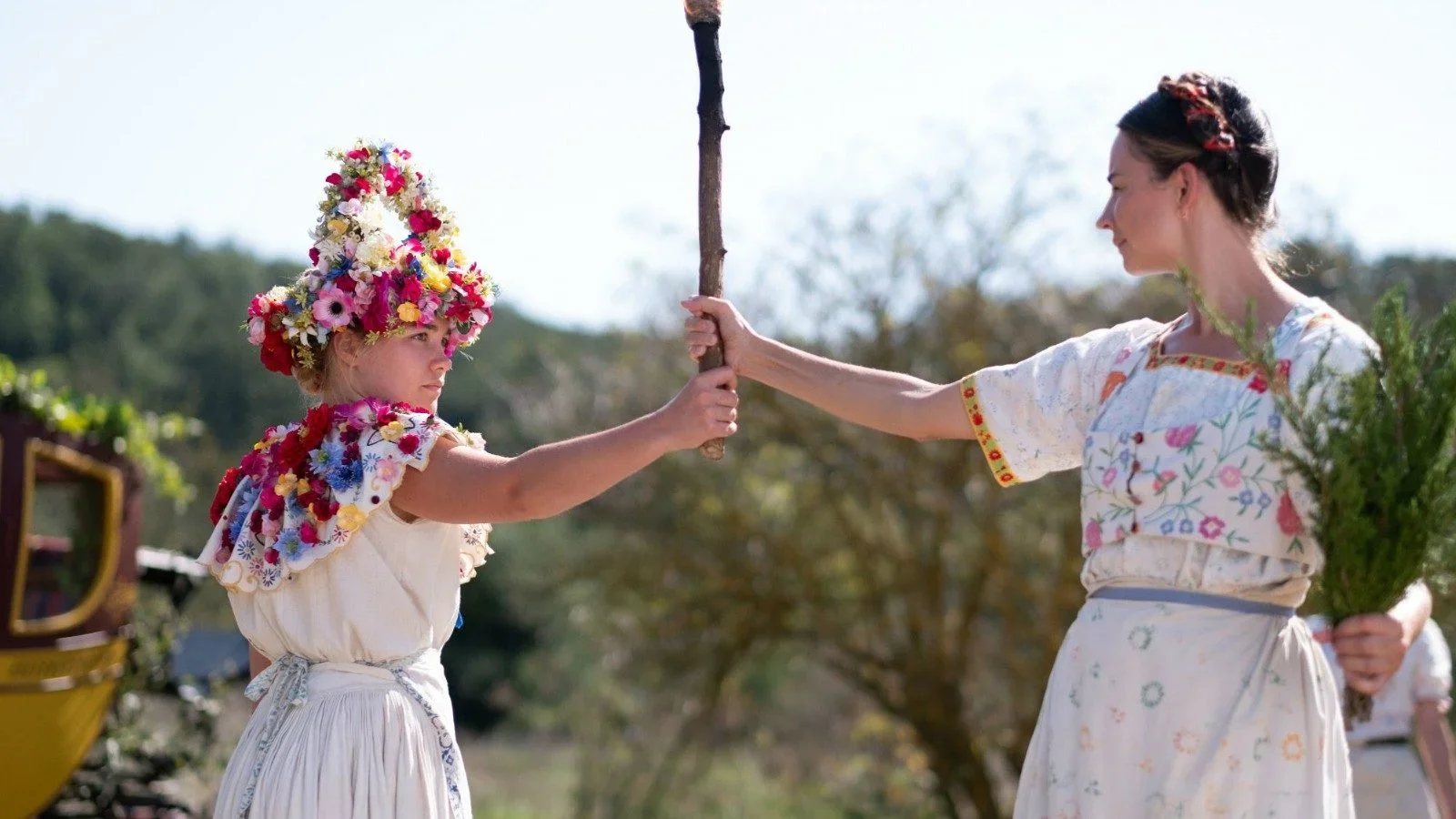
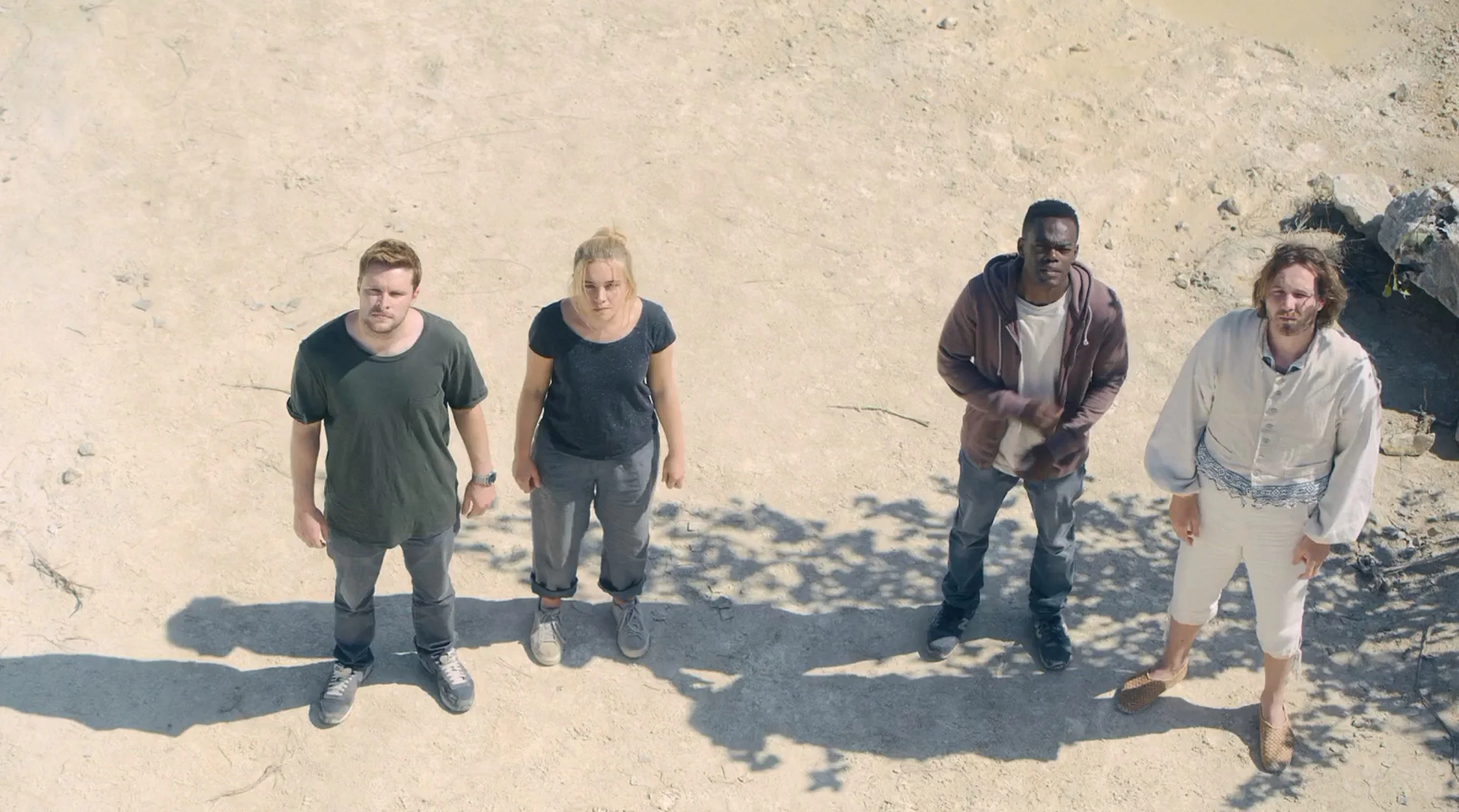
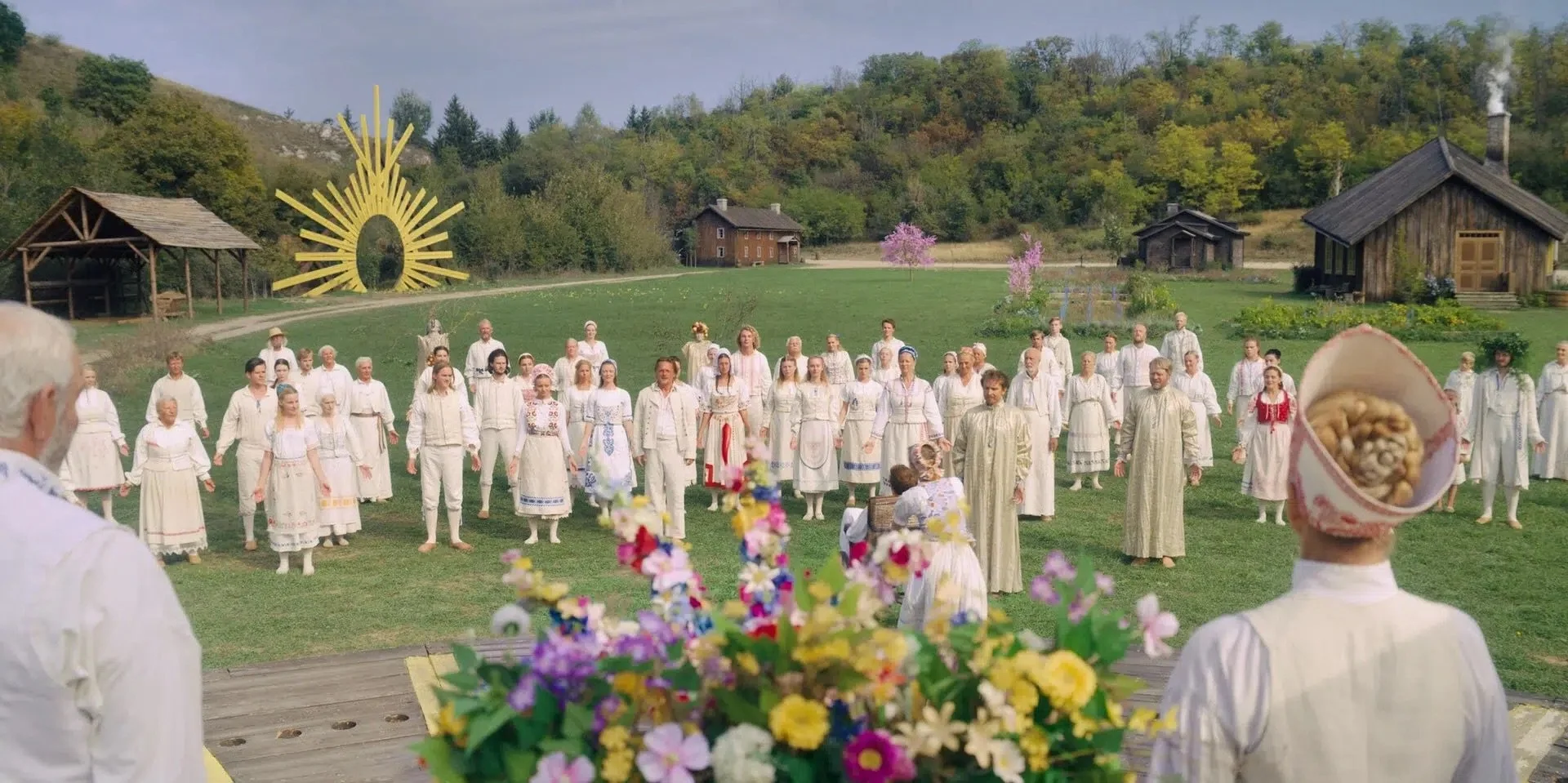
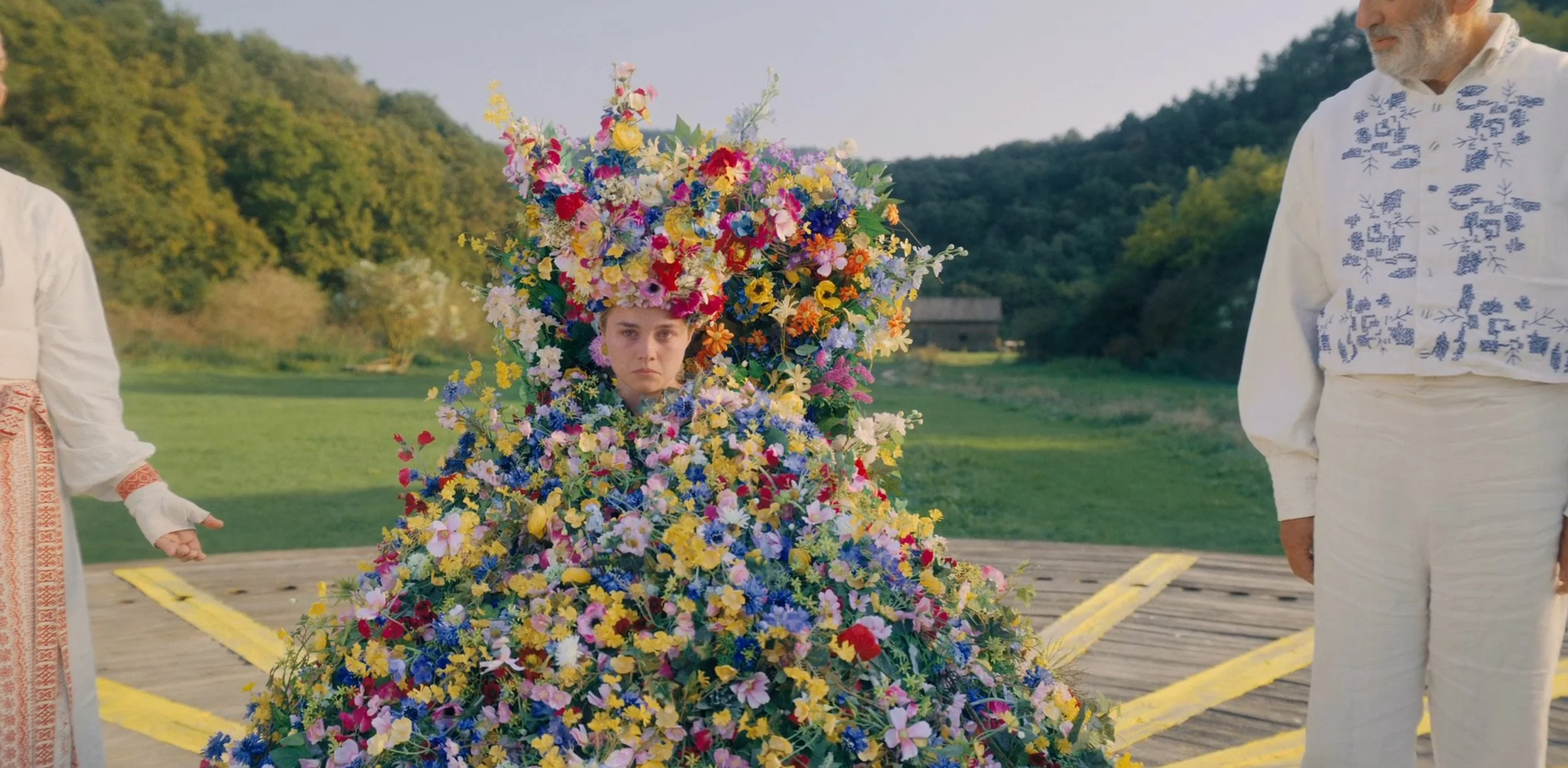
A group of American graduate students visit their Swedish classmate’s home country to observe a nine-day midsummer pagan festival at his rural ancestral commune known as the Hårga. The bucolic setting—picture quiet grassy fields, wildflowers, and light breezes—along with a gentle introduction to the ways of Hårga seem to portend a time of relaxation, learning, and cultural exchange. However, a sequence of unsettling events suggests that our hosts have very “specific” plans for their guests.
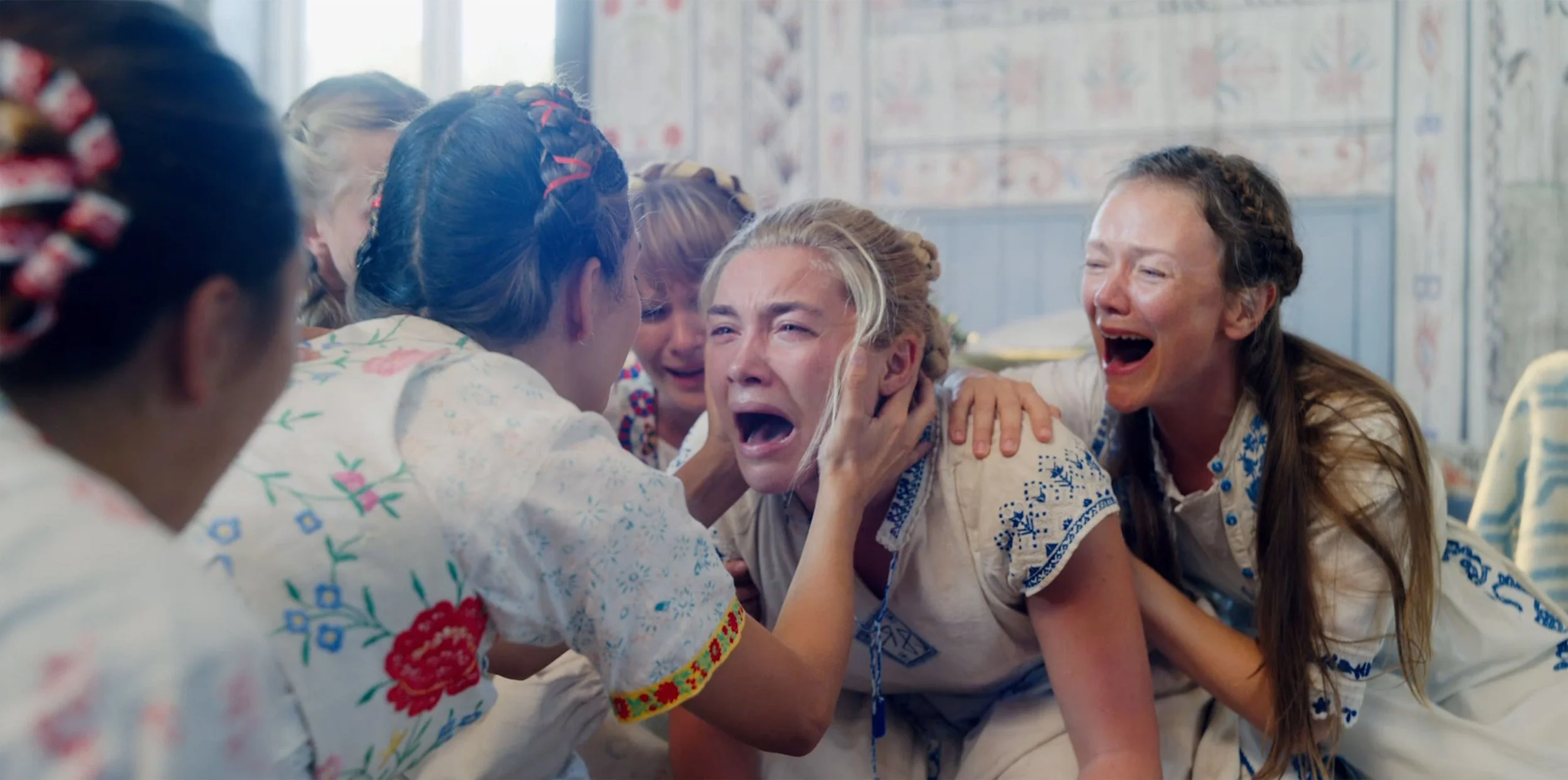
At the center of the story is one of the American students Dani, played brilliantly by Florence Pugh, who has recently experienced a devastating and uniquely morbid family trauma. Compounding Dani’s emotional turmoil is her self-centered and emotionally unavailable boyfriend and fellow traveler Christian (Jack Reynor). The fraught and fractured relationships between Dani, Christian, and their friends only serve to facilitate the diabolical endgame for the midsummer festival.
The various “group activities” of the Hårga, which occupy large swaths of Midsommar’s run time, incorporate brilliant floral arrangements into their ceremonies. Dances and communal meals occur beneath beautiful blue skies that quickly devolve into a sun-drenched and flower-infused nightmare. While I think it is safe to say that Midsommar owes a major debt to the seminal folk horror classic The Wicker Man (1973), director Ari Aster brings his own talent for twisting and subverting traditional ideas about humanity’s relationship to nature. Like his preceding film Hereditary (2018), Midsommar imprints psychologically jarring themes and creatively disquieting images that will take some time to shake.

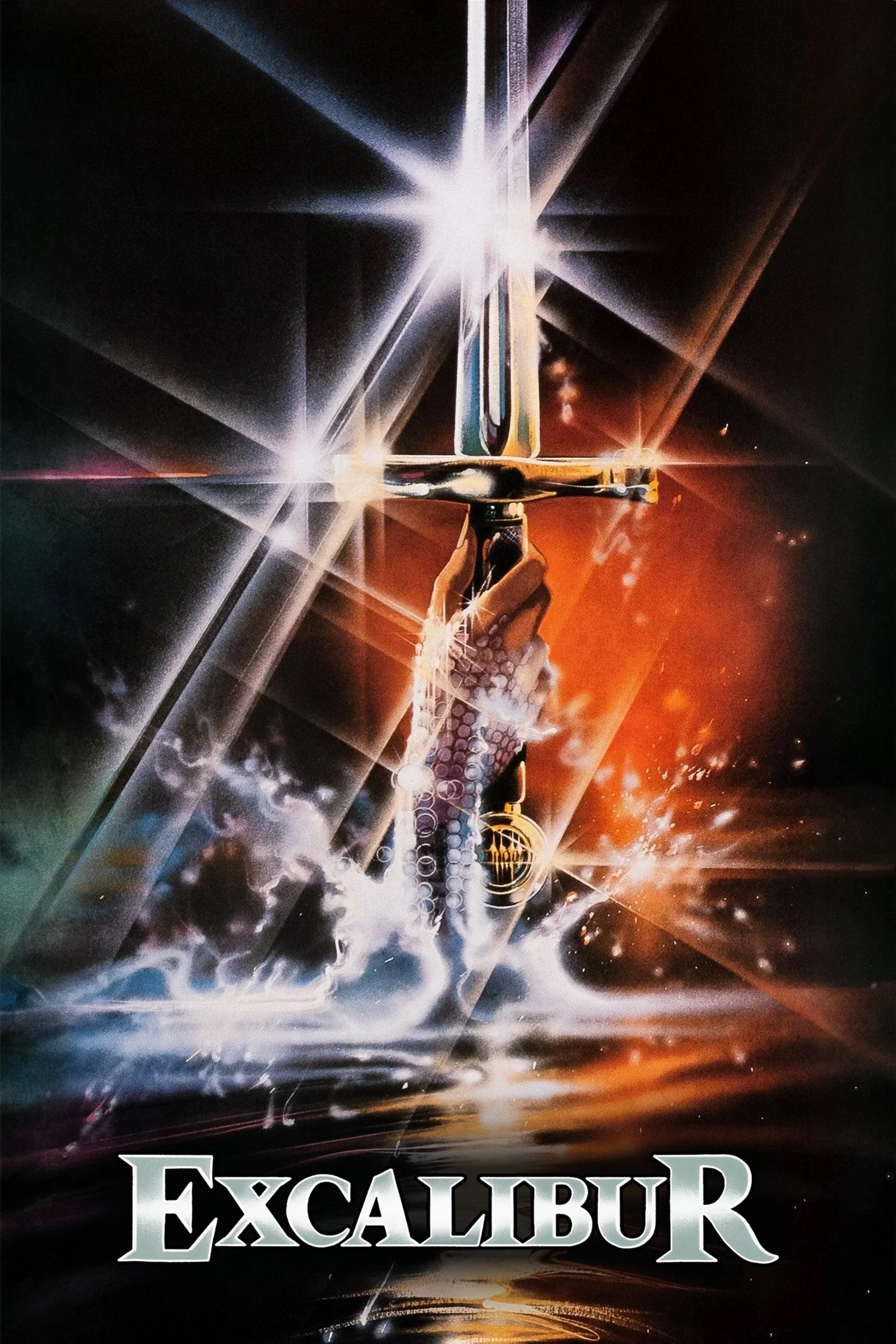
Excalibur (1981)
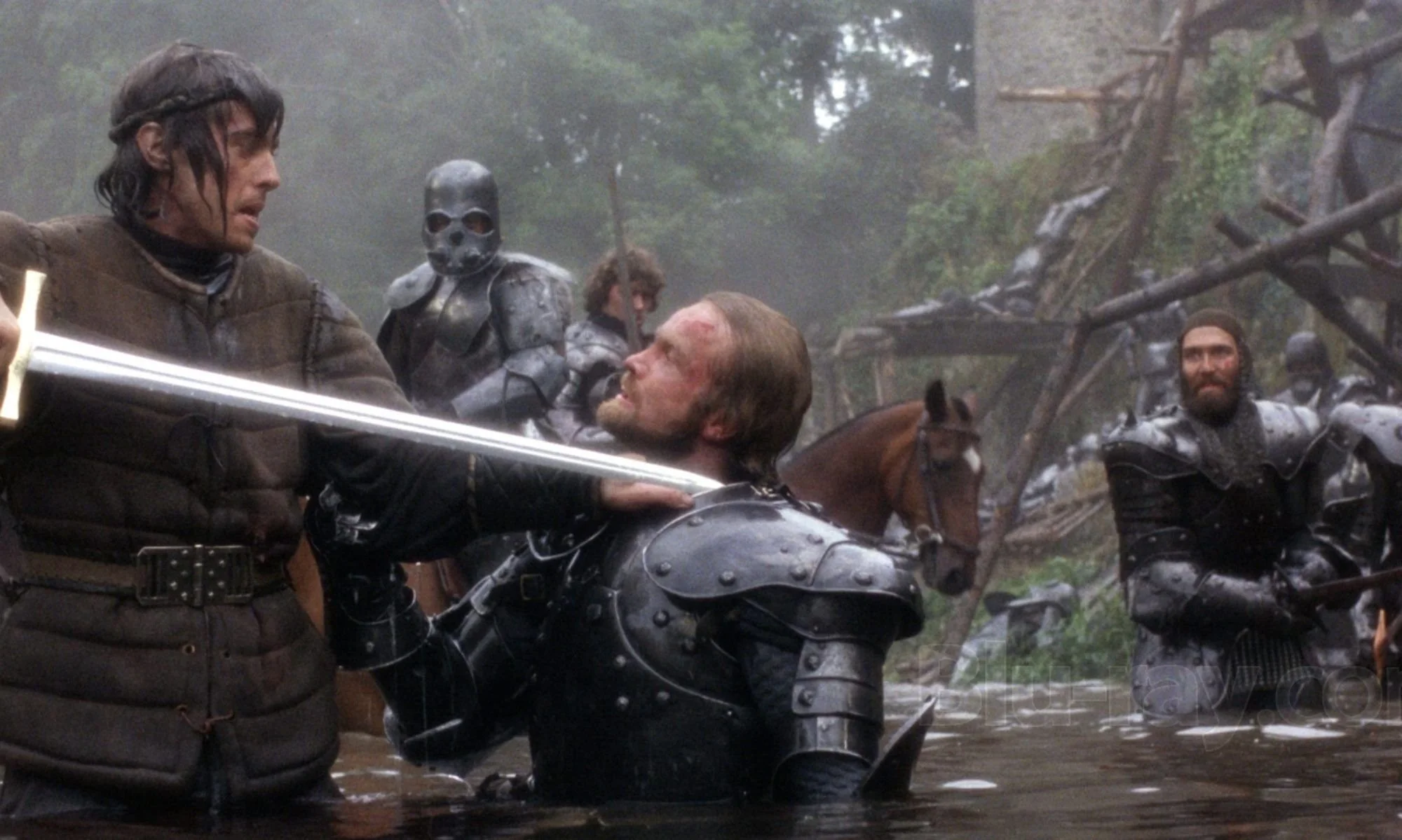
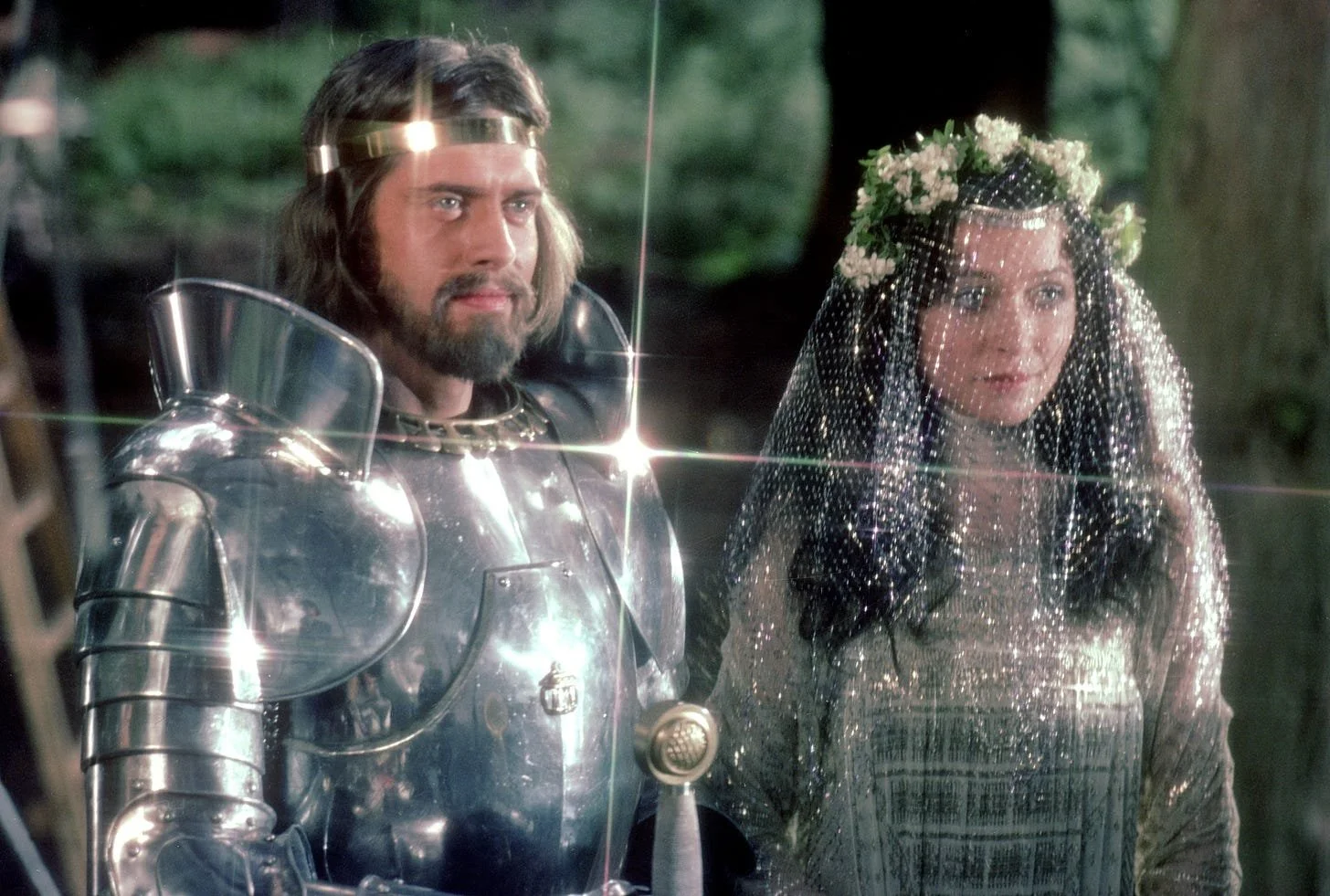
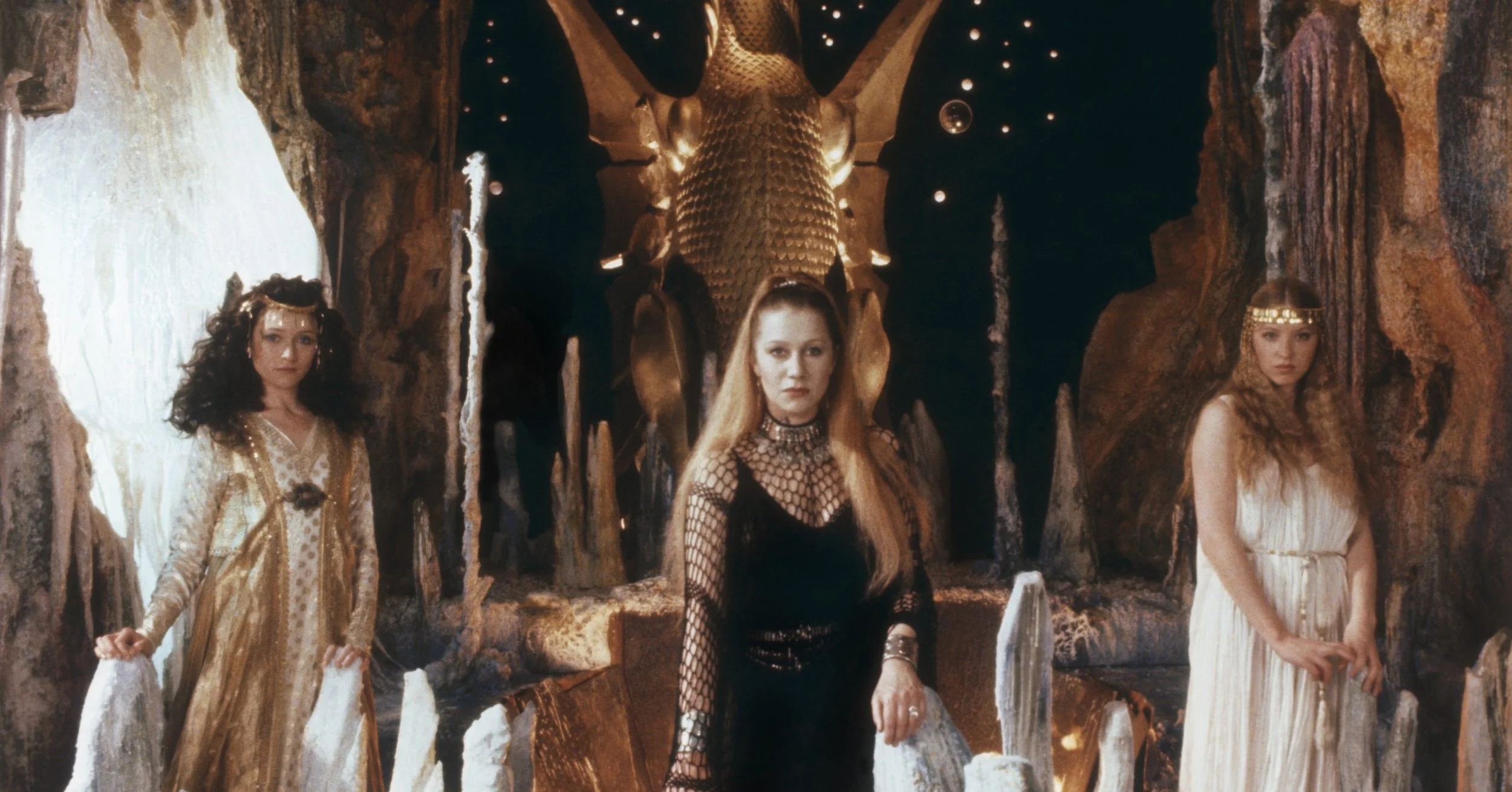
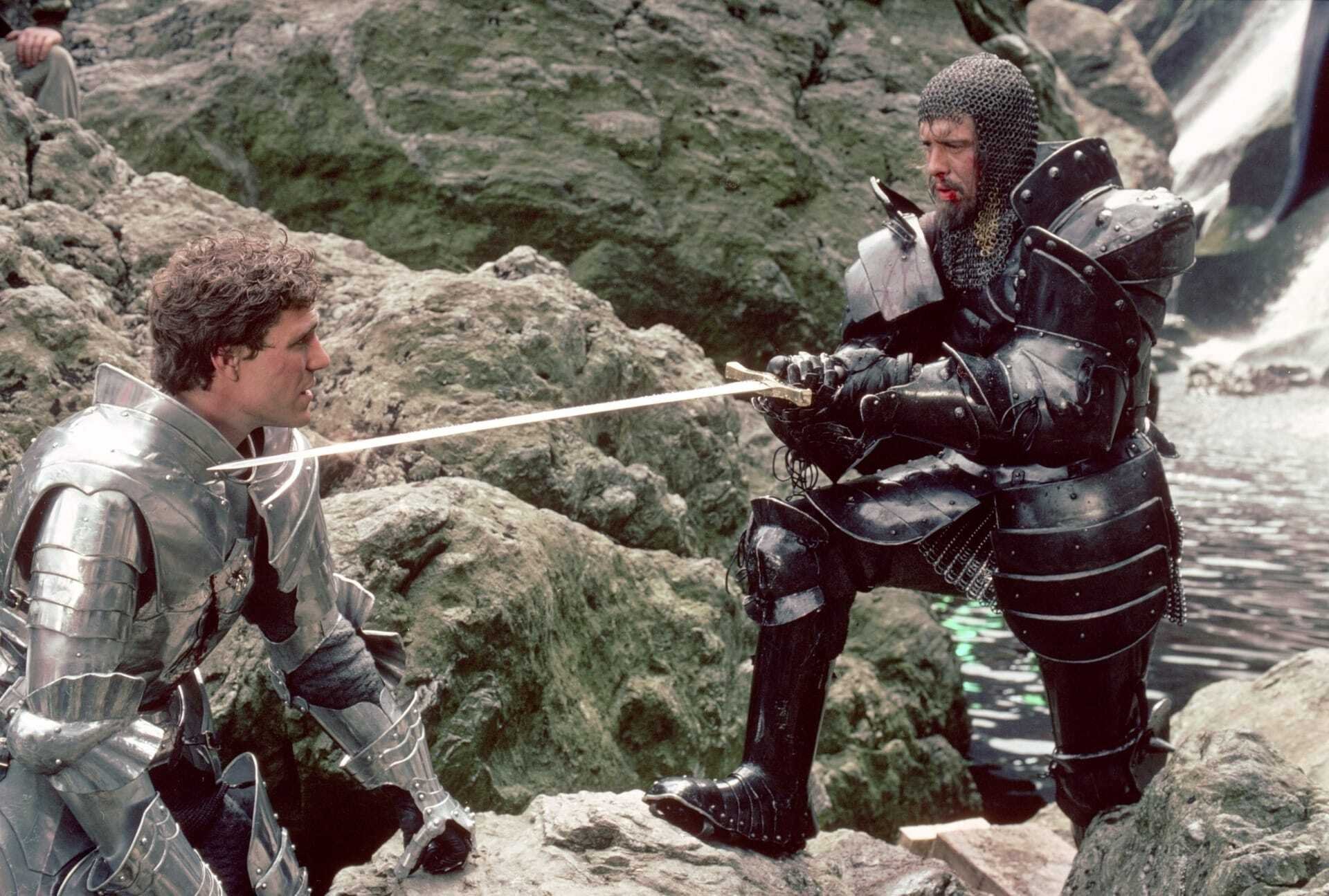
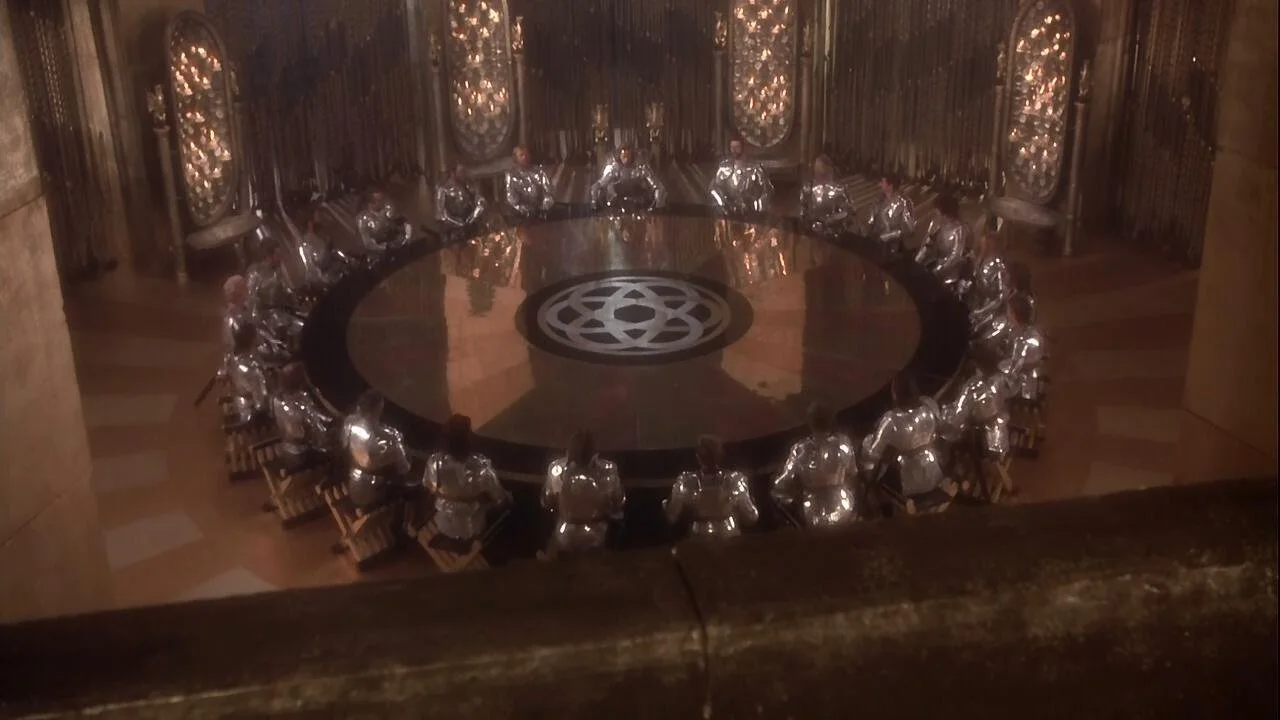
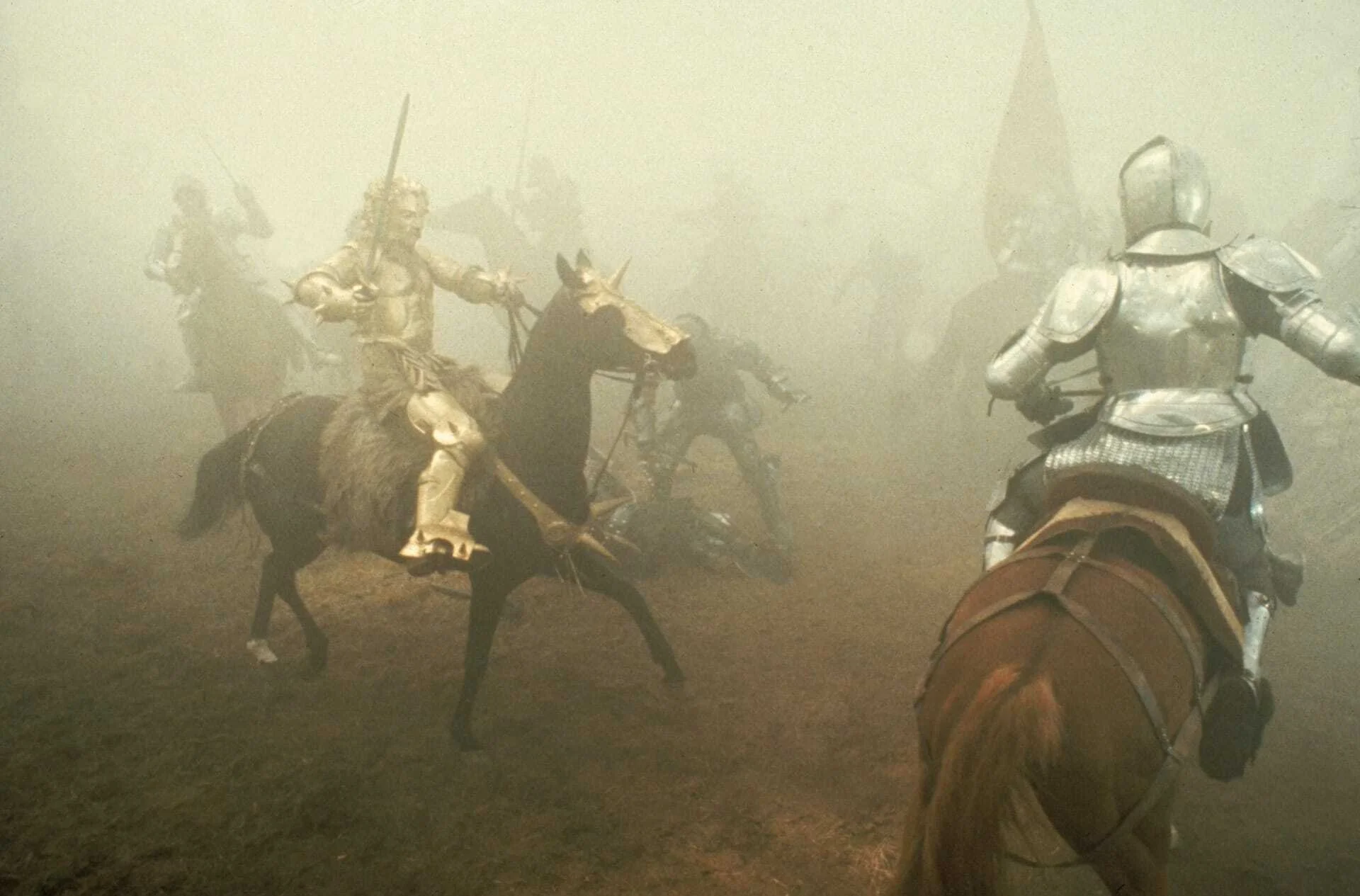
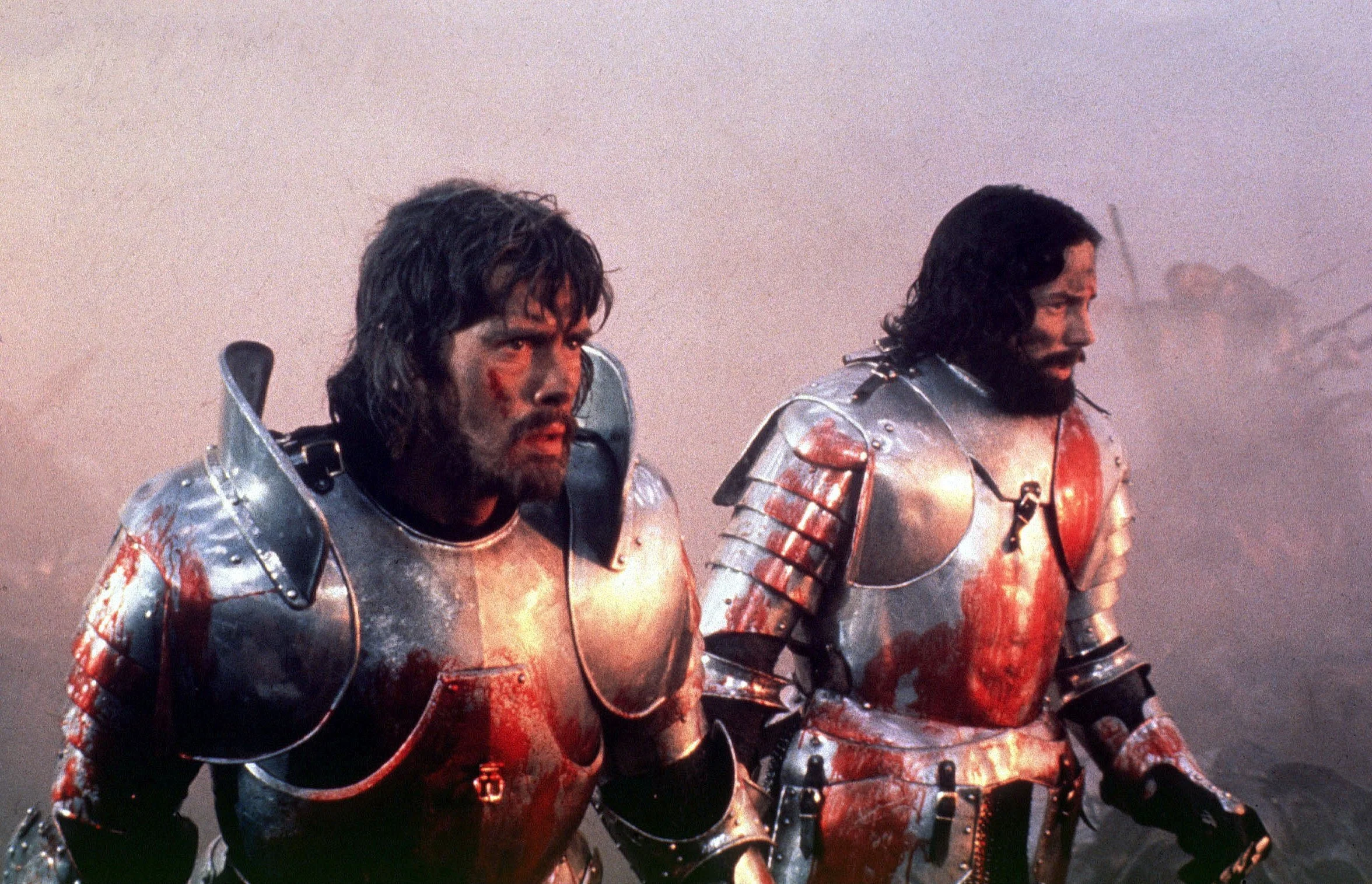
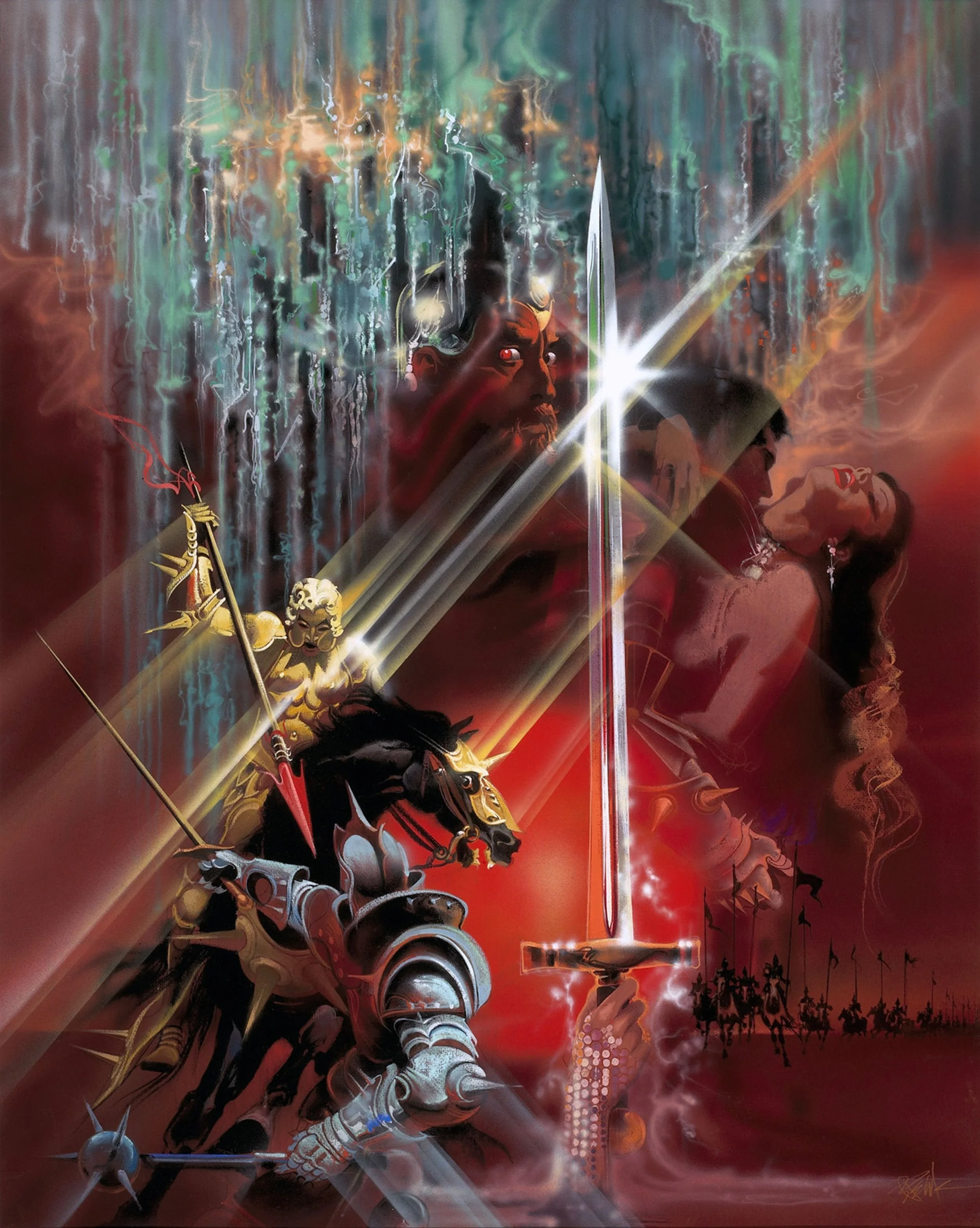
This film is director John Boorman’s beautiful and dreamlike take on the medieval mythology of the Knights of the Round Table, Camelot, and the quest for Holy Grail. The film follows King Arthur through his optimistic ascendancy with the legendary sword Excalibur in hand, the high ideals that informed Camelot, the eventual fraying of its pact, and its dramatic if fleeting rebirth.
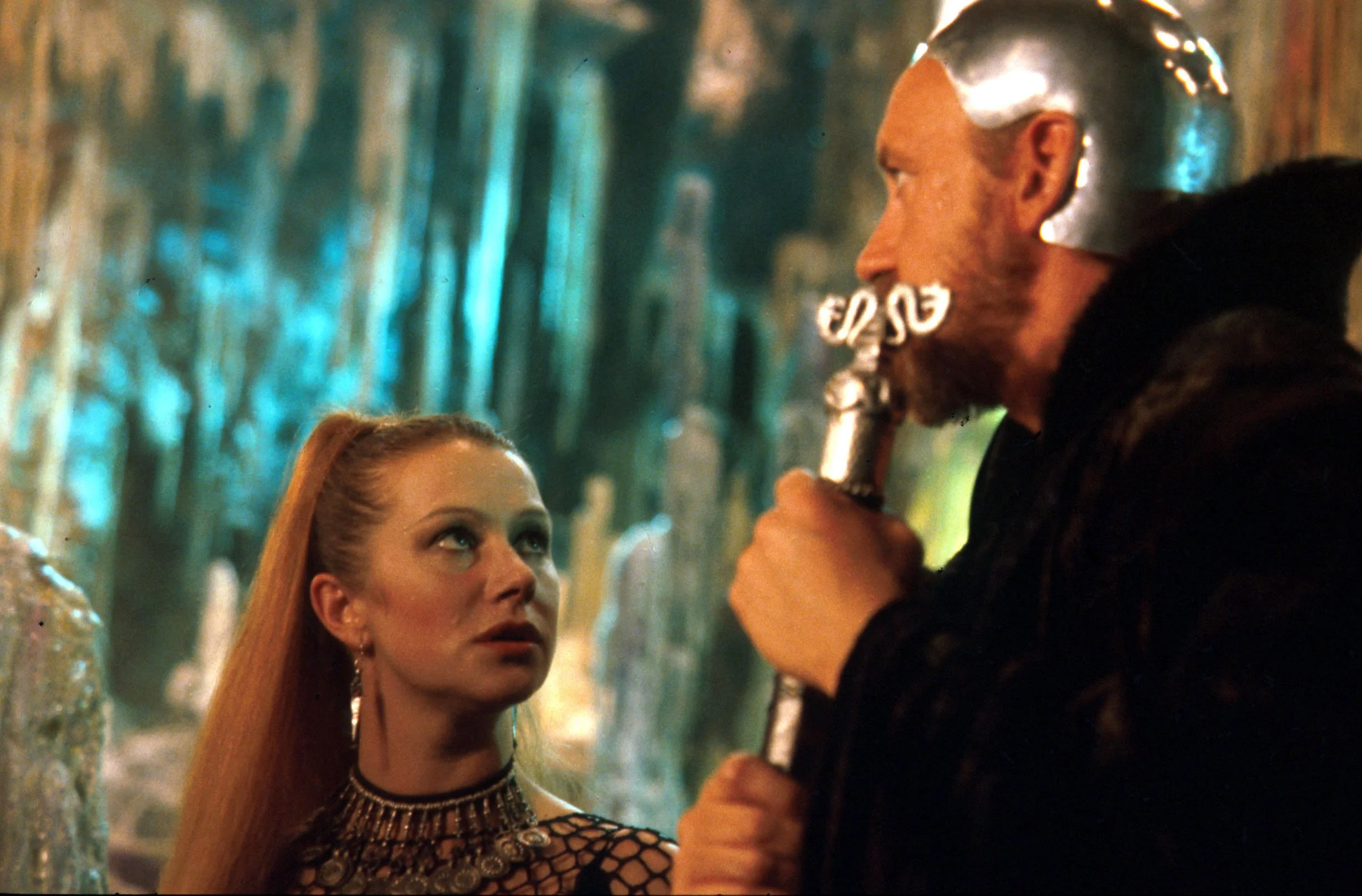
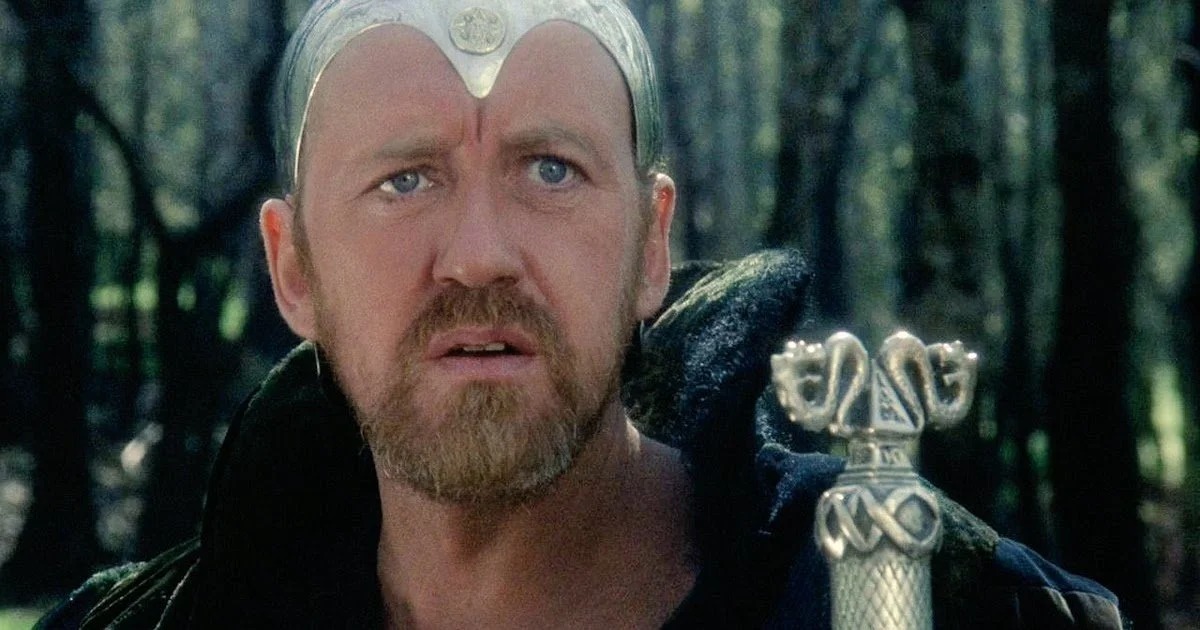
The cast embraces the gravitas and grand flourishes of dramatic dialogue no doubt inspired by the epic prose found in Sir Thomas Malory's 15th-century work Le Morte d'Arthur. We had fun spotting several actors in early roles, including Liam Neeson, Patrick Stewart, and Gabriel Bryne; we even get Helen Mirren as the scheming sorceress Morgana. Nichol Williamson gives an unforgettable performance as the bumbling yet sage and powerful wizard Merlin.
Excalibur has a very distinct visual style. Cinematographer Alexander Thomson accents several scenes with an otherworldly green light that suggests the fantastical. Thomson, who was nominated for an Academy Award for his work on Excalibur, layers in several exquisite visual touches, such as light glinting off the knights’ armor and the gleaming blade of Excalibur. Filmed in Ireland, the production design features atmospheric boggy landscapes and forests carpeted in fog that hint at mystical forces at work. The movie includes several exciting set pieces, but one in particular is striking for its use of nature to signal Camelot’s rebirth. In the wake of Camelot’s near dissolution, Arthur and his small band of knights, squires, and guards take one last ride into battle against overwhelming forces of evil. Because the legend aligns the health of the land with the fortunes of good and righteousness, Arthur’s final ride coincides with earth’s regeneration, with trees blossoming and flowers blooming in real time. It is an extremely effective and cathartic moment of melodramatic storytelling.
One last point to recommend this film is its score, which was performed by the The London Philharmonic Orchestra, and perfectly incorporates classical works from the likes of Richard Wagner and Carl Orff.