No Bank Holiday on this Dog Day Afternoon
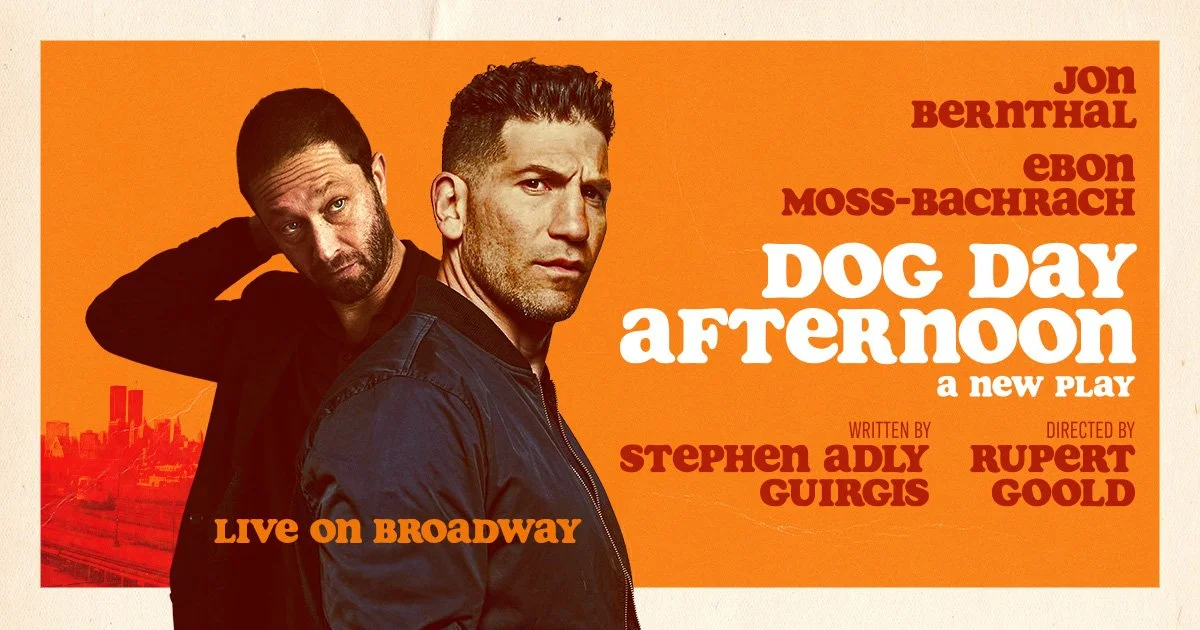
Original poster art
We were very skeptical when we learned that Sidney Lumet’s Dog Day Afternoon (1975) was being adapted into a Broadway play. After all, we at Concentric Cinema adore this infinitely rewatchable masterpiece and every engrossing performance in it. Inevitable comparisons between film and stage production seemed bound to leave us disappointed (it doesn’t help that there seems to be a glut of movie-to-stage productions, many of which feel unnecessary—subjective as that may be).
For the uninitiated, the film was based on a real-life event in which two men, John Wojtowicz and Salvatore Naturile, fumbled their way through a botched bank robbery and subsequent hostage-taking situation in Gravesend, Brooklyn on August 22, 1972. Events unfolded into a 14-hour media circus that proved sensational, sweaty, and uniquely New York. If you missed our previous post on this film, be sure to check out The Big Heist that Wasn’t: Dog Day Afternoon.
All this said, as huge fans of the film we felt like we couldn’t NOT see this show, which is currently playing at the August Wilson Theater. And despite the fact that we are fans of Jon Bernthal’s, we went in with one eyebrow raised.
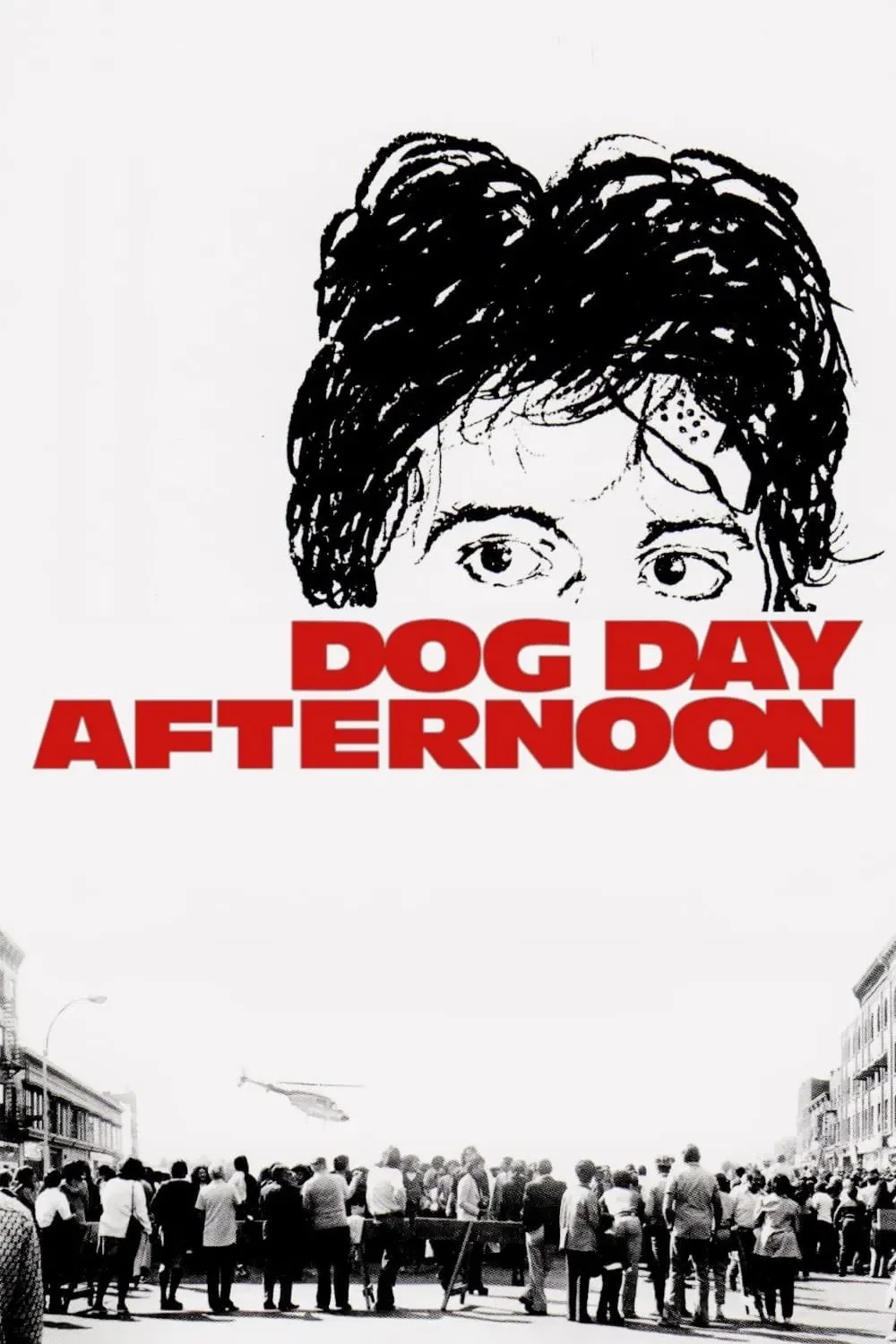
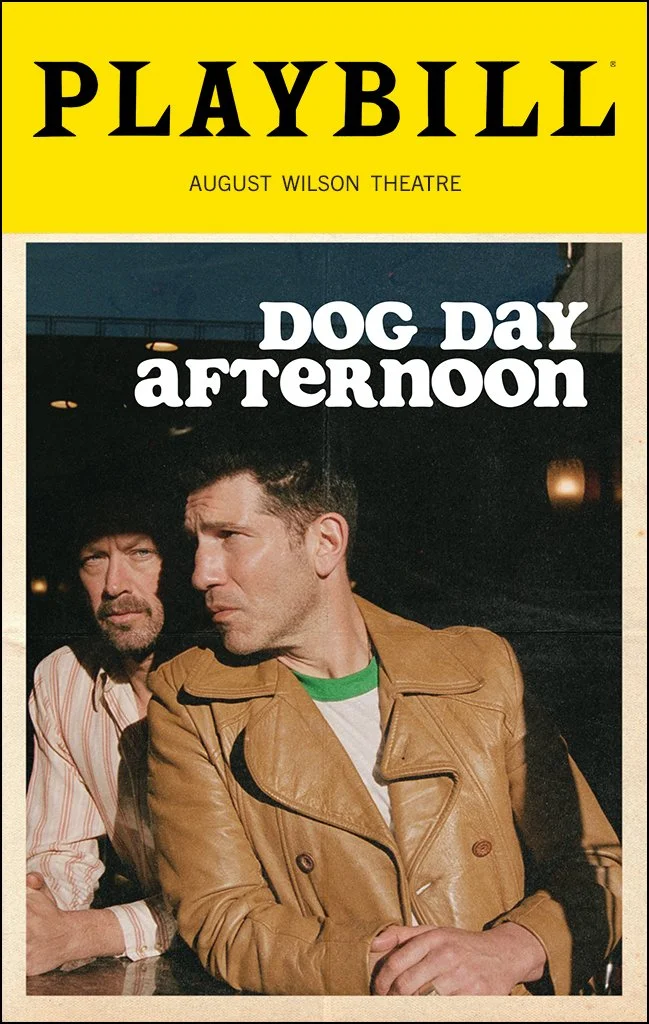
Right off the bat I want to say that Yassmeen and I enjoyed this production quite a bit, especially as we approached it in the right context. It is perhaps unfair to do a clean head-to-head comparison. After all, the film and the play represent two different artistic mediums and were created in two very different eras.
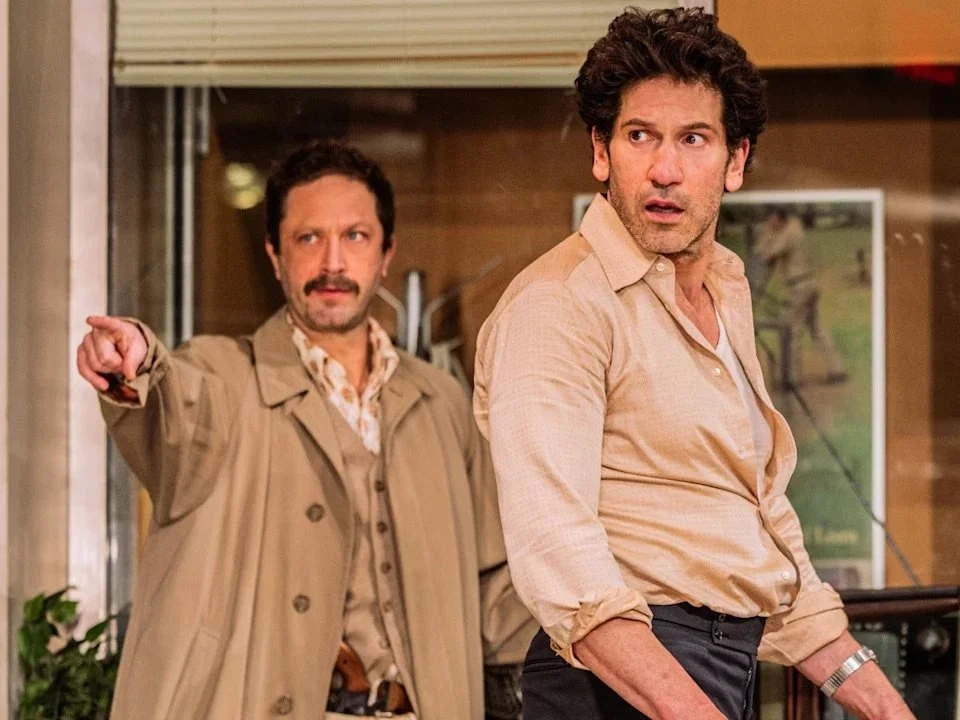
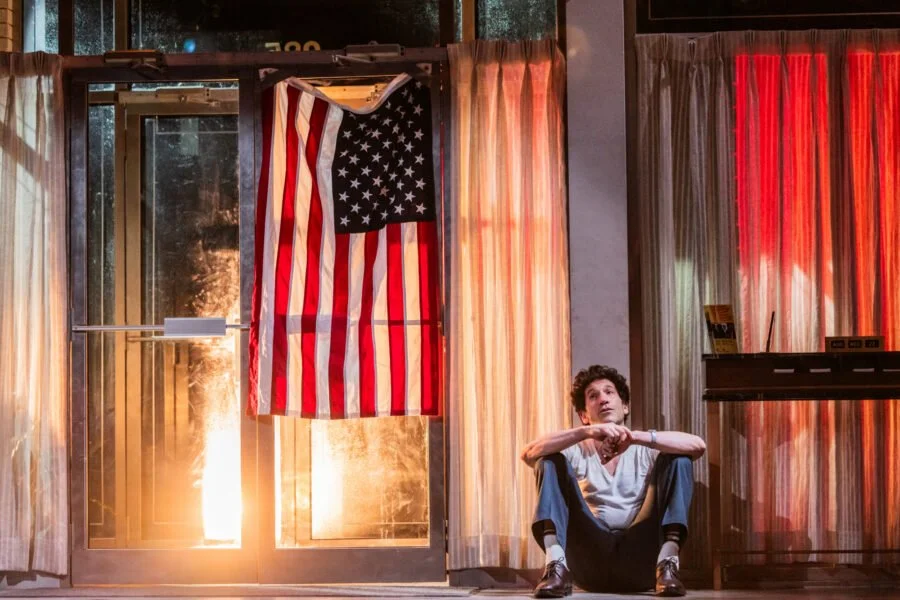
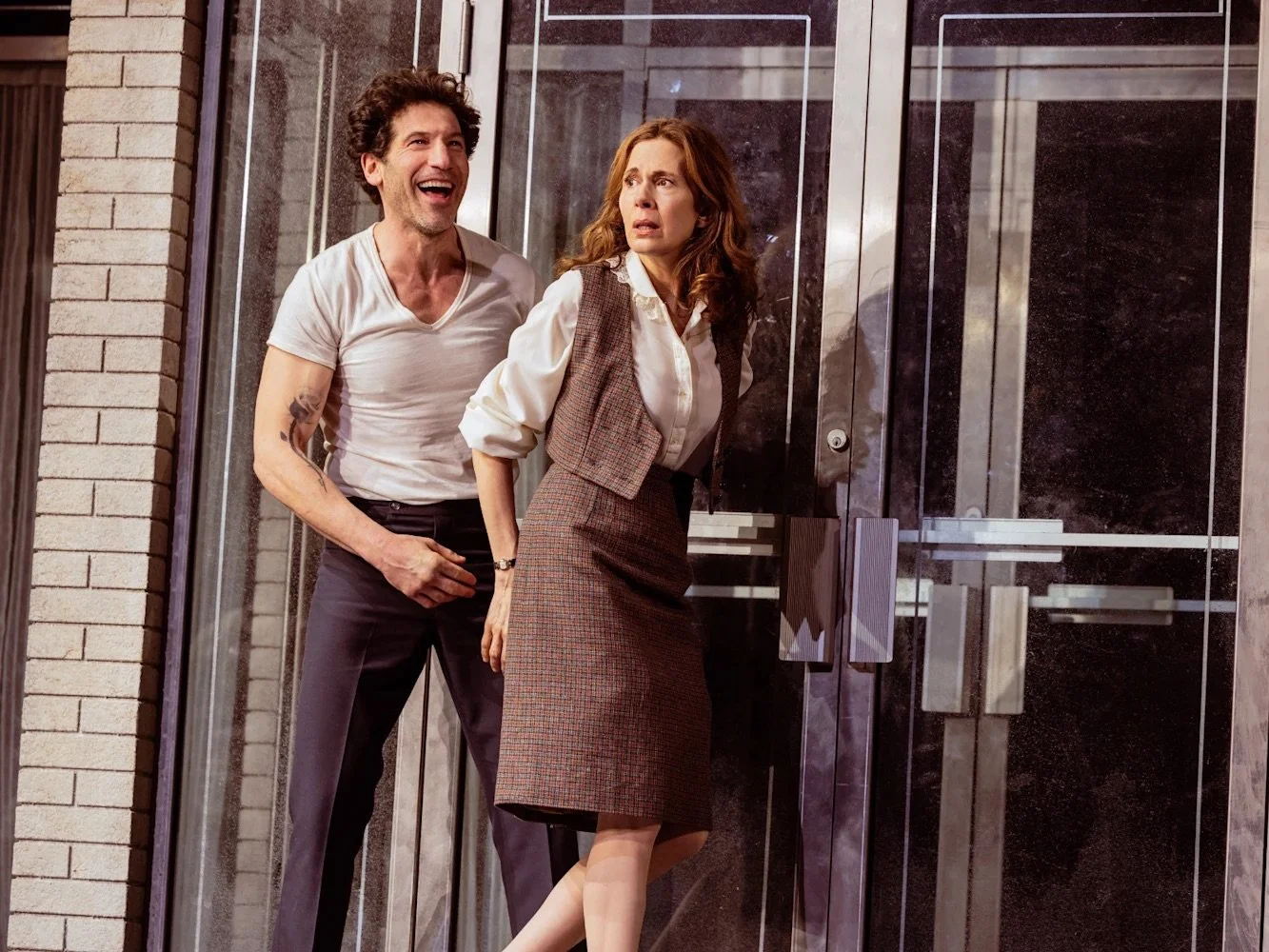
John Bernthal plays Sonny, the stand-in for the real-life John Wojtowicz (the name was changed for the movie). Al Pacino’s frantic and frazzled antihero Sonny is unforgettable in a film that is essential viewing for lovers of 1970s cinema and casual moviegoers alike. For his part, Bernthal gives a fittingly frenetic all-in performance with a clear reverence for Pacino’s original work, delivering blistering, spring-loaded bits of dialogue in Sonny’s thick Brooklyn accent. While Bernthal brings his own flavor to the role, he clearly wanted to preserve some of Pacino’s core traits, including his distinctly jittery inflections and the slight hunch in his upper shoulders.
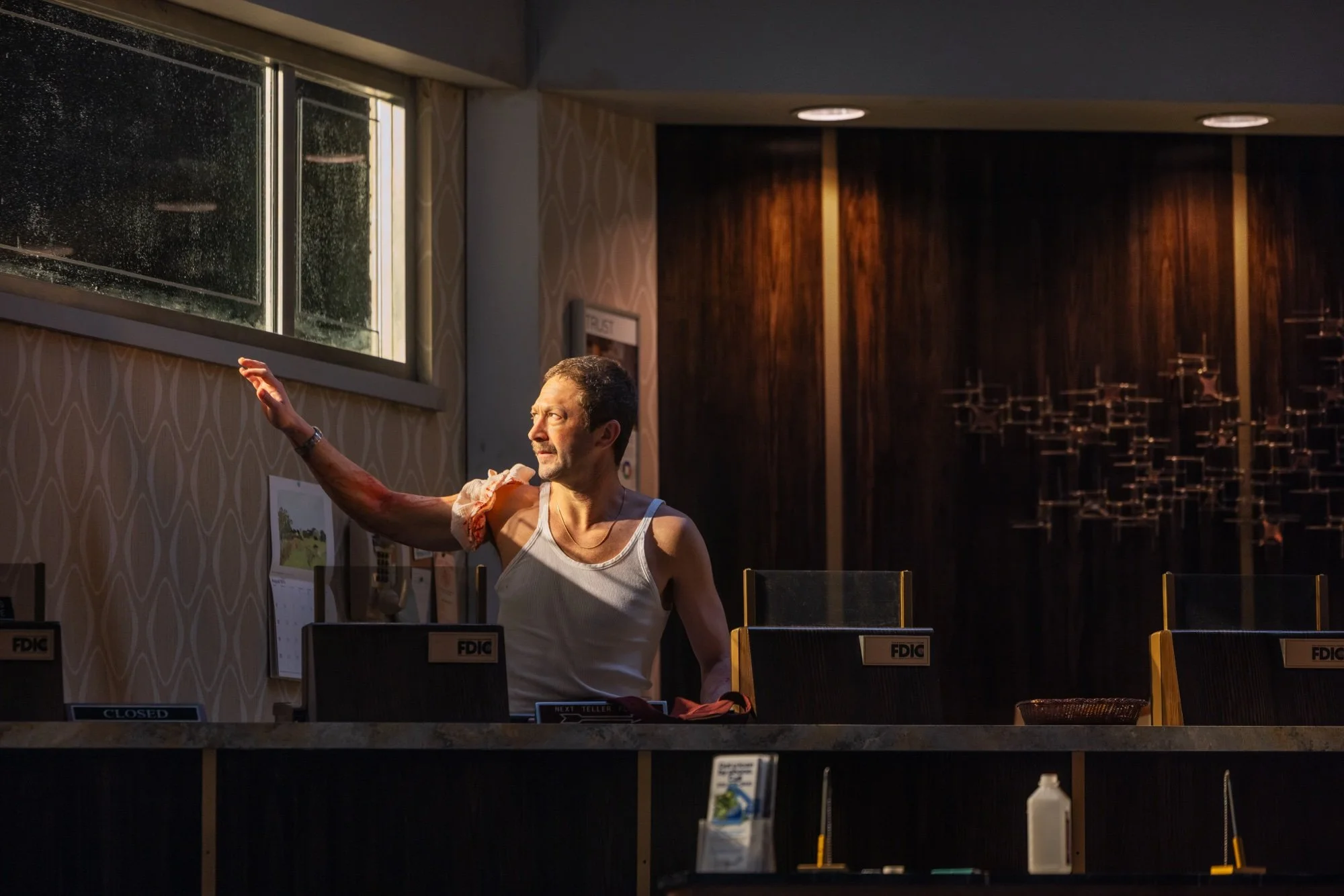
Portraying Sonny’s partner-in-crime Sal—played in the film by the incomparable John Cazale—would be a tall order for any actor. Wisely, Ebon Moss-Bachrach appears to have made the active choice to bring his own reading to the role, steering (mostly) clear of Cazale’s unique yet hard-to-pin-down brand of vulnerability. Instead, Moss-Bachrach portrays Sal’s emotionally and developmentally stunted persona with a more aggressive edge. It wasn’t what we were expecting but it actually worked well, especially since we revere Cazale so much and had some reservations about how this particular character would be represented.
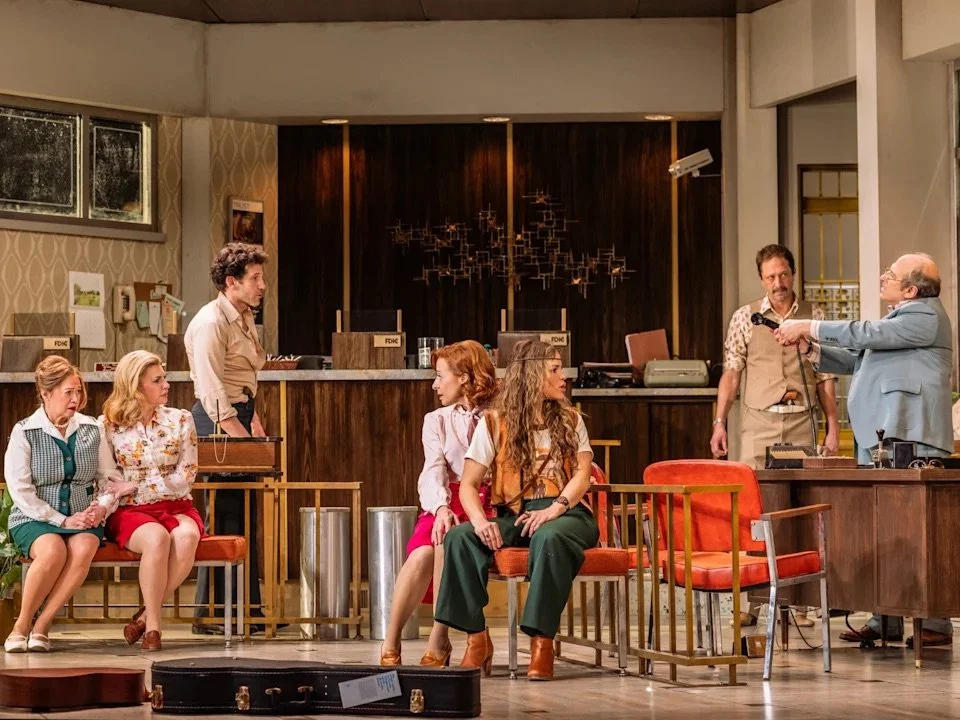
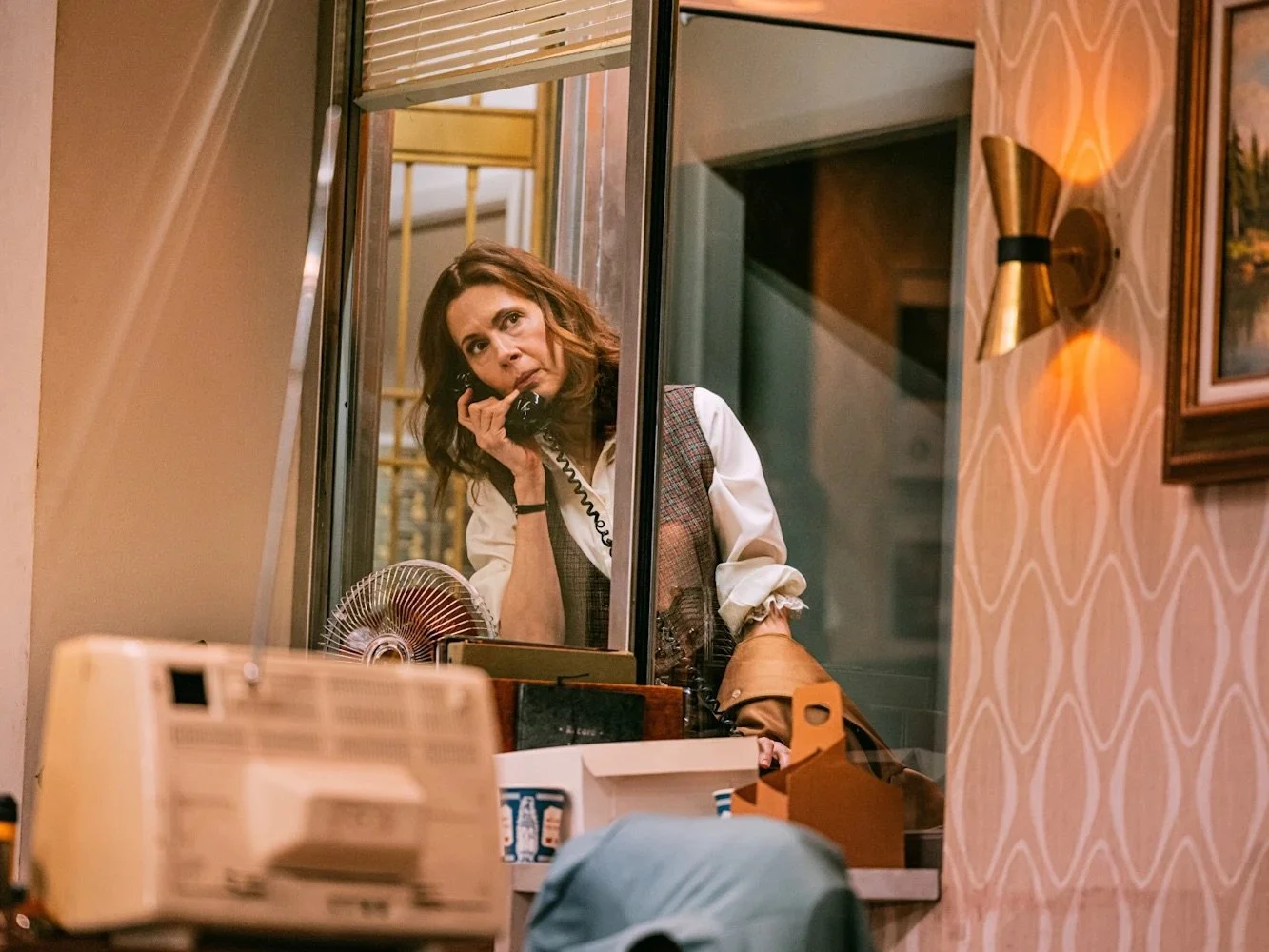
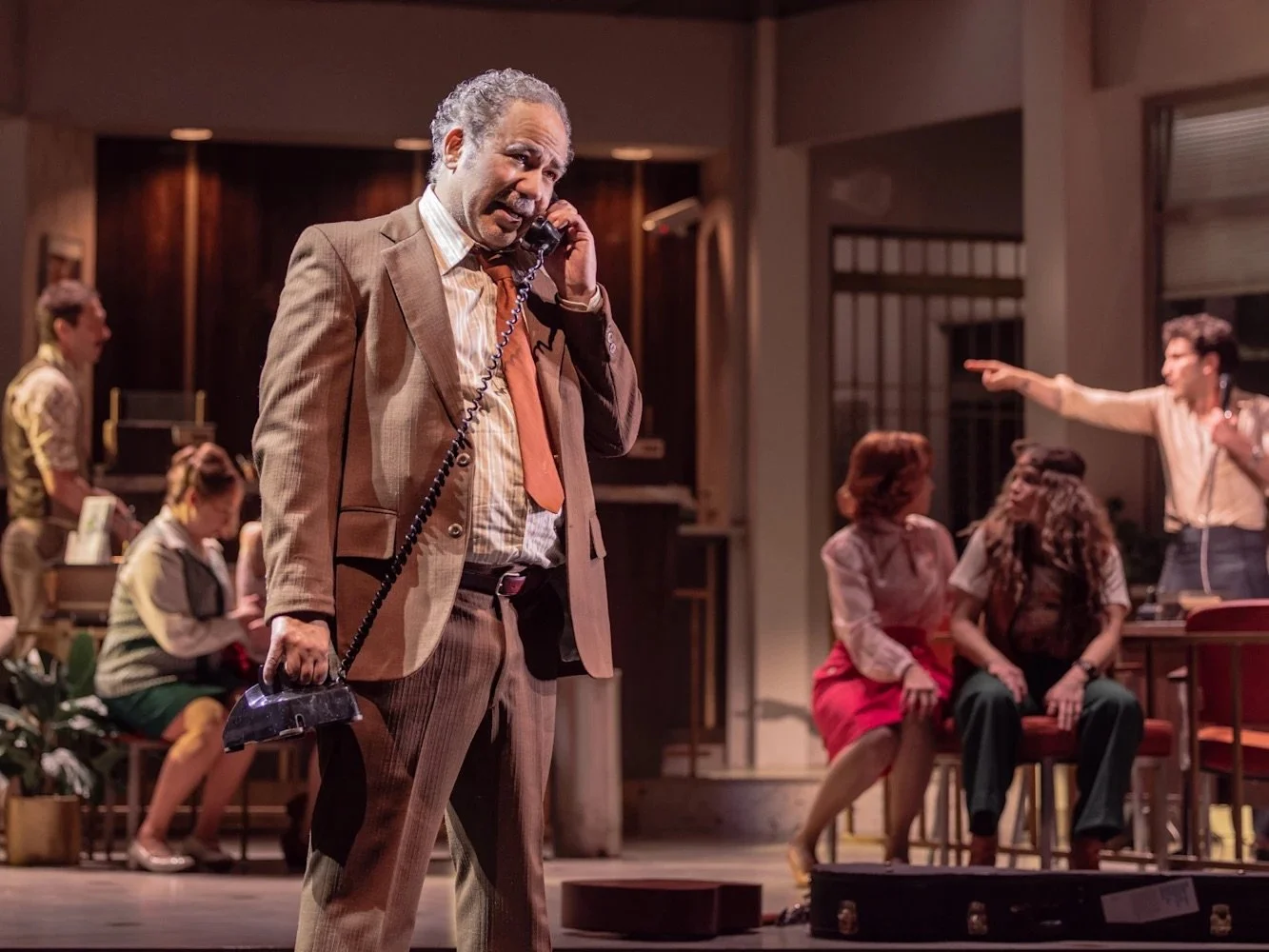
The cast also includes John Ortiz, who plays the overstretched yet decent Detective Fucco, a part played by the late and great Charles Durning in the original film. I recognize Ortiz from crime dramas such as Carlito’s Way (1993) and American Gangster (2007). We also enjoyed Jessica Hecht as the firm and fastidious yet occasionally cheeky head bank teller Colleen, a memorable role originated by the superb Penelope Allen in the film.
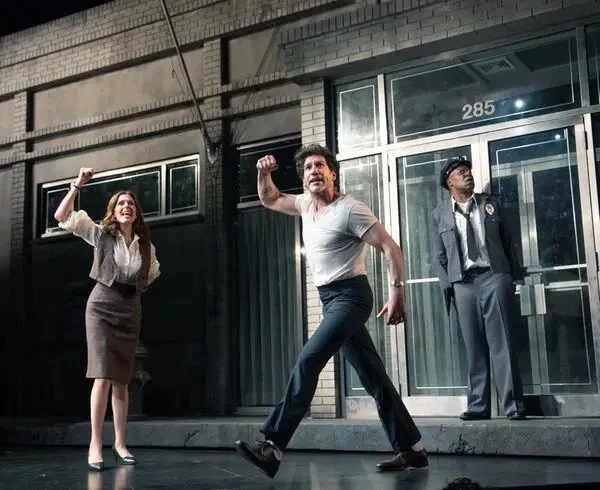
A few other takeaways from the show
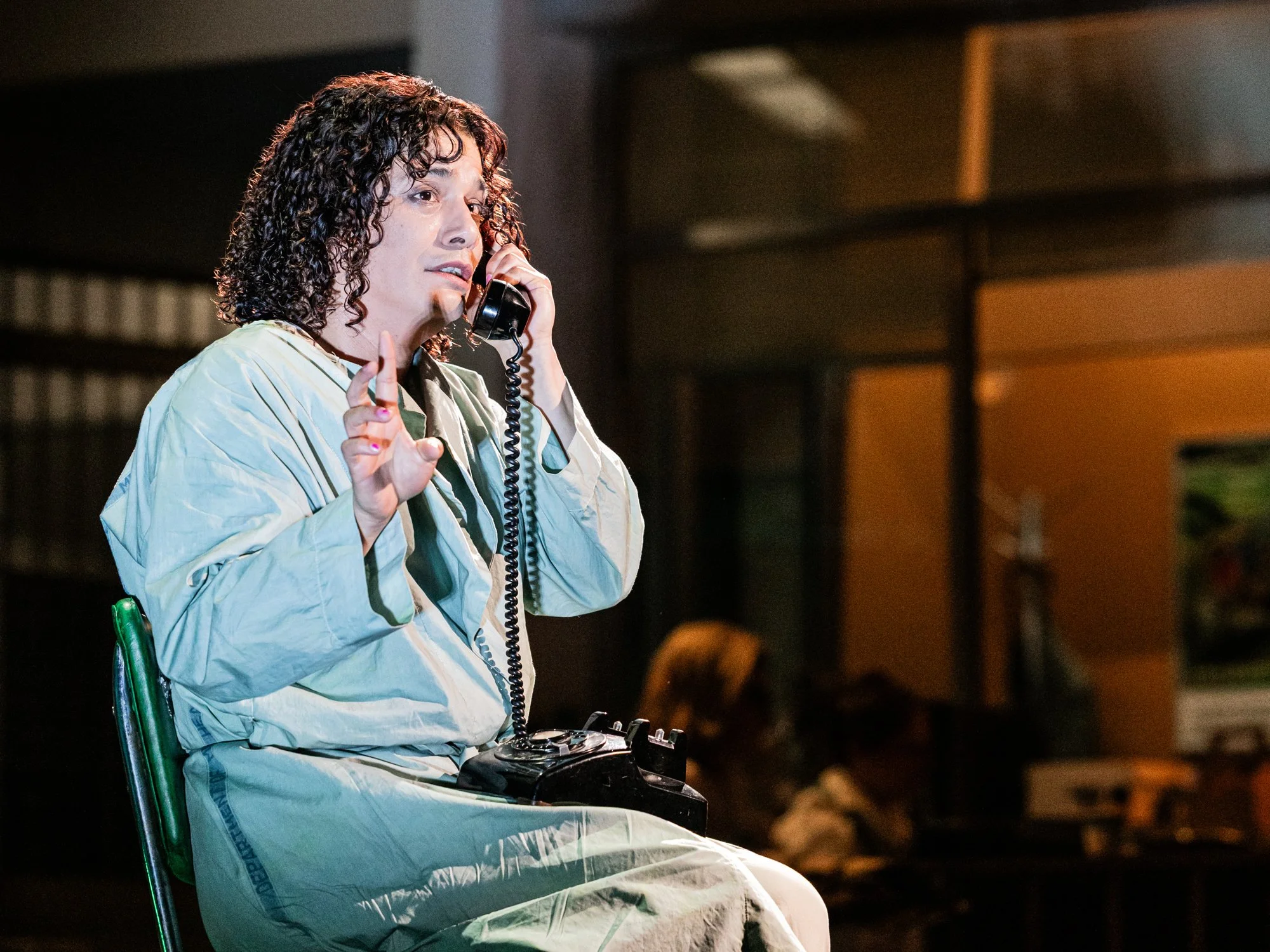
A key dynamic of the story is the relationship between Sonny, a closeted gay man, and his transgender wife Leon (Esteban Andres Cruz). The two were married in a private and secret ceremony by an actual priest. We learn that Sonny, who also has an estranged wife and two kids, is robbing the bank to pay for Leon’s gender affirming care.
In both the film and play Sonny and Leon speak only by phone. The two share an emotionally fraught and particularly heartbreaking exchange towards the end that is handled a bit differently on the stage. In the play, Sonny and Leon are much more forthcoming and open about their feelings, a slight shift from the film where the two talk about their relationship and current predicament in a more resigned and less emotionally explicit way. I must admit that the film’s handling of this scene resonated more with me. I appreciate how Pacino and Chris Sarandon (who plays Leon in the movie) hover around the issue without having to spell it all out—sort of a “show vs. tell” moment. Of course, the play does not have the benefit of close-ups on our exhausted and ill-fated couple, so choices needed to be made.
Dog Day Afternoon has a few very rousing moments, one of which will be no surprise to fans of the film. Yes, that moment outside the bank when Sonny, overcome with righteous indignation, calls out the dozens of police officers with guns drawn and itchy trigger fingers. He engages law enforcement and the crowd with chants of “Attica! Attica! Attica!,” a reference to the protest at an upstate correctional facility that came to be a rallying cry for resistance and reform. It’s an iconic scene in the film and one which Bernthal seemed to relish playing live. For the purposes of the play, the audience stood in for the crowd. Never did I think I would be chanting “Attica!” during a live performance but there we were! These are cathartic moments that tap into a collective distrust in institutions and an economic system that often seems rigged to serve the wealthy and powerful. So it was in the 1970s and so it is today. The play touches on workers’ rights, economic anxiety, veterans’ mental health, gay and transgender rights, police brutality, and a general souring on financial, governing, and legal institutions.
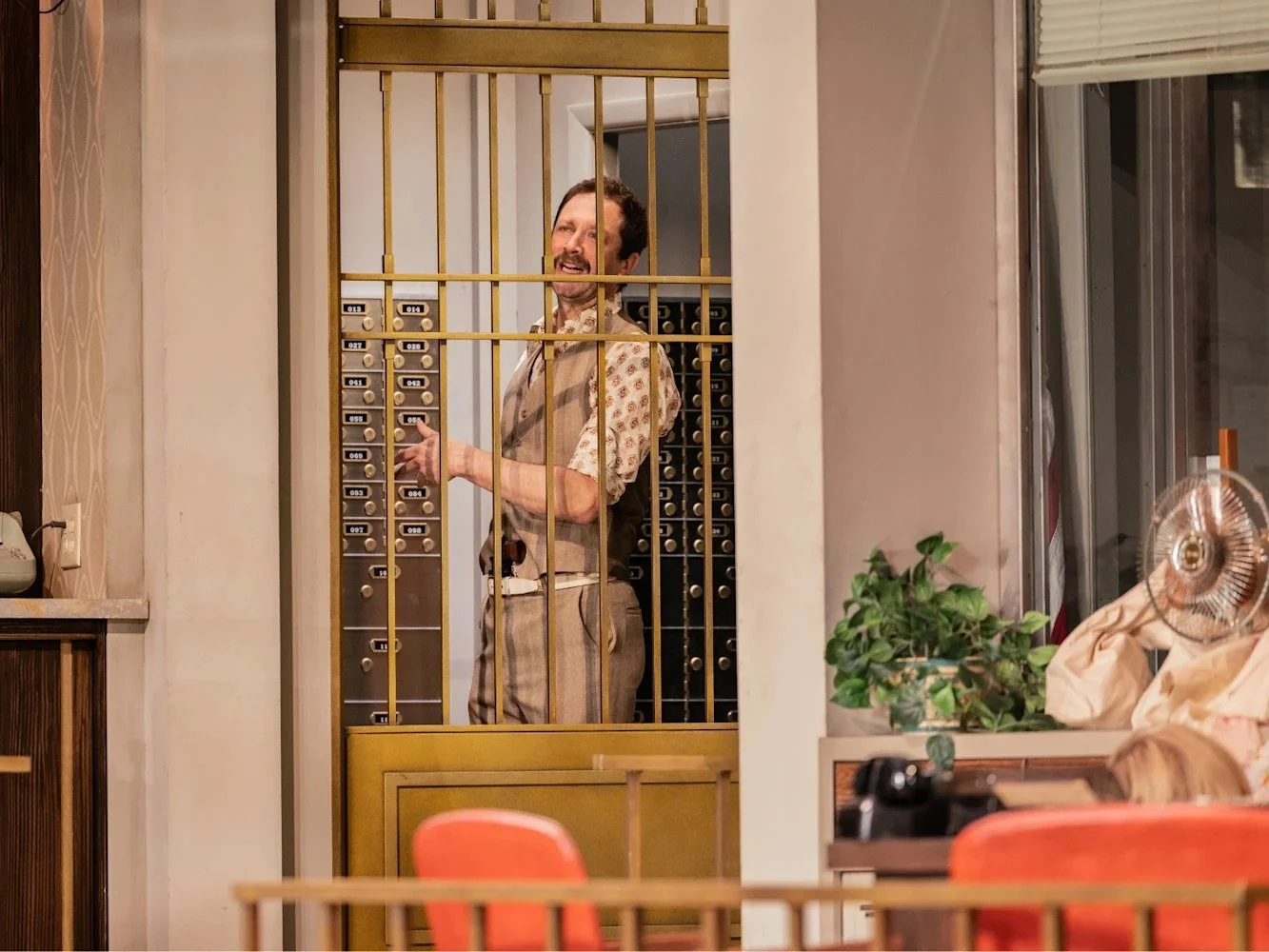
The film and play have two primary settings: the inside of the bank and the street directly outside. The production employed a rotating center stage that cleverly swiveled in such a way that allowed the action to seamlessly shift from scenes inside the bank to those outside. The set design for the bank’s interiors has a vintage 1970s feel that was slightly more stylish than the utilitarian design in the movie. I give the designer big props on the attention to detail, such as the metal self-deposit drawer outside the bank, the stained, weather-beaten sidewalk, and the classic silver and black fire hydrant ubiquitous in NYC.
Lastly, we appreciated the series of early 1970s David Bowie songs used as transition music in between scenes. My favorite musical moment? The brief nod to Elton John’s “Amoreena,” which plays over the opening montage of the 1975 movie.
Dog Day Afternoon was nominated for Best Scenic Design of a Play, Best Costume Design of a Play, and Best Lighting Design of a Play at the 2026 Tony Awards.
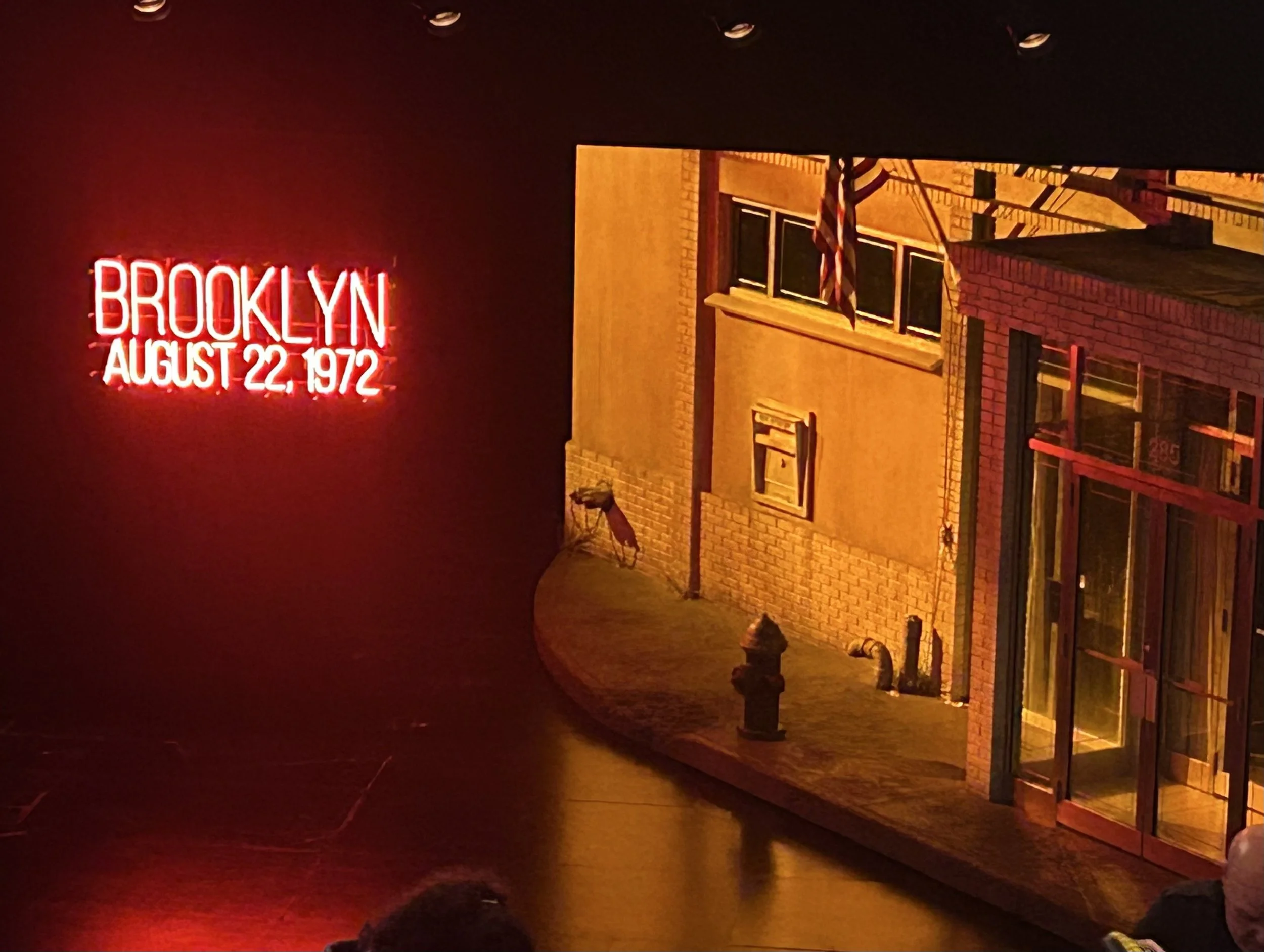
The exterior of the bank.
Cast (abridged)
John Bernthal – Sonny
Ebon Moss-Bachrach – Sal
John Ortiz – Detective Fucco
Jessica Hecht – Colleen
Spencer Garett – Sheldon
Michael Kostroff – Butterman
Elizabeth Canavan – Roxxanna/Sonny’s Mom/Gloria
Esteban Andres Cruz – Leon
Danny Johnson – Mr. Eddy
Paola Lazaro – Guadalupe
Wilemina Olivia-Garcia – Lorna
Crew (abridged)
Writer – Stephen Adly Guirgis
Director – Rupert Goold
Costume Design – Brenda Abbandandolo
Scenic Design – David Korins
Dialect Coach - Kate Wilson
Isabelle Byrd - Lighting Design
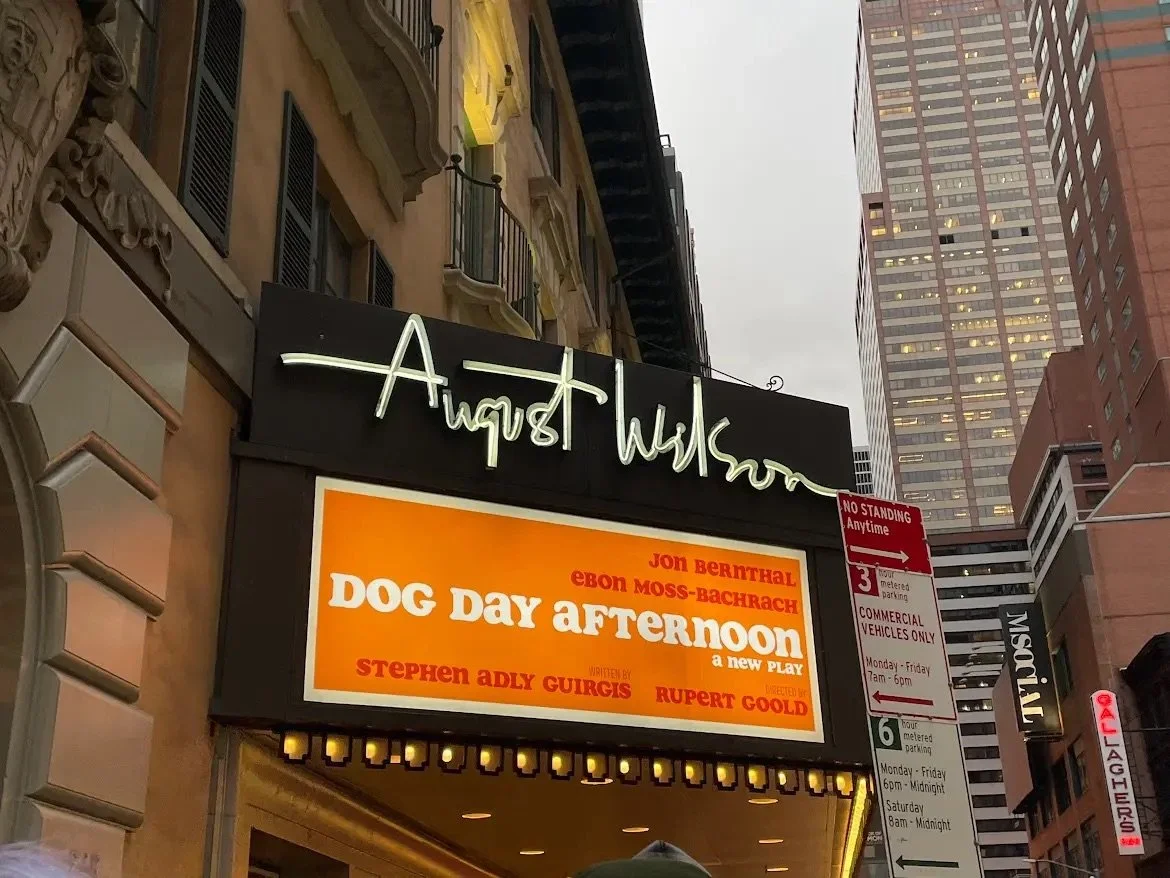
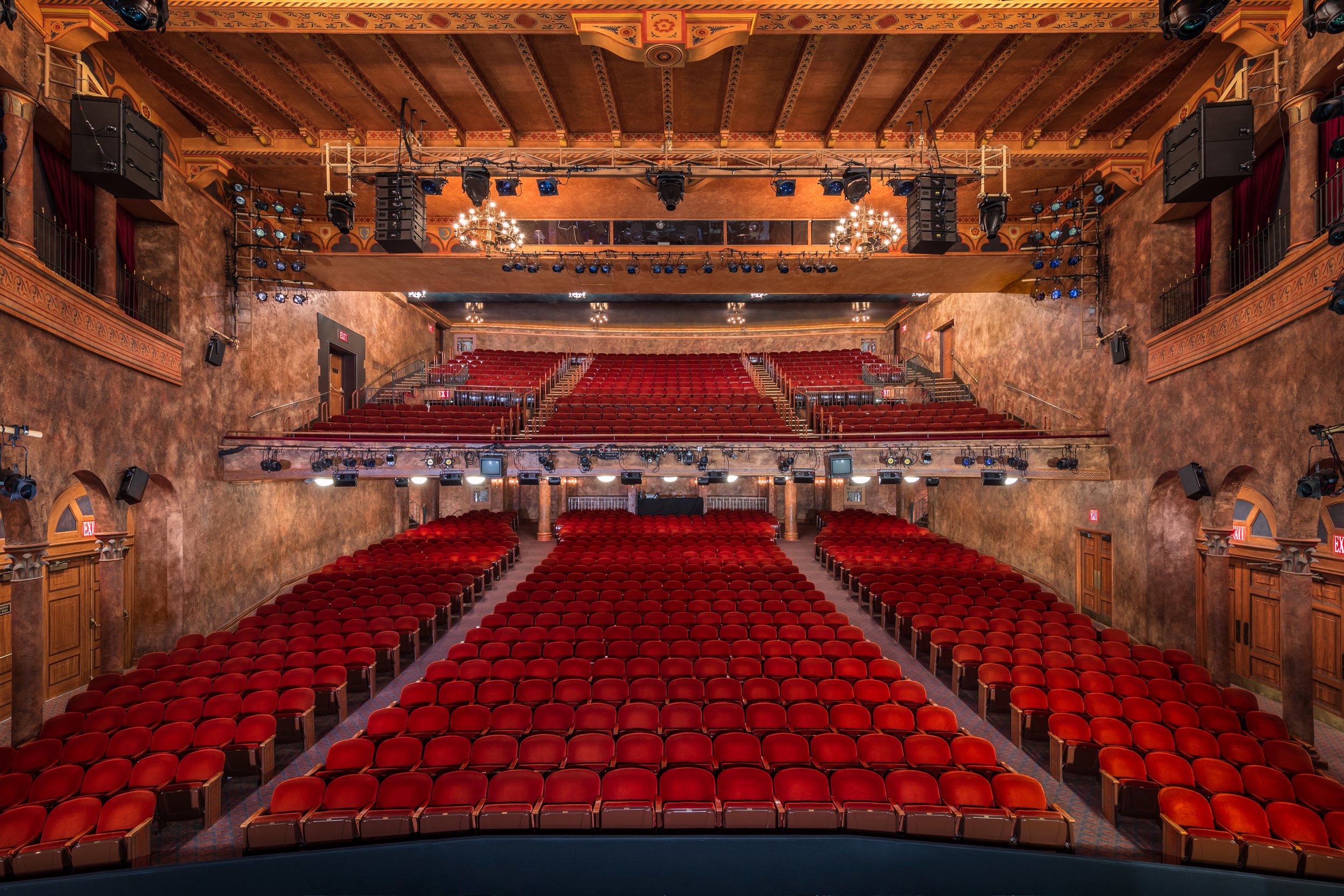
Exterior and interior of the August Wilson Theater.
The play has received mixed reviews and is far from perfect but we still recommend checking it out. Dog Day Afternoon has only five weeks left on its limited run so get your tickets today.
Details:
Location: The August Wilson Theater on 245 West 52nd Street, between 7th & 8th Avenue in Manhattan’s Theater District.
Run time: 2h, 15m with one intermission
For more information visit: dogdayafternoon.com
We are particularly curious to hear what fans of the film have to say about the play, so please report back! In the meantime, Happy Pride Month from Concentric Cinema!