A Man Apart: Taxi Driver (1976)
Cinematic Semicentennial Series – 1976 edition
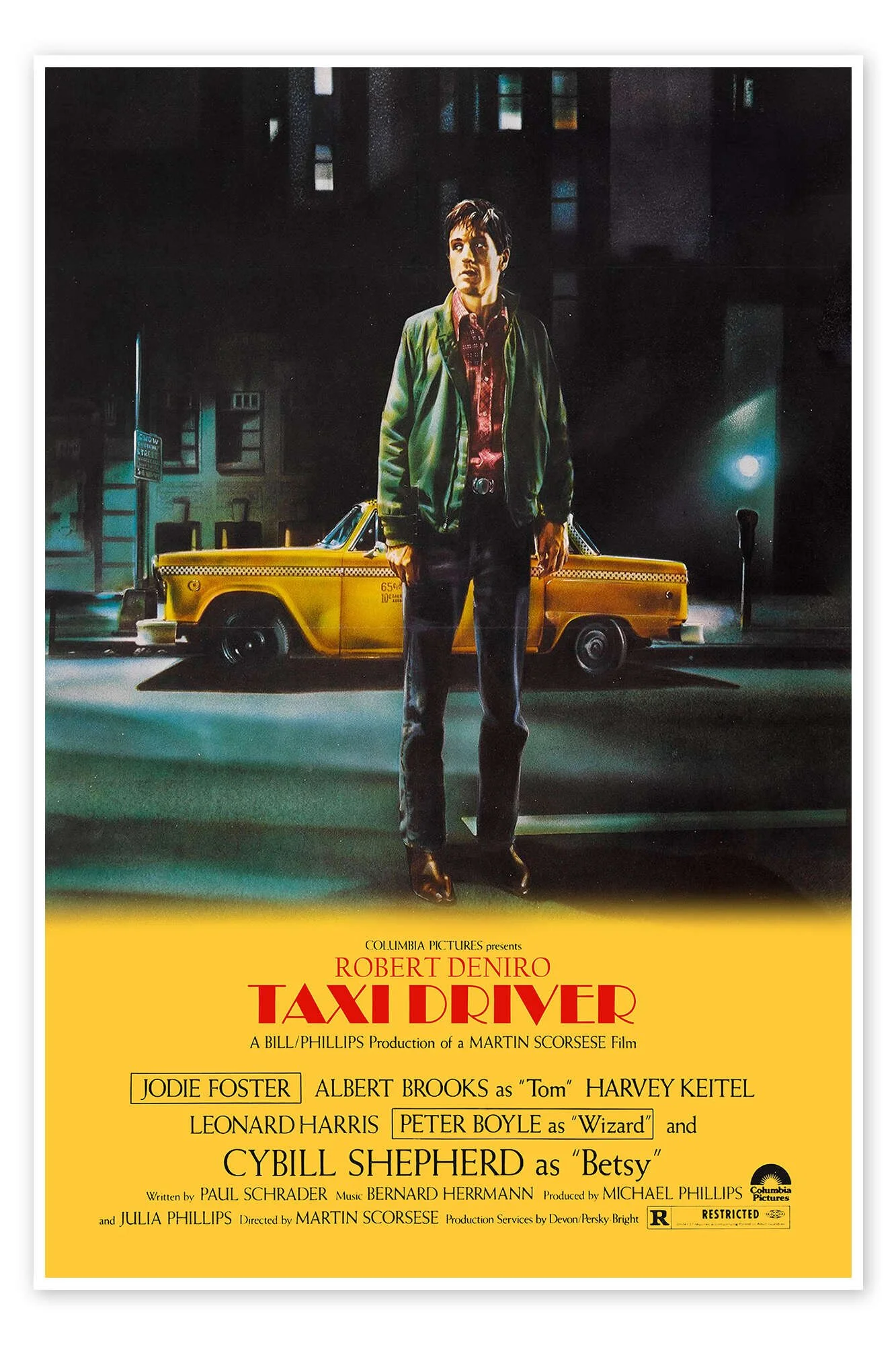
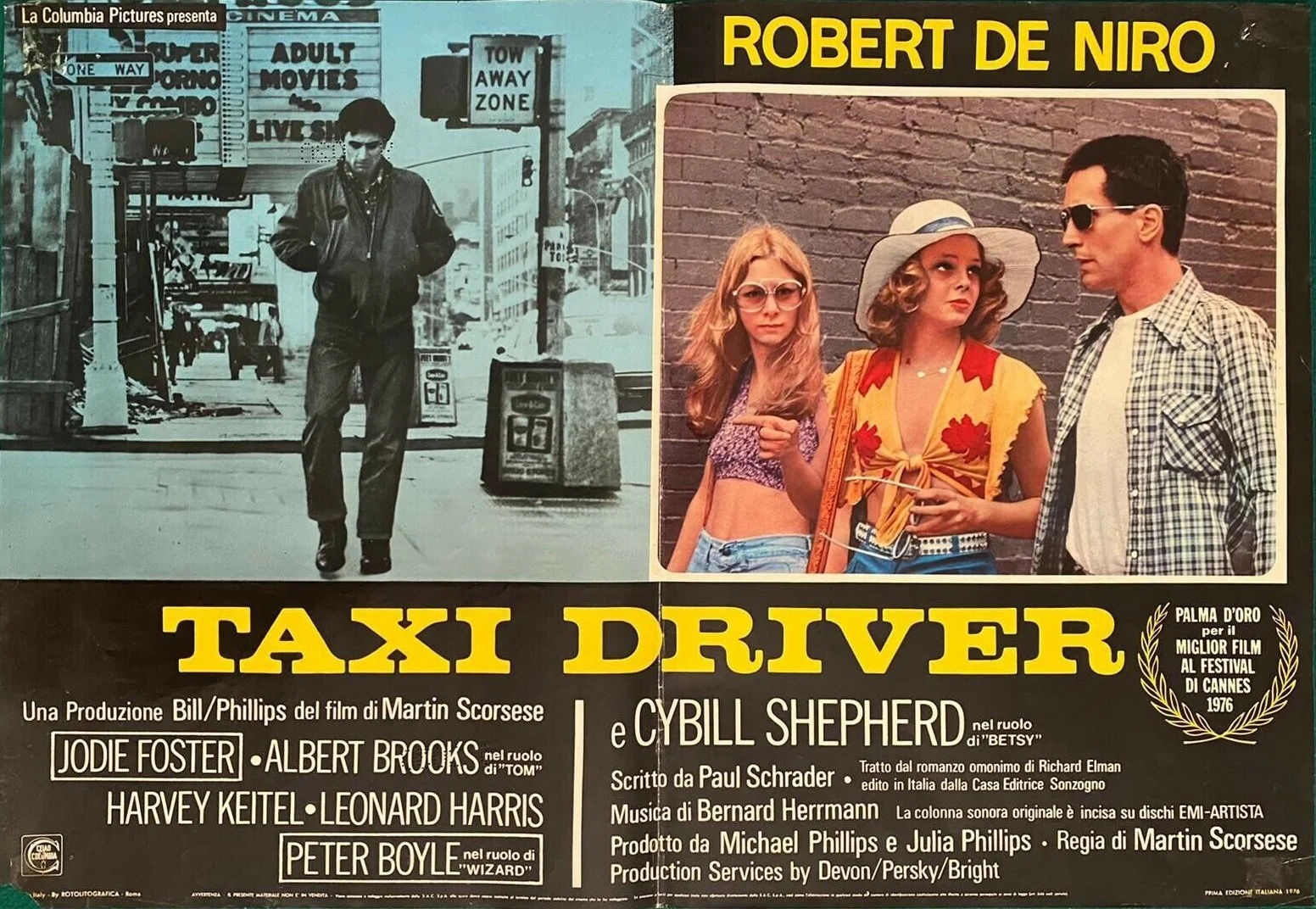
Original poster art for Taxi Driver
We kick off the 1976 edition of our Cinematic Semicentennial Series with a sweltering, mid-1970s New York City summer film (yes, another one of those). This is likely to be the most critically lauded and well-trodden movie we cover in this year’s series, but to be fair we are talking about Taxi Driver and this is one stop we could not miss.
Frayed at the fringes
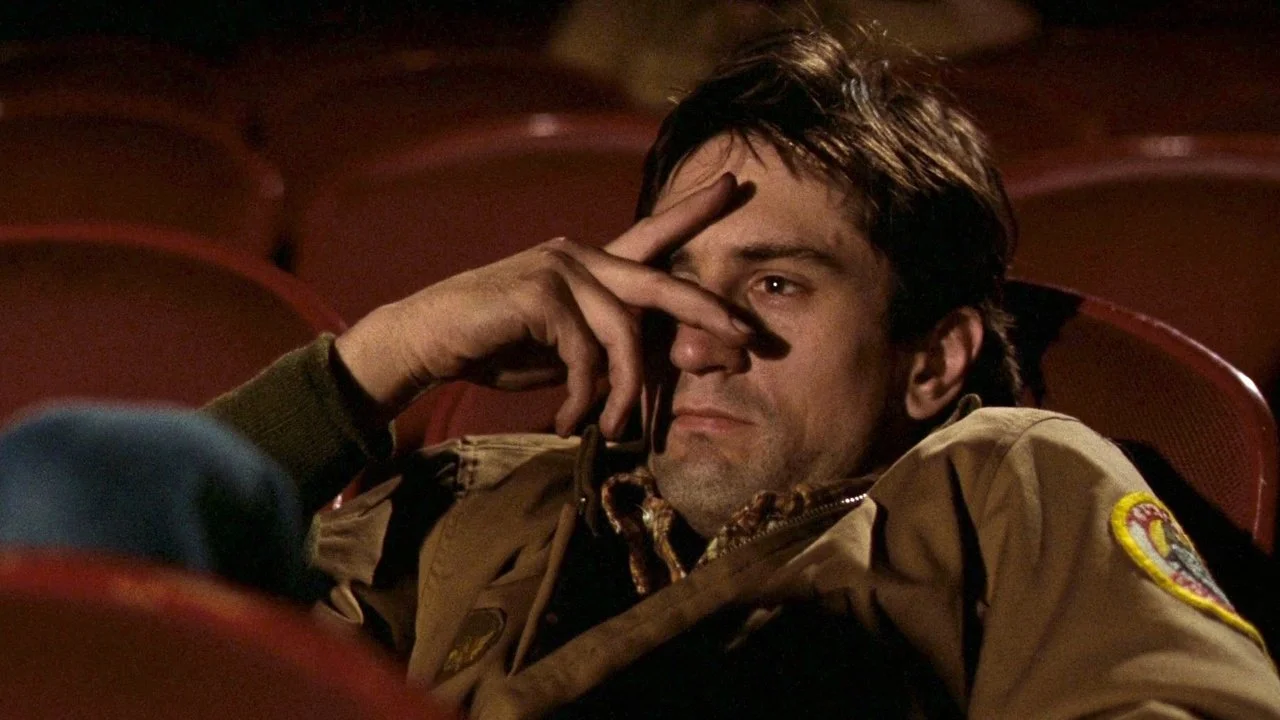
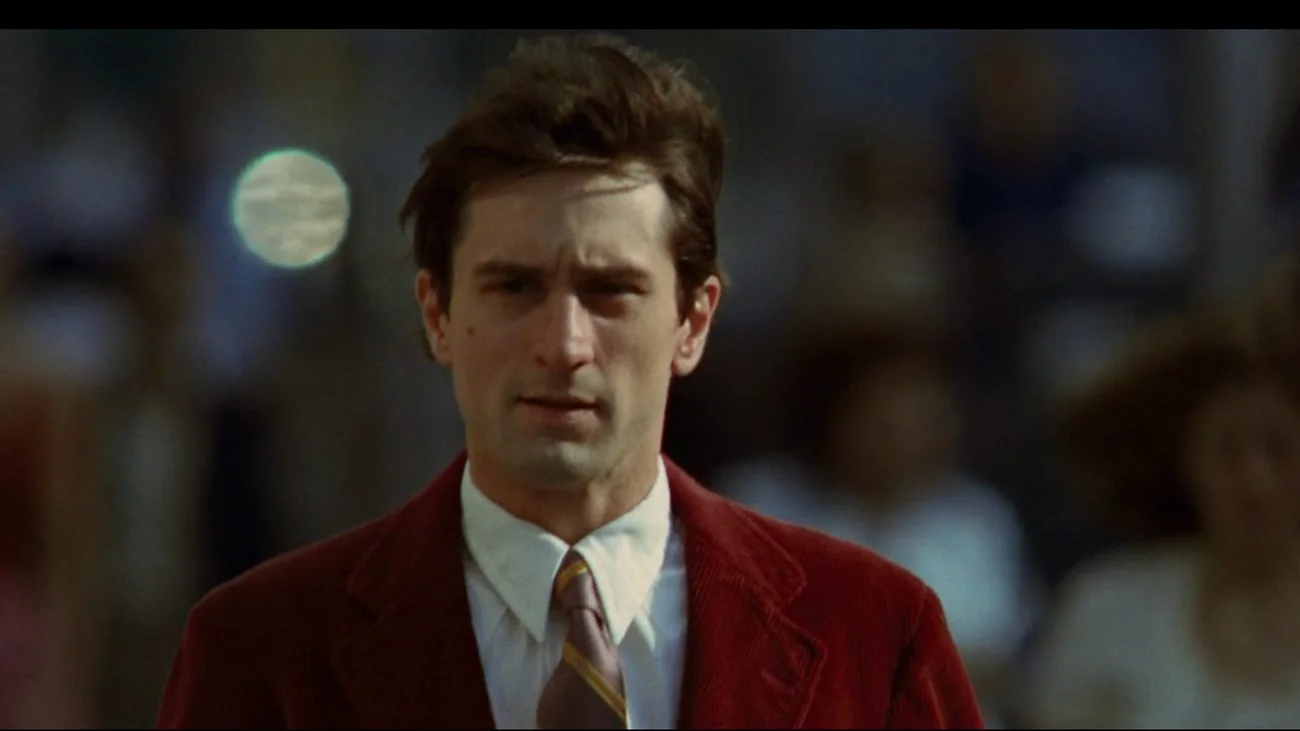
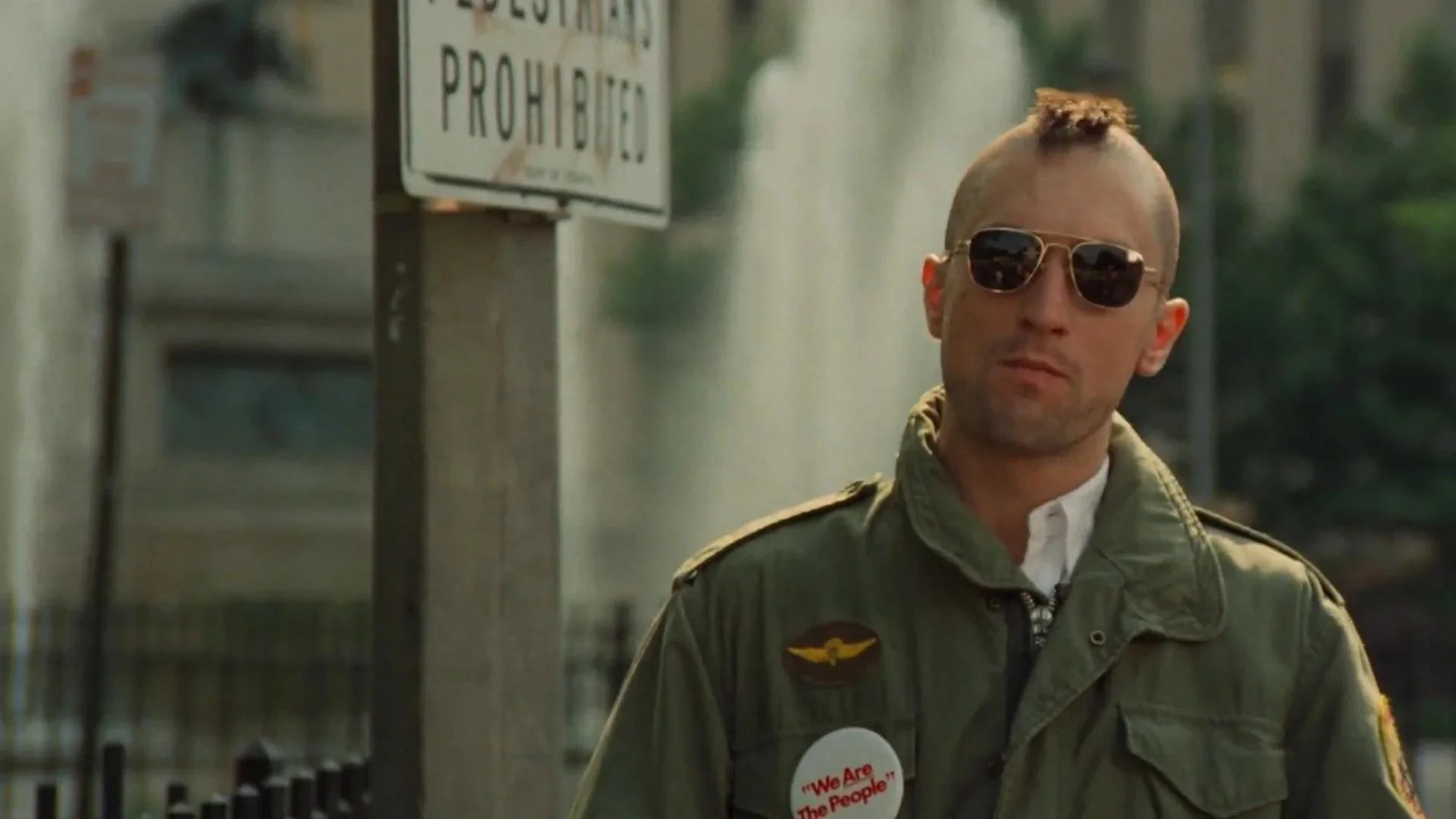
Social outcast; antihero; vigilante; symbol of post-Vietnam disillusionment. Our protagonist Travis Bickle (Robert De Niro) is one of the the most recognizable and emblematic characters from 1970s cinema. For the uninitiated, Travis is a 26-year-old ex-Marine who served in Vietnam. He suffers from chronic insomnia, mental health issues, social isolation, frayed nerves, and a major case of arrested development.
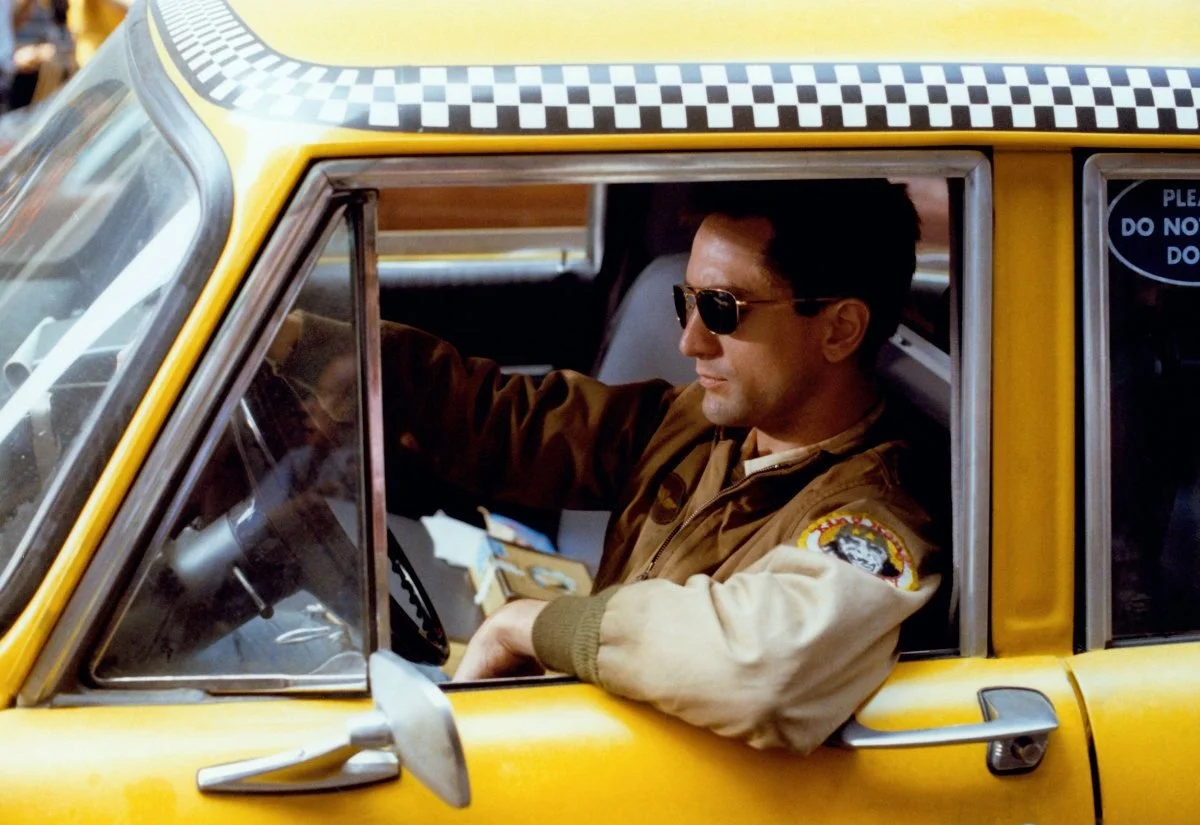
Travis takes up an overnight taxi driving gig to occupy his time and his racing mind, which begins to fixate on the sordid activities, sketchy characters, and underbelly of New York City night life. We get the sense that Travis already had a reactionary bent before getting behind the wheel but he ultimately throws most of his fellow New Yorkers into one contemptuous bucket. The current state of Travis’s psyche is revealed through voice-over entries from his diary where his antisocial ideas are given full expression. Below is an excerpt from one these entries; it’s a bit long but clearly illustrates his mental state:
“May 10th. Thank God for the rain, which has helped wash away the garbage and trash off the sidewalks. I'm workin' long hours now, 6:00 in the afternoon to 6:00 in the morning—sometimes even 8:00 in the morning. Six days a week—sometimes seven days a week. It's a long hustle, but it keeps me real busy. I can take in three, three-fifty a week—sometimes even more—when I do it off the meter. All the animals come out at night: whores, skunk pussies, buggers, queens, fairies, dopers, junkies... sick, venal. Someday, a real rain will come and wash all this scum off the streets. I go all over. I take people to the Bronx, Brooklyn, I take 'em to Harlem. I don't care. Don't make no difference to me. It does to some; some won't even take spooks. Don't make no difference to me.”
(Few) friends, lots of enemies
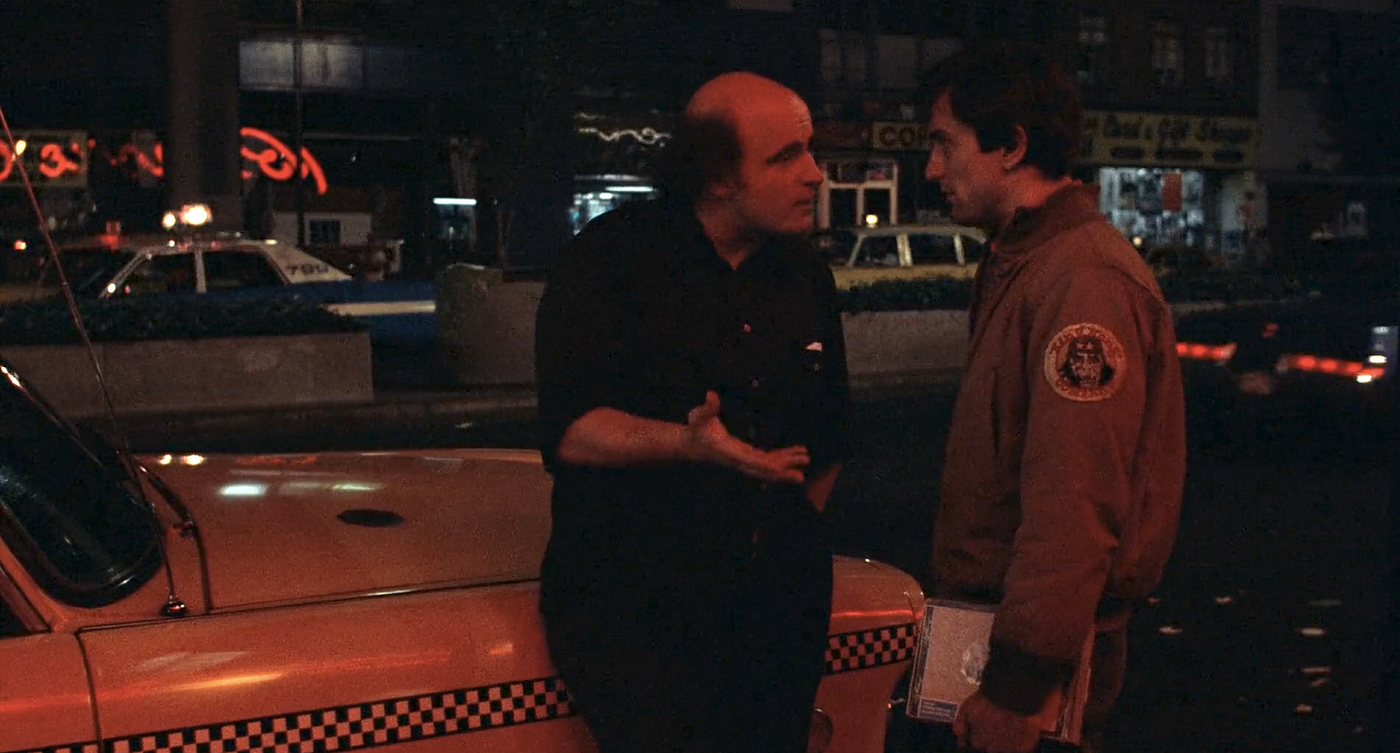
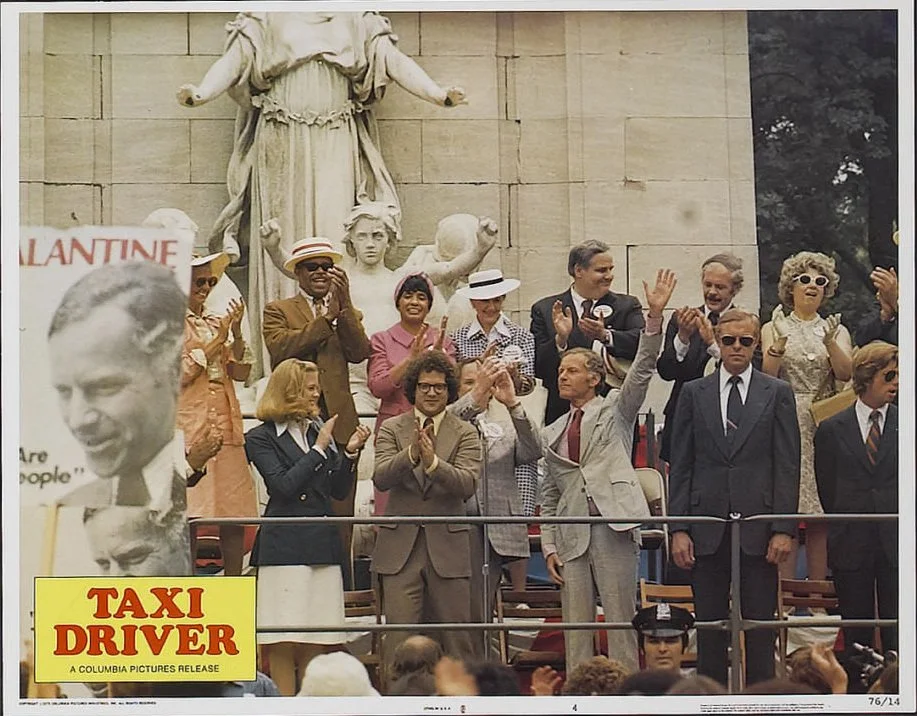
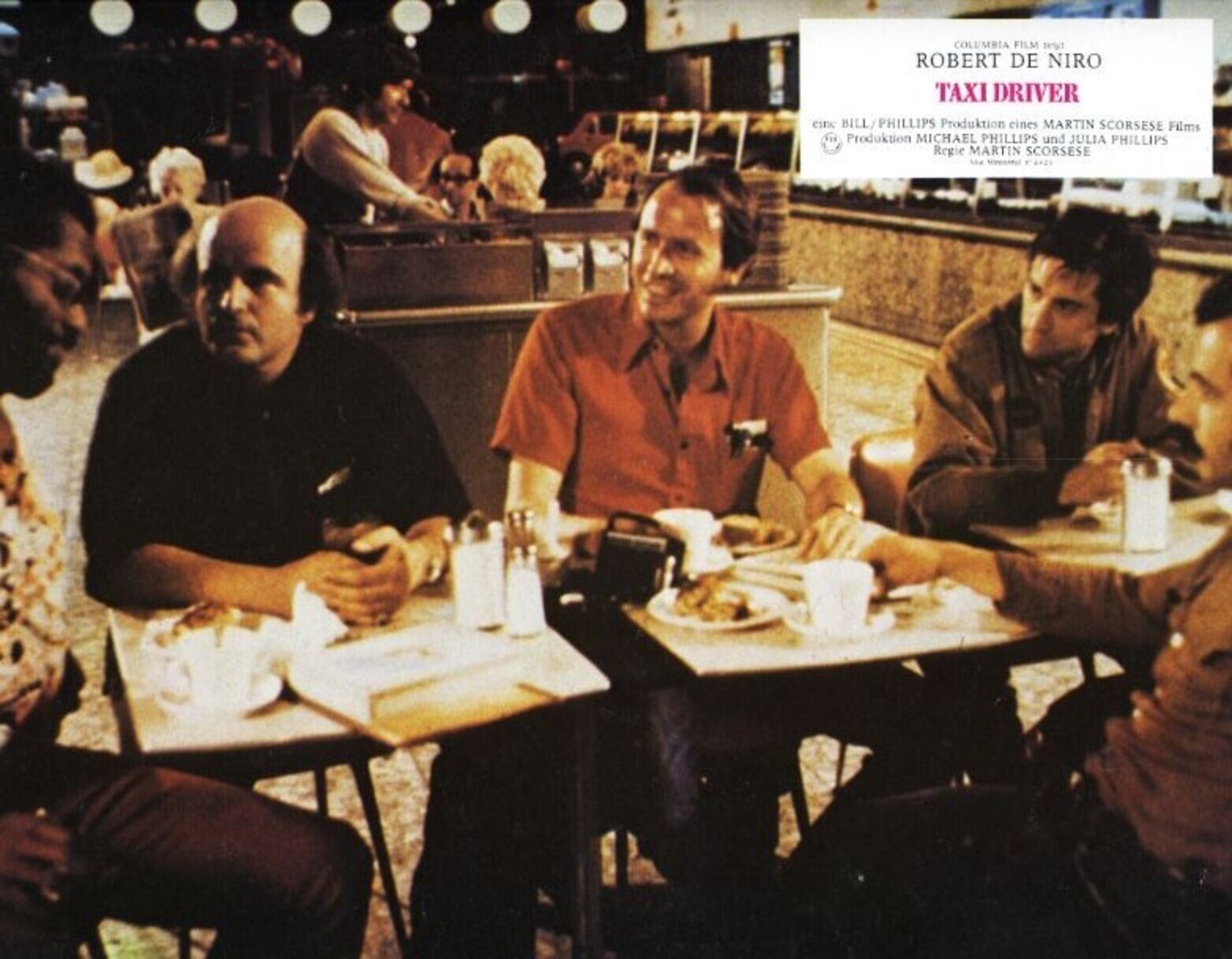
Travis sees vice and criminality in all forms as he picks up fares on the hot, humid, and lurid summer streets of New York. He encounters a cross section of late night society including prostitutes, pimps, world-weary fellow cabbies, bodega owners, drug addicts, gun dealers, and even a politician who plays into the story in ways that I won’t reveal here.
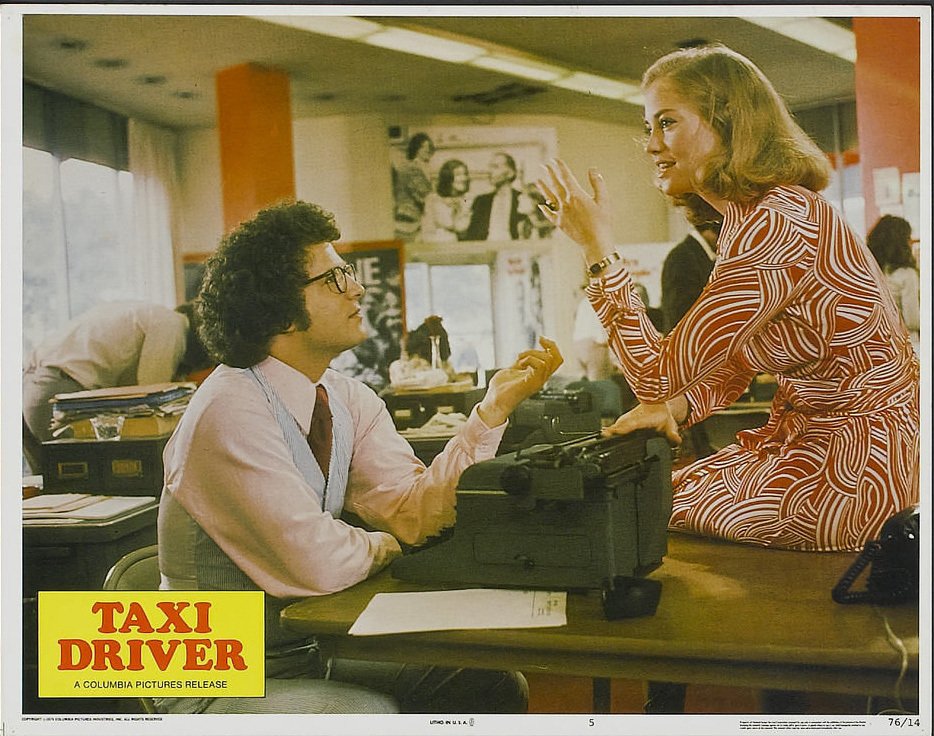
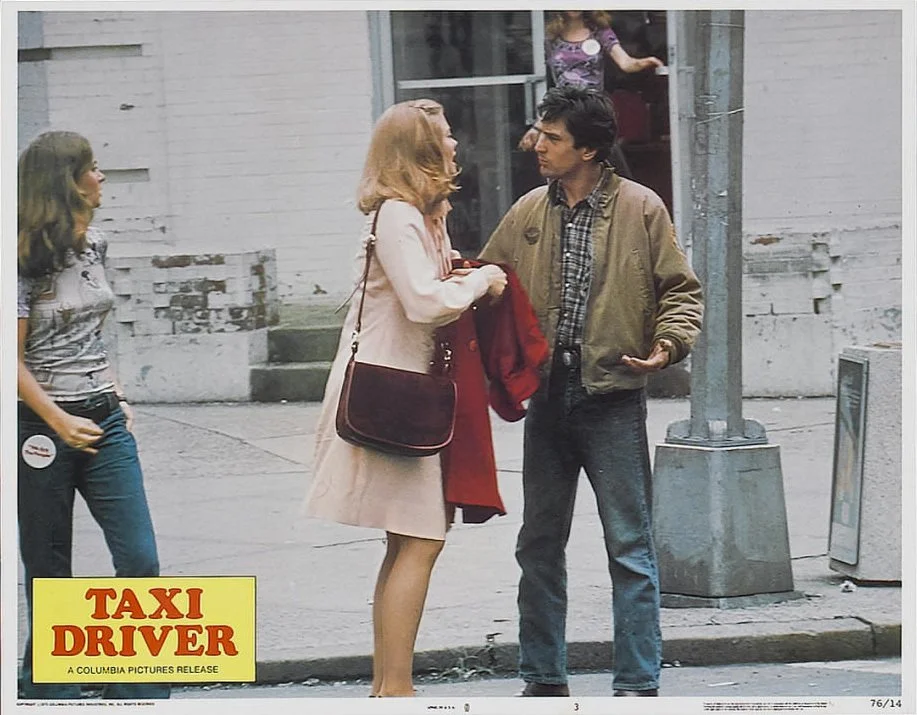
Travis does attempt to connect with a few characters, albeit from a naïve and emotionally stunted perspective. He attempts to court Betsy (Cybill Shepherd), a political campaign worker who captivates him after he spots her from an office window. Betsy is fascinated by Travis for his direct and unfiltered communication style. Their burgeoning relationship is cut short, however, following a lapse in judgement on Travis’ behalf and a disconcerting turn in his social behavior.
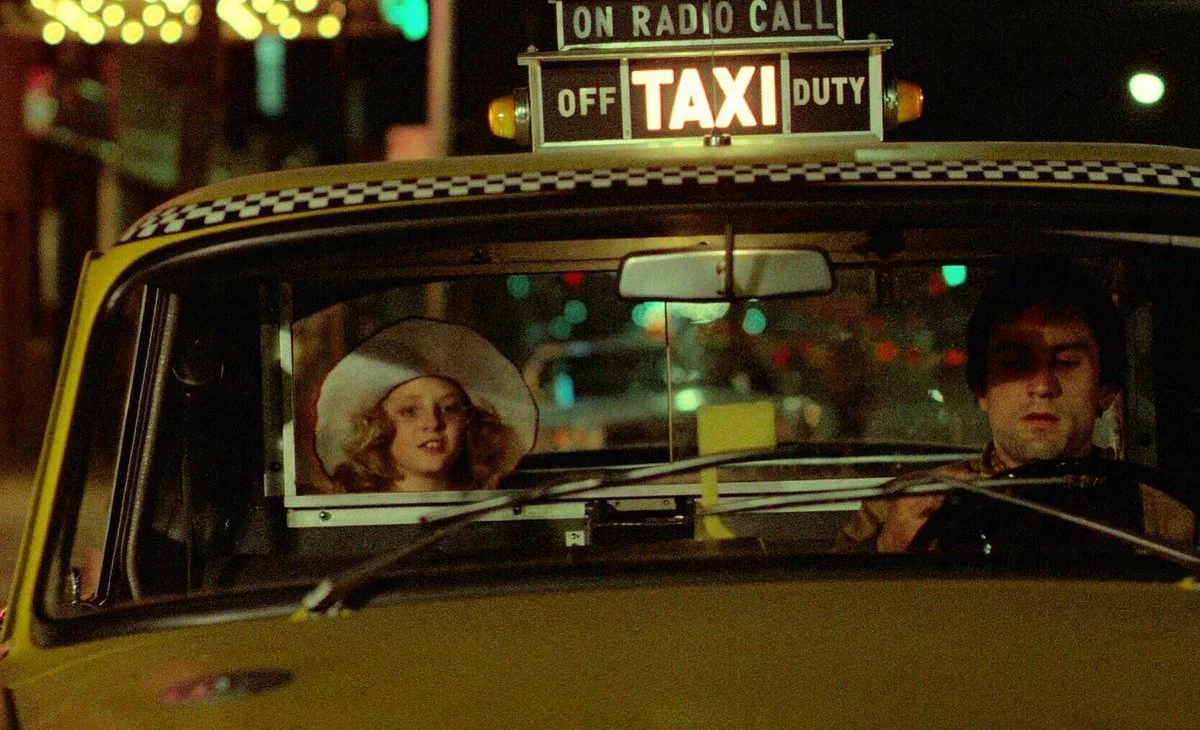
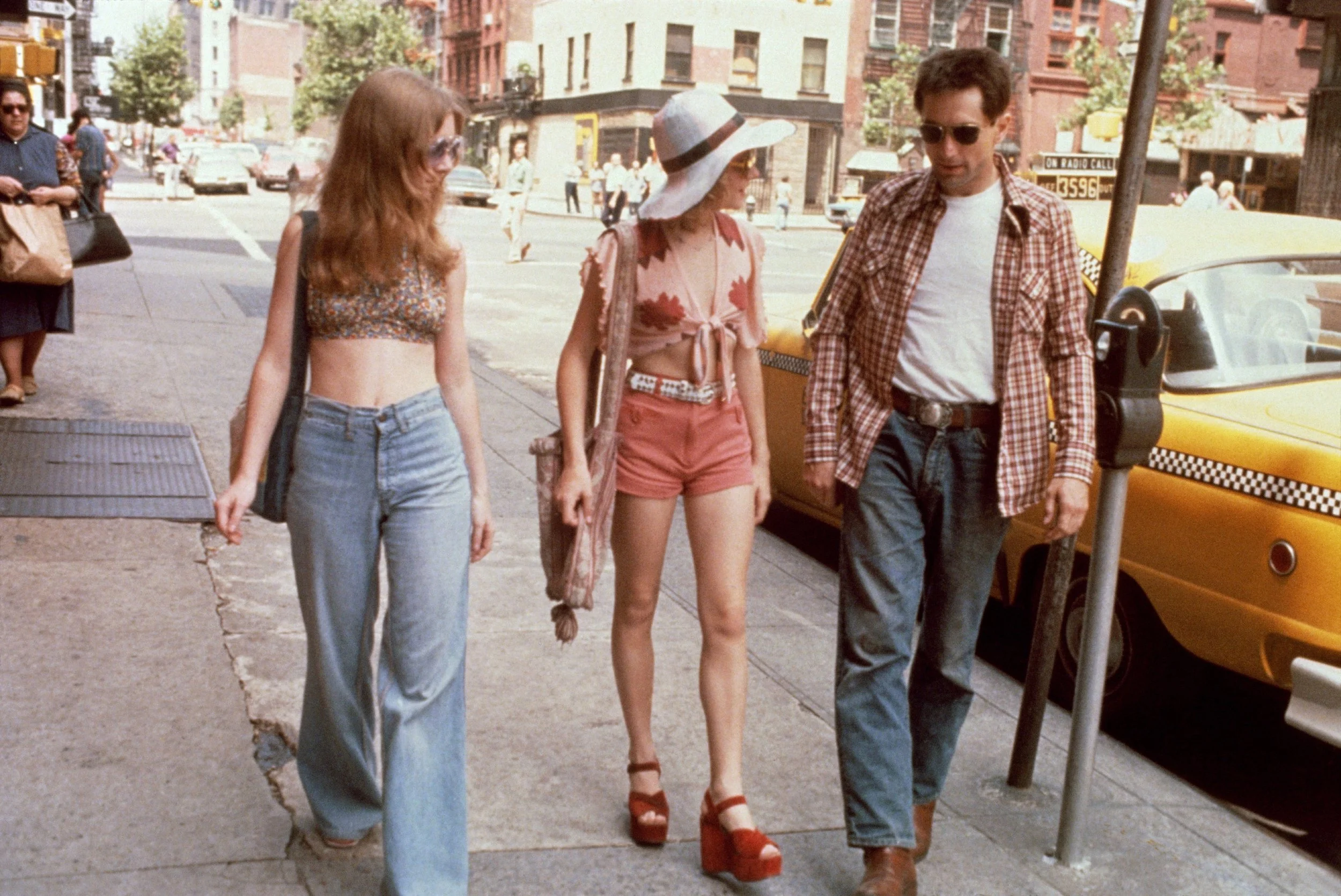
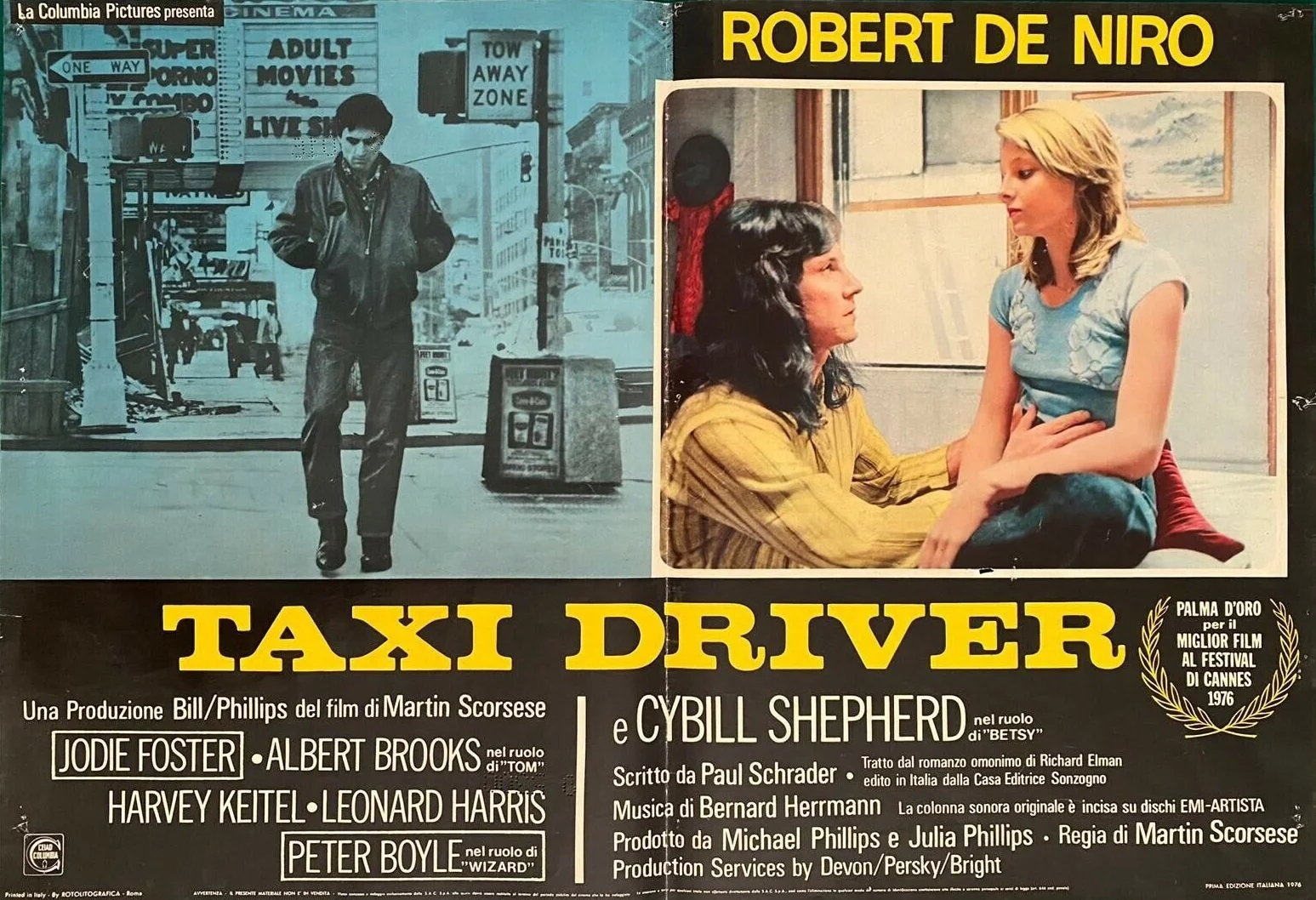
While most people elicit Travis’s loathing, an underage prostitute by the name of Iris Steensma (Jodie Foster) draws his concern. He is not interested in being her customer but rather in rescuing the 12-year-old Iris from a life of exploitation. The two become something akin to friends, though it is clear that extracting Iris from this life will be more difficult than he could imagine. Meanwhile, Travis becomes increasingly frustrated and angry at the world around him, and begins to entertain acting in response.
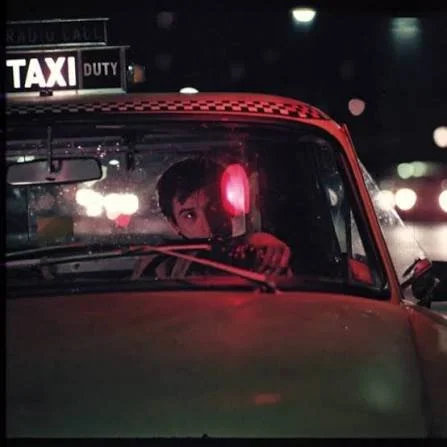
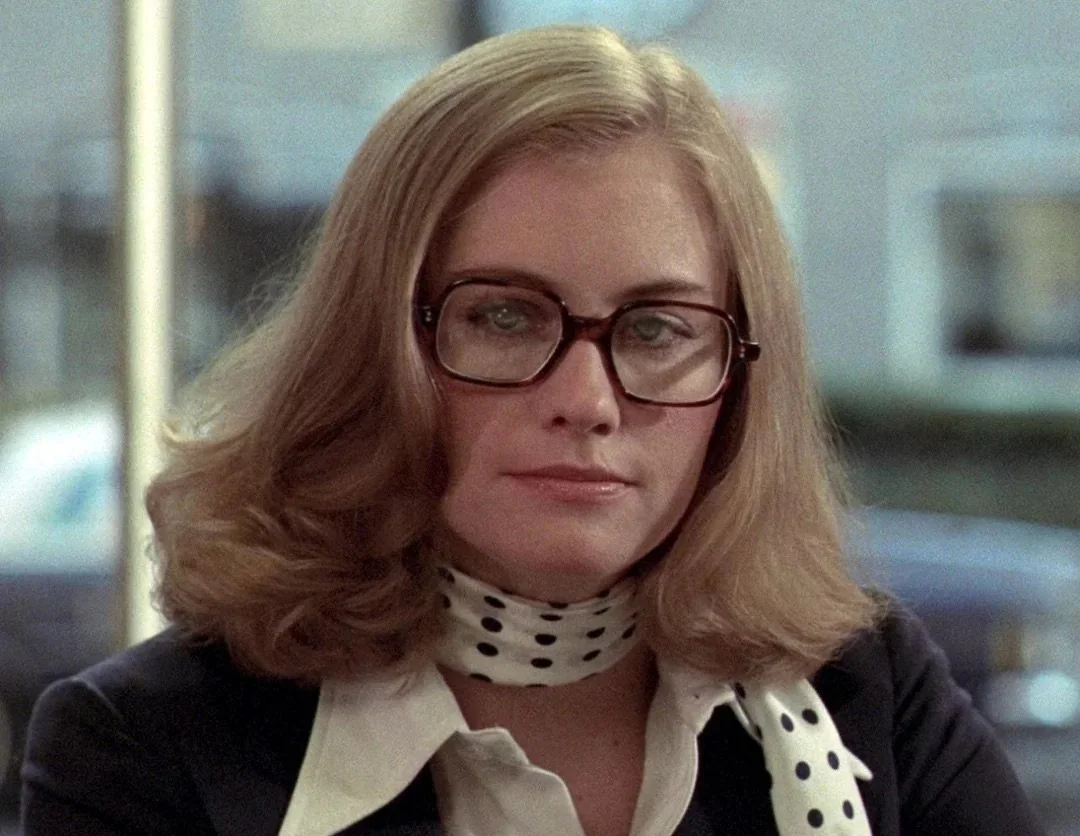
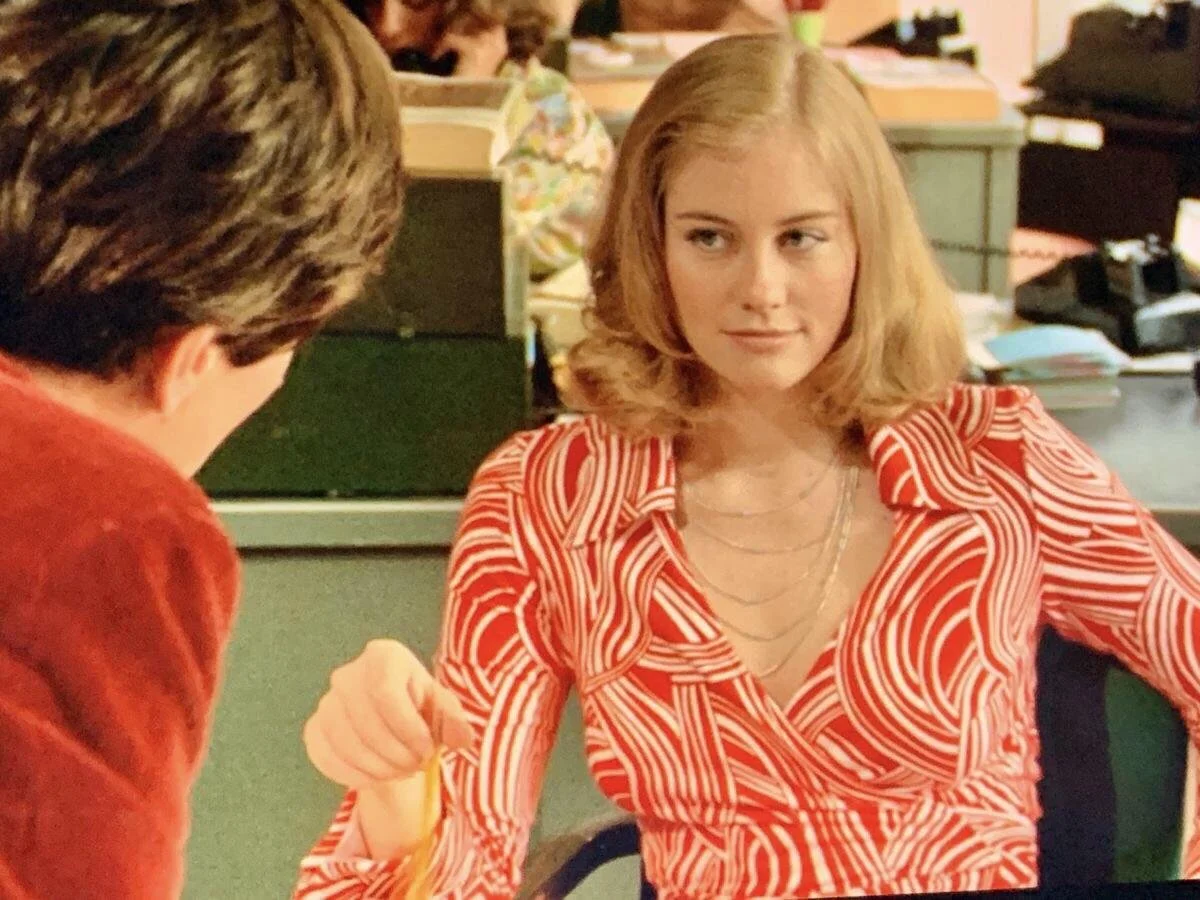
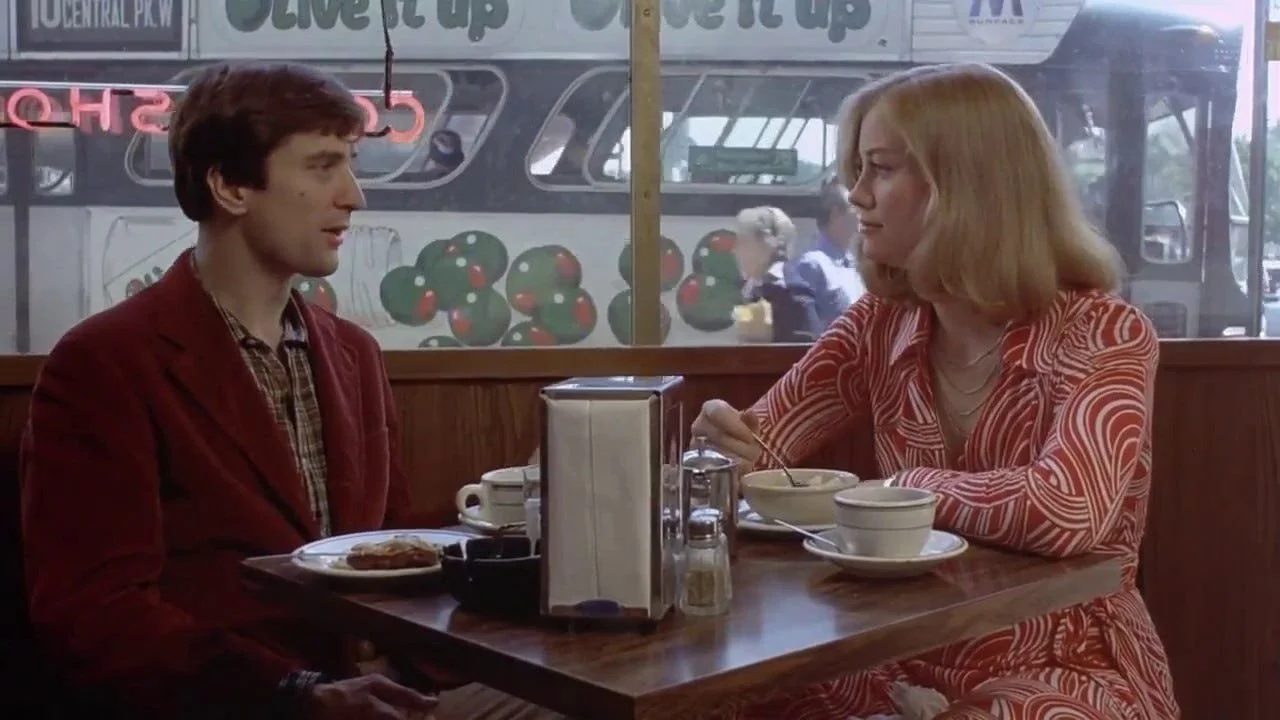
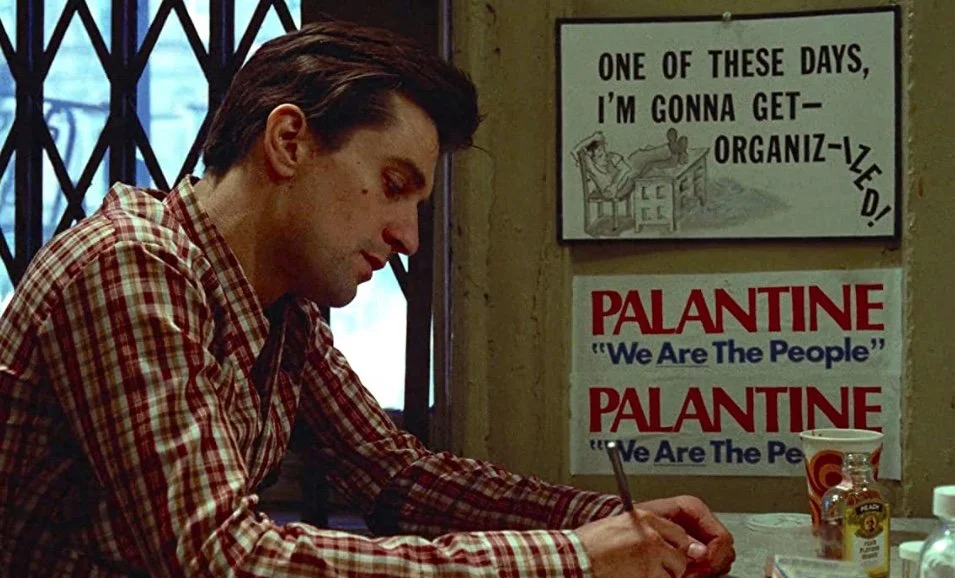
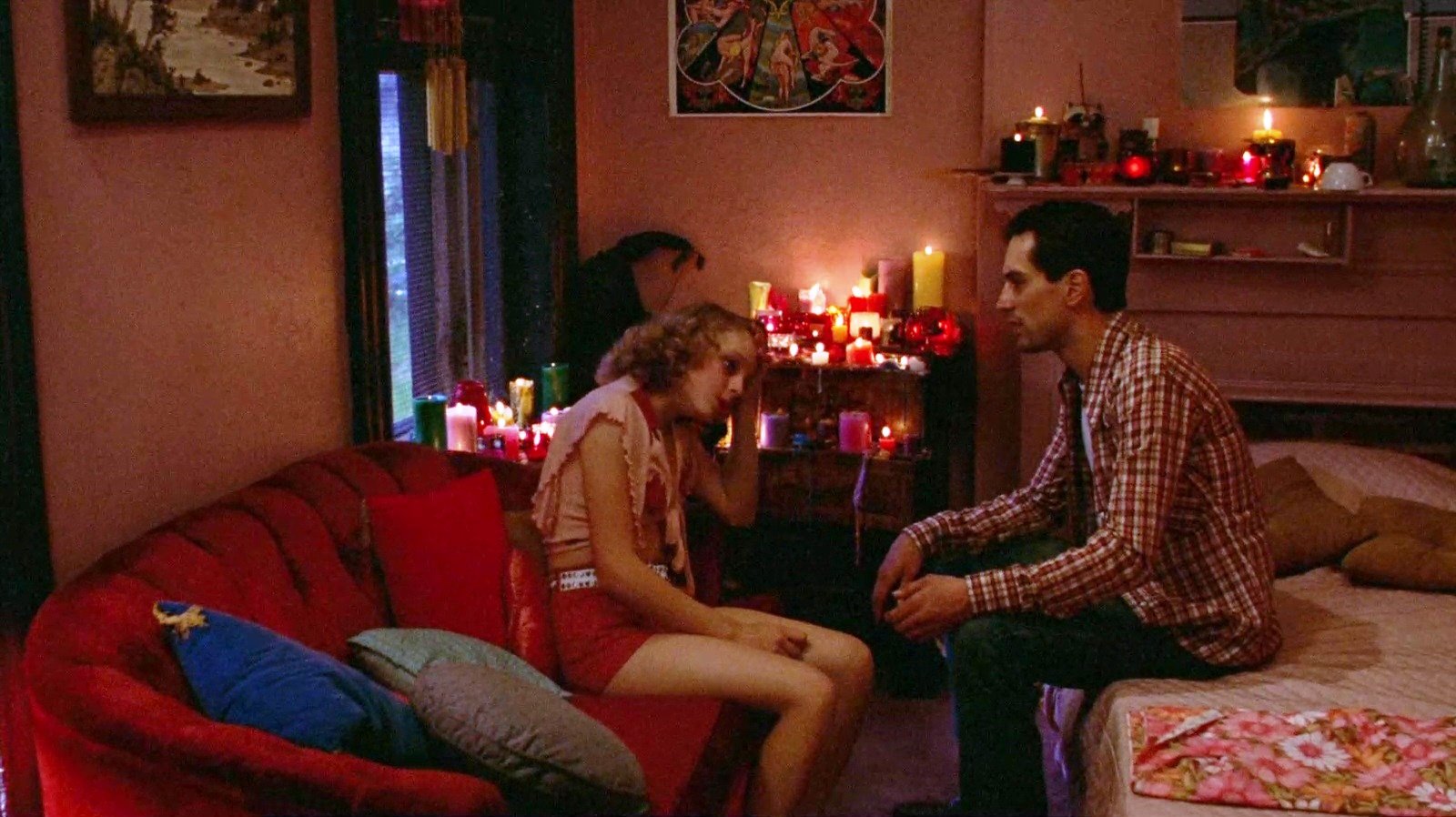
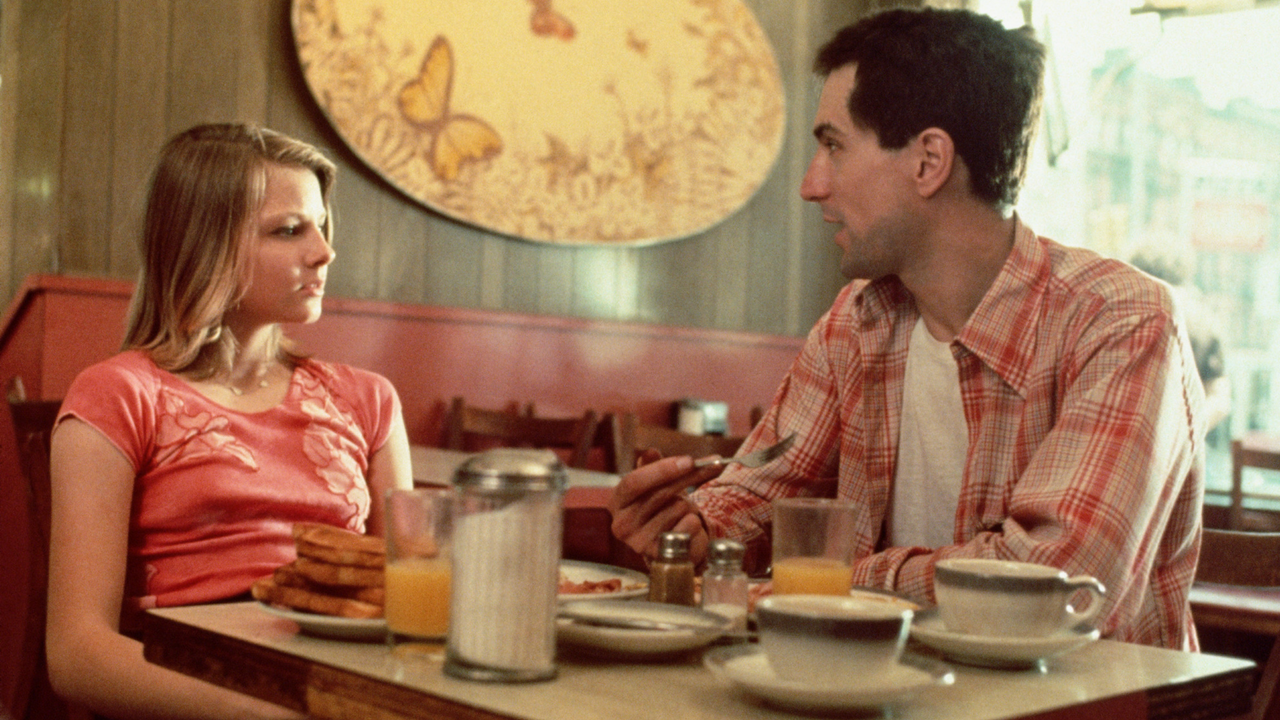
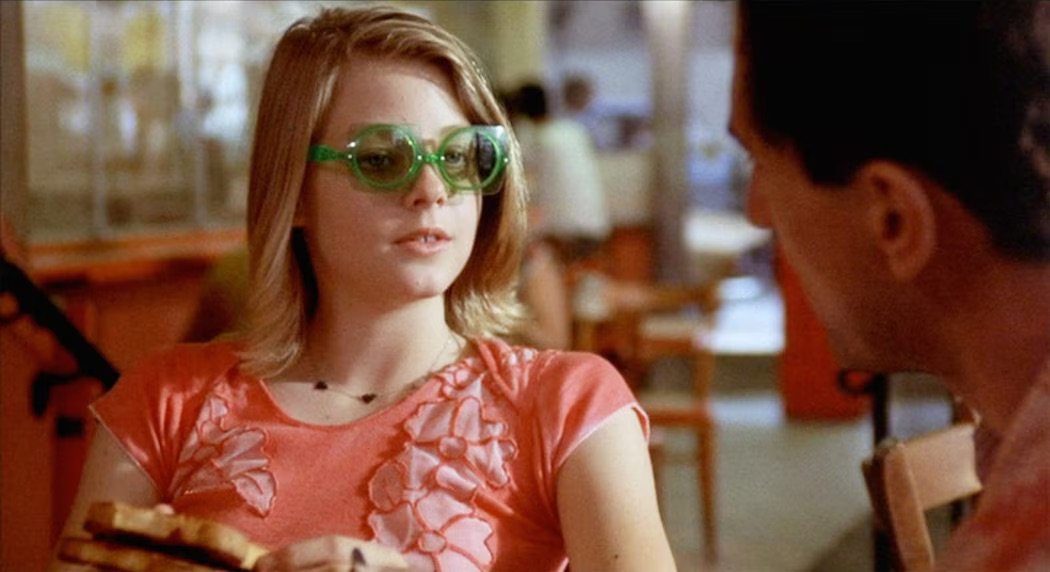
“Now I see this clearly. My whole life is pointed in one direction. There never has been a choice for me.” -Travis
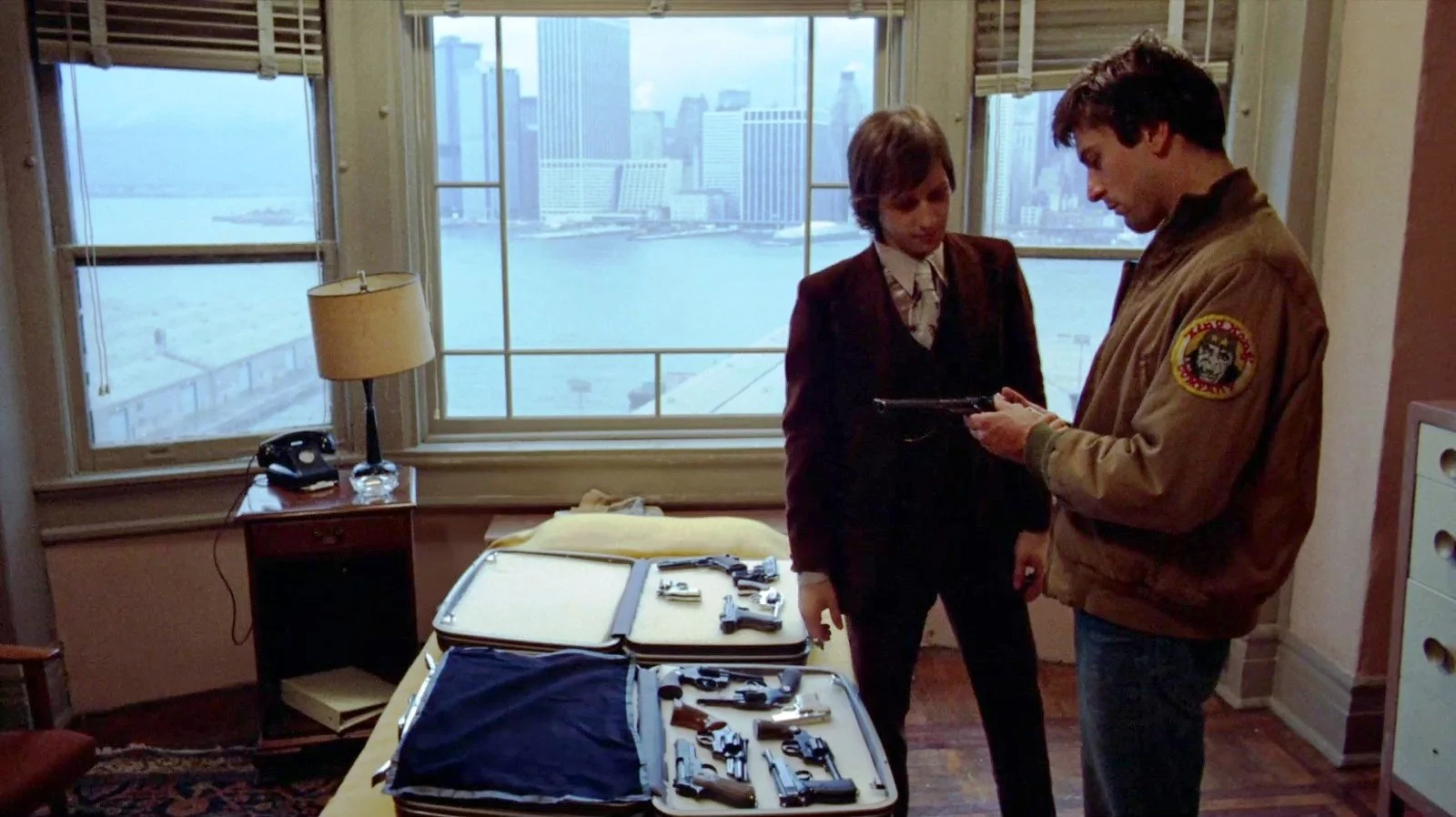
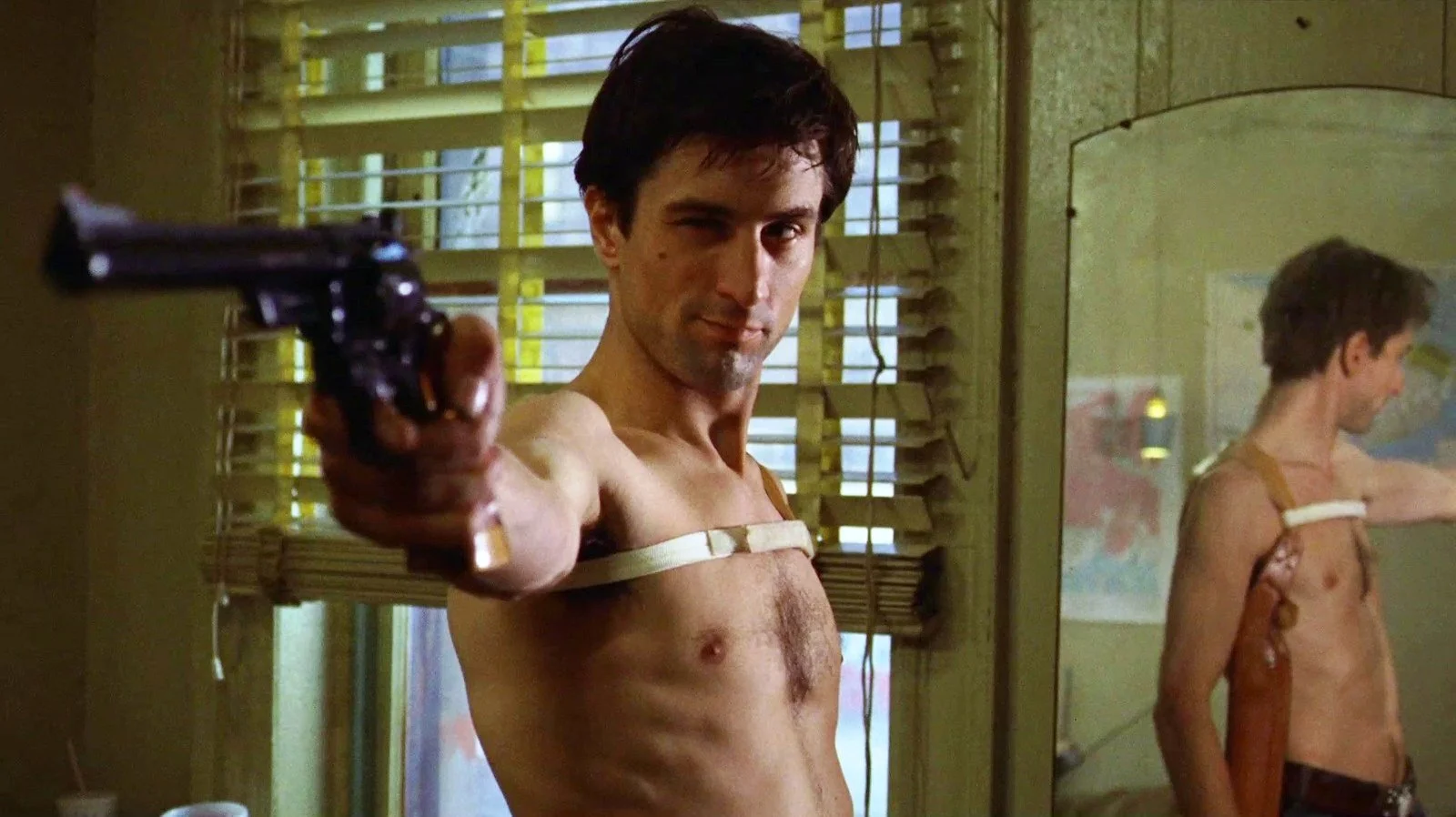
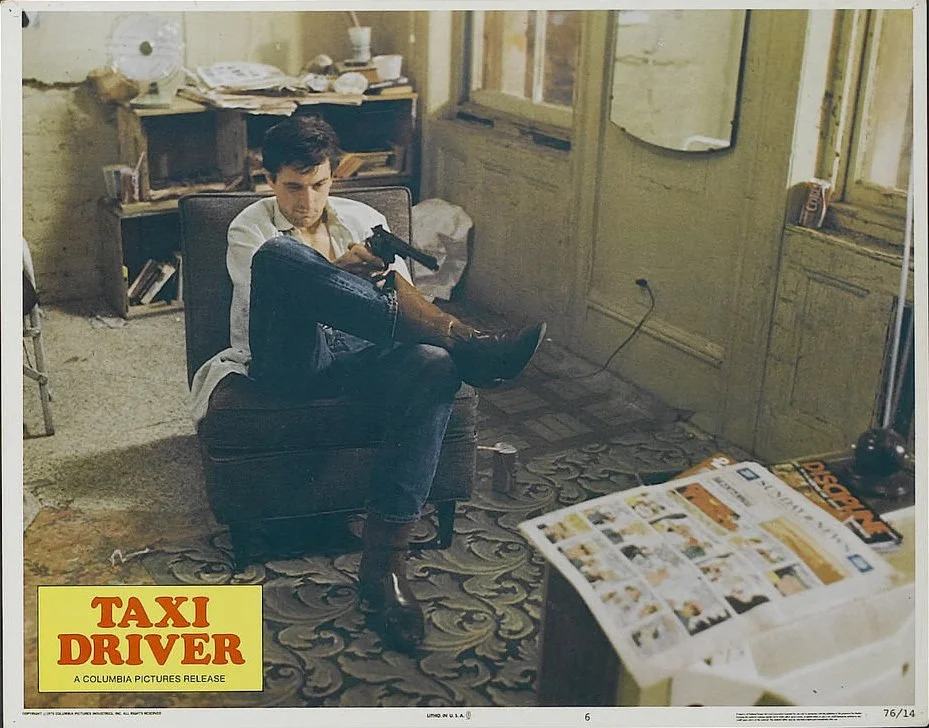
Travis ultimately has an epiphany of sorts. It is time to “stand up” and take bold action. He eschews junk food, pills, and a sedentary lifestyle for exercise, organization, and clean living. On the face of it, this all sounds commendable; however, Travis undertakes this shift to prepare for a decisive and violent act. In one disquieting and darkly comic scene, Travis meets with a shady arms dealer and procures a small arsenal of firearms and accessories. In an iconic subsequent sequence he gears up and practices his quick draw techniques in front of a mirror in his ramshackle apartment, as if to steel himself for the mission ahead. We can guess where this all headed, and suffice to say that a deadly clash of some kind appears inevitable.

My two cents
Have you ever gotten tree sap or crazy glue on your hands? If so, you know it takes real effort to clean it off, and even then, a residue often lingers. This is the effect that Taxi Driver has on a viewer. Here is a film that is not easy to wash off, the sum impact of which is less about the intricacies of its plot and more about the prevailing mood: stifling and grim, with a lingering sense of volatility that pervades most of its run time. Make no mistake, this is a persistently bleak movie and yet no less mesmerizing because of it. I personally respond to films that establish and maintain a mood in a way that is immersive, and Taxi Driver certainly fits the bill.
The meter might be running but this film refuses to rush, embracing a deliberate pace and allowing for ample time to follow Travis on his antisocial odyssey. Even amongst the many memorable roles of Robert De Niro’s long and stellar career, Travis Bickle stands out as an emotionally stunted New York transplant carrying a Marine’s rucksack worth of resentments. While we may acknowledge that he holds some regressive and bigoted views, we feel a tingle of empathy for Travis who is fundamentally unequipped to function in the world. He flails at human connections and attempts to carve out some meaning and bring order to his life (as cringeworthy and disconcerting as those attempts may be). There is so much more to unpack about our antihero, but for the sake of economy we will direct you to the supplements for great pieces that dive deep into his character.
How a 12-year-old Jodie Foster was able to portray Iris with such apparent ease, confidence, and authenticity is astonishing. Her role and the subject matter surrounding it have drawn their share of questions and controversy over the years—all part of Taxi Driver lore at this point. Foster has been consistently proud and appreciative of the early work she got on the movie. She credits De Niro with helping her embrace improvisationand inspiring her to pursue acting.
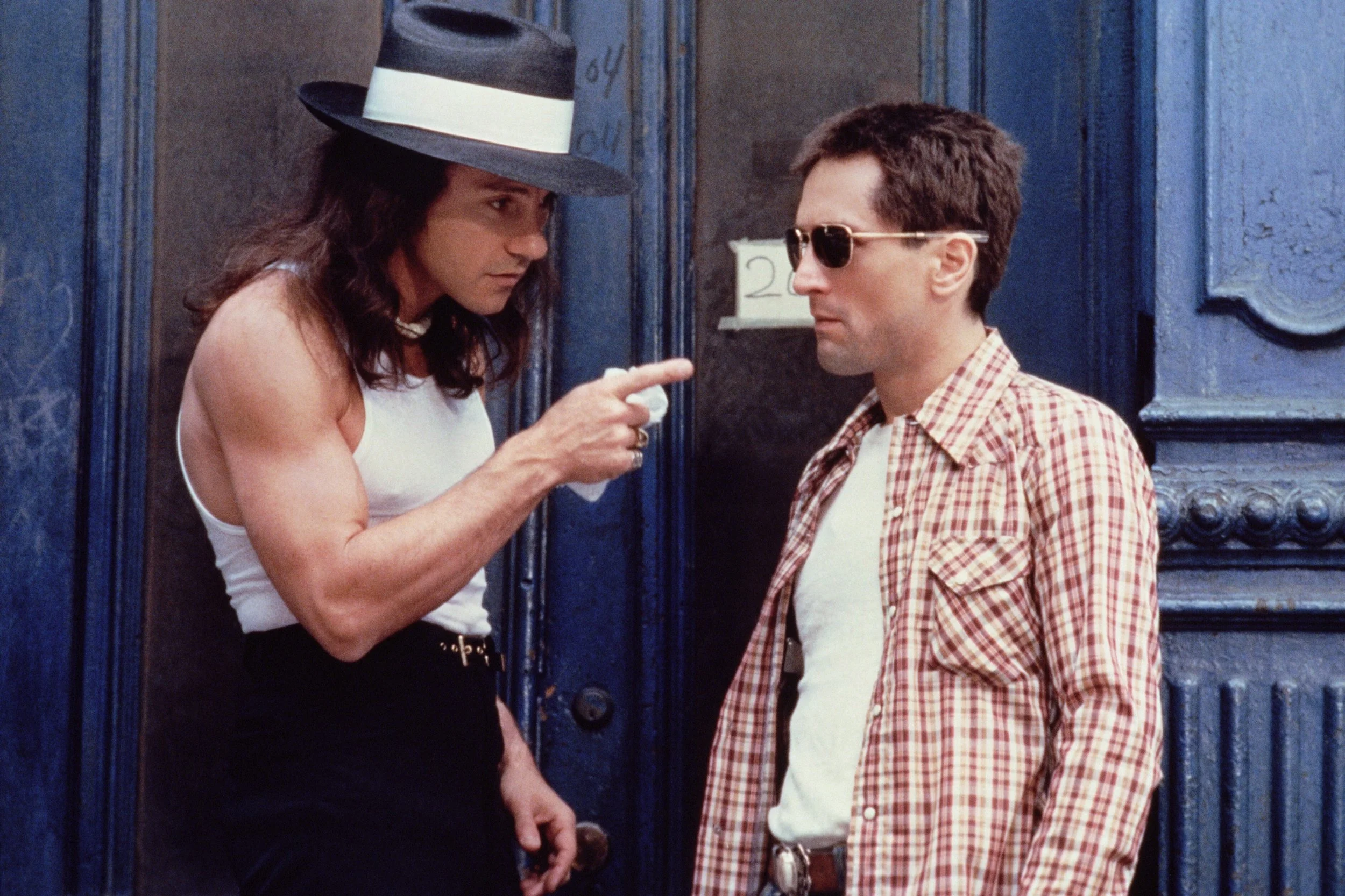
And lest we forget, Harvey Keitel is quite perfectly cast as the foul-mouthed and sweet-talking predatory pimp “Sport.” While I have read that Keitel was originally eyeing the role of the campaign manager Tom, which ultimately went to Albert Brooks, he made the most of his small yet memorable part.
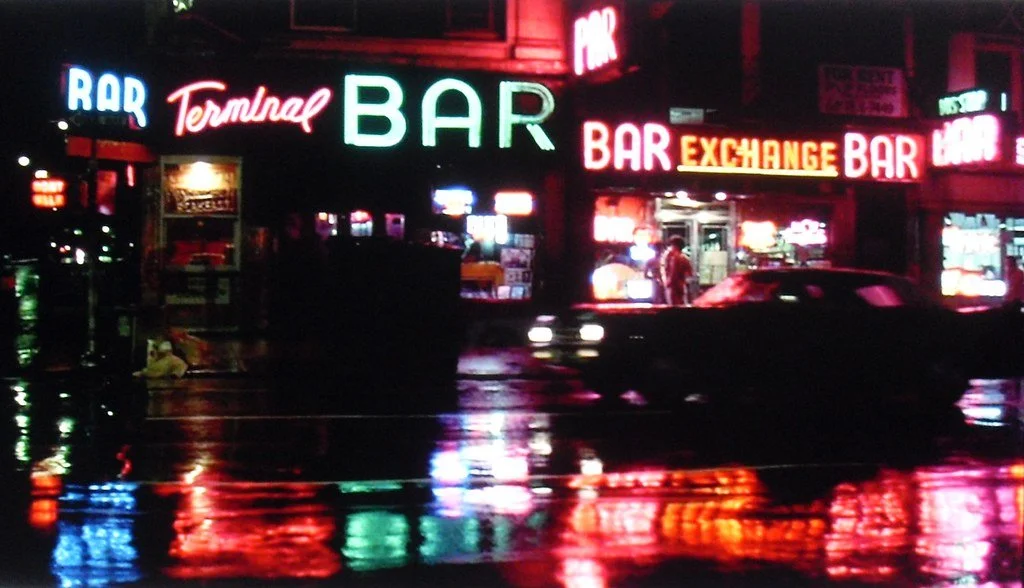
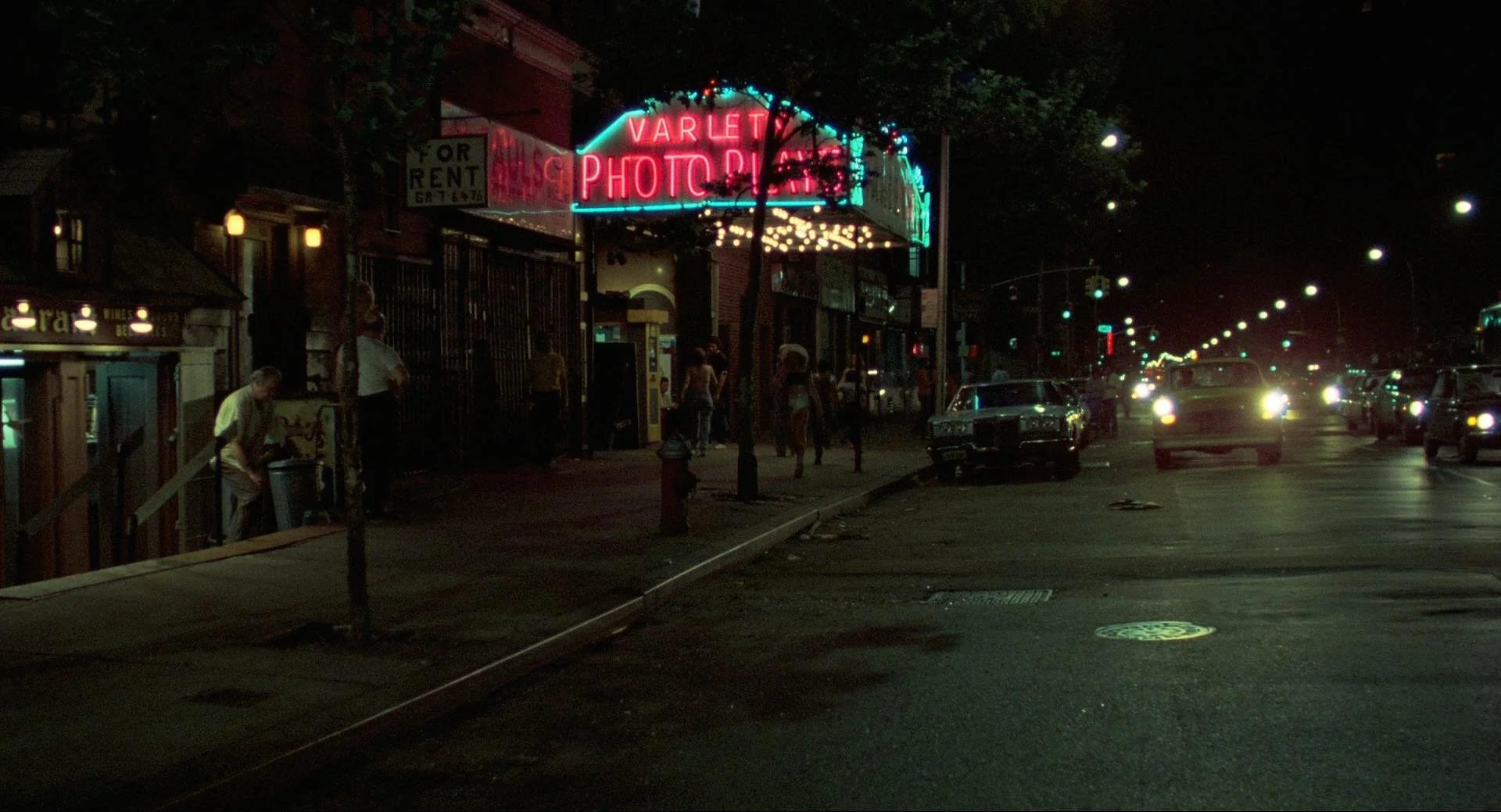
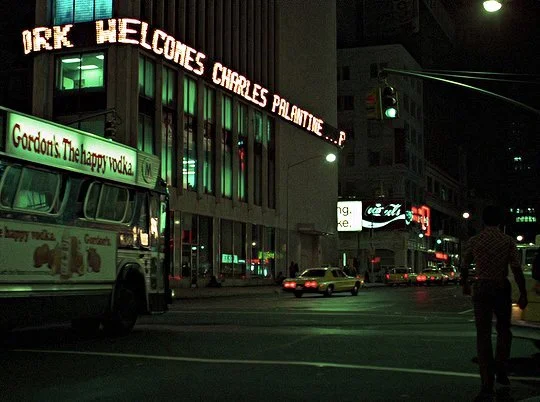
The film joins a list of equally searing 1970s movies that excelled at capturing the unseemly and corruptible side of humanity, along with its teetering institutions. These films include Klute (1971), Serpico (1973), Chinatown (1974), Three Days of the Condor (1975), Network (1976), and And Justice for All (1979). Taxi Driver was shot on-location in the summer of 1974, capturing a distinctly seedy side of Manhattan life. Scorsese incorporated local extras and real locations, including liquor stores, porn shops and theaters, and bodegas. We have already talked about the very real struggles of New York City in the 1970s when we discussed The Taking of Pelham One Two Three and Dog Day Afternoon. I am often reticent to linger on the subject as it tends to reinforce some later (and rather silly) misconceptions of New York that persist to this day.
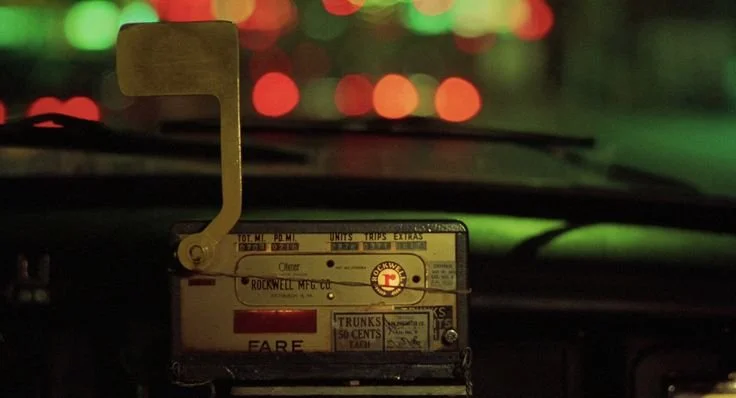
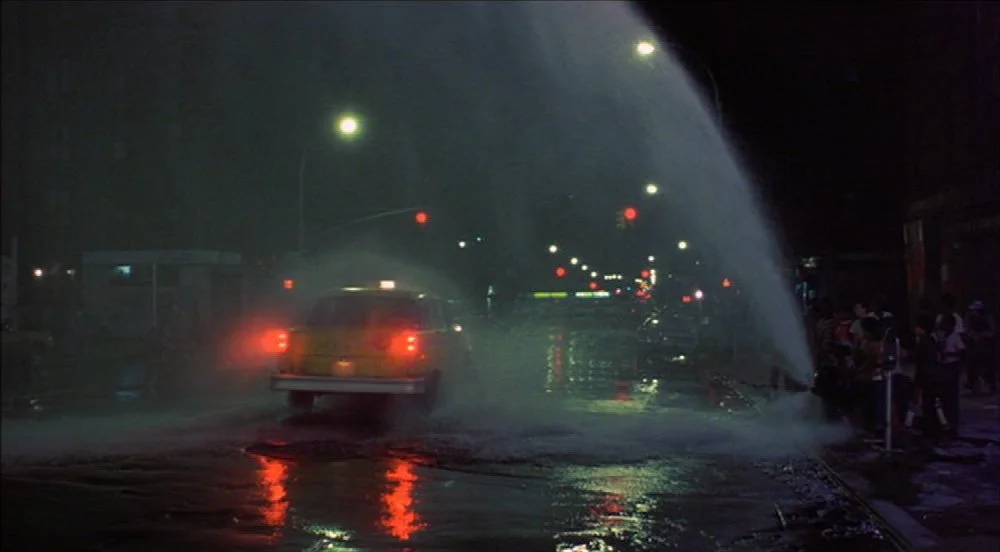
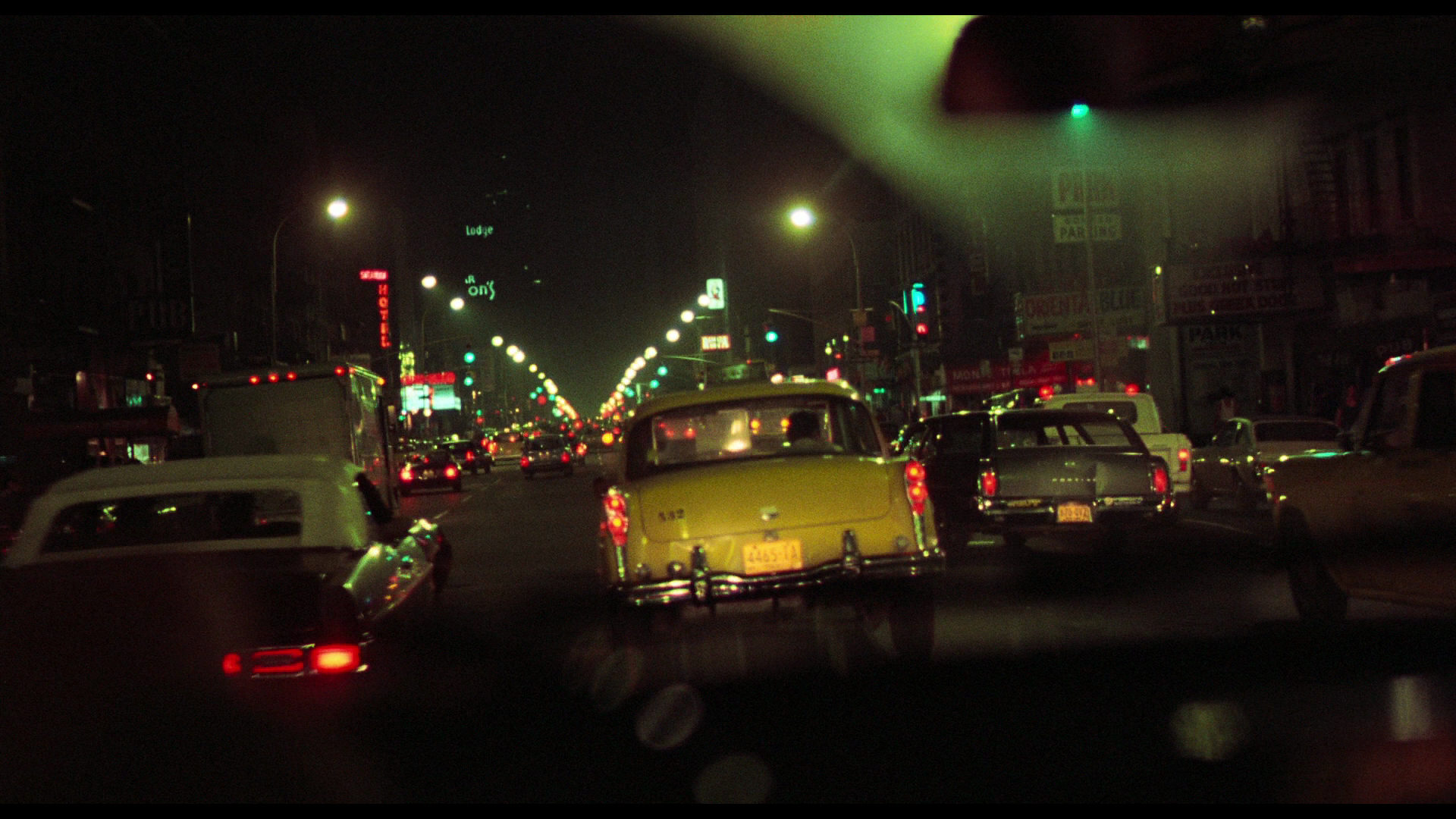
Smell-O-Vision and Odorama notwithstanding (if you know, you know), films engage the viewer primarily through sight and sound. However, Taxi Driver somehow feels as if it reaches all the senses, as practical an impossibility as that might be. A lot of that has to do with cinematographer Michael Chapman, who endows the film with images of rising steam from grimy rain-slicked streets, mounds of trash littering the cityscape—all accented by the lurid glow of neon signs. His nighttime photography has a distinctly damp and viscous texture, as if your fingers would get wet if you were to touch the screen. From the vantage point of Travis’s cab, we are provided a dizzying snapshot of those New Yorkers who have fallen through the cracks: the unhoused, those with mental health conditions, pimps, prostitutes, drug users and dealers—the list is long. An indelible sequence from Taxi Driver entails a long overhead tracking shot where the viewer is treated to an unhurried postmortem of some especially violent mayhem.
And of course there’s the score. Composer Bernard Hermann is best known for his brilliant mid-century collaborations with Alfred Hitchcock and his series of science fiction, fantasy, and horror scores. We last talked about Hermann when we did Psycho at the Philharmonic. His music for Taxi Driver alternates between two themes: One is a sultry noir-inspired, saxophone-centric jazz motif and the other a slow, brooding, and incredibly ominous theme with swirling harp, brass, deep strings, and an especially jittery snare drum. Notably, several of the more dramatic or action-filled moments are delivered without score accompaniment, with the music reserved for the buildup or aftermath of these moments. Hermann died on Christmas Eve of 1975, a day after he finished scoring Taxi Driver.
Taxi Driver at 50
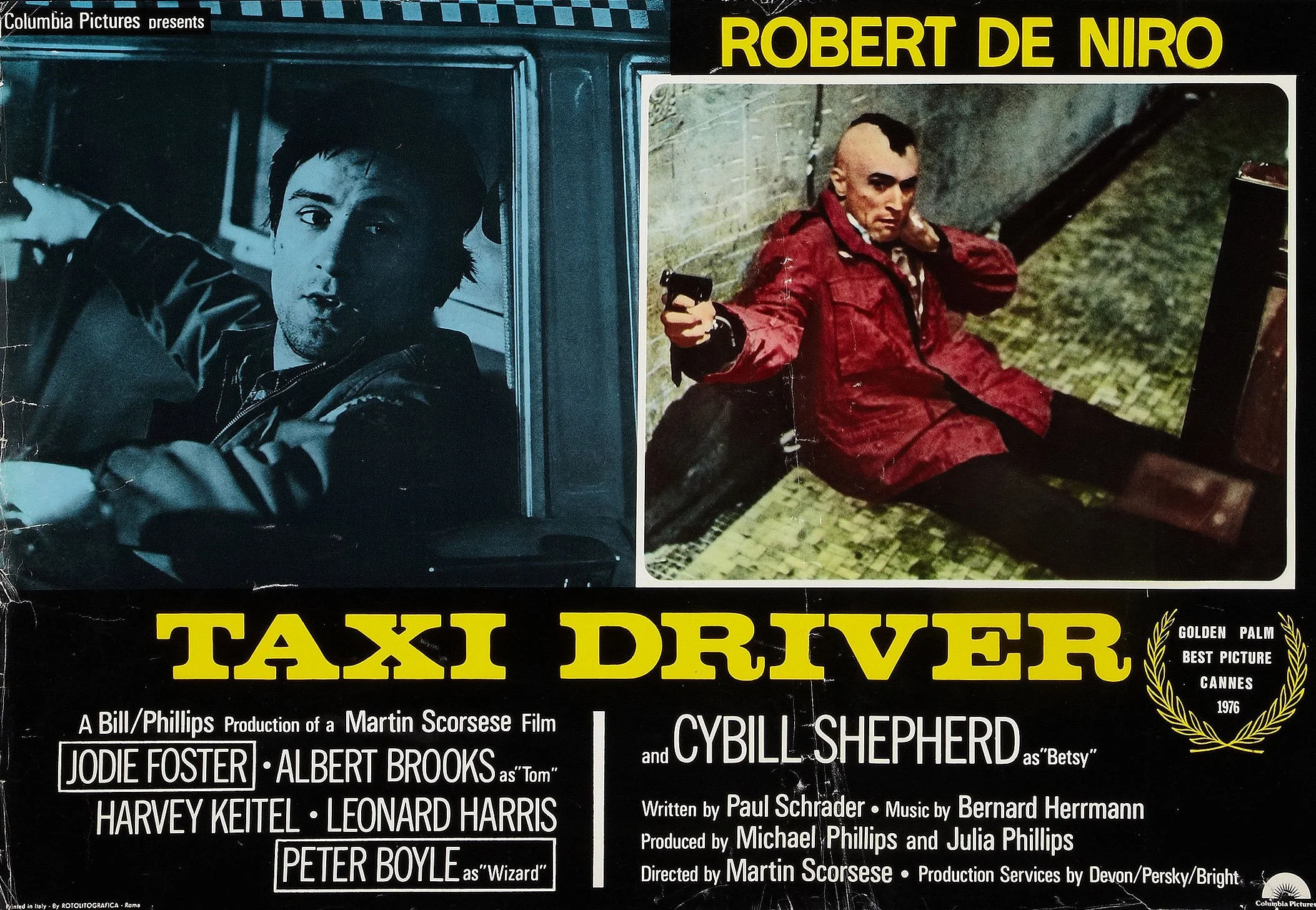
Taxi Driver opened on February 1976 and proved to be a definitive financial success, bringing in more than $28 million at the box office against a budget of just under $2 million. The movie won the Palme d'Or at the 1976 Cannes Film Festival and received four Academy Award nominations including Best Actor (for De Niro), Best Supporting Actress (for Foster), Best Picture, and Best Original Score.
The film has worked its way into the popular imagination (for better or worse) of New York City in the 1970s. While Travis Bickle may have existed on the fringes of society, his character feels indispensable; it is nearly impossible to imagine the decade’s cinematic slate without him.
A strange new layer would be added to the history of the film after March 30, 1981. It was on that day when 25-year-old John Hinkley Jr. shot President Ronald Reagan in a failed assassination attempt outside the Washington Hilton Hotel. Hinckley hoped the attempt would impress actress Jodie Foster, with whom he became obsessed after watching the film.
In the years since the release of Taxi Driver, the archetype of the isolated, embittered, and maladjusted white/straight male has been fleshed out in academia, the social sciences, and pop culture. Energized and emboldened by social media echo chambers and the ascendancy of regressive policies, a certain segment of young men today have also embraced perpetual grievances. Their narrative centers on their perceived marginalization and victimization at the hands of women, minorities, the LGBTQIA+ community, or general social progress. Other films that have tread on similar cinematic ground include Falling Down (1993) and Joker (2019), among others.
Taxi Driver was added to the National Film Registry (NFR) in 1994. The Library of Congress established the NFR in 1988 to recognize films for their cultural, historical, or aesthetic significance. It encompasses a wide range of movies, going as far back as the early silent era. Selections are made by the Librarian of Congress and in consultation with members the National Film Preservation Board. Every December, 25 films are added for preservation for future generations. Director Martin Scorsese was one of several filmmakers who lobbied for the registry’s creation.
In the 50+ years since its initial theatrical release, Taxi Driver has been studied, celebrated, and reevaluated by cinephiles, casual movie goers, film students, critics, and filmmakers alike. Back in the day I wrote a paper on Taxi Driver for a college film class. While I can’t recall in detail what young(er) Jonathan had to say about the film I do recall that it made a major impression on me.
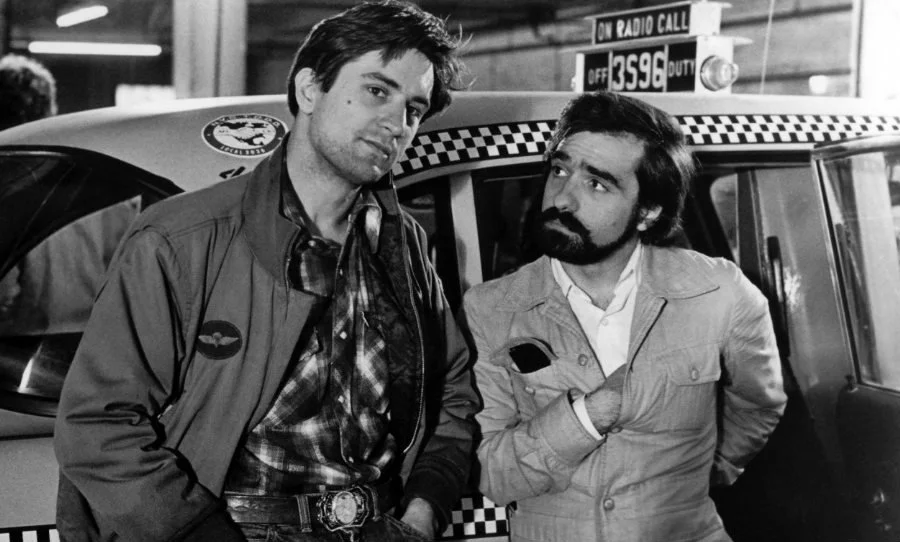
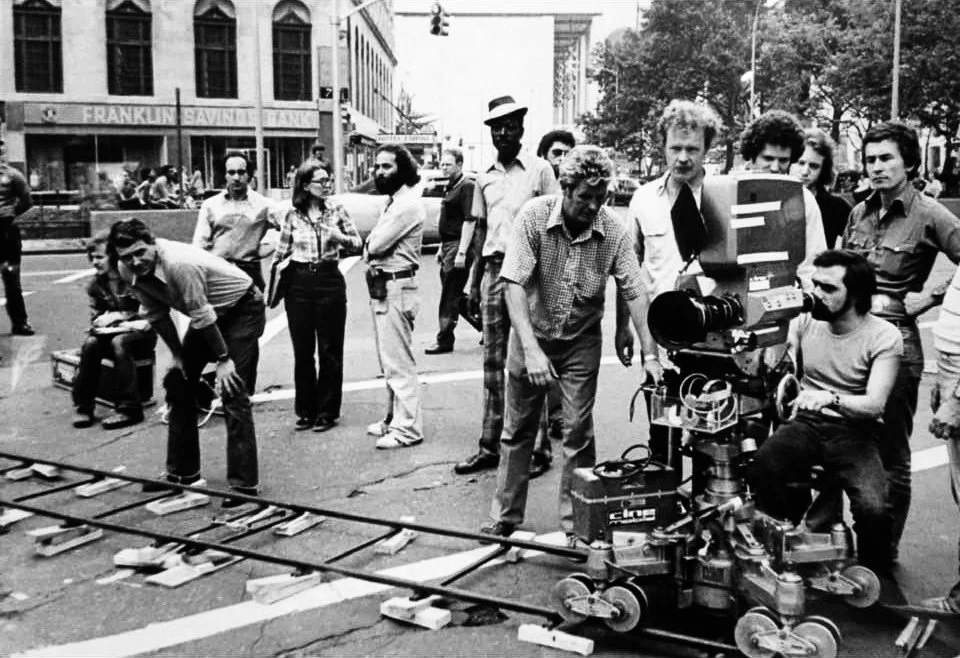
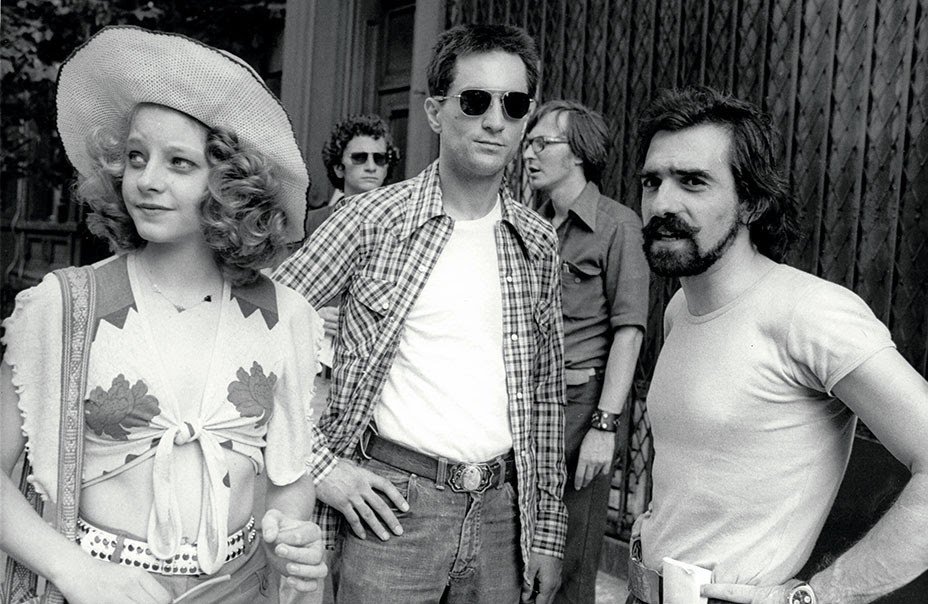
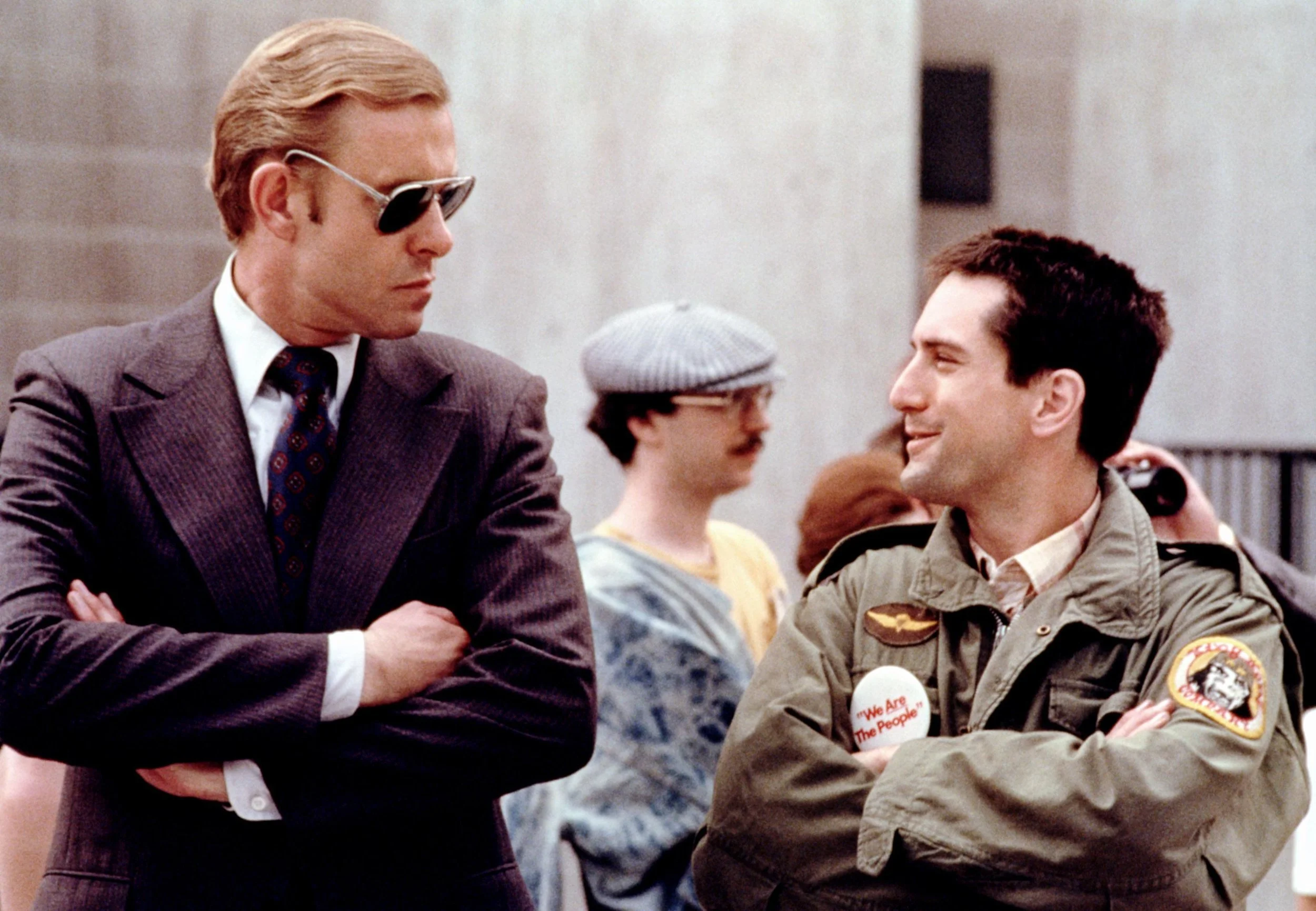
Behind the scenes photos
Cast (abridged)
Robert DeNiro – Travis Bickle
Jodie Foster – Iris Steensma
Cybill Shepherd – Betsy
Leonard Harris – Charles Palantine
Albert Brooks – Tom
Harvey Keitel – Sport
Diahnne Abbott – Concession Girl
Peter Boyle – Wizard
Crew (abridged)
Director – Martin Scorsese
Screenplay: Paul Schrader
Music/Composer – Bernard Hermann
Cinematographer – Michael Chapman
Producers – Producer: Julia Phillips, Michael Phillips
Art Director – Charles Rosen
Costume Designer – Ruth Morely
How did I watch?
Streaming HBO MAX
Running Time: 1h 54m
MPAA Rating: R
Trailer for 50th Anniversary 4K Ultra HD release of Taxi Driver
Did you know?
Paul Schrader was in a dark place when he wrote the screenplay for Taxi Driver. He was living in Los Angeles at the time, struggling from isolation, career disappointments, substance abuse, severe depression, and suicidal thoughts. The screenwriter has stated that this experience heavily informed his work on the script.
The iconic mirror scene, which includes the celebrated and oft-repeated line “You talkin’ to me?” was largely improvised by De Niro.
New York, buckling from a budget crisis and cuts in services, was not exactly the cleanest big city in the 1970s. This was exacerbated by a sanitation workers’ strike at the time of filming, which left rising piles of garbage on its city streets. In a sense this was fortuitous, if noxious, timing as it only added to the gritty cityscape.
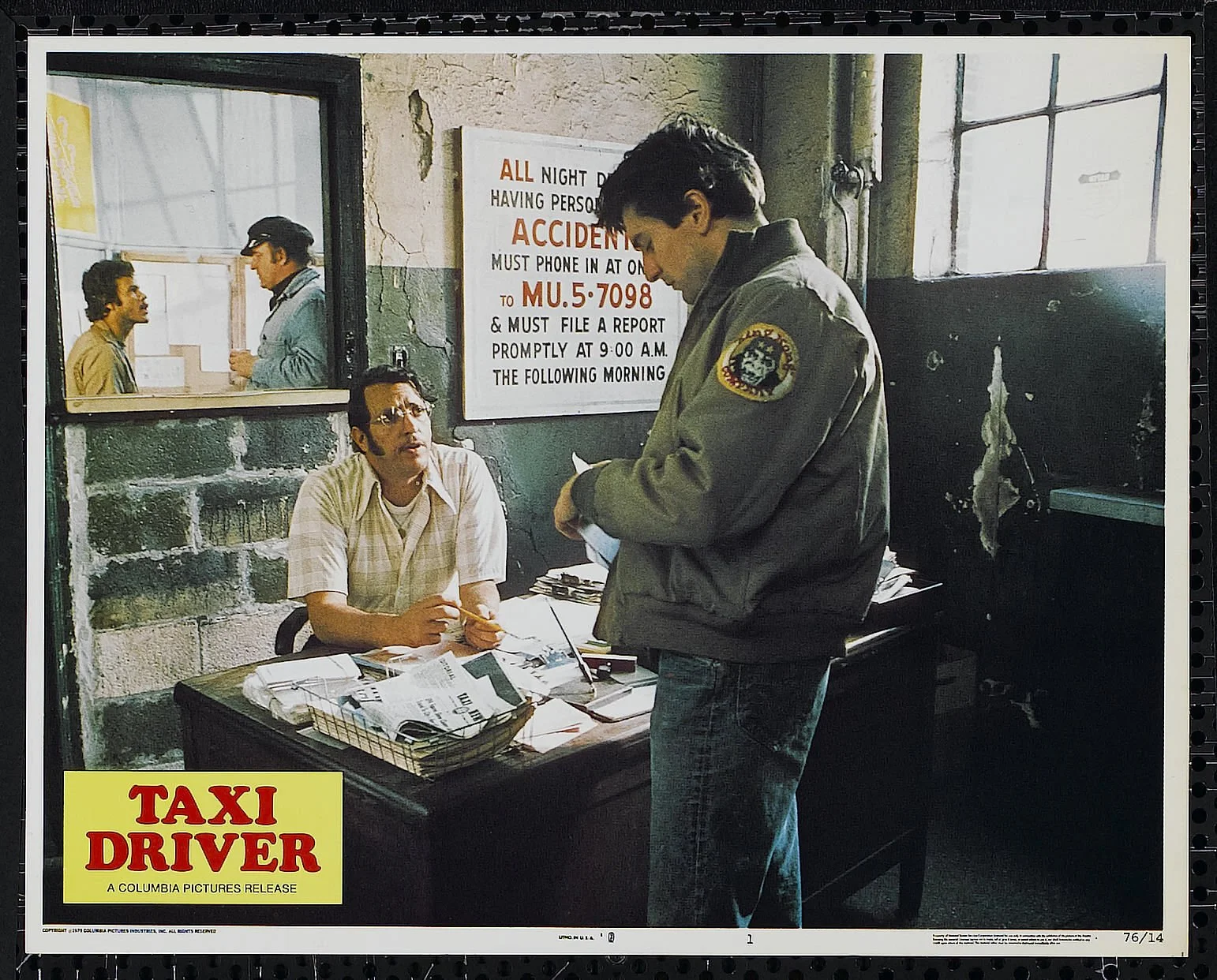
Character actor Joe Spinell appears in one scene, playing a personnel officer at a cab company. While best known for his small but memorable roles in the Godfather and Rocky franchises, cult and exploitation film fans appreciate his genre work in movies like Starcrash (1978), Maniac (1980), and Nighthawks (1981).
Taxi Driver was actor Albert Brooks’s film debut. Brooks plays Betsy’s fellow campaign worker Tom.
Several cast members accepted less money to work on Taxi Driver, including Robert De Niro and Cybil Sheppard.
According to an IMDB trivia entry, De Niro worked 15-hour days for a month driving cabs to prepare for the role. He also studied mental illness, visited a US Army base in Northern Italy, and tape-recorded conversations with Midwestern soldiers so that he could pick up their accent.
To avoid an X rating, the filmmakers of Taxi Driver de-saturated the color in the film’s bloodier scenes to lessen the visual impact of bright red blood.
Martin Scorsese has a cameo in the film, playing one of Travis’s passengers, an embittered and murderous husband of a philandering wife. Scorsese played the brief but unsettling part more out of necessity than anything else. The part was meant for George Memmoli, who had to pull out due to a back injury. Memmoli appeared in Scorecese’s Meanstreets (1973), a personal favorite.
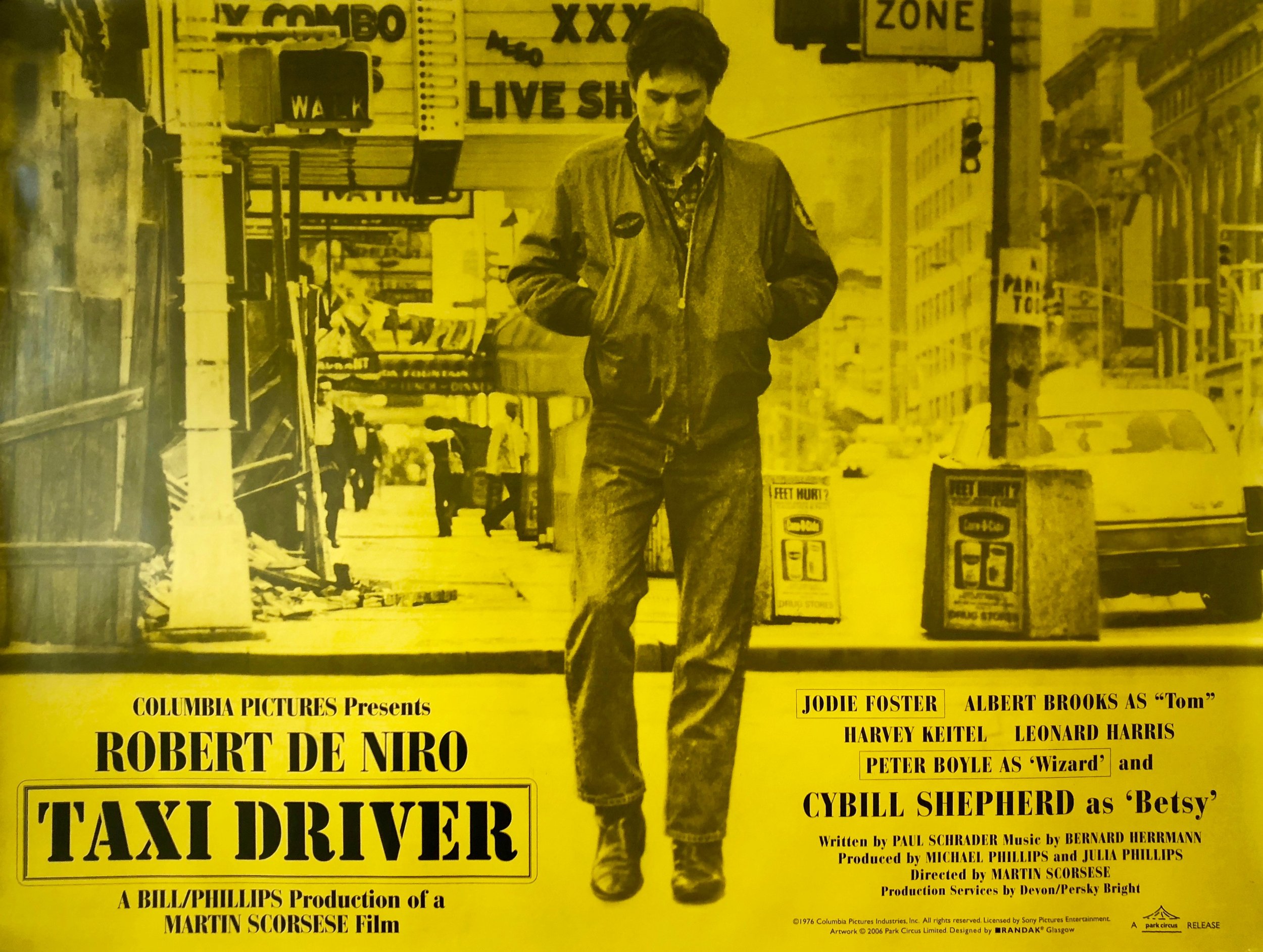
Original poster art for Taxi Driver
Recommendations based on Taxi Driver-
Meanstreets (1973)
Dog Day Afternoon (1975)
The Little Girl Who Lives Down theLane (1976)
The King of Comedy (1982)
Falling Down (1993)
Supplements-
‘If I didn’t write about him, I’m afraid I might become him’: the making of Taxi Driver at 50 (The Guardian)
We're talking to you - Taxi Driver is 50 (NPR)
Approaching Menace: The American Pathology of Martin Scorcese’s ‘Taxi Driver’ – Revisiting a Masterpiece on Its 50th Anniversary (Cinephilia & Beyond)