No Easy Score: Across 110th Street (1972)
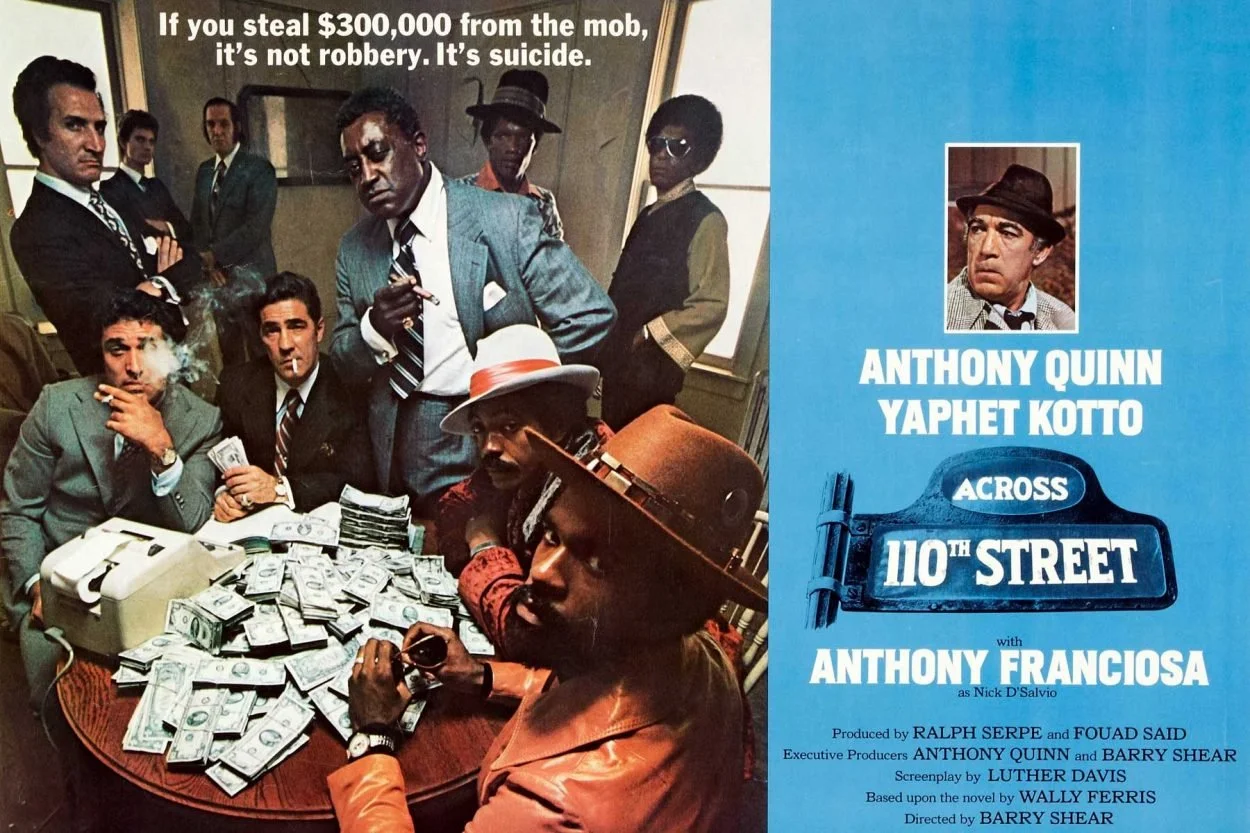
Original poster from Across 110th Street
We continue our cinematic crime spree with a hardboiled story of a heist gone very, very wrong. Across 110th Street may not have the caché associated with our last feature, Taxi Driver, but hey—a gritty 1970s film based in New York City AND with its own theme song? What’s not to like?
A risky play
Jim Harris (Paul Benjamin) has not had an easy time of it as a 42-year-old Black man with epilepsy, little education, no trade to call his own, and a criminal record. He works as a super in a dingy and dilapidated apartment building run by an absent slum lord. It is a depressing and thankless job that will wear nearly anyone down, our protagonist included. Having had enough of this existence, Jim makes a desperate play to turn his fortunes around.
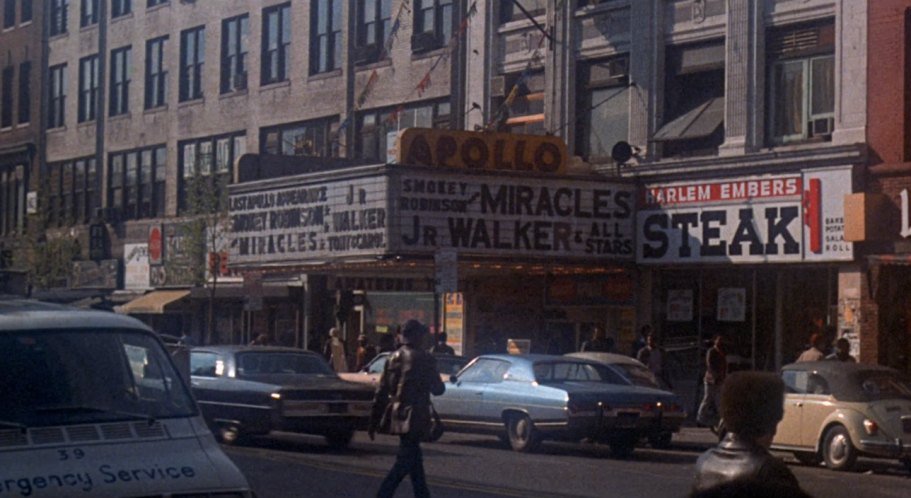
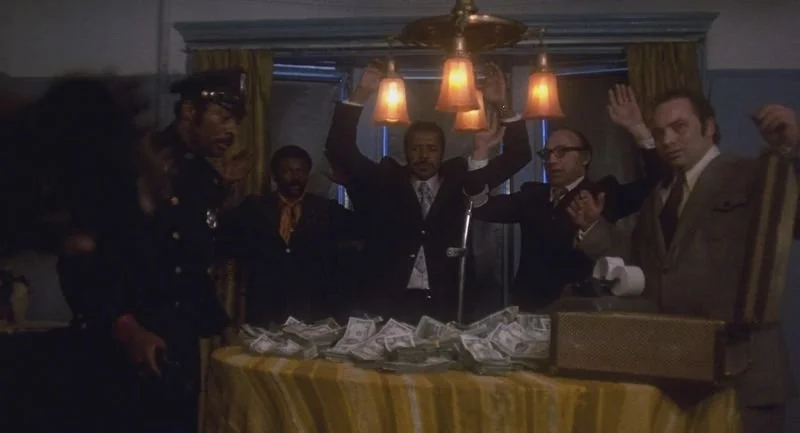
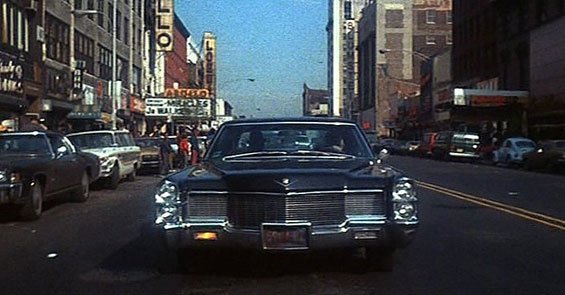
Along with two accomplices, Henry J. Jackson (Antonio Fargas) and Joe Logart (Ed Bernard), Jim robs a group of Italian mobsters and Black gangsters in the middle of a big money exchange in a Harlem apartment. As a point of reference, 110th Street was considered an unofficial dividing line between the predominantly Black and mostly poor neighborhood of Harlem and the more privileged white neighborhoods around Central Park.
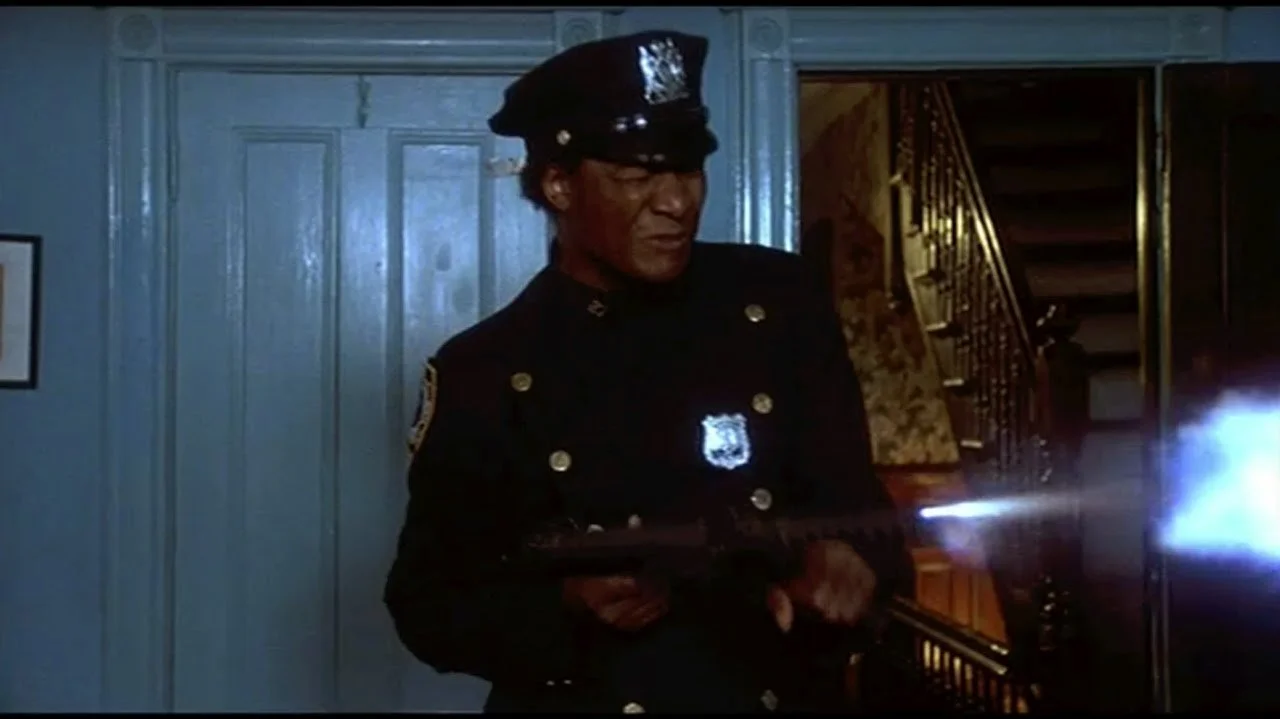
Things go sideways pretty quickly when Jim is forced to unload his Smith & Wesson M76 sub-machine on the illicit gathering, leaving several victims in his wake, including two police officers who attempt to stop Jim and his crew as they make their chaotic escape. Leaving the scene of the crime with more than $300,000 and seven dead bodies behind, Jim, Henry, and Joe are about to draw some major heat.
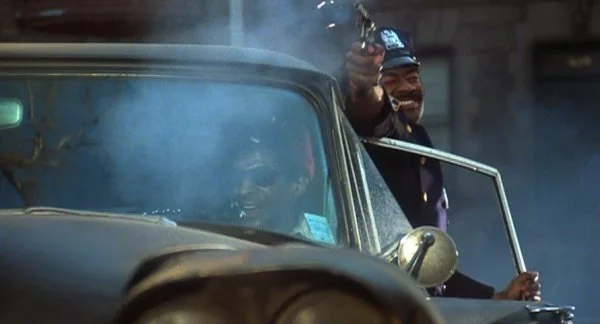
Interested parties, uneasy alliances
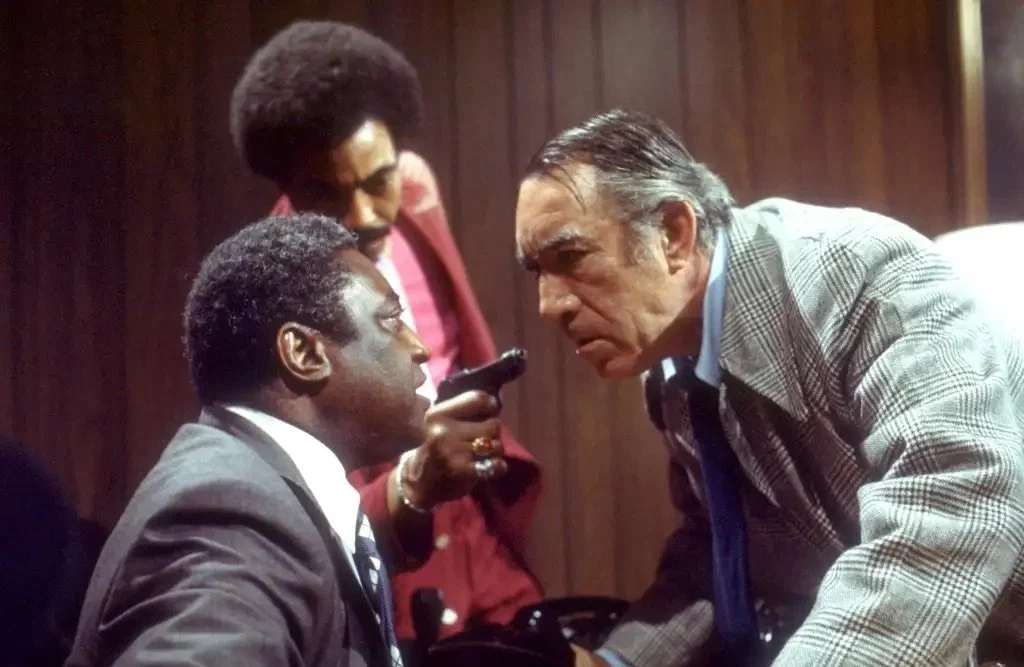
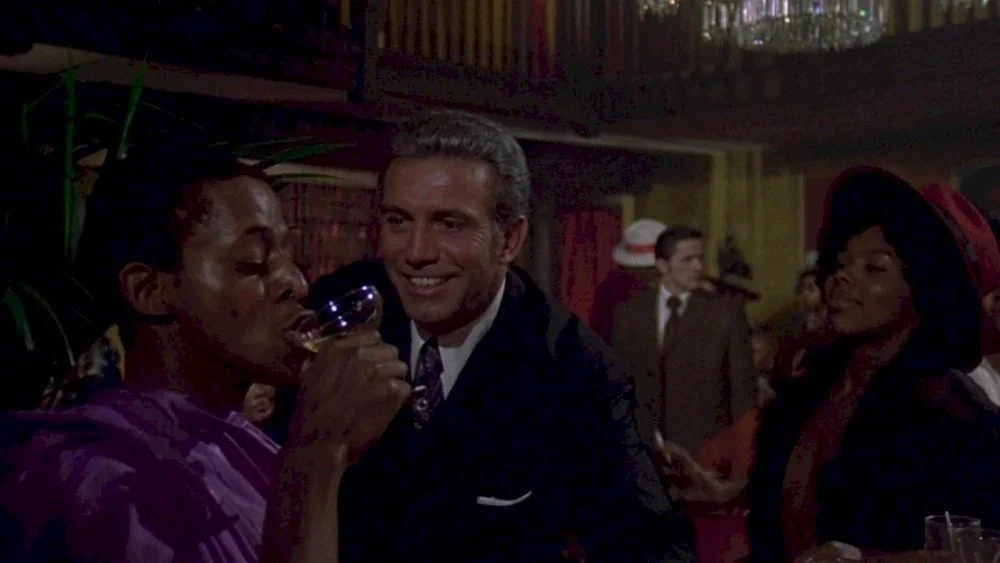
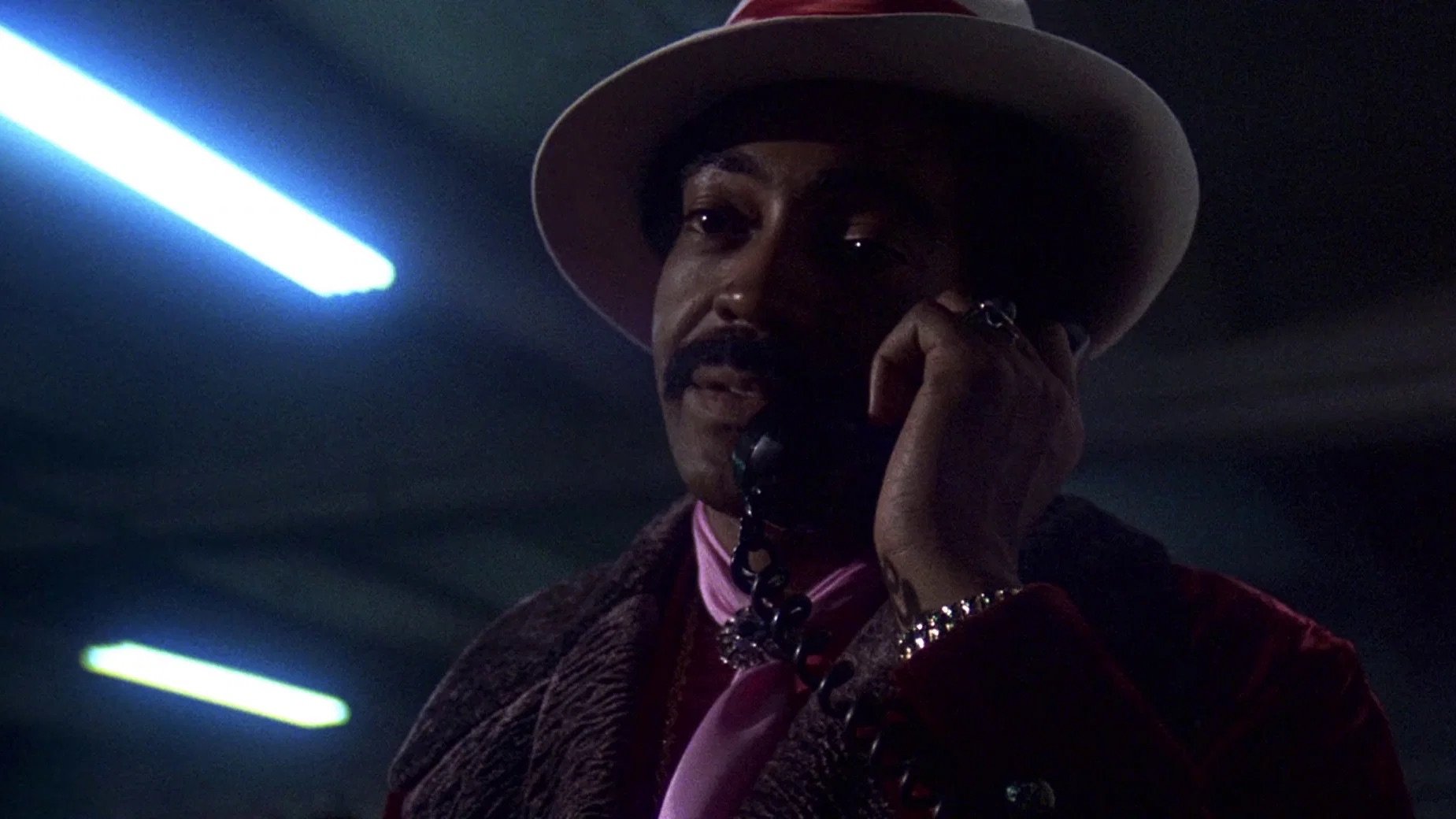
Italian mobsters across 110th Street cannot abide this brazen and insolent act, which they consider to be a challenge to their hegemony in Harlem. In the immediate aftermath of the robbery, virulently racist Mafioso Nick D’Salvio (Anthony Franciosa) is charged with finding and making a violent example of the perpetrators. To do that he must get the cooperation of “Doc” Johnson (Richard Ward), leader of organized crime rackets in Harlem. Doc is a man of some repute in the criminal world, yet he and his associates are Black, branding them as inferior and junior in status in the estimation of D’Salvio and his “family.” D'Salvio subsequently berates and browbeats the Harlem syndicate for allowing the robbery to occur. It is an uneasy yet necessary alliance if they are to track down those who perpetrated the heist.
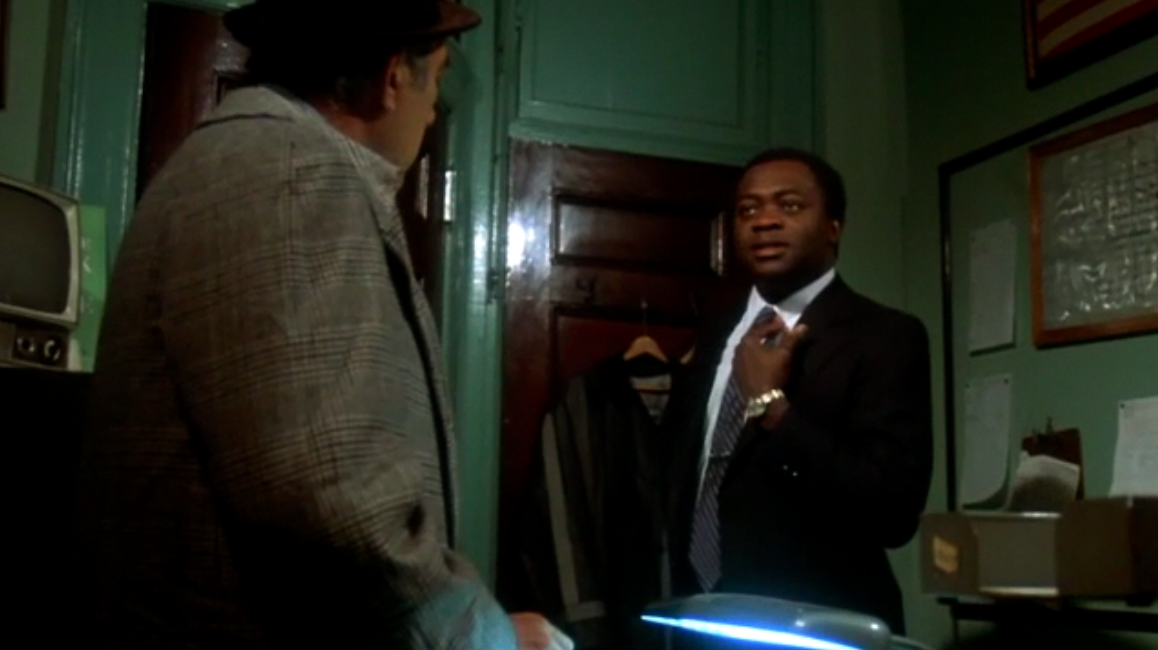
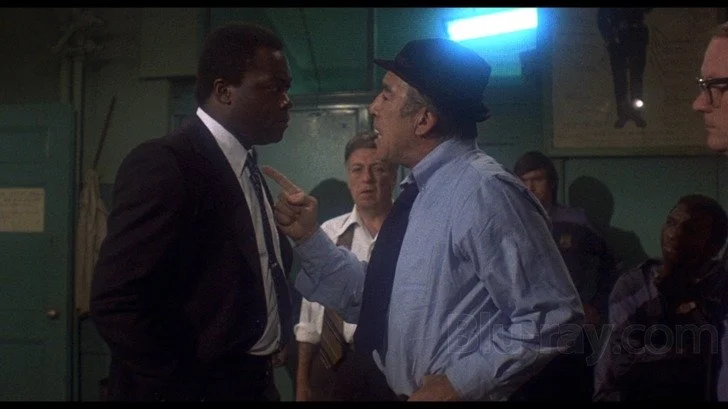
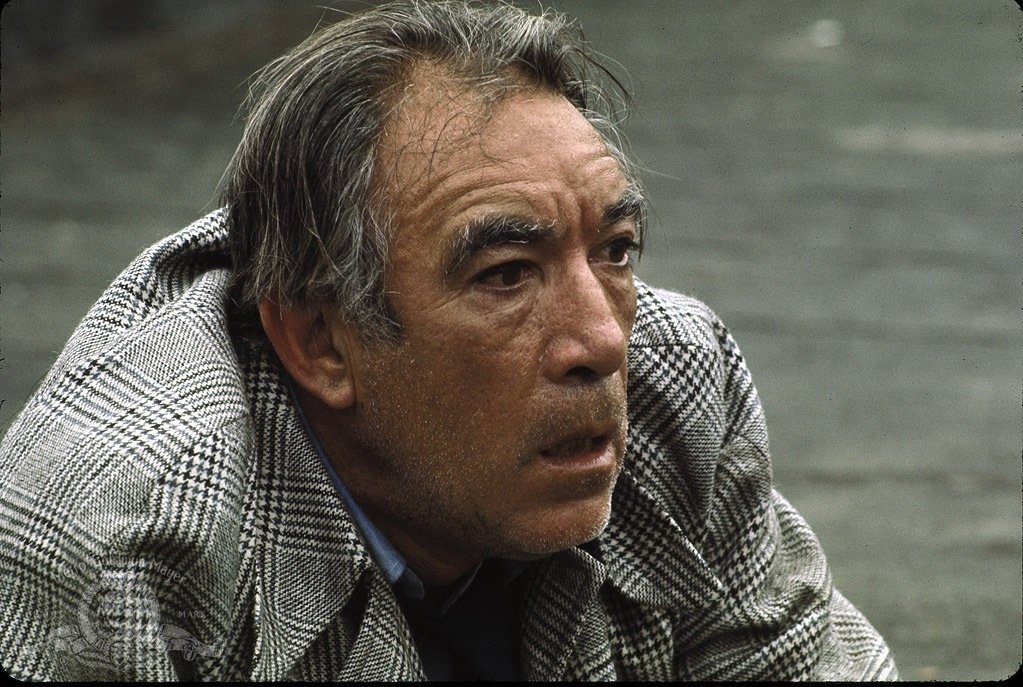
On the case for the NYPD are detectives Captain Frank Mattelli (Anthony Quinn) and Lt. William Pope (Yaphet Kotto). Mattelli is a grizzled and world-weary white cop who is on Doc’s payroll and subsidized by illegal gambling. He drinks on the job, wears an air of self-loathing, and throws around bigoted remarks and suspects with equal regularity. However, he also seems to have established a rapport with the Harlem community, even exhibiting flashes of humanity and concern for its members.
Pope on the other hand is younger, Black, and a teetotaler who eschews the rough and tumble and legally dubious approach to law enforcement that Mattelli espouses. Relatively new to the force, Pope wants to crack this case on his own steam with limited help from his veteran counterpart. Complicating matters further is the fact that Pope will likely succeed Mattelli once he retires. Their divergent approaches to policing ensure that tension hangs over their partnership.
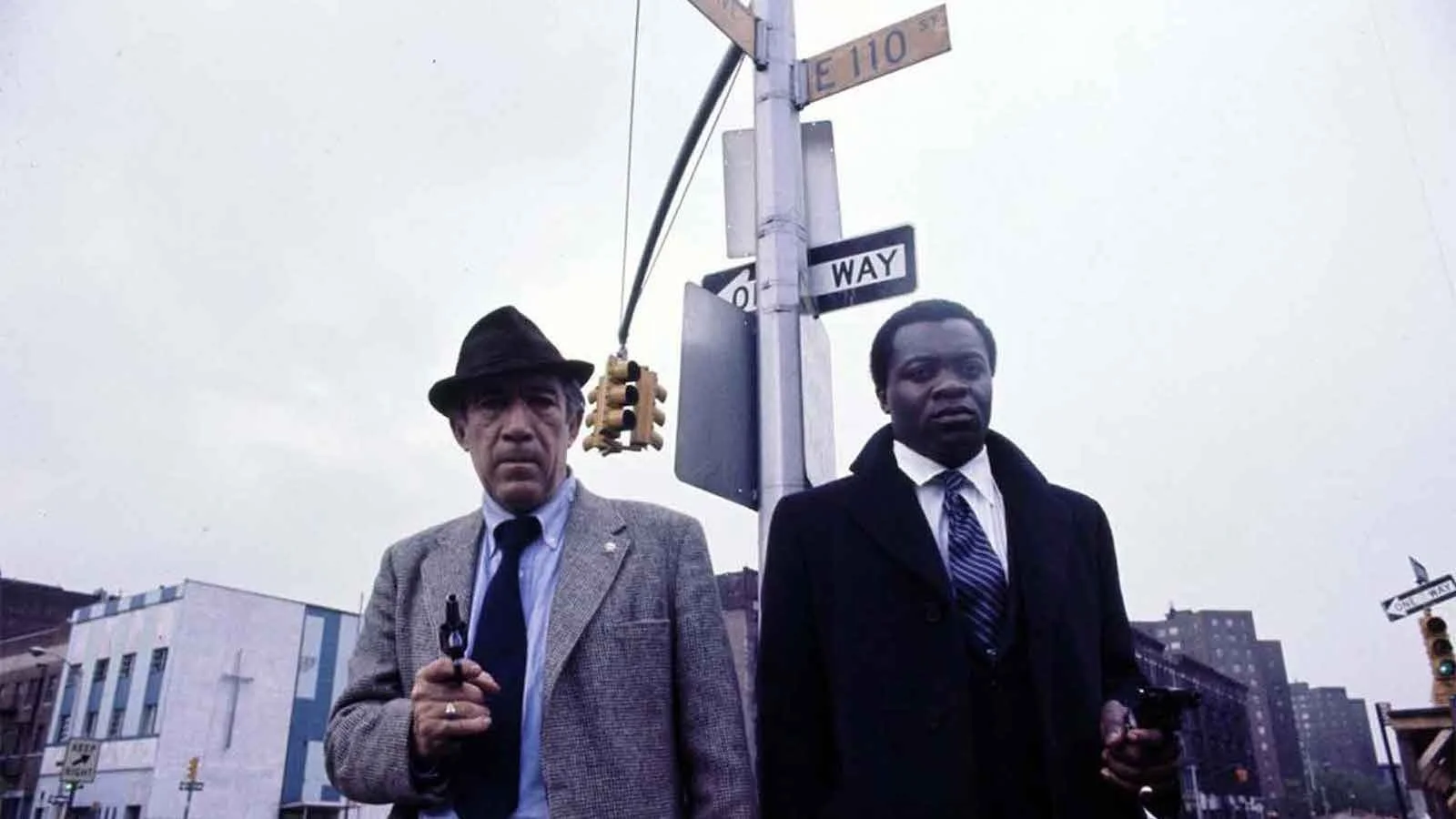
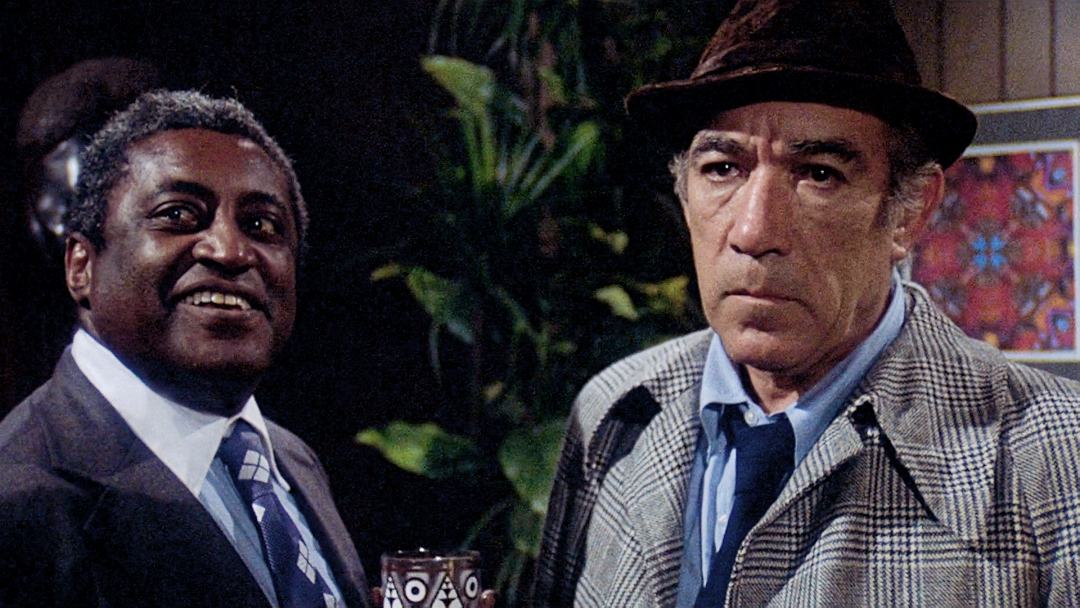
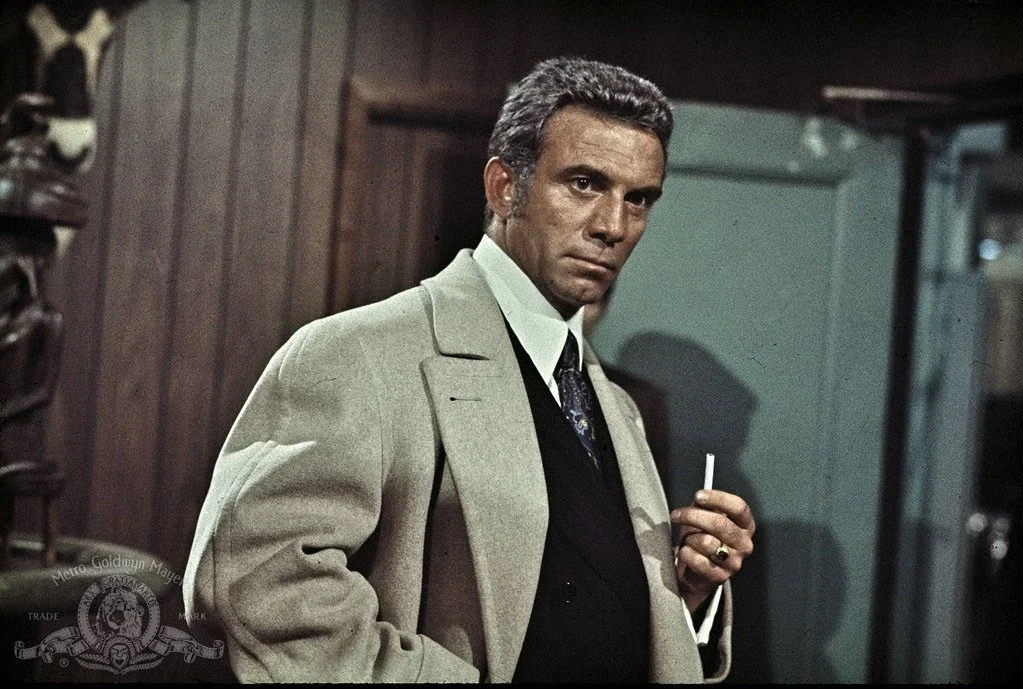
Harlem catches hell
Presented with an opportunity to prove himself to “the family,” D’Salvio and his henchmen—together with a contingent of Doc’s men—tear up Harlem to track down the culprits. Gleefully sadistic, D’Salvio seems to be genuinely enjoying himself as he and his goons bribe, threaten, and torture witnesses with impunity. Meanwhile, flush with cash and ready to celebrate, Henry (ill-advisedly) opts to party with extreme indiscretion, while Jim and Joe, sensing the looming threat, plan their respective exit strategies.
Recognizing that time is not on their side, Mattelli and Pope come to an understanding of sorts and accelerate their investigation. All the while Doc is scheming behind the scenes to woo Pope off the straight and narrow path. I won’t spoil where we go from here, but suffice to say that a fairytale ending is unlikely.
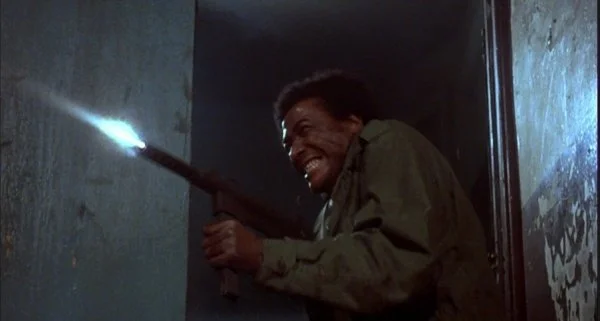
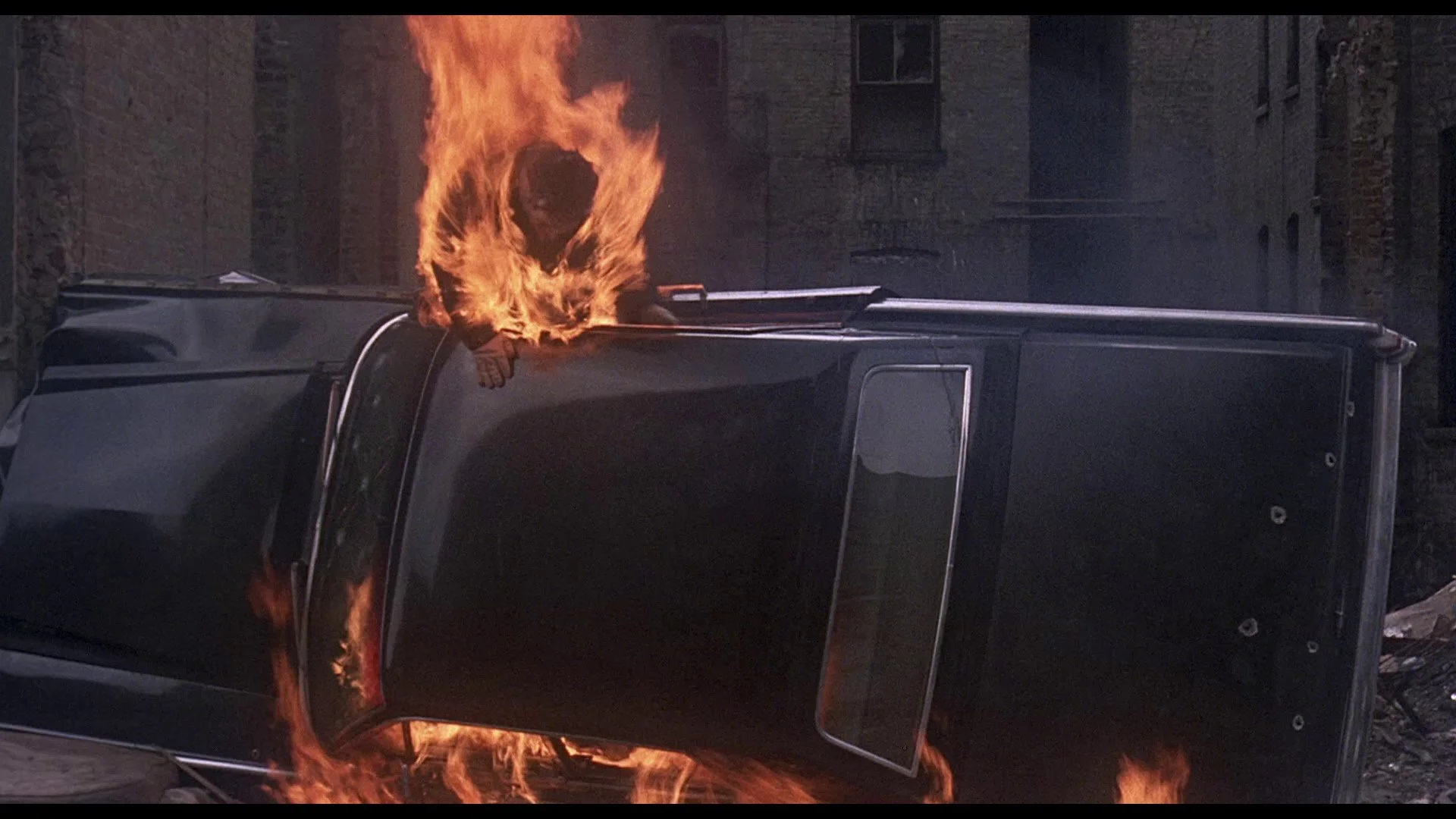
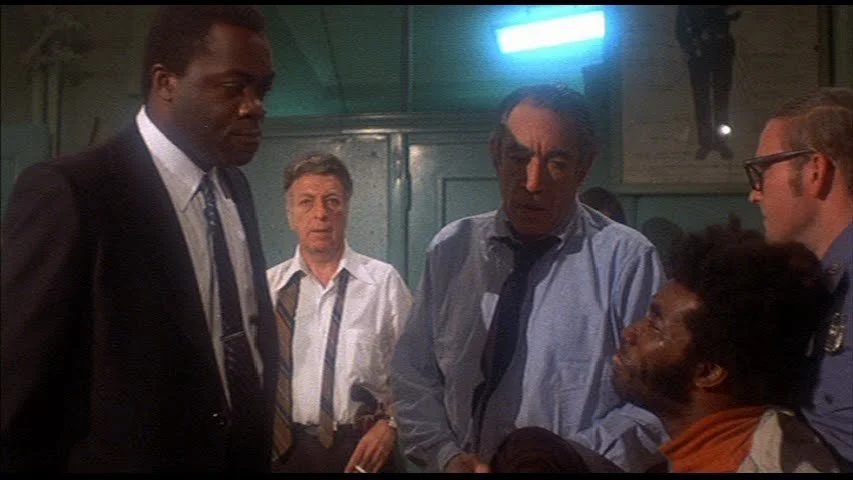
My two cents
Across 110th Street was released during a spectacular run of crackerjack crime thrillers in the early-to-mid 1970s and therefore may suffer a bit in comparison. The film lacks a degree of interconnectivity between its characters and certain elements of the story are not fully fleshed out. For those who measure their investment in any given movie by the “likeability” of its characters and the level of originality, this one may disappoint. I, however, am a big fan of exploitation films so the somewhat derivative nature of this movie is ultimately not a deal breaker for me.
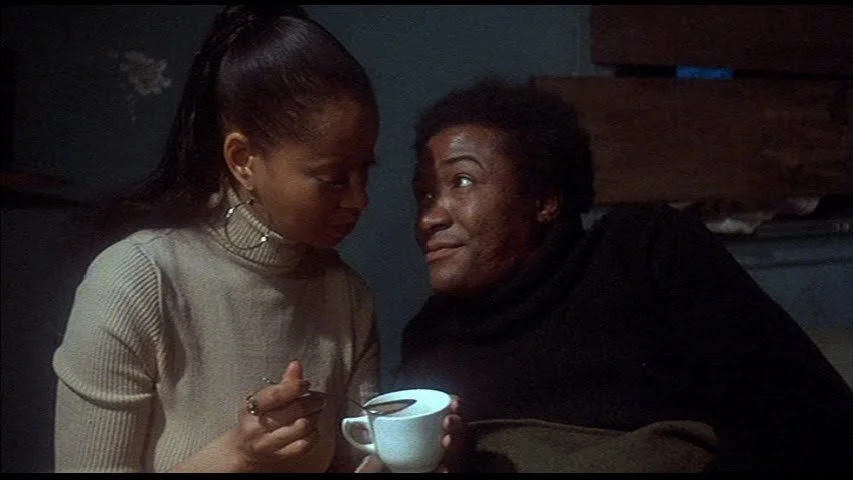
The movie, which has drawn a cult following over the years, does succeed in establishing a consistently dour mood. As we noted last week in our Taxi Driver discussion, I am sucker for effective mood setting in film. Even for the 1970s, a decade with no shortage of gritty and grimy crime cinema, Across 110th Street stands out for its particularly abrasive, quasi-nihilistic edge. There are a select few tender moments, and even those feel tenuous, as if we are simply waiting for the other shoe to drop.
I always enjoy when Yaphet Kotto turns up in a film with his innate air of authority and unique brand of charisma. Kotto might be most familiar to fans of late 20th-century TV for his recurring role as Baltimore detective Al Giardello on the long running crime series Homicide: Life on the Street. He also has some significant genre credits, playing memorable characters such as Dr. Kananga (a.k.a. “Mr. Big”) in the James Bond feature Live and Let Die (1973); prisoner/resistance fighter Laughlin in the dystopian sci-fi film The Running Man (1987); and the imposing Special Agent Alonzo Mosely in the crime drama/comedy Midnight Run (1988). And of course, we at Concentric Cinema love Kotto as the gregarious and courageous Parker, chief engineer on the ill-fated Nostromo in the sci-fi/horror masterpiece Alien (1979).
Anthony Quinn as Mattelli has grown on me with subsequent viewings, playing a character that is a bit more nuanced (and tortured) than I initially gave him credit for. I should also shoutout Antonio Fargas as the veritable hot mess Henry Jackson. Fargas would be a familiar face to Blaxploitation fans for his appearances in films such as Shaft (1971), Cleopatra Jones (1973), and Foxy Brown (1974). He may be best known for playing the recurring character of “Huggy Bear” on the hit show Starsky & Hutch (1975-1979).
Paul Benjamin’s Jim Harris resonates as a man at the end of his rope who didn’t like the cards life dealt him and so ventured to do something about it. Benjamin is perhaps most familiar as the wise prisoner “English” in Escape from Alcatraz and is likely recognized by some for playing “ML,” one of three men who hold court, banter, and debate on the sidewalk in Do the Right Thing (1989). Benjamin passed away in 2019.
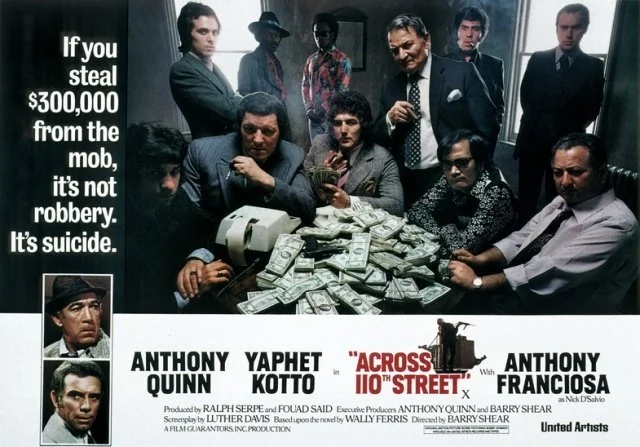
Original poster
Cinematographer Jack Priestley draws the viewer impossibly tight into the action with many close-up images of sweaty faces and harsh, near-claustrophobic interior shots; these were captured using a smaller, hand-held Arriflex 35 BL camera. The film made history for being the first to shoot with this type of 35mm camera, which was compact enough for quick setups and handheld shots. It was also quiet enough to allow for clear and direct sound recording on location.
Priestley’s antsy camera work, the harsh fluorescent lighting of interiors and exteriors, and a prevailing sense of menace all effectively put the viewer in a near constant sense of unease. The film also boasts several engaging action sequences, with chases and shootouts through city streets, along fire escapes, and across roof tops.
The film’s original soundtrack features a combination of songs by Bobby Womack and a score by J.J. Johnson & His Orchestra, led by prolific jazz trombonist, arranger, and band leader J.J. Johnson. The jazzy, funky music is like catnip to genre fans of the period.
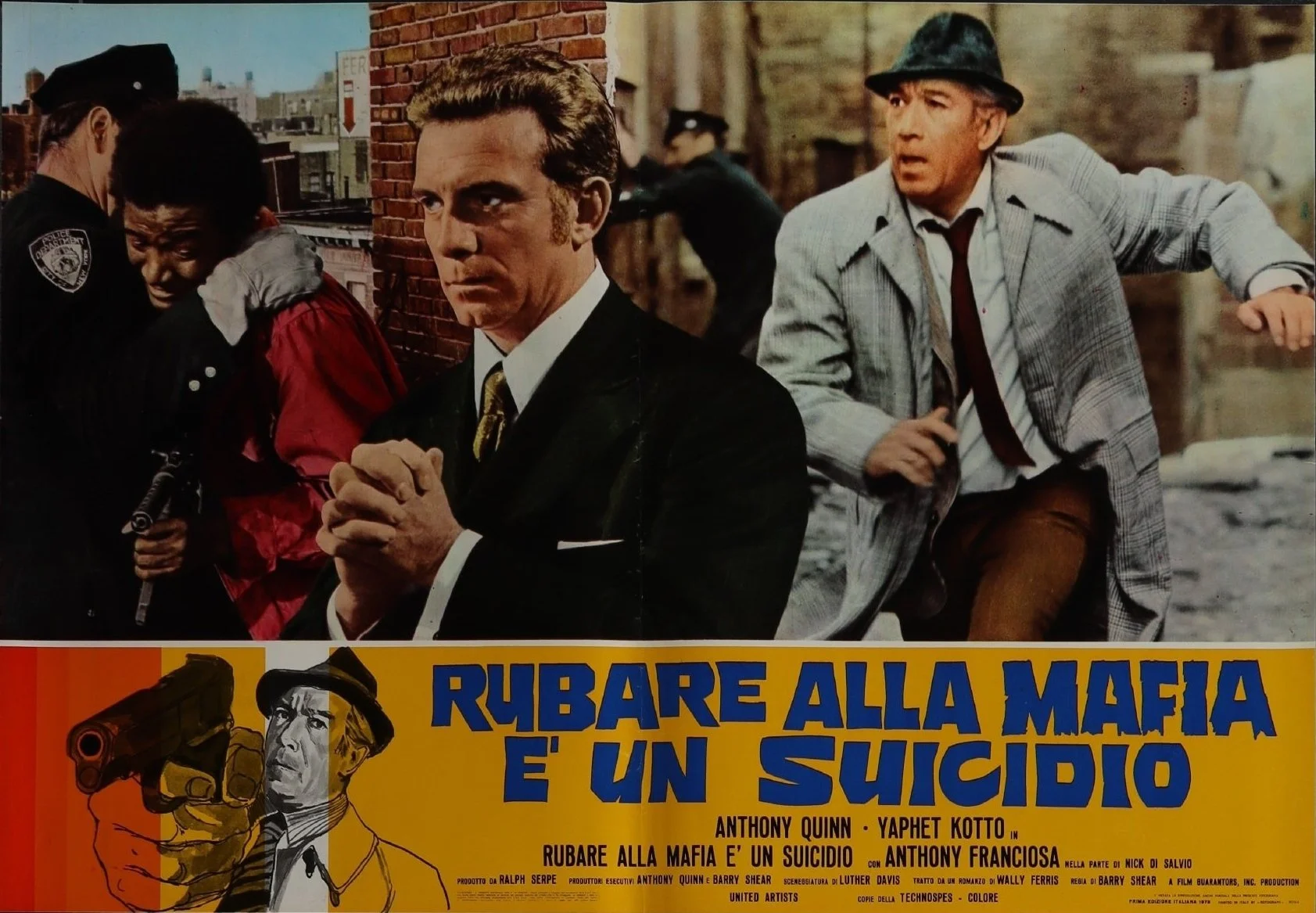
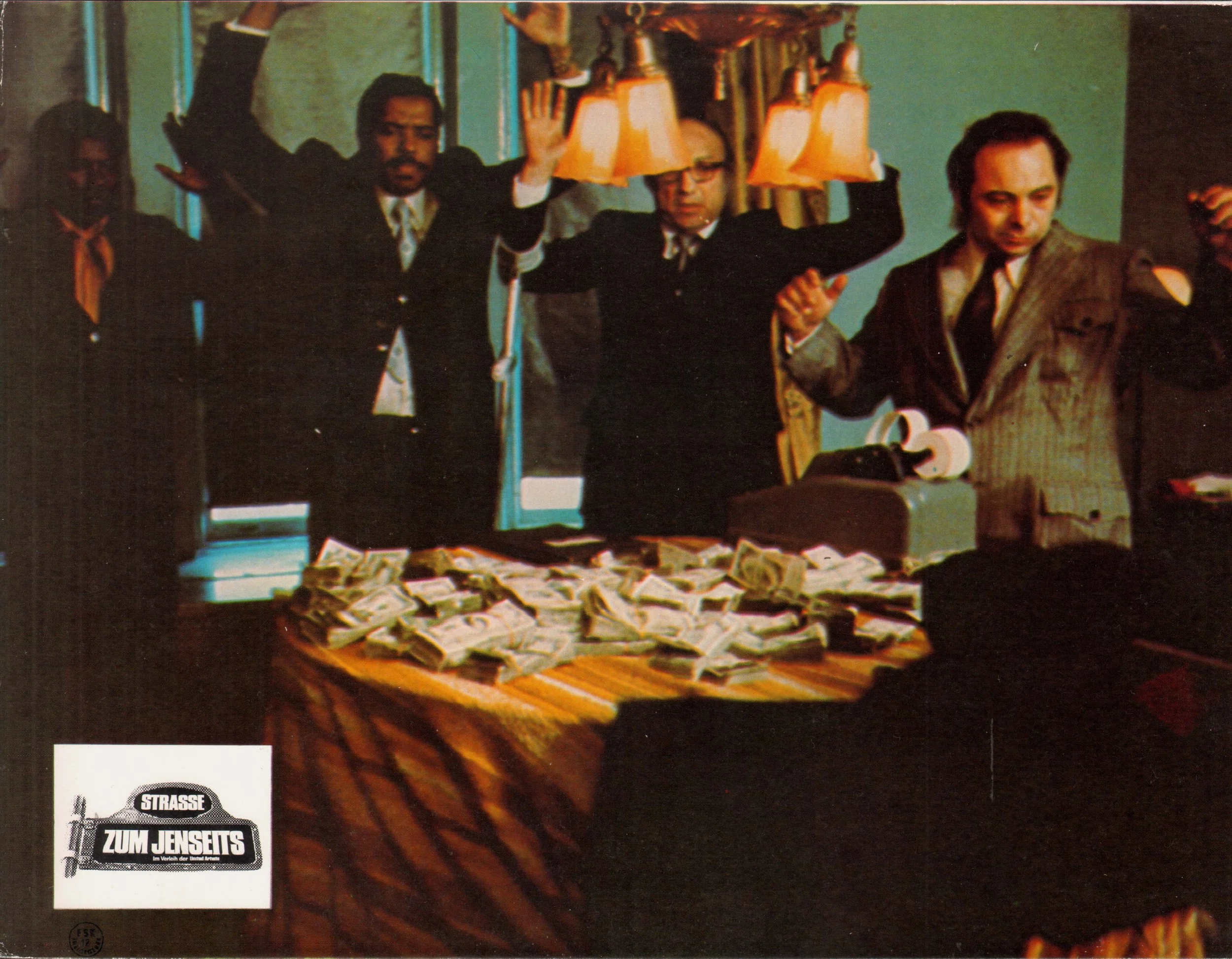
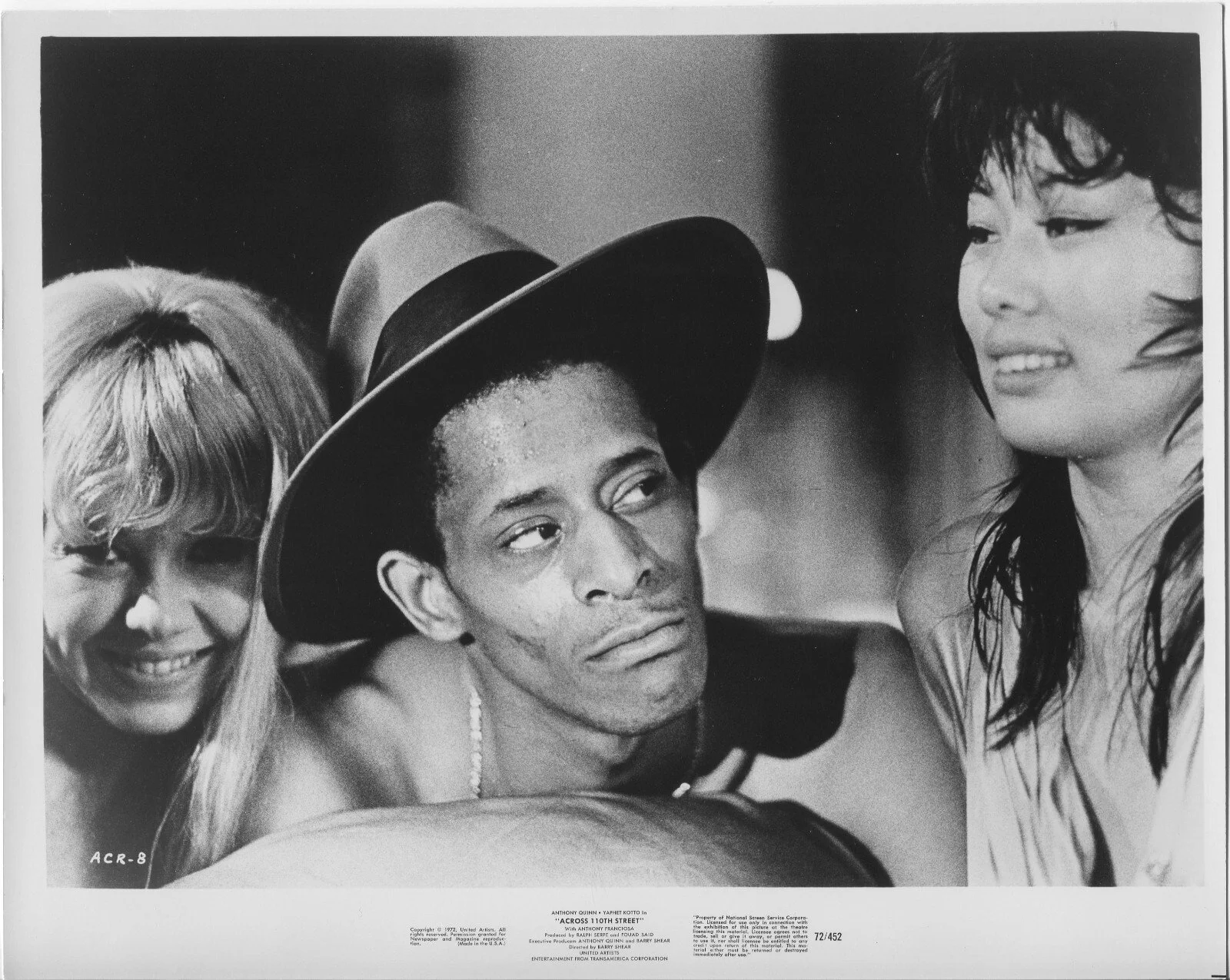
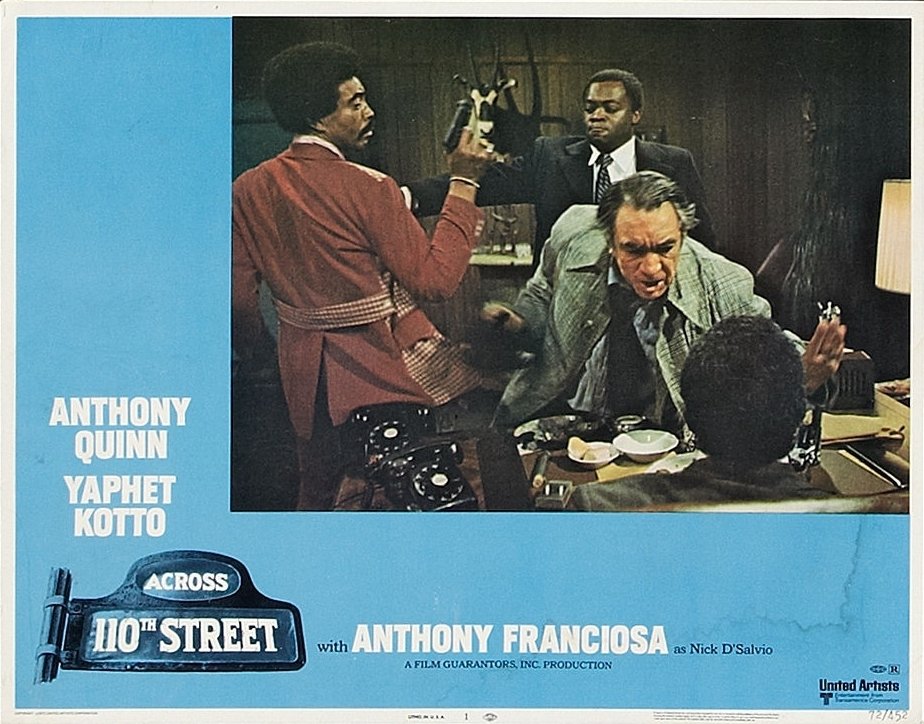
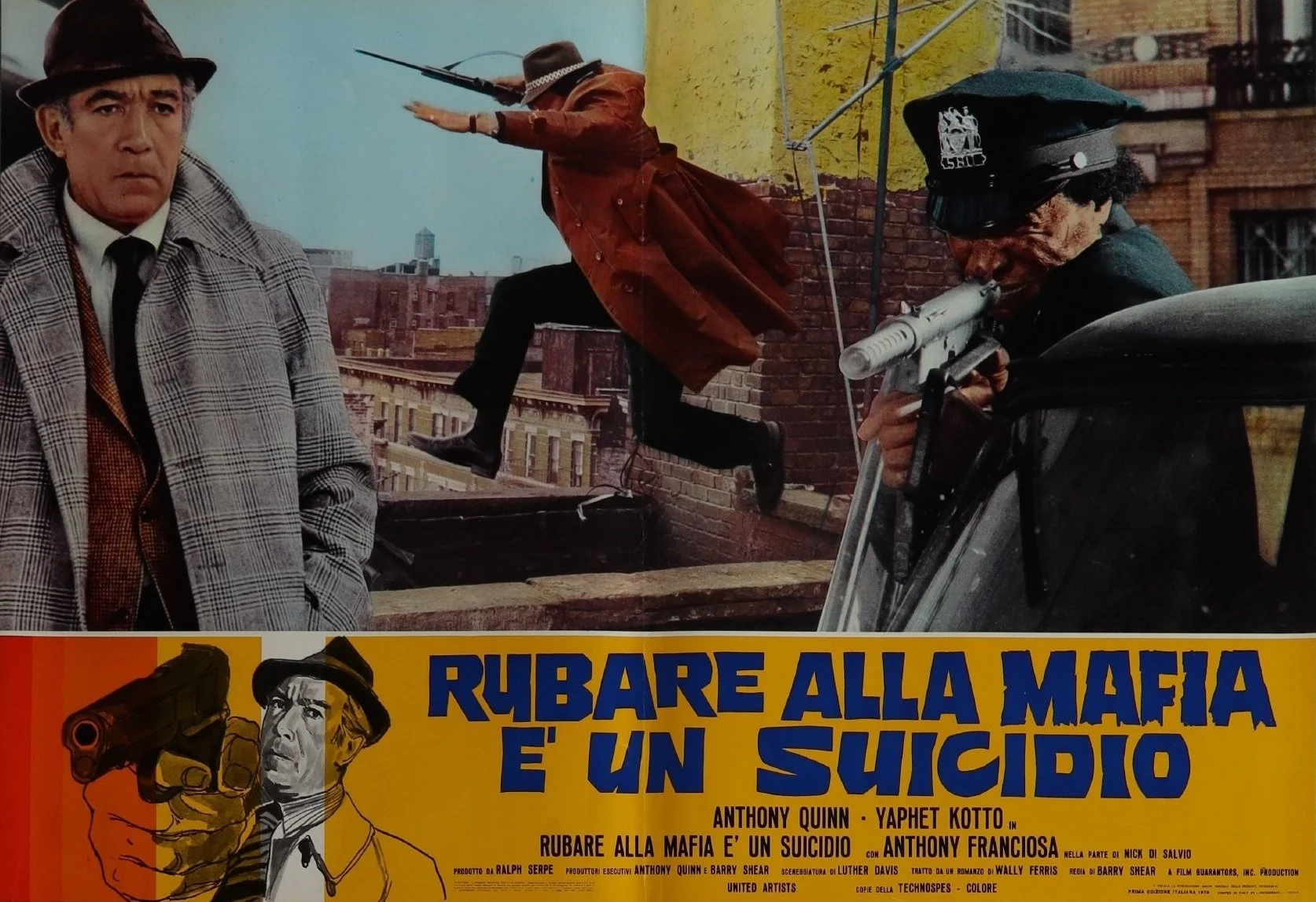
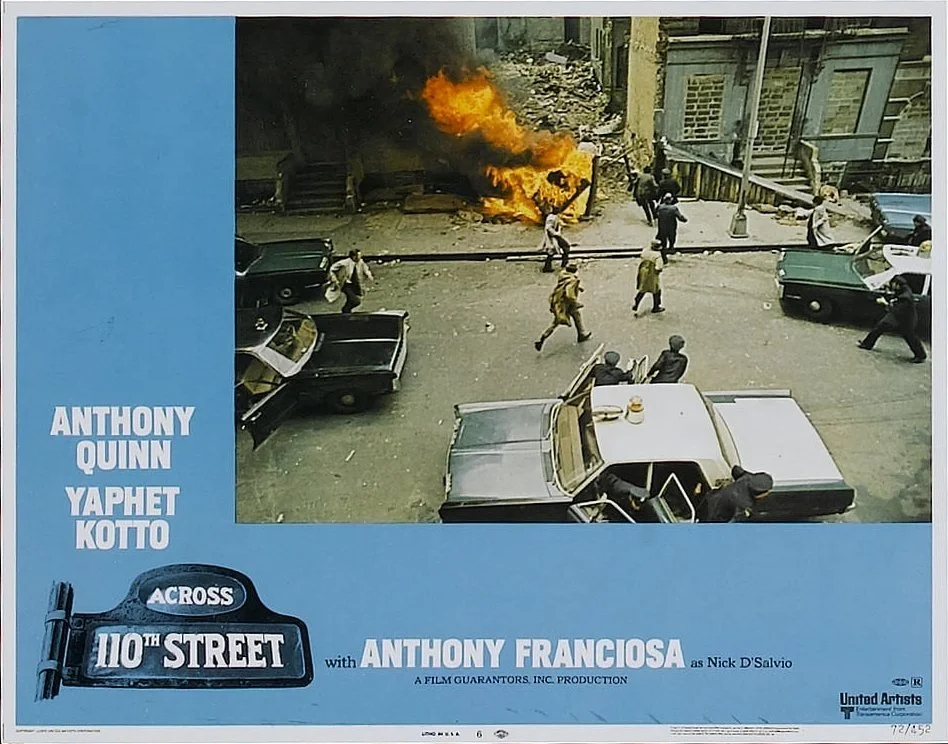
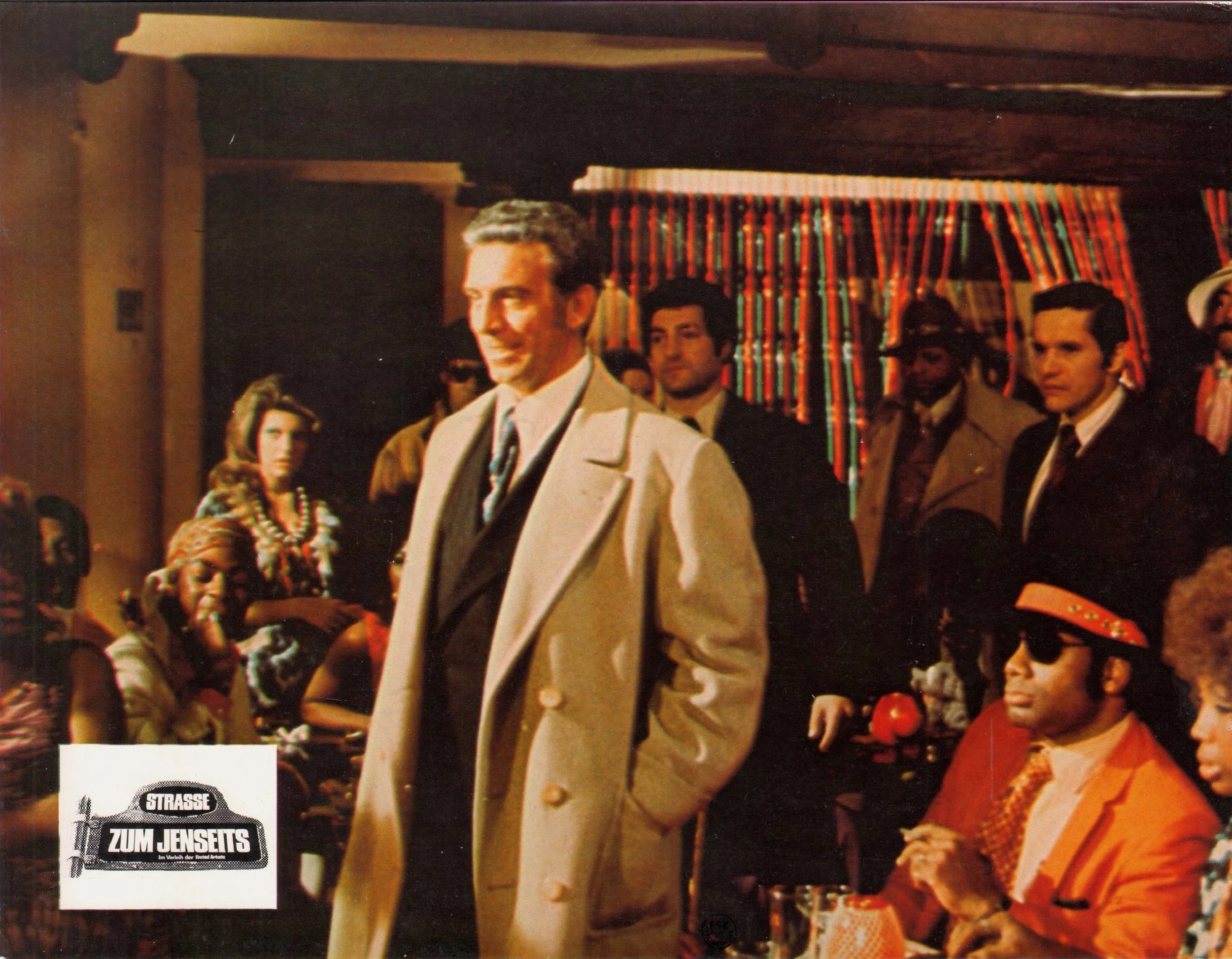
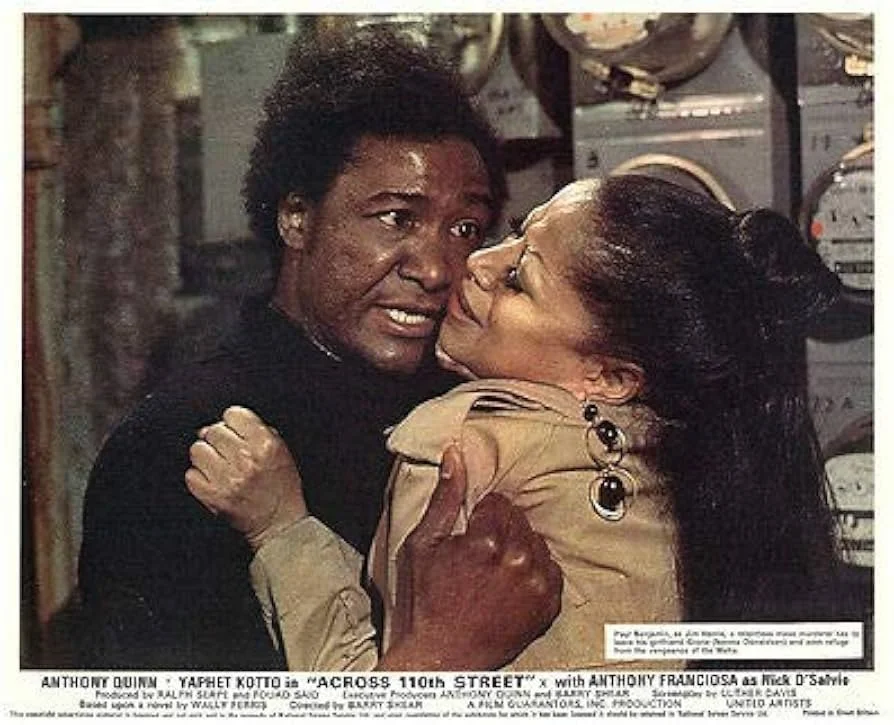
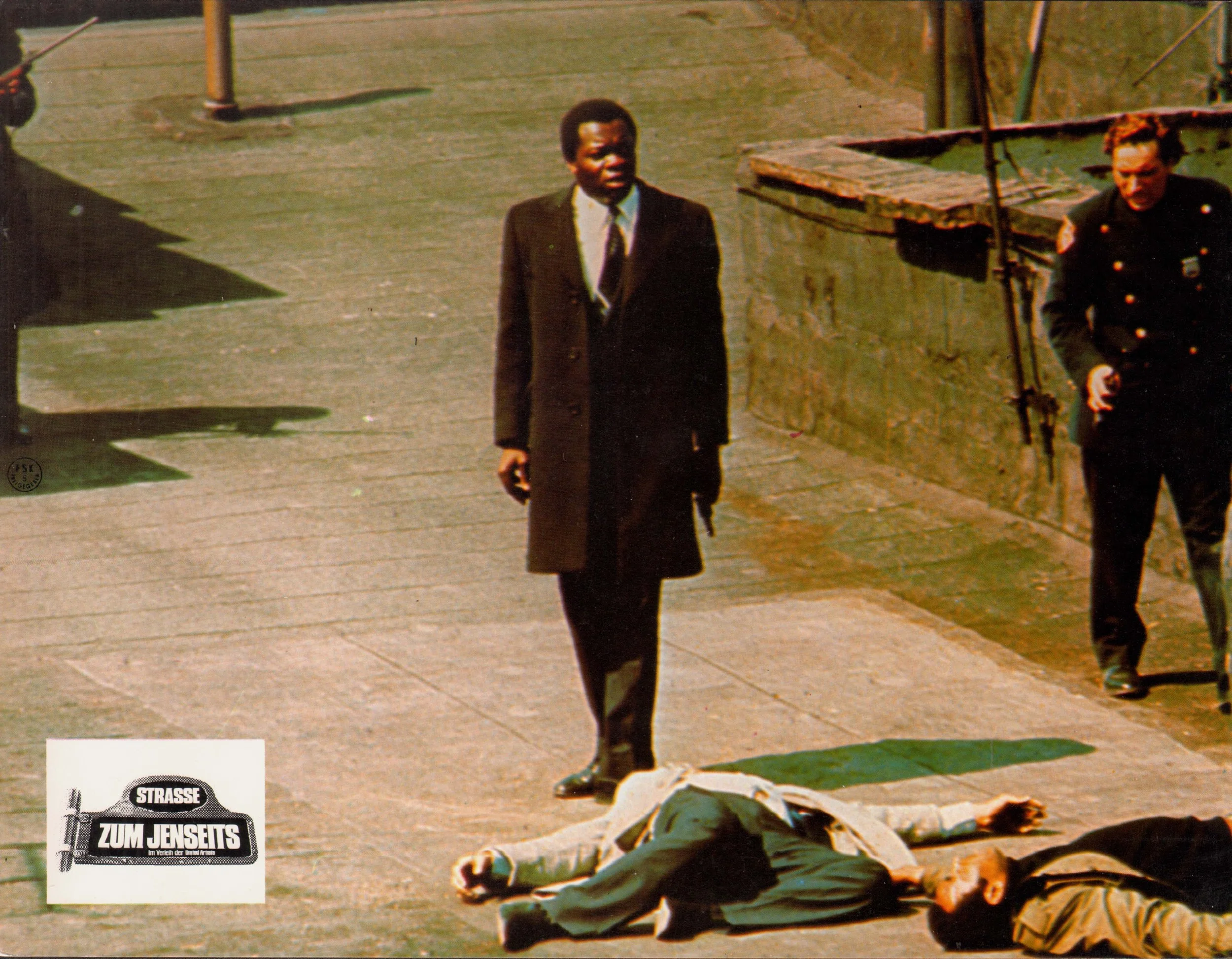
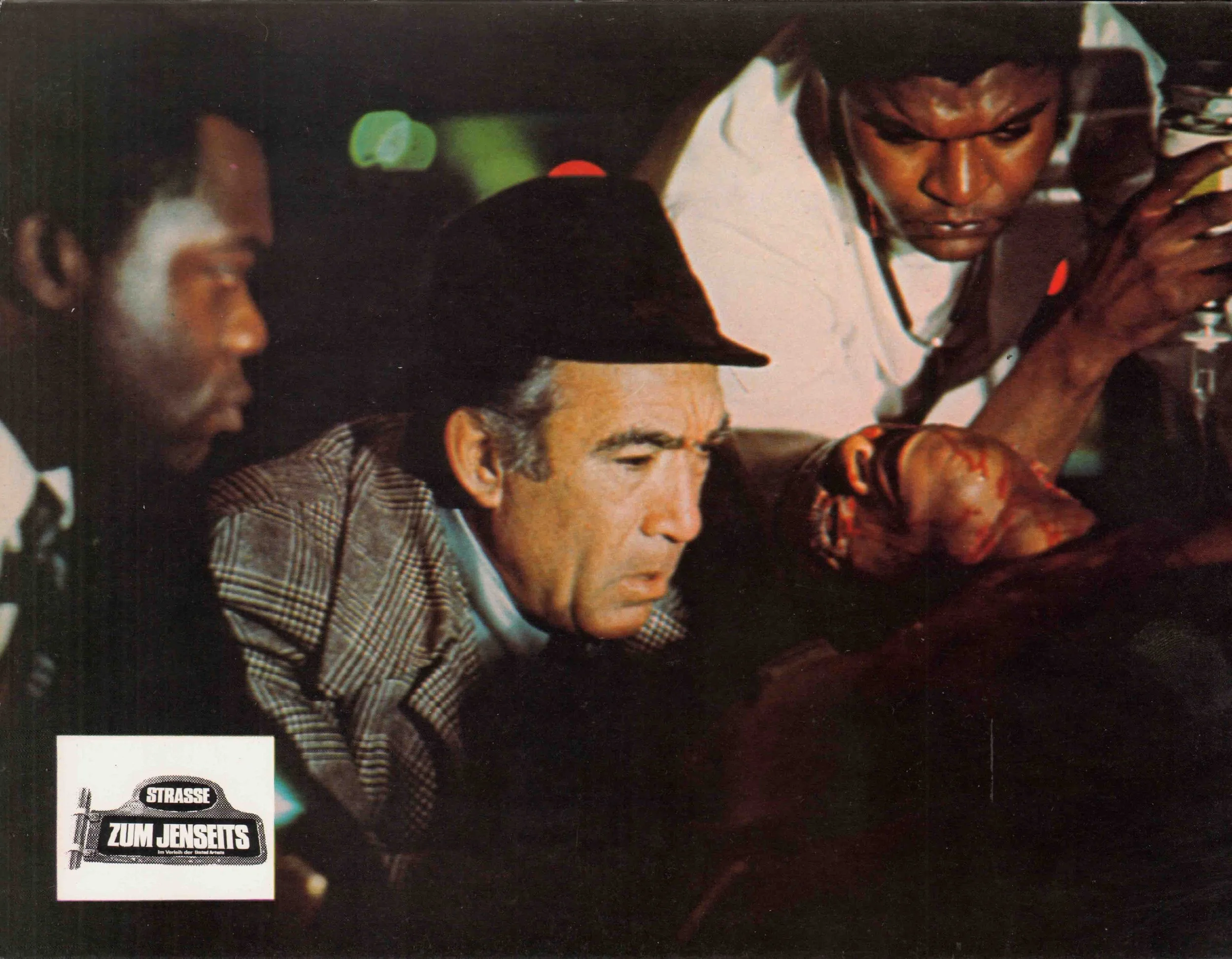
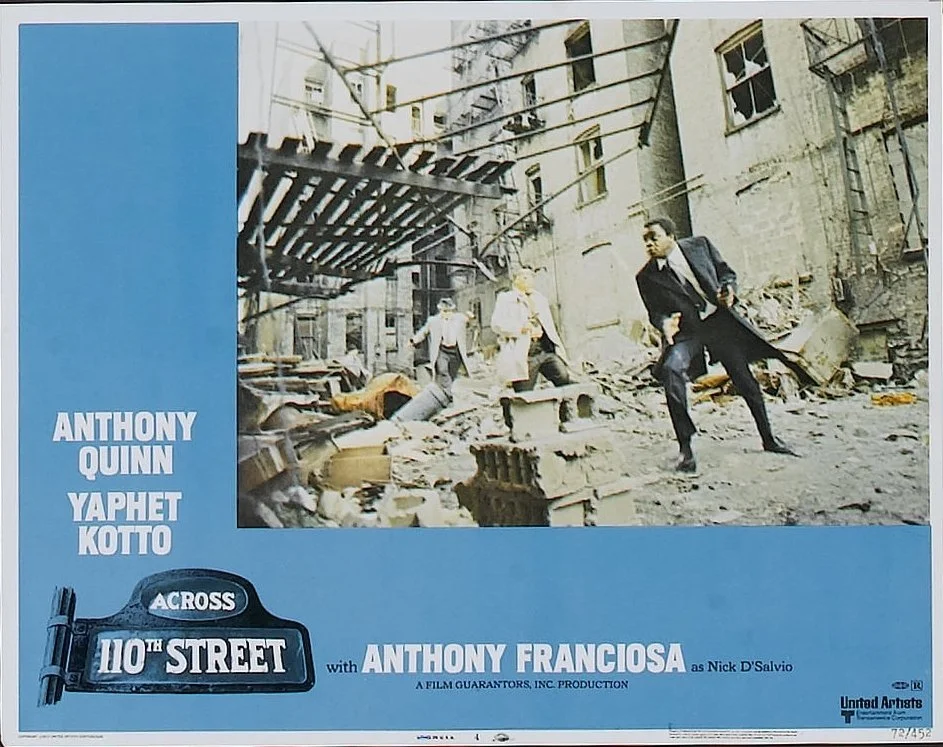
U.S. and international lobby cards
Did you know?
You might recognize Anthony Franciosa as the American crime/mystery novelist Peter Neal in the Dario Argento-directed giallo Tenebrae (1982).
Adjusted for inflation, the $300,000 haul by Jim, Henry, and Joe would equate to more than $2 million today.
Yaphet Kotto and Paul Benjamin would work together again a few years later, starring across Pam Grier in Friday Foster (1975).
Anthony Quinn was an executive producer on Across 110th Street and only signed on to play Mattelli after three Hollywood stars turned down the role. More on this in the supplements.
In the opening scene you can spot a young Burt Young as one of the mobsters counting money before Jim and Joe crash the party.
Most of Across 110th Street was filmed at a staggering 60 different interior and exterior locations throughout Harlem.
The “Across 110th Street” theme song, written by Bobby Womack and J.J. Johnson, was released in February 1973 on the United Artists label. It hit #56 on the Billboard Hot 100 and reached #19 on Billboard’s Best Selling Soul Singles chart.
How did I watch?
Streaming on Tubi
Theme song, Across 110th Street by Bobby Womack
Cast (abridged)
Anthony Quinn – Cpt. Frank Mattelli
Yaphet Kotto - Lt. William Aylesworth Pope
Anthony Franciosa – Nick D’Salvio
Richard Ward – “Doc” Johnson
Antonio Fargas – Henry J. Jackson
Ed Bernard – Joe Logart
Frank Arno – Detective Rizzo
Paul Benjamin – Jim Harris
Norma Donaldson – Gloria Roberts
Crew (abridged)
Director – Barry Shear
Screenwriter – Luther Davis
Author (original novel) – Wally Ferris
Cinematographer – Jack Priestley
Composer – J.J. Johnson
Art Director – Perry Watkins
Running Time: 1h 38m
Recommendations Based on Across 110th Street-
Superfly (1972)
Black Caesar (1973)
The Taking Pelham one Two Three (1974)
Trespass (1992)
Supplements
The Most Underrated Crime Movies of the 1970s (Den of Geek)
15 Weird Facts About Across 110th Street (1972) You Never Knew (The Flashback Room - video)