Gasping for Air: Nanny (2022)
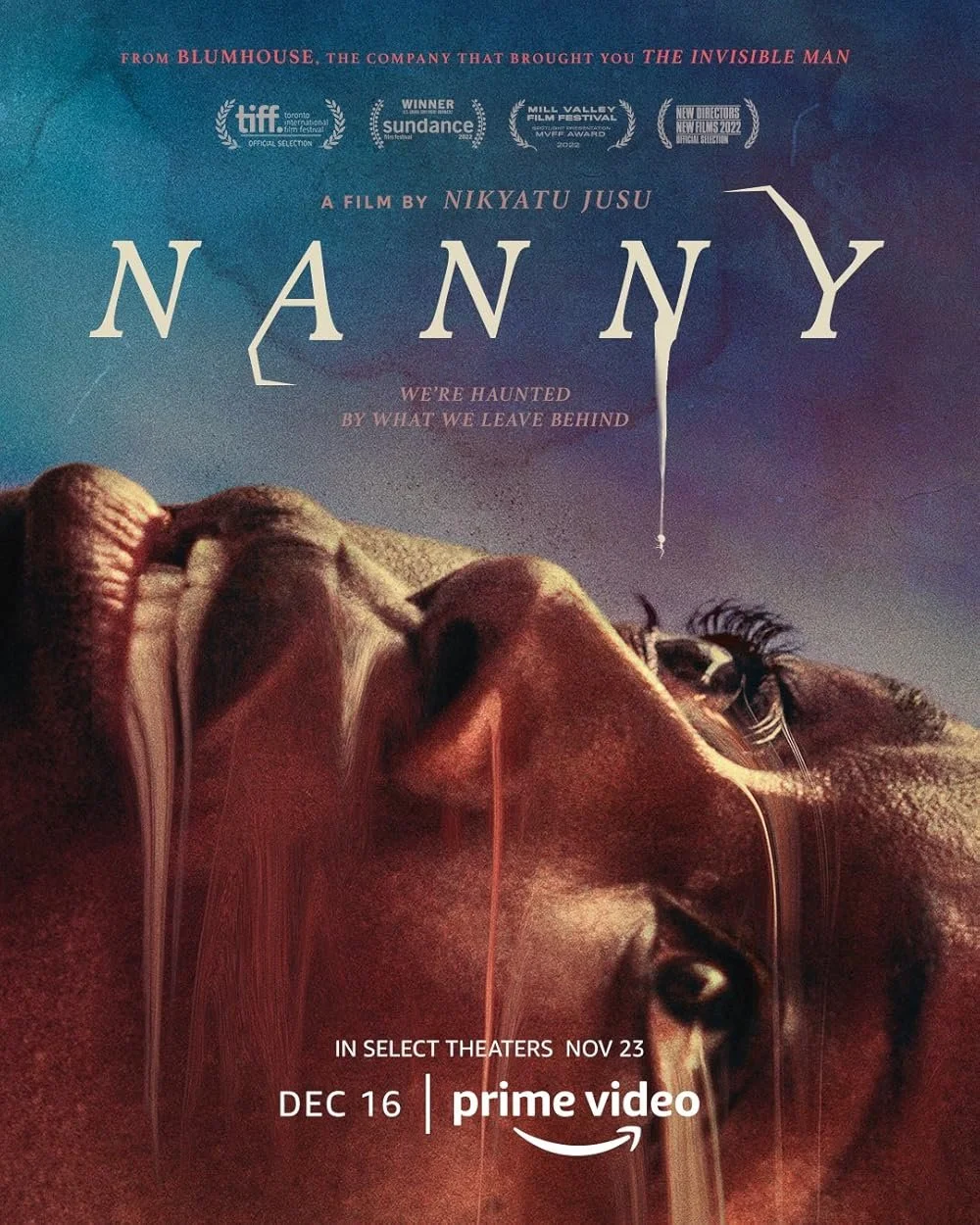
Nanny was originally meant to be part of a Women’s History Month series showcasing a select group of women-directed horror films. As it sometimes does, life got in the way this spring and we had to forgo this idea for 2026 (rest assured, we will renew the series in March 2027). In the meantime, check out our 2025 series Four Films, Four Killer Directors, where we explored Tigers Are Not Afraid, Near Dark, Candyman, and The Babadook, films directed by a diverse group of women who prove, quite decisively, that horror is hardly a man’s game.
And today’s feature Nanny, written and directed by Nikyatu Jusu, is no exception.
Eyes on the prize
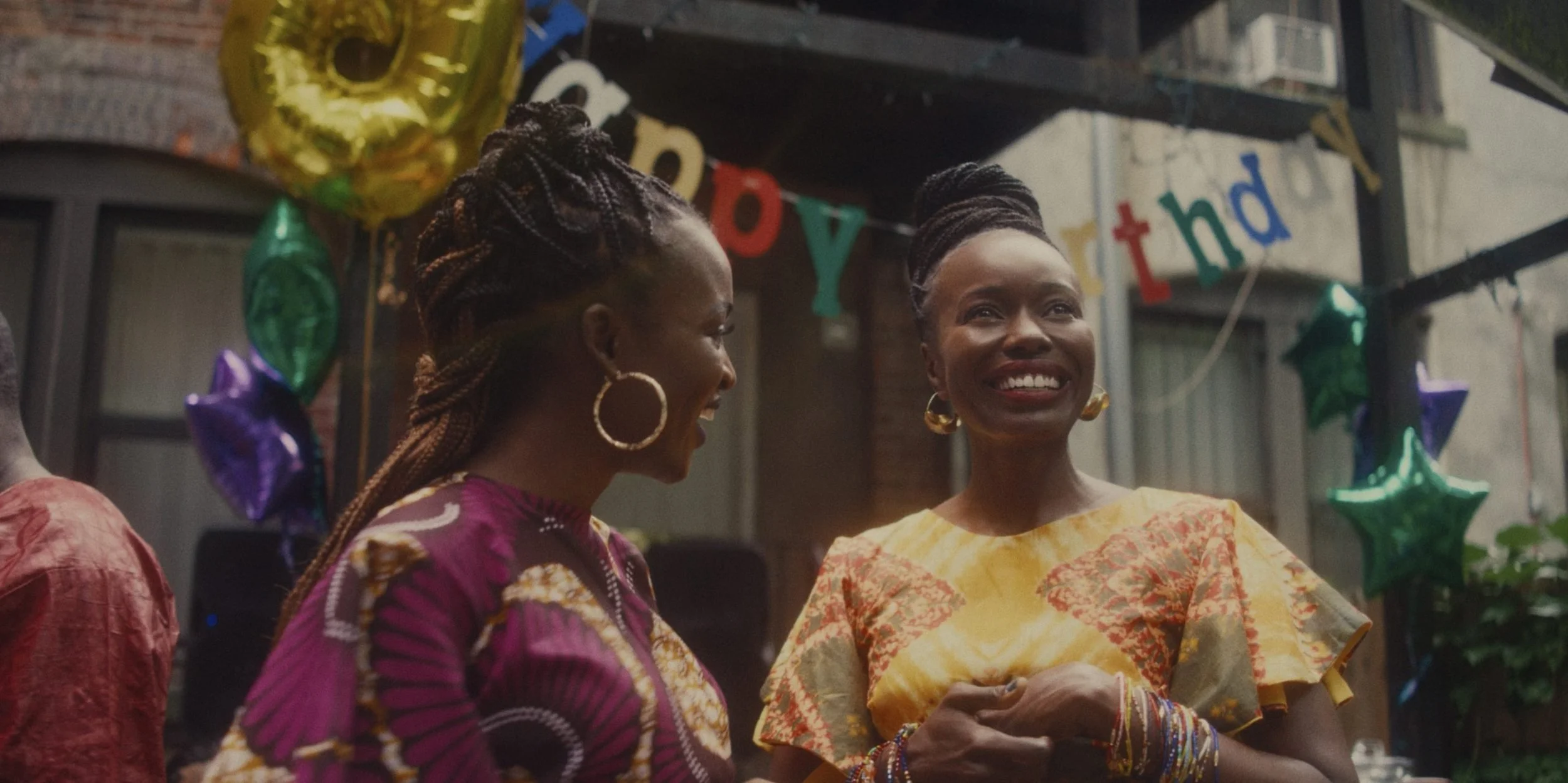
Senegalese immigrant and single mom Aisha (Anna Diop) has been living in the U.S. for nearly a year, trying to save enough money to bring her six-year-old son Lamine (Jahleel Kamara) to live with her in New York City. Heartsick over the long separation, Aisha’s only connections with her boy are through videos and brief chats coordinated by her cousin Mariatou (Olamide Candide-Johnson), who has been taking care of Lamine back home.
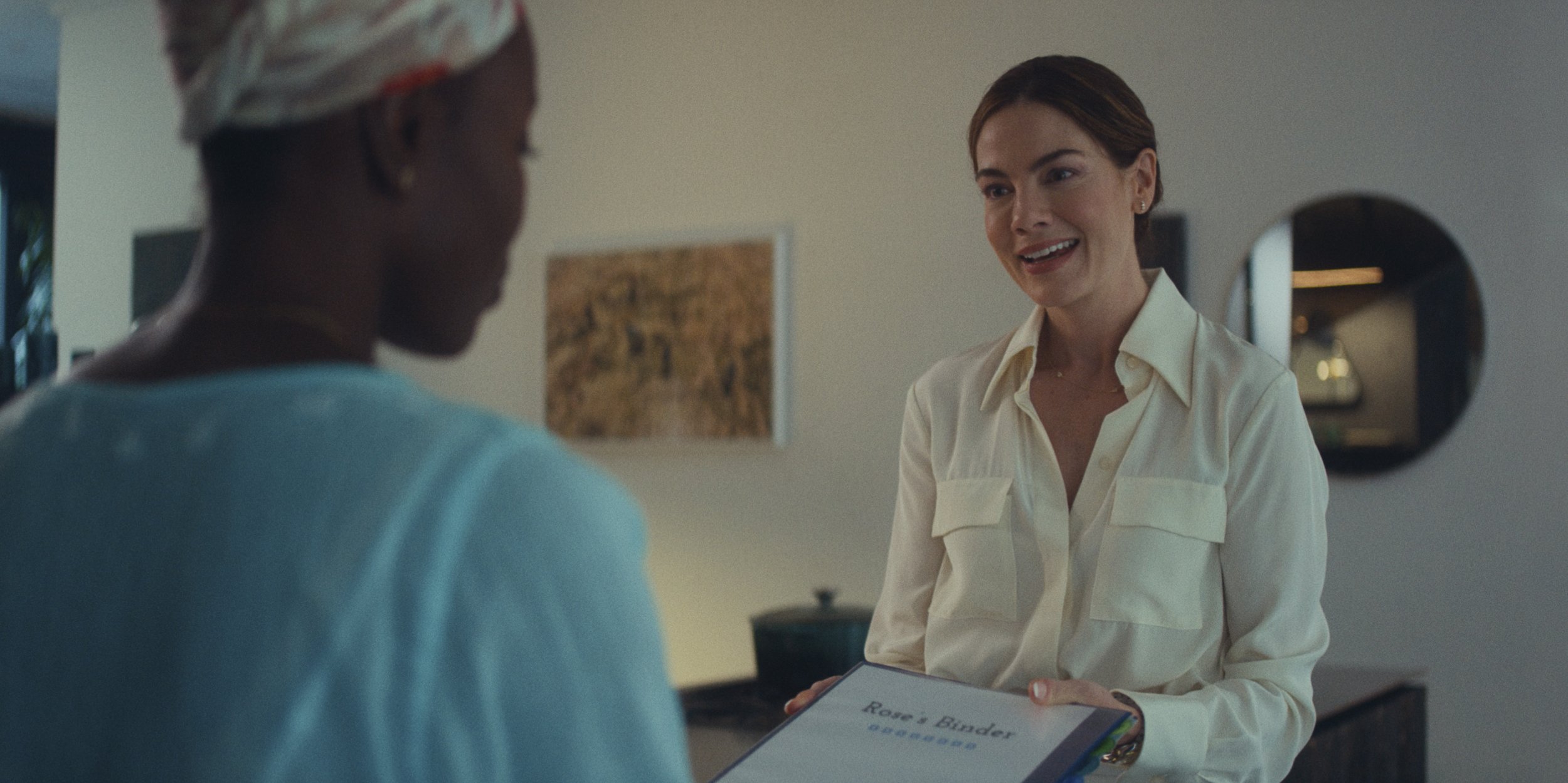
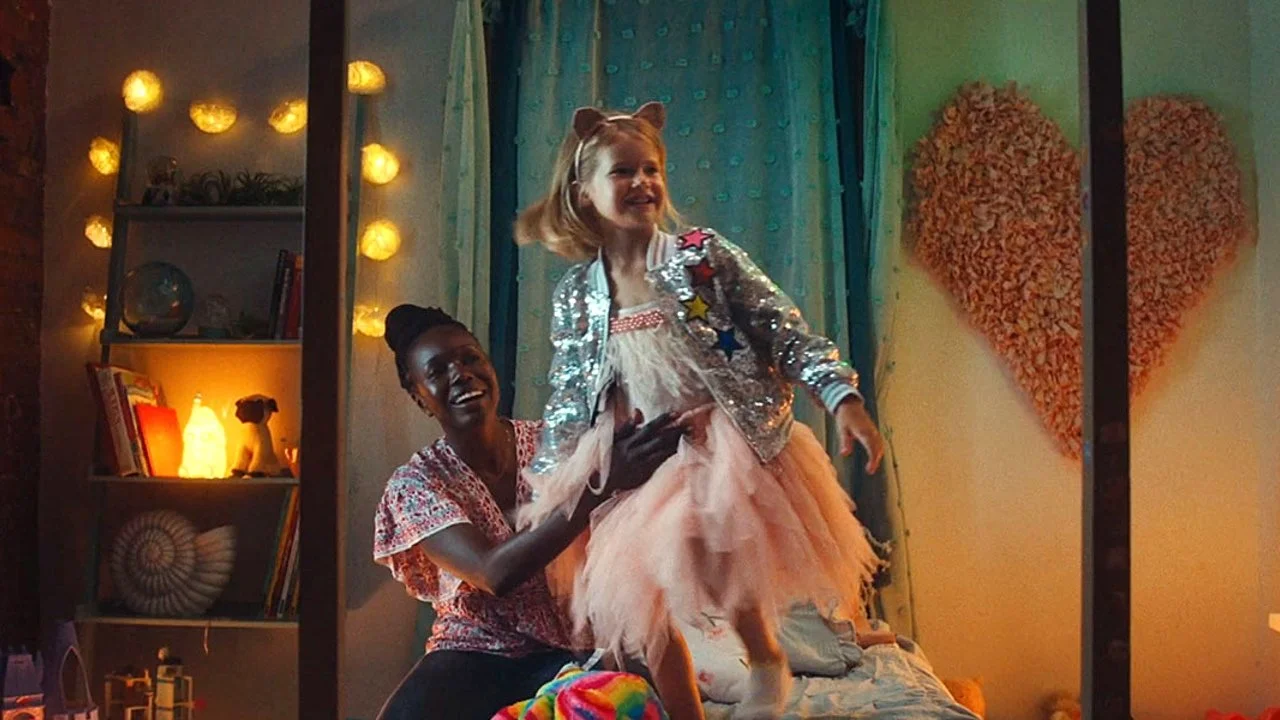
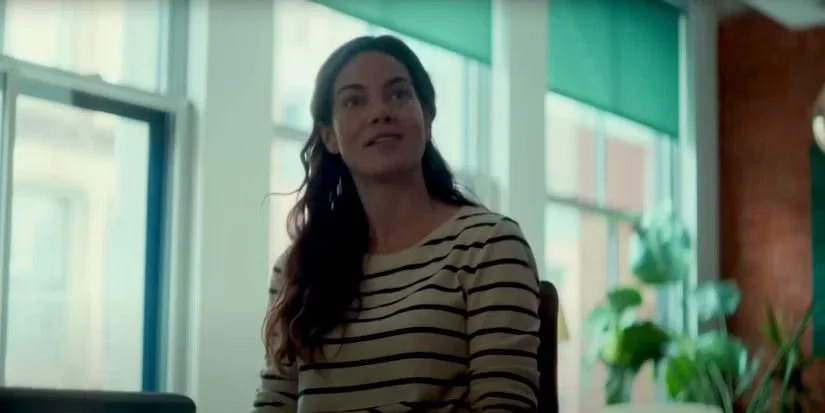
Determined to be reunited with Lamine by his upcoming seventh birthday, Aisha sees her prospects improve when she lands a nanny position with a well-off white family in Manhattan. The family unit consists of Amy (Michelle Monaghan), a fastidious corporate mom, her more laid-back photojournalist husband Adam (Morgan Spector), and their sweet six-year-old daughter Rose (Rose Decker). The three live in a sleek, meticulously styled yet cold Upper East Side apartment that Amy refers to as an “overpriced shoebox”— she’s not wrong.
Under Water and Underpaid
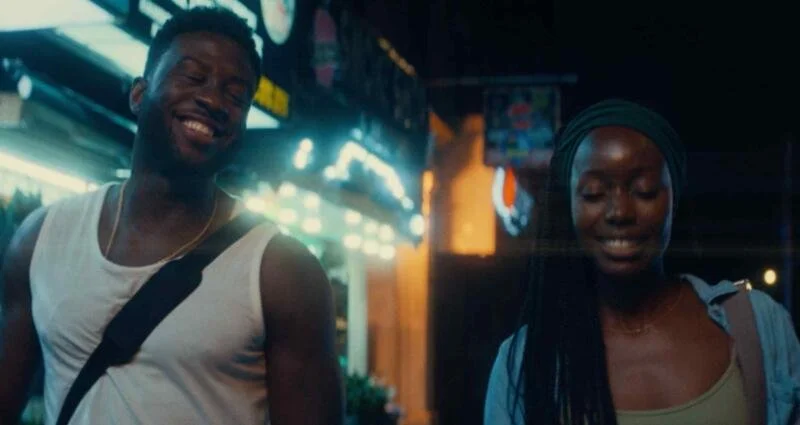
Aisha’s new gig begins well enough as she gets along famously with Rose and takes Amy’s exacting caregiving instructions (and microaggressions) in stride. Aisha even begins a relationship with the building’s doorman Malik (Sinqua Walls), a gregarious single father of a son about the same age as Lamine. This is clearly a big deal for Aisha, who has been burned in her earlier relationship with Lamine’s absent father.
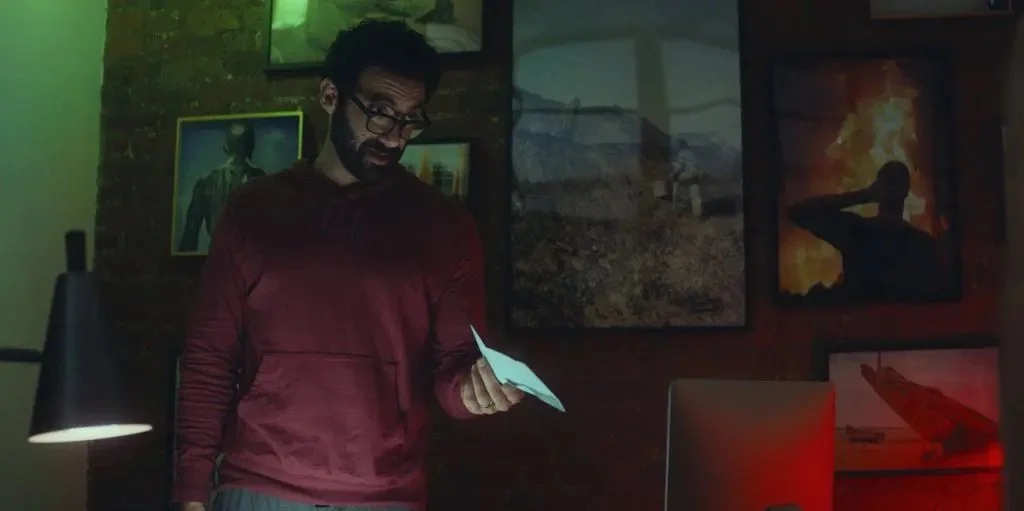
However, it soon becomes evident that Amy and Adam have a dysfunctional relationship of their own that will make Aisha’s job very difficult. Amy is perpetually exhausted and resentful at having to be the primary breadwinner for the family, working long hours at a male-dominated corporate job. Adam comes across as more laidback and he expresses interest in to getting to know Aisha. However, we are led to understand that he engages in extramarital affairs and has a wandering eye that does not exclude his daughter’s nanny. Amy’s forgetfulness—namely in paying Aisha—only exasperates tensions among the three.
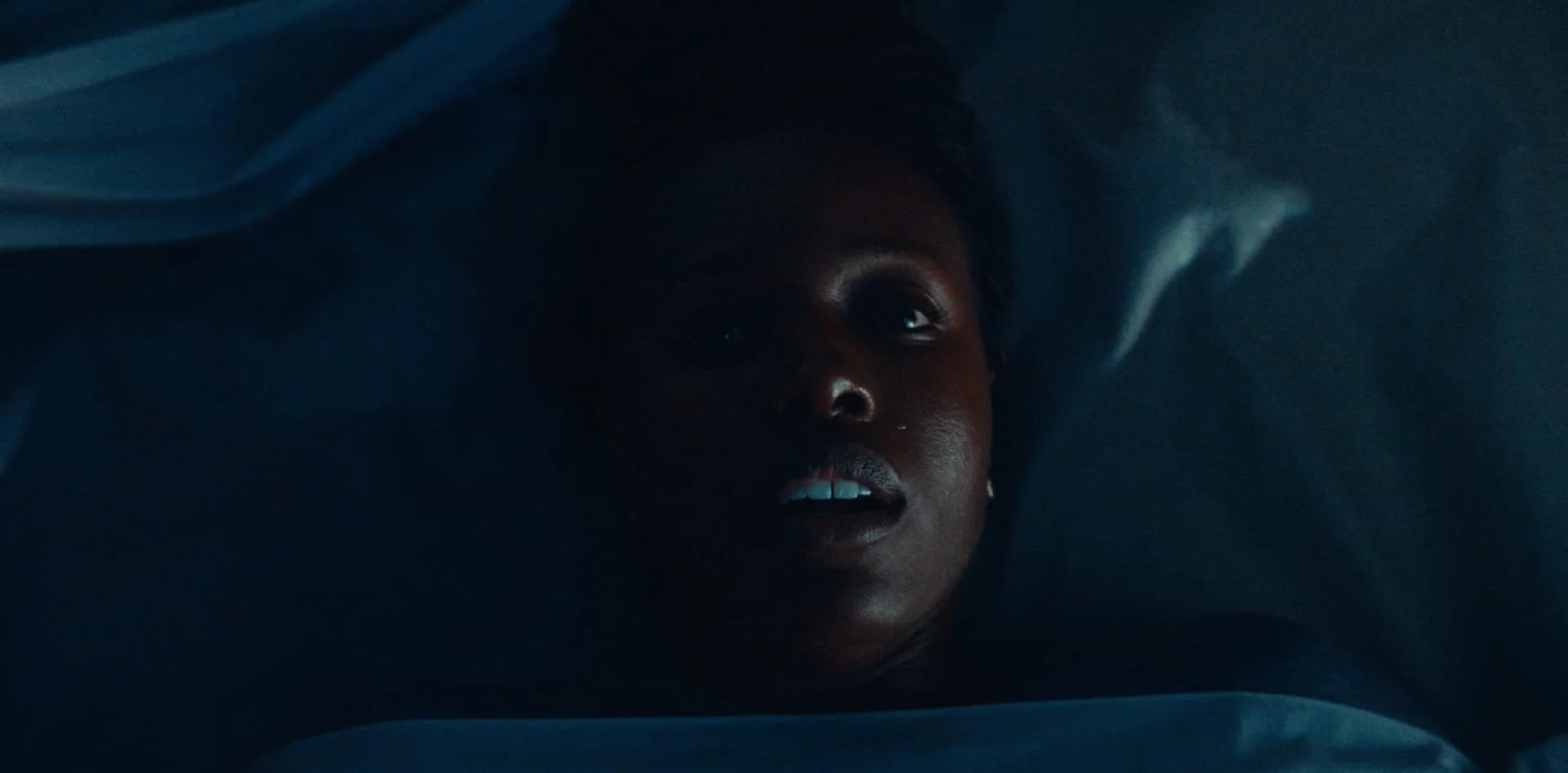
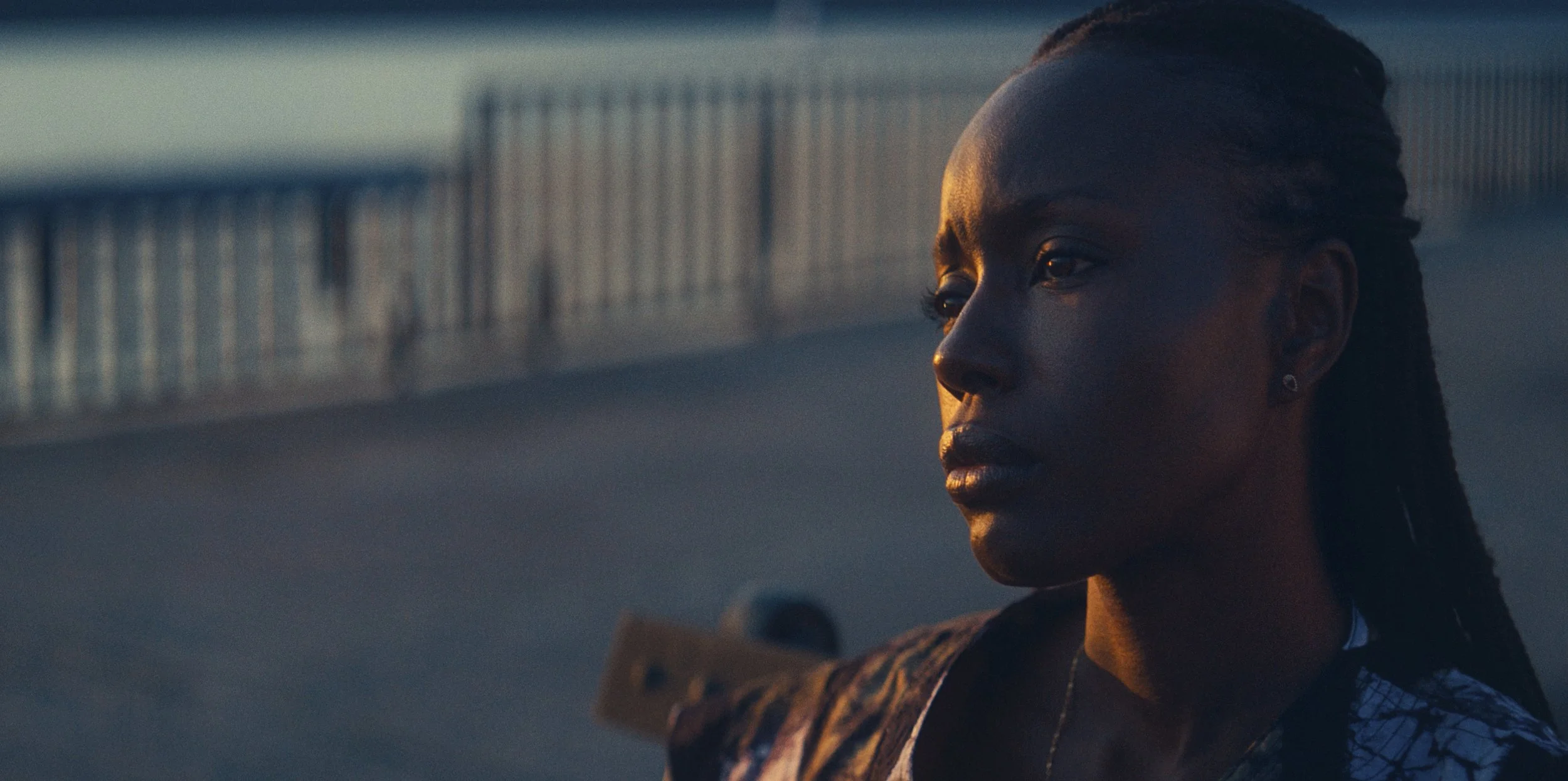
Meanwhile, Aisha begins having a series of nightmares and terrifying if enigmatic visions featuring mostly water imagery. She also has a series of encounters with mysterious beings, including a tiny little spider and a mermaid-like creature with a fish tail and blackened eyes. While it is not apparent whether these beings are purely malevolent or represent something more amorphous, Aisha has a strong inclination that their presence has a meaning or purpose yet to be revealed.
Anansi & Mami Wata
Fortunately for Aisha, Malik’s grandmother Kathleen is a psychic and quasi-priestess who spent 10 years in West Africa. Highly attuned to these forces evocative of the region’s folklore, Kathleen provides much needed background for Aisha and us. The spider is a wily, even dangerous trickster-like figure called Anansi and the mermaid is an ancient water spirit called Mami Wata. As Kathleen explains it, both are symbols of survival and resistance of oppressed people that challenge the dominant order and subvert it through chaos, anarchy, and creative energy. Refusing to be ruled by the human or the divine their appearance can be a harbinger of future tribulations, good fortune, or perhaps something else.
Kathleen senses a kindred spirit in Aisha; both women have experienced pain and trauma in their lives and share an openness to the supernatural forces around them. Aisha grapples to make sense of the cryptic forces and her yet unrealized dream of reuniting with Lamine. What do Anansi and Mami Wata foreshadow for Aisha, and which side of the coin do they ultimately represent?
My two cents
Nanny had its world premiere at the Sundance Film Festival in the winter of 2022, where it became the first horror film to win the Grand Jury Prize, making Jusu only the second Black woman to take home the award. After a limited theatrical run, the film made its streaming debut on Prime Video in December 2022.
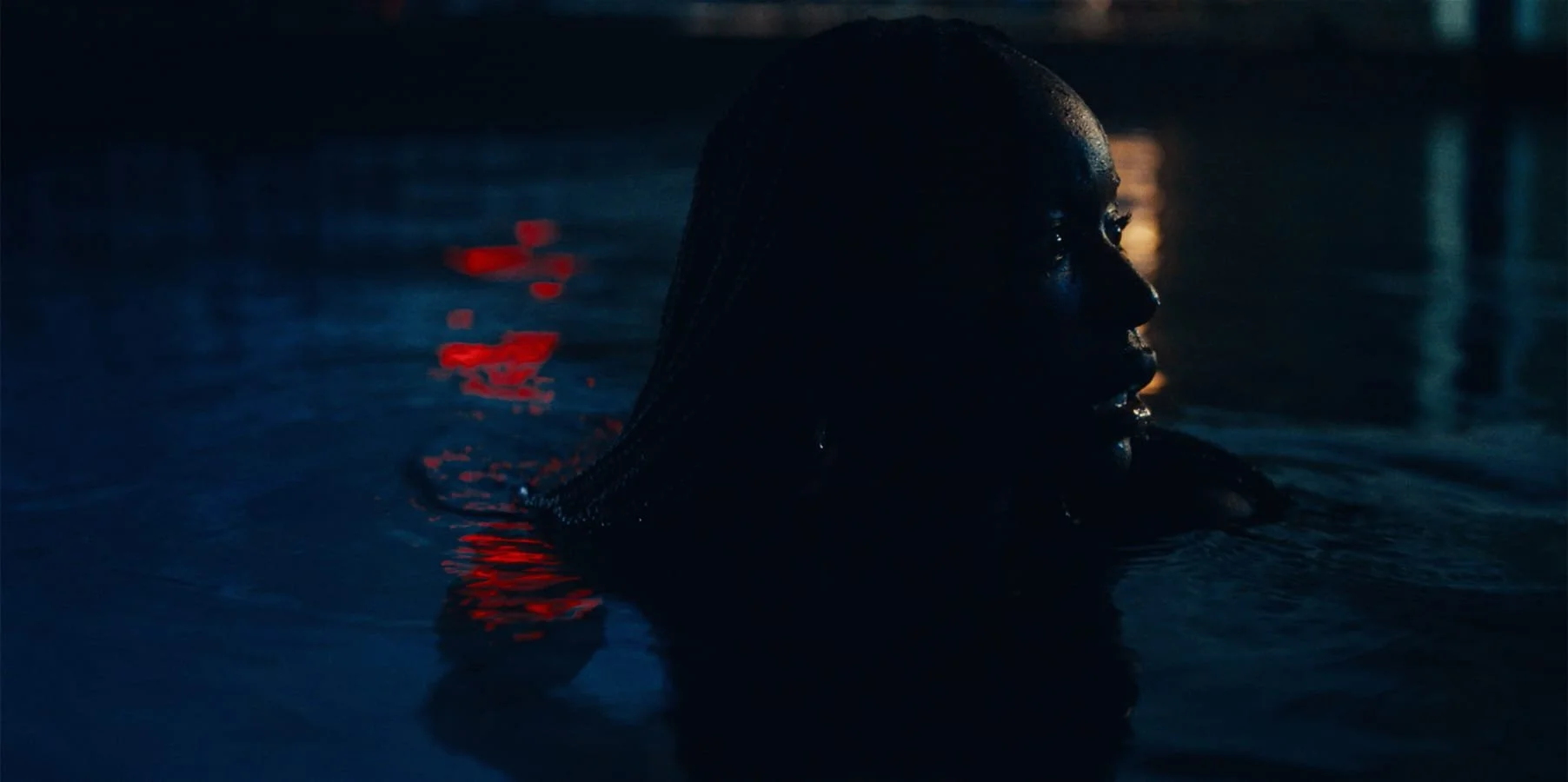
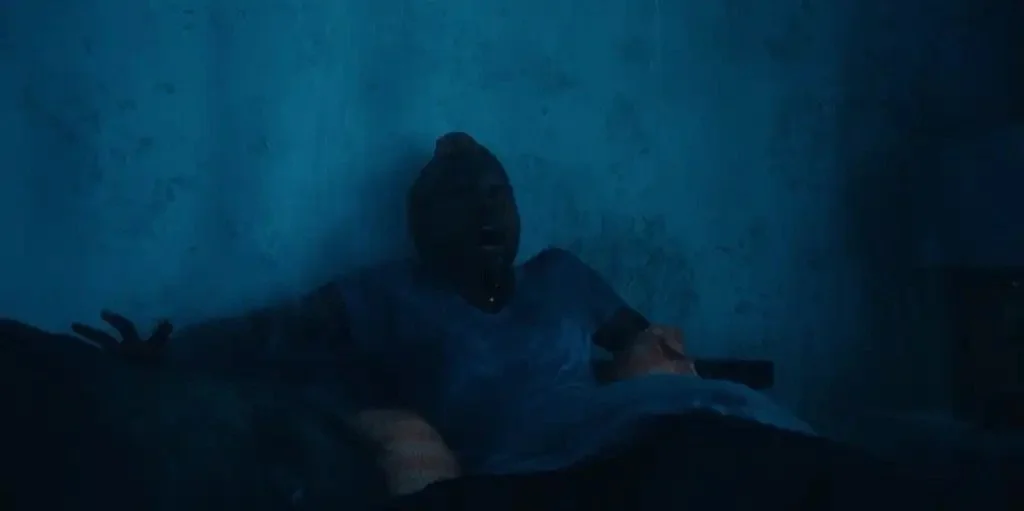
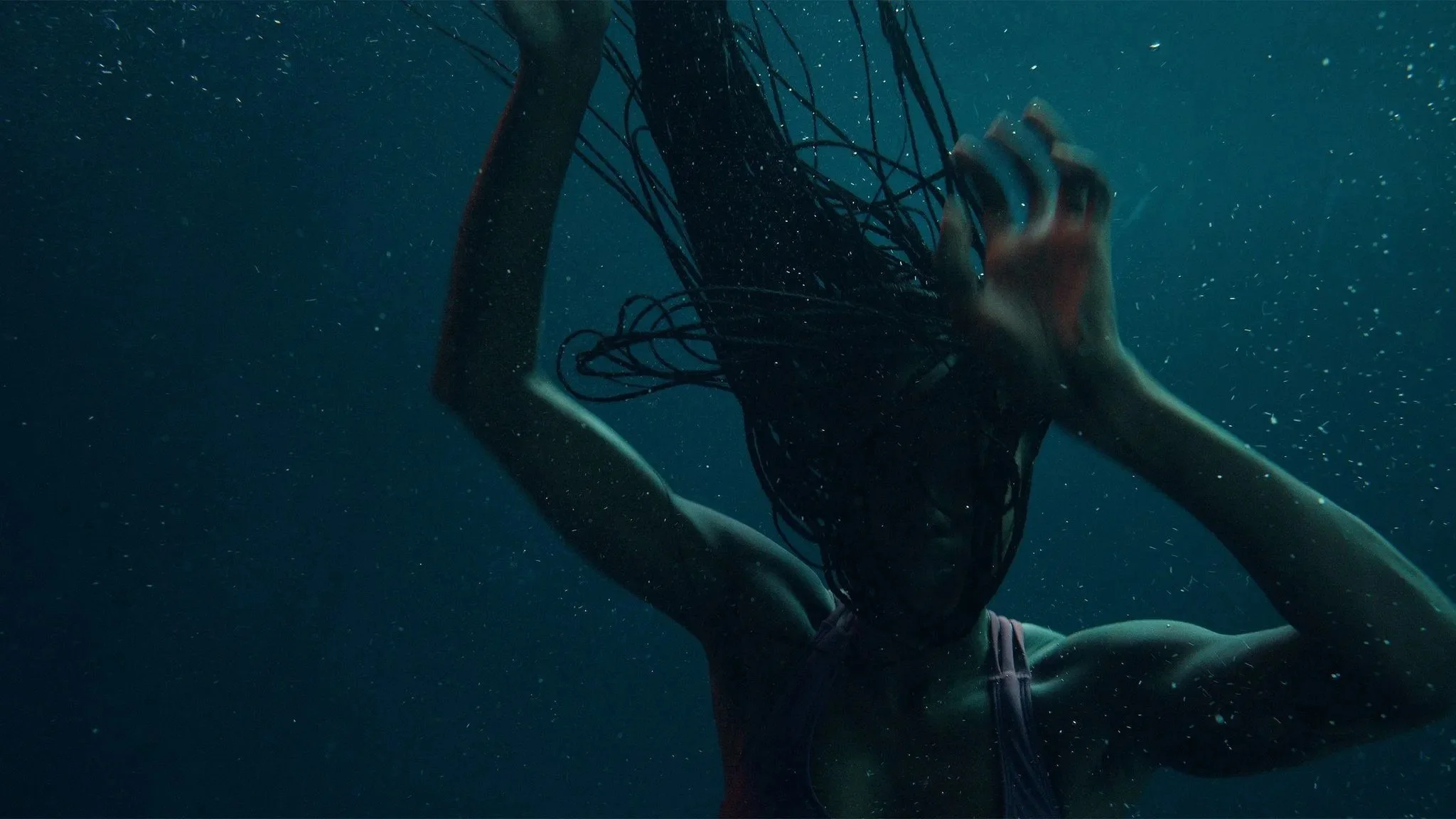
While it’s been streaming for a while now and has received its share of critical success, it hasn’t necessarily made a major splash among horror movie aficionados. This might be in part because Nanny is stylistically light on traditional horror elements and the scares are few and far between. Jusu is much more interested in Aisha’s story and the fantastical world rooted in West African folklore, which is sprinkled throughout the film. That’s not to say that the former and latter are antithetical to effective horror. In fact, these components could come together and make for a sharp supernatural chiller, though what we get is somewhat more diffuse. That said, there are some poignant, nightmarish images,—sparse as they may be—that had me squirming. One particular scene sees Aisha suffocating and drowning and while it appears to be one of her dark visions, it still has her and us gasping for air.
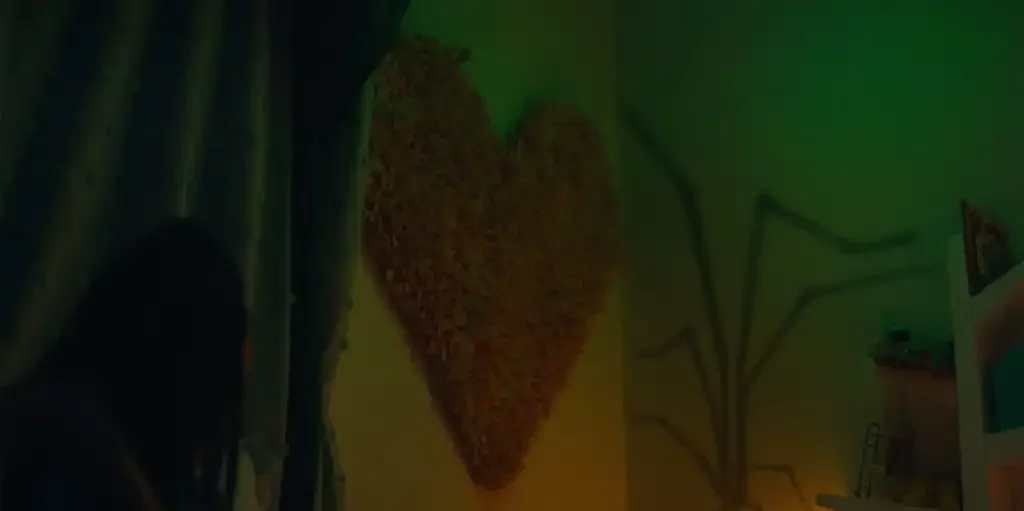
Most of what we learn about Anansi and Mami Wata is delivered by Leslie Uggams’ Kathleen through impassioned exposition. I really enjoyed these scenes and appreciated learning about the West African folkloric roots of these characters. However, I would have liked to have felt their presence just a bit more in the film. That said we are provided with glimpses, such as when see the shadow of Anansi stretching across the wall of Rose’s bedroom or when Mami Wata pulls Aisha down into the darkened abyss of a public pool. There is one more scene (which I do not want to spoil) where Anansi manipulates Aisha in a way that might have even had deadly ramifications for one character. These brief supernatural moments remind us that this is a horror film at its core.
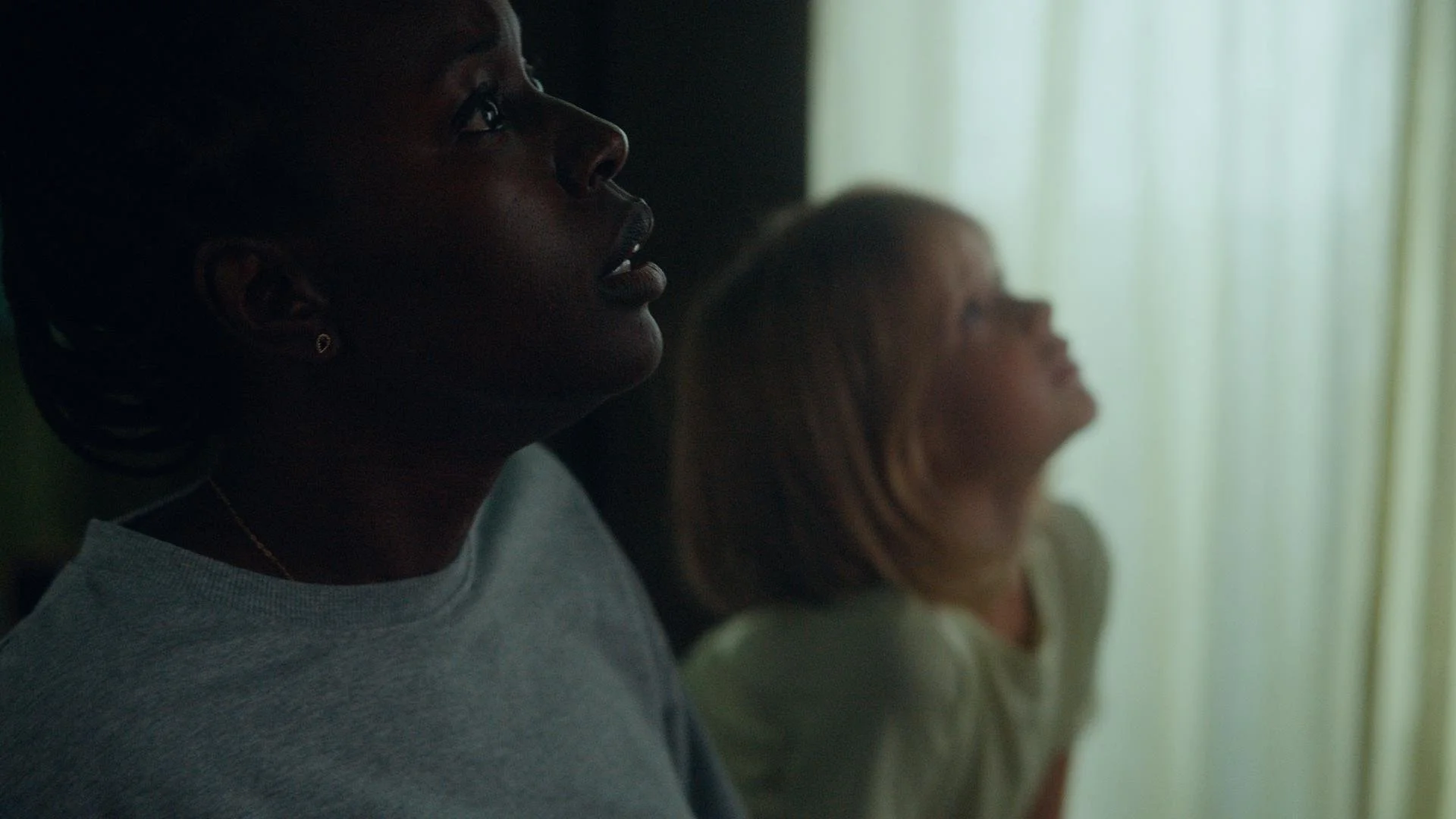
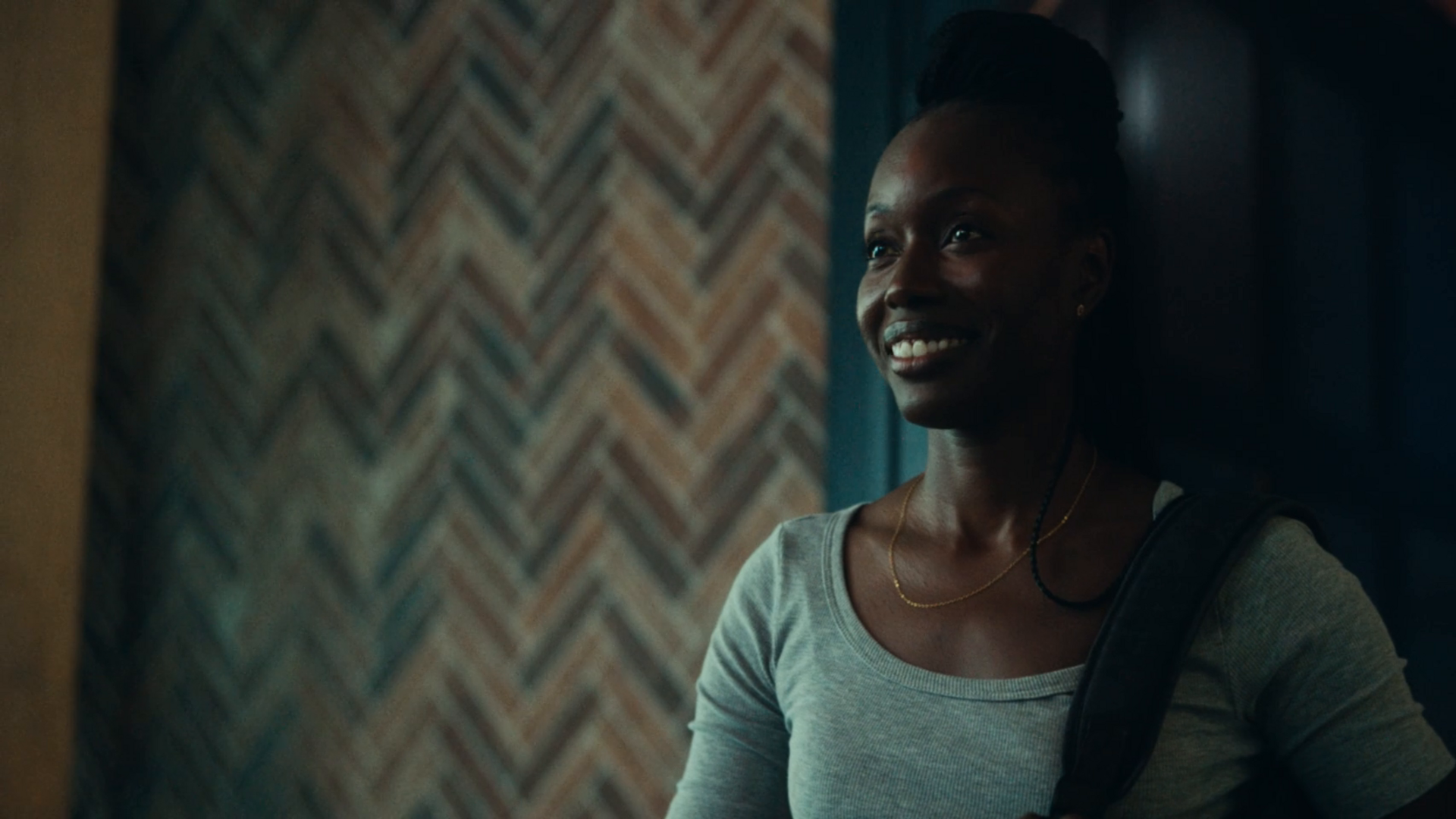
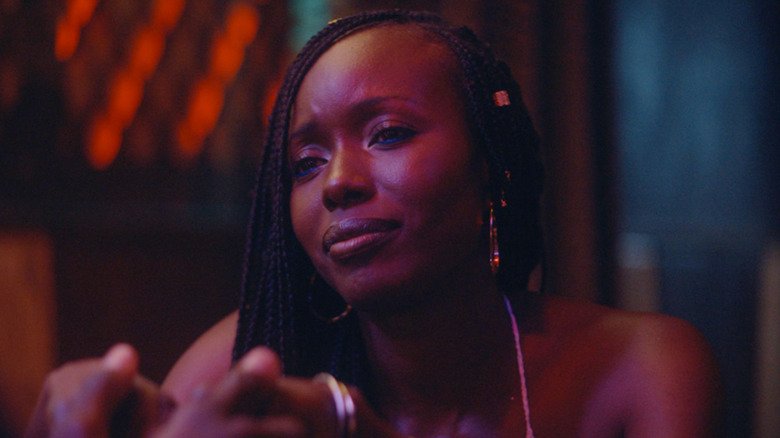
While the cast of Nanny is strong all around, you could argue that it is very much Anna Diop’s film. Her compelling yet restrained performance is visceral and permeates nearly the entire movie. In fact, I am hard pressed to recall many moments where she is not on screen. Aisha teeters on a razor’s edge of hope and despair, along with a vague sense of dread that seems to hang about her throughout the film. Friends and relatives implore her to relax and have fun and yet her sadness and preoccupation are almost ever present.
Aisha’s story is one that resonates on many levels—a tale of single motherhood, racial marginalization, and the isolation and displacement felt within the immigrant experience. As our current administration continues to scapegoat, demonize, and target Brown and Black immigrants with a fervor arguably not seen in decades, I suspect this film hits even harder than it did upon its initial release in 2022.
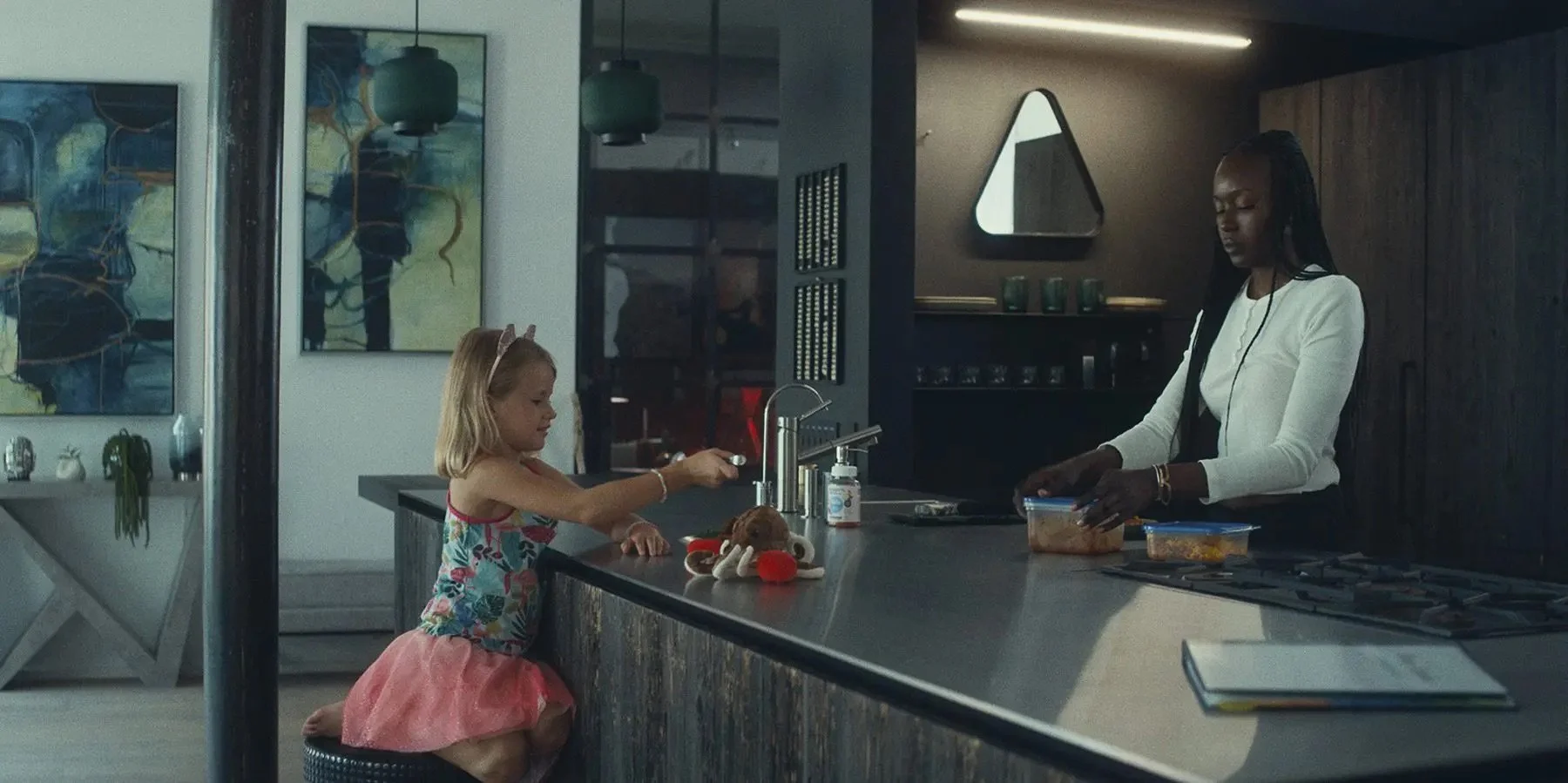
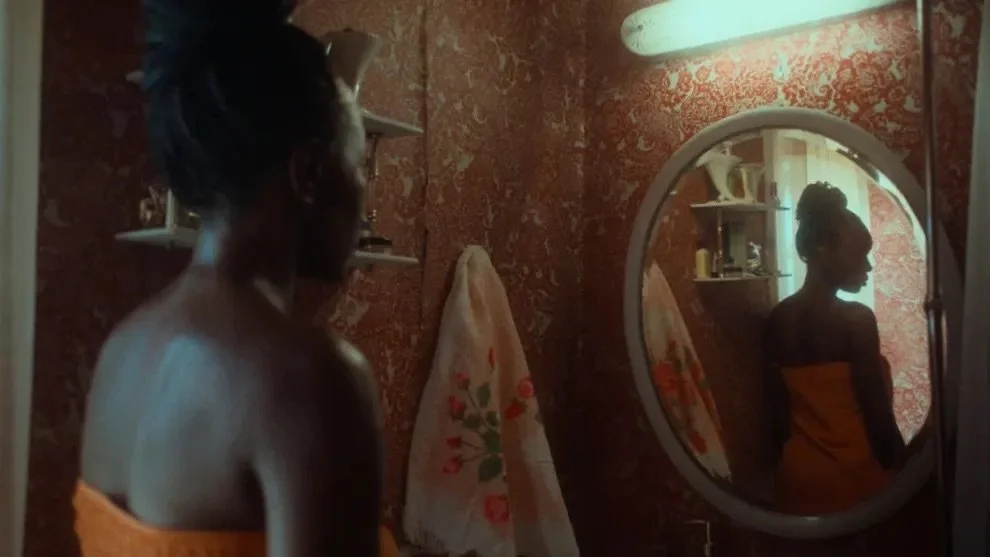
In terms of production design, Amy & Adam’s apartment is nearly a character of its own with its trendy modern furnishings and fixtures, jarring green lighting, tight layout, and somber walls of dark grey and muted blues. Together, these elements create a sense of claustrophobia and unease that mirror the couple’s dysfunctional relationship and Aisha’s own fractured psyche. Check out the supplements for more insights on the design aesthetic, including choices made by production designer Jonathan Guggenheim.
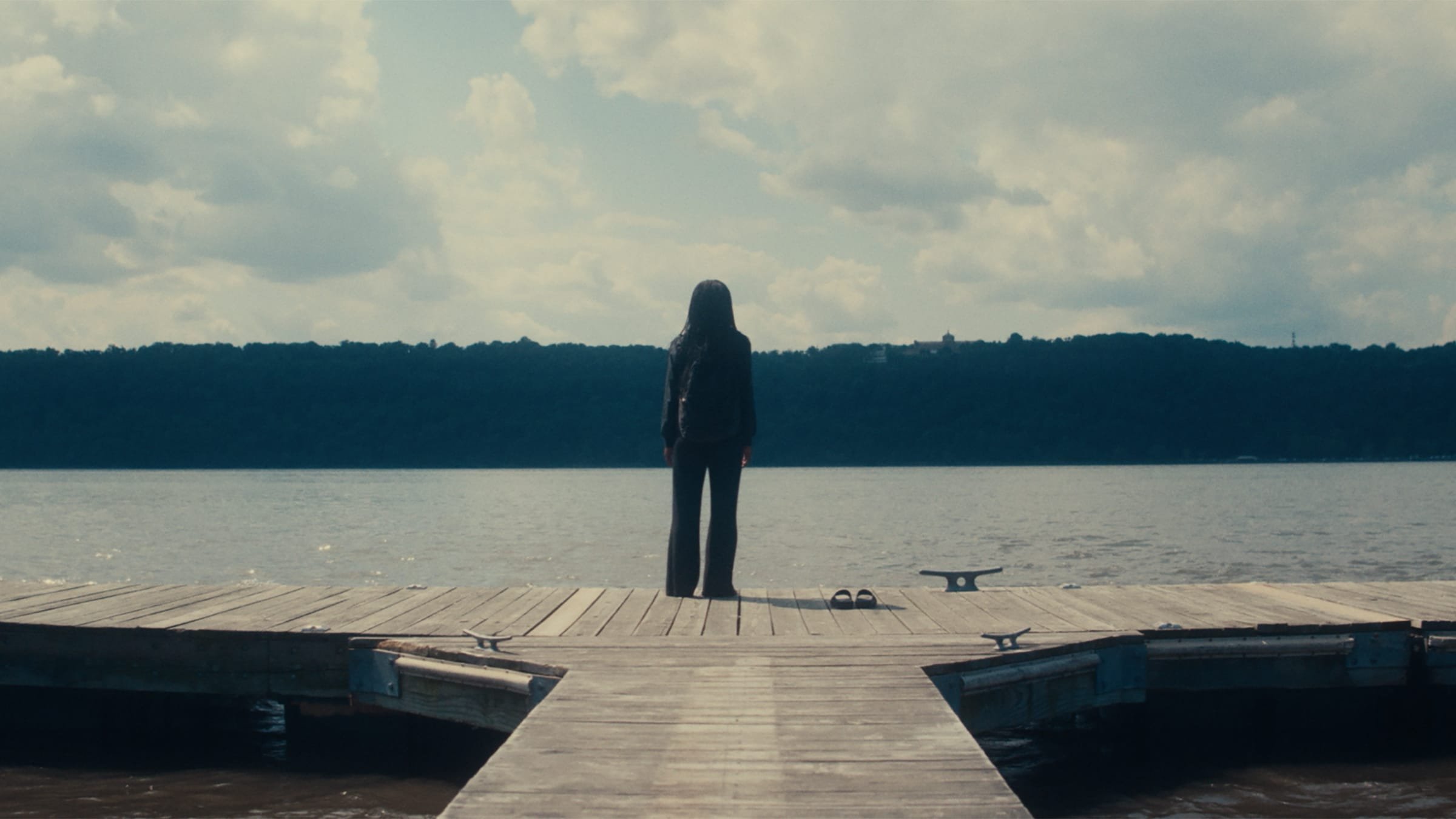
Another standout is Rina Yang’s cinematography which soaks in plenty of natural light in both interior and exterior shots on the streets of New York and across the iconic Hudson River. The nighttime photography by Yang, who mostly shot music videos and commercials before this project, also captures that inky blue/black hue of city streets. Similarly, shots inside Amy & Adam’s apartment at night have an unnatural, portentous feel, as if something menacing is lurking in every shadowy corner.
Did you know
Writer/Director Nikyatu Jusu is a first-generation Sierra Leonean-American, born and raised in Atlanta, GA. She studied Literature and Film at Duke University and received her MFA in Film Production from NYU’s Tisch Graduate Film School. She currently teaches directing and screenwriting at George Mason University’s College of Visual and Performing Arts.
Much of Nanny was filmed on location around New York City, including lower Manhattan, Tribeca, Harlem, and Brooklyn.
Sharing a country of origin with her character, Anna Diop was born in Senegal and moved with her family to the U.S. at the age of six.
Aisha reads Rose the children’s book Anansi the Spider: A Tale from the Ashanti. The book was written and illustrated by Gerald McDermott and originally published in 1973. My daughter has a copy and for a stretch it was regularly featured as a bedtime read.
Jollof rice comes up several times in the film, highlighting this signature tomato-based spiced rice dish from West Africa.
According to a November 2024 article in Bloody Disgusting Jusu will be directing an untitled horror project from Universal which is set in the same universe as David Cronenberg’s 1986 sci-fi/horror film The Fly. Time will tell if that project will be realized.
Mami Wata is a significant figure in ancient African and Afro-Carribean mythology and folklore with her origins dating back thousands of years.
Having spent most of her formative years in the U.S., Anna Diop has no perceptible Senegalese accent. She worked three to four hours daily for two weeks with KD Sene, a Senegalese professor, linguist, and rapper, to cultivate the accent.

Anna Diop & Nikyatu Jusu
How did I watch?
Streaming on Amazon Prime Video
Crew (abridged)
Anna Diop – Aisha
Michelle Monaghan – Amy
Sinqua Walls – Malik
Morgan Spector – Adam
Rose Decker – Rose
Leslie Uggams – Kathleen
Olamide Candide-Johnson – Mariatou
Zephani Idoko - Sallay
Crew (abridged)
Writer & Director – Nikyatu Jusu
Cinematographer – Rina Yang
Production Designer – Jonathan Guggenheim
Composers – Bartek Gliniak, Tanerélle
Producers – Daniela Taplin Lundberg, Nikkia Moulterie
Running Time: 1h 39m
MPA Rating –R
Recommendations based on Nanny-
Tigers Are Not Afraid (2017)
His House (2020)
No One Gets Out Alive (2021)
Supplements-
Nanny: Troubled Water (Criterion)
The Alluring Design Details of the Apartment in Nanny (Film and Furniture)
‘Nanny’ Director Nikyatu Jusu and the Filmmakers Behind the Horror Film on Making Sundance History (Variety)