In Keeping with the Season: A Rundown of Six (Sort of) Christmas Movies
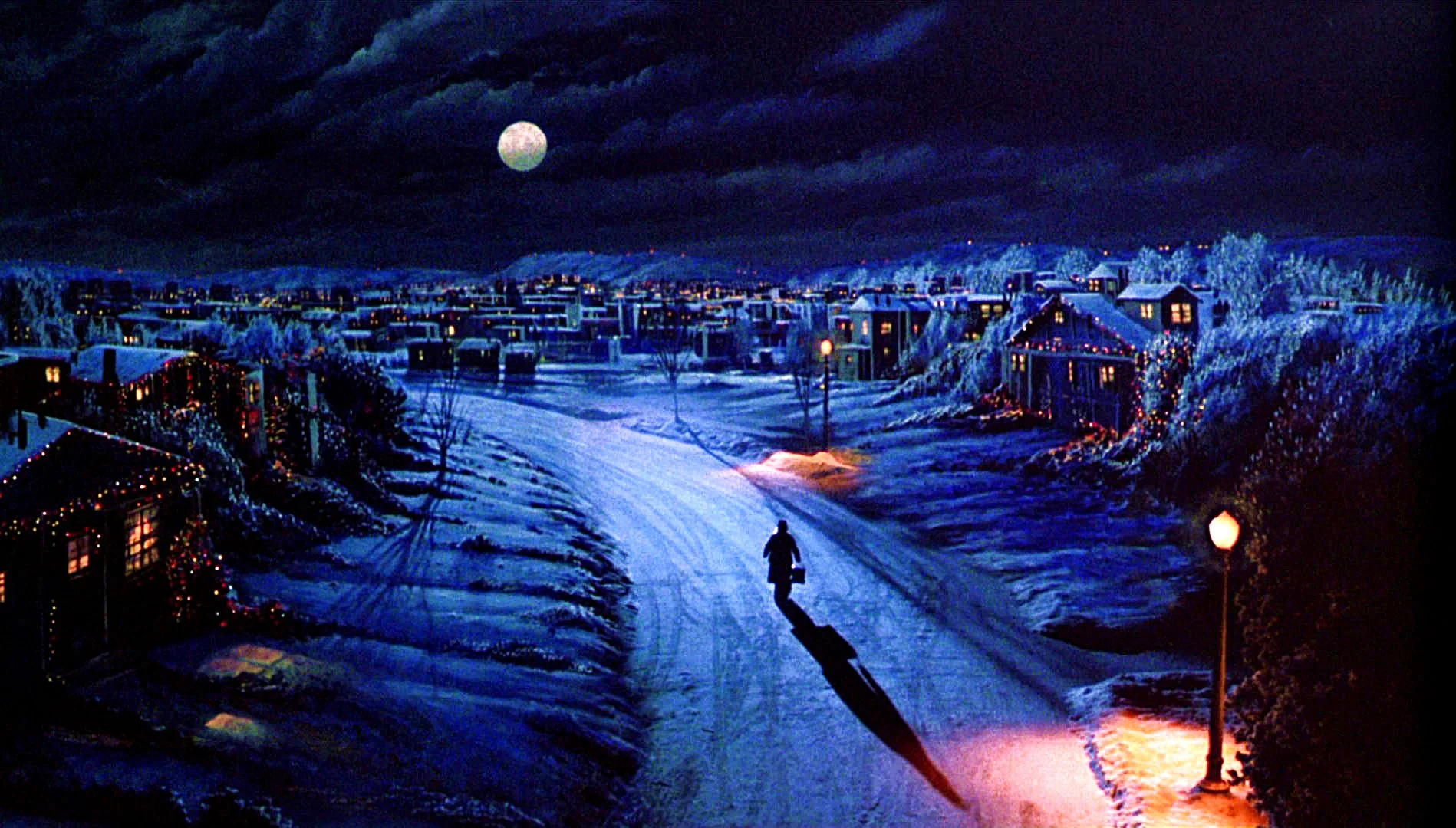
Well, here we are: a couple of eggnogs deep into the holidays and ready for a stocking stuffer-sized rundown of movies that were not necessarily destined to become seasonal favorites yet have made their way into the conversation. Well, maybe more than a couple of eggnogs . . .
Of course, there are unqualified holiday classics that millions of families watch every year, films like It’s a Wonderful Life (1946), Miracle on 34th Street (1947), The Grinch Who Stole Christmas (1966), A Christmas Story (1983), Christmas Vacation (1989), Elf (2003), and the many incarnations of A Christmas Carol (our favorite is the 1951 version with Alastair Sim). There are also the many Rankin/Bass stop motion holiday classics like Rudolph the Red-Nosed Reindeer (1964), Santa Claus is Coming to Town (1970), and A Year Without a Santa Claus (1974). These animated and live-action features may come at the holiday from various angles, but are all very much about the spirit of Christmas.
Then there are these “other” films, not focused primarily on the meaning of the holiday itself yet are set around Christmas and embrace the season’s various trappings. Over time, these movies eventually nudged their way onto the crowded Christmas dinner table to become annual holiday viewing traditions for swaths of genre film fans.
One caveat before we get started: with one notable exception, this list does not include much horror; shocking, I know. I am purposely reserving the ever burgeoning holiday/Christmas horror subgenre for future posts—there is so much fun to be had there.
With that in mind, let’s crack open the Bailey’s and unwrap these cinematic gifts!

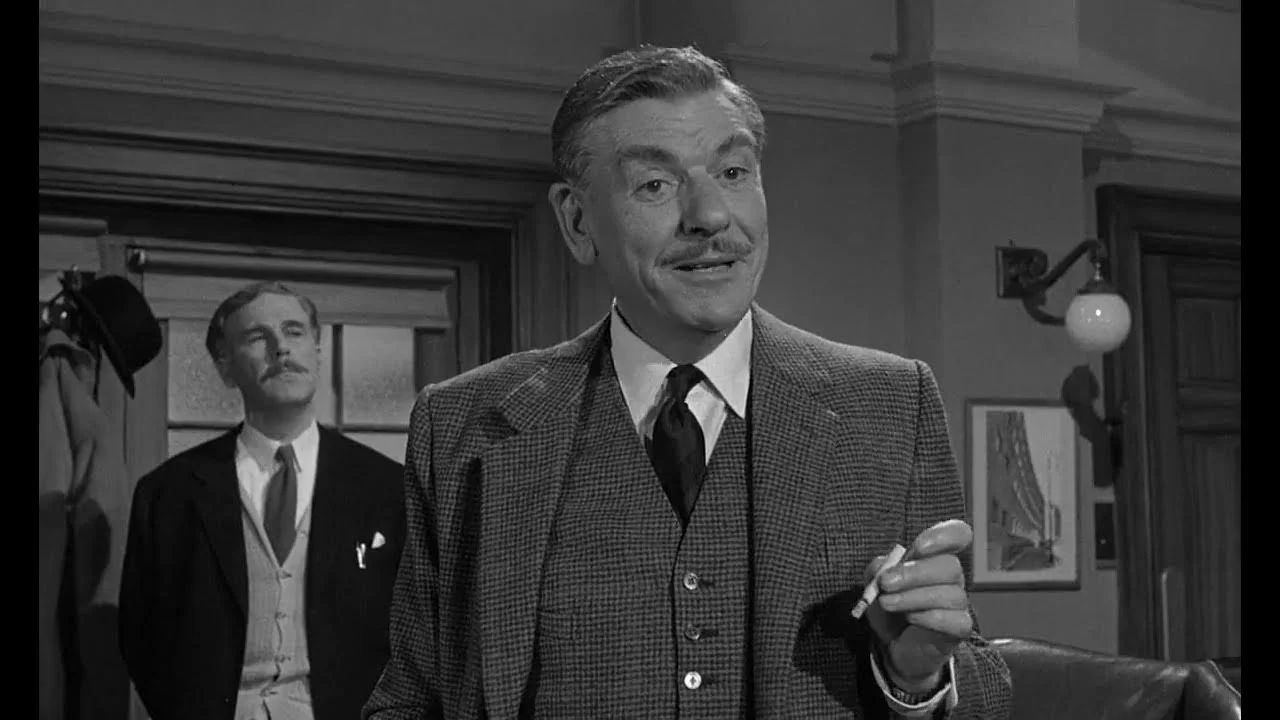
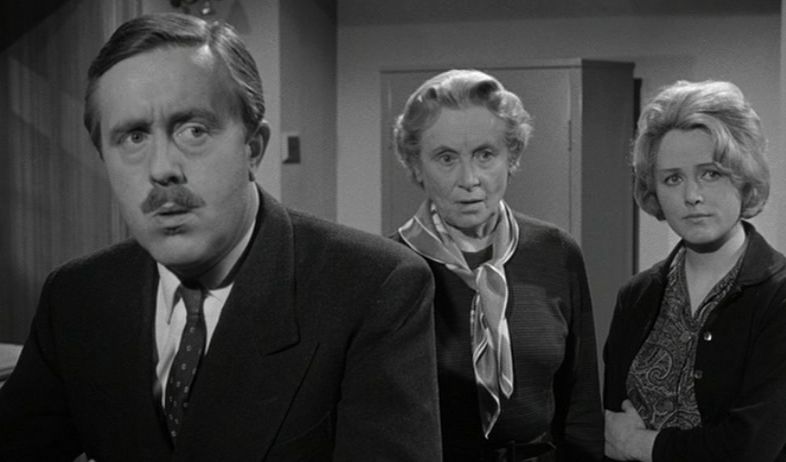
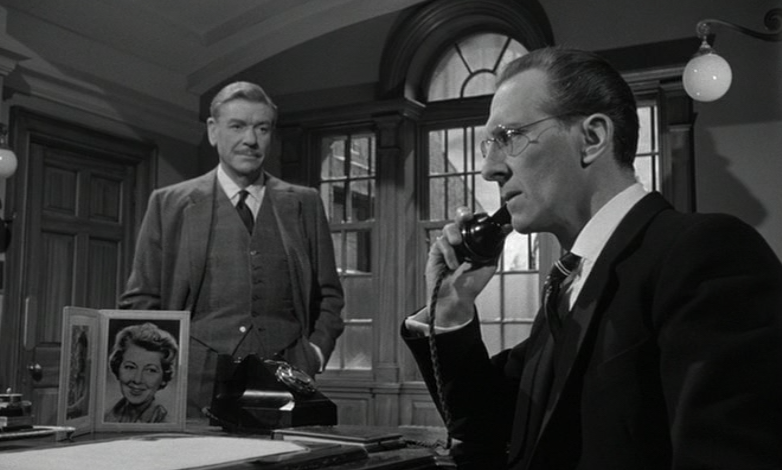
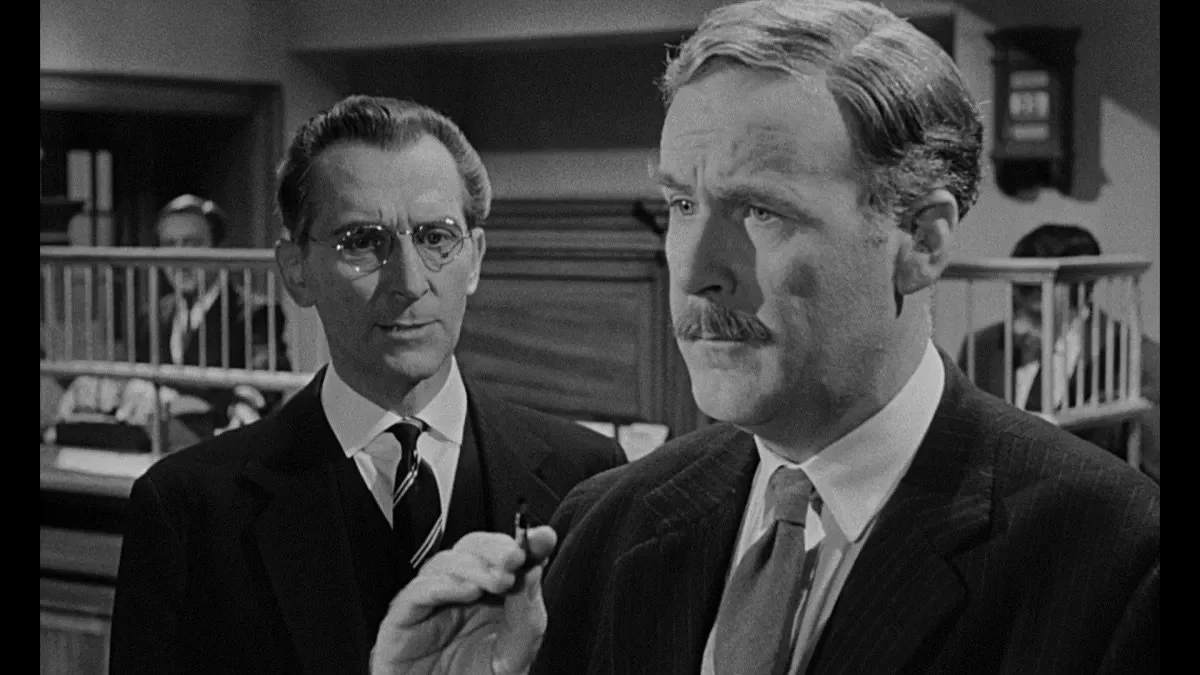
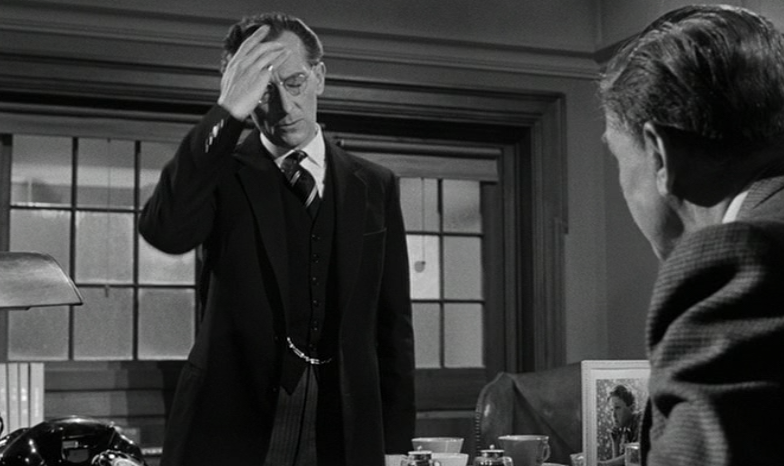
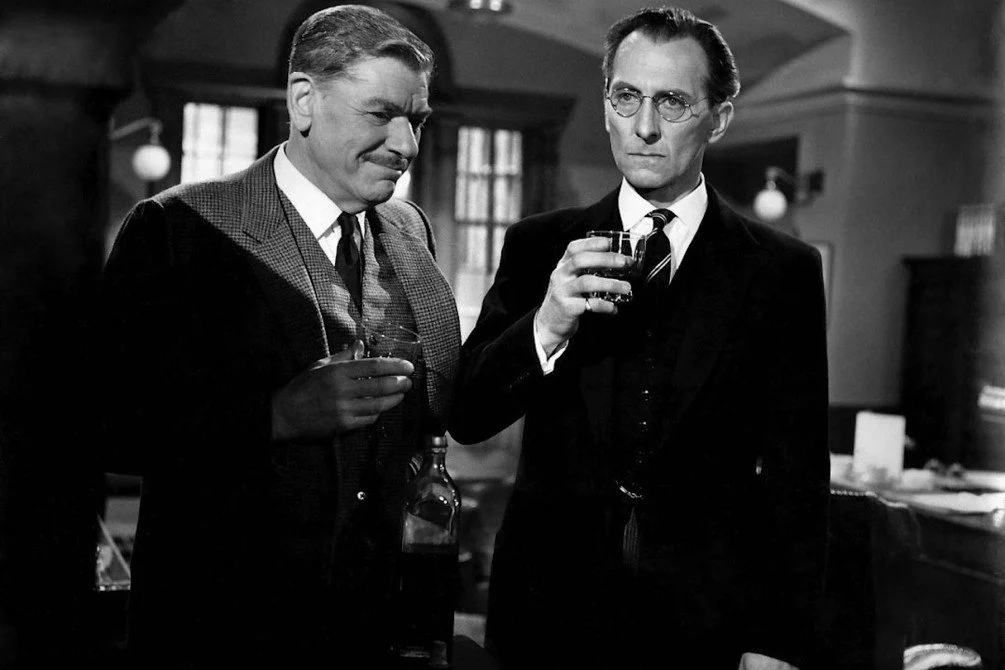
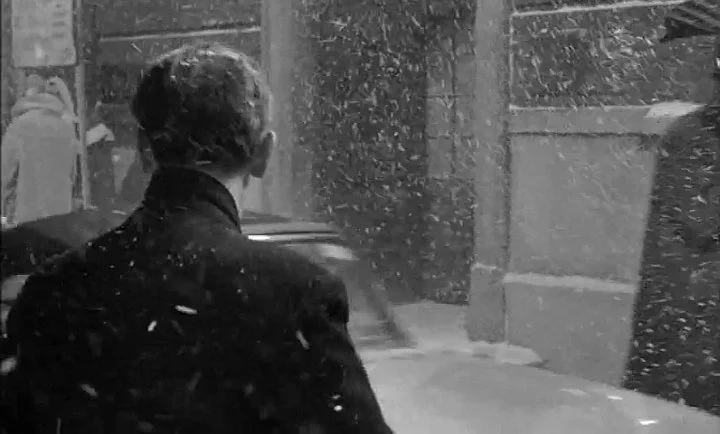
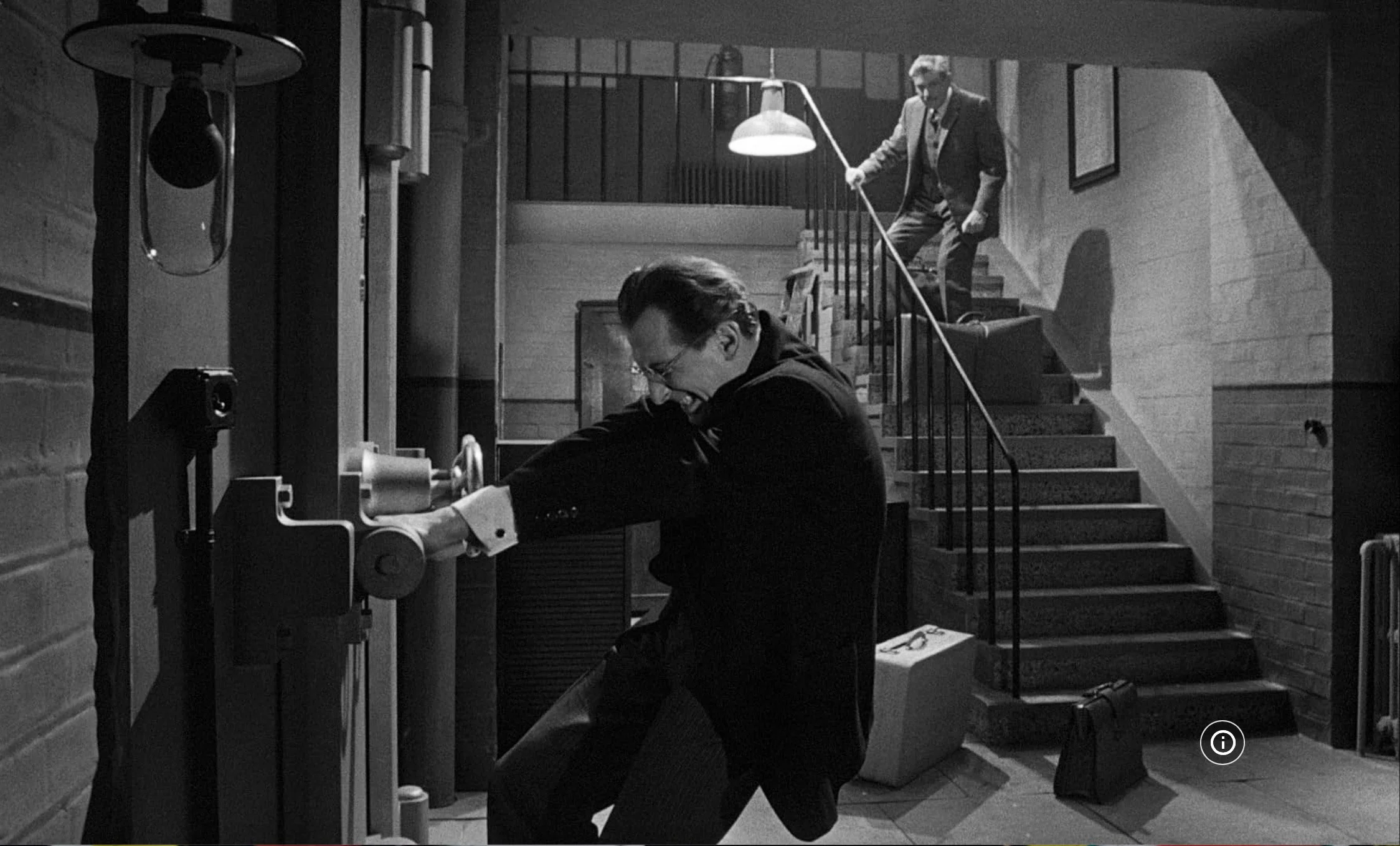
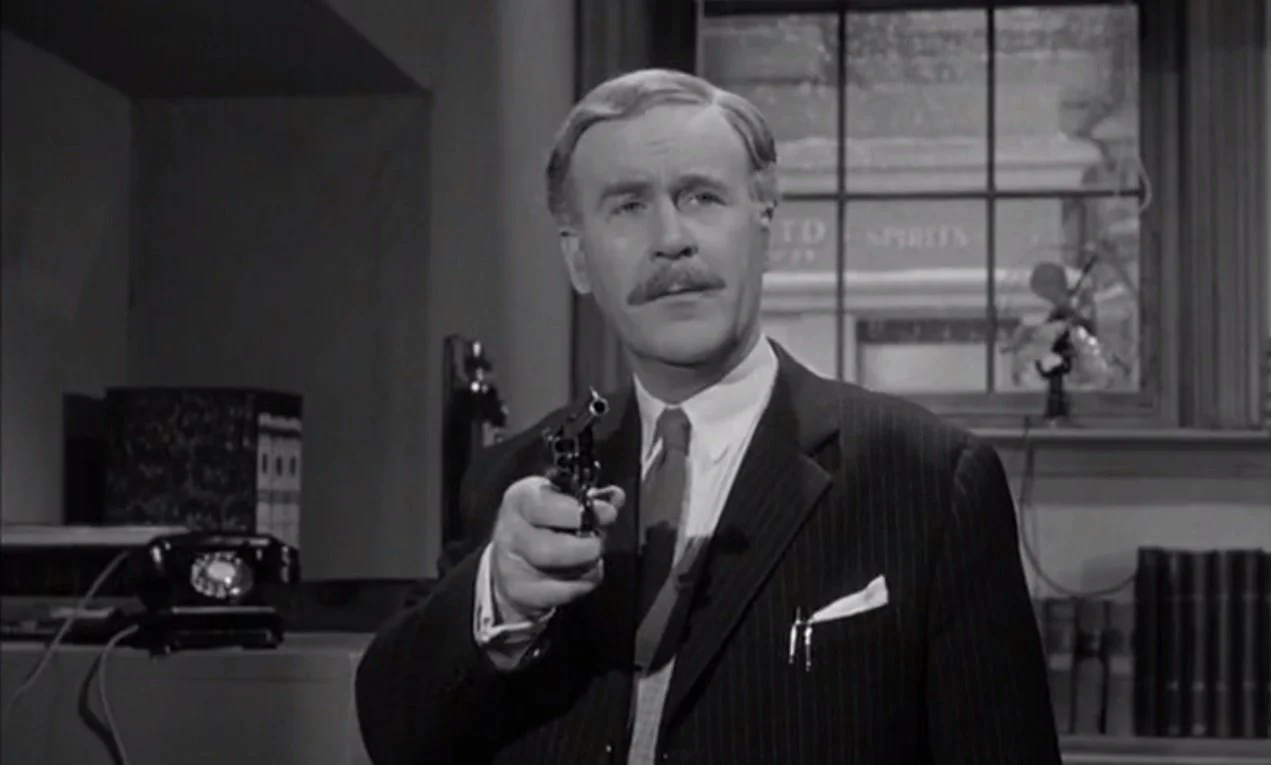
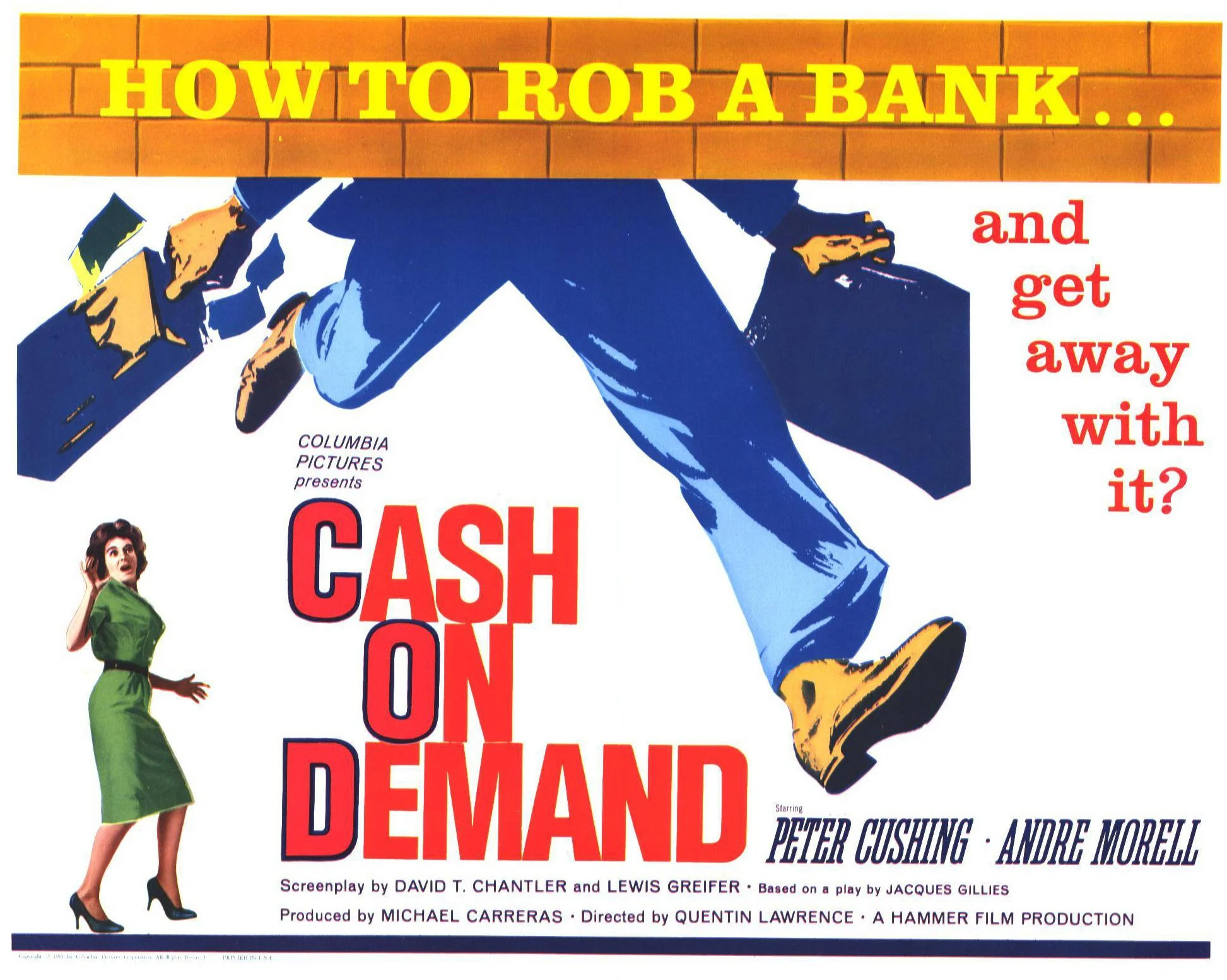
A U.K. crime thriller with some major Dickensian vibes, Cash on Demand (1961) is set two days before Christmas at the Haversham Branch of the City & Colonial Bank. Harry Fordyce (Peter Cushing) is the bank’s stern, exacting, and seemingly humorless branch manager. A Scrooge-like figure, Fordyce criticizes and browbeats his employees who are otherwise looking forward to the staff office party that evening. Enter criminal con-man Colonel Gore Hepburn (Andre Morell) posing as a charming and conscientious insurance investigator. Having gained the confidence of the staff, Hepburn reveals his plan to Fordyce: he intends to steal 97,000 pounds from the bank with the help of its manager. If Fordyce balks at being an accomplice to the heist, his wife and son will be subject to severe torture meted out by Hepburn’s associates. A tense battle of wills ensues as Fordyce finds himself in the very unfamiliar position of relinquishing control to someone immune to his authority and will. This is a ripping yarn from Hammer Films, the U.K. studio most often associated with mid-century gothic horror and science fiction cinema. The pairing of the incomparable Peter Cushing and the wonderful Andre Morell isn’t the first for Hammer, the two having previously starred as Sherlock Holmes and Watson in 1959’s The Hound of the Baskervilles.
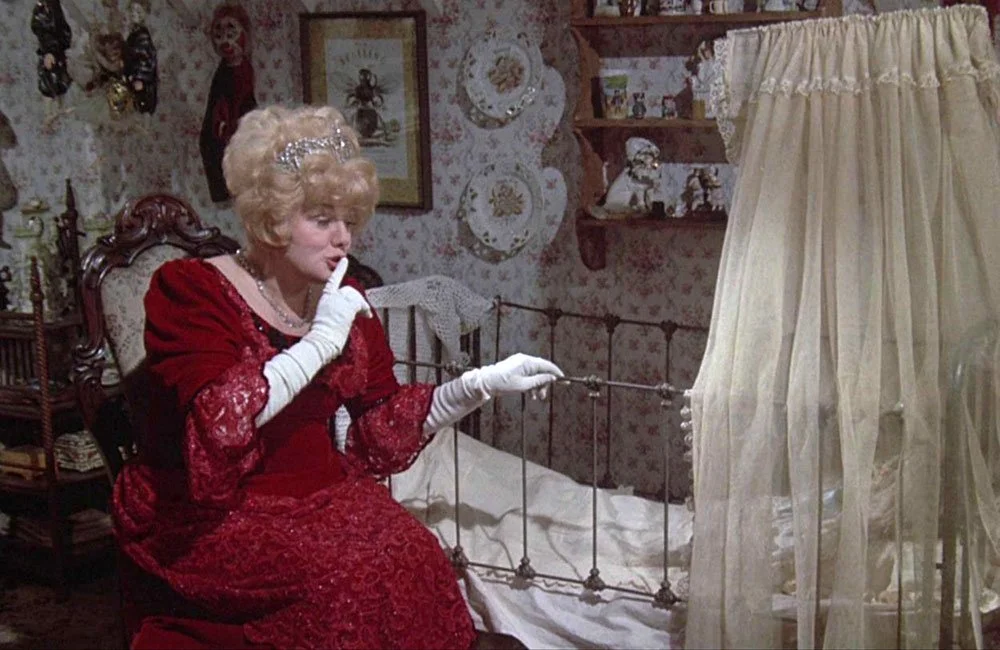
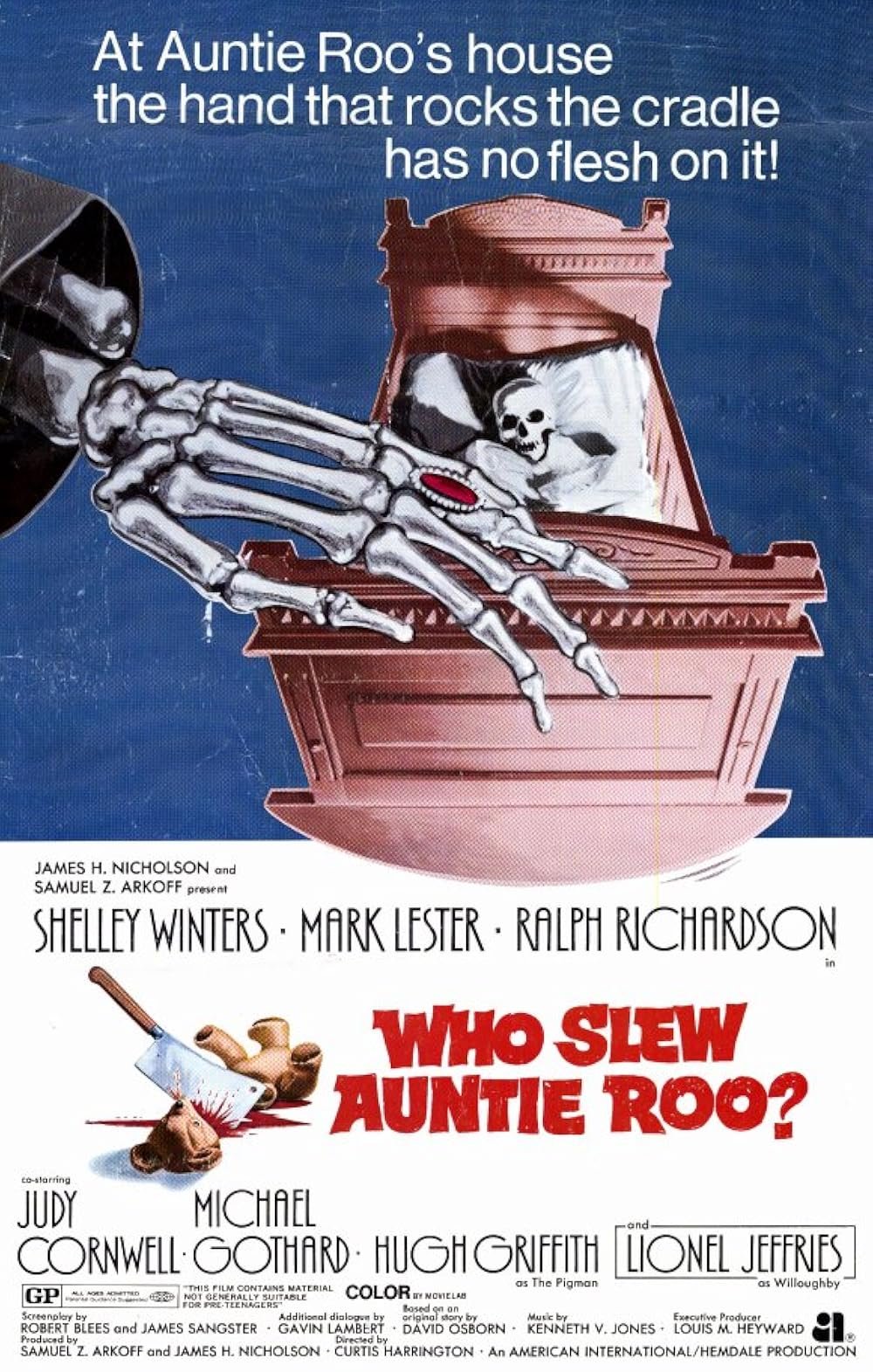
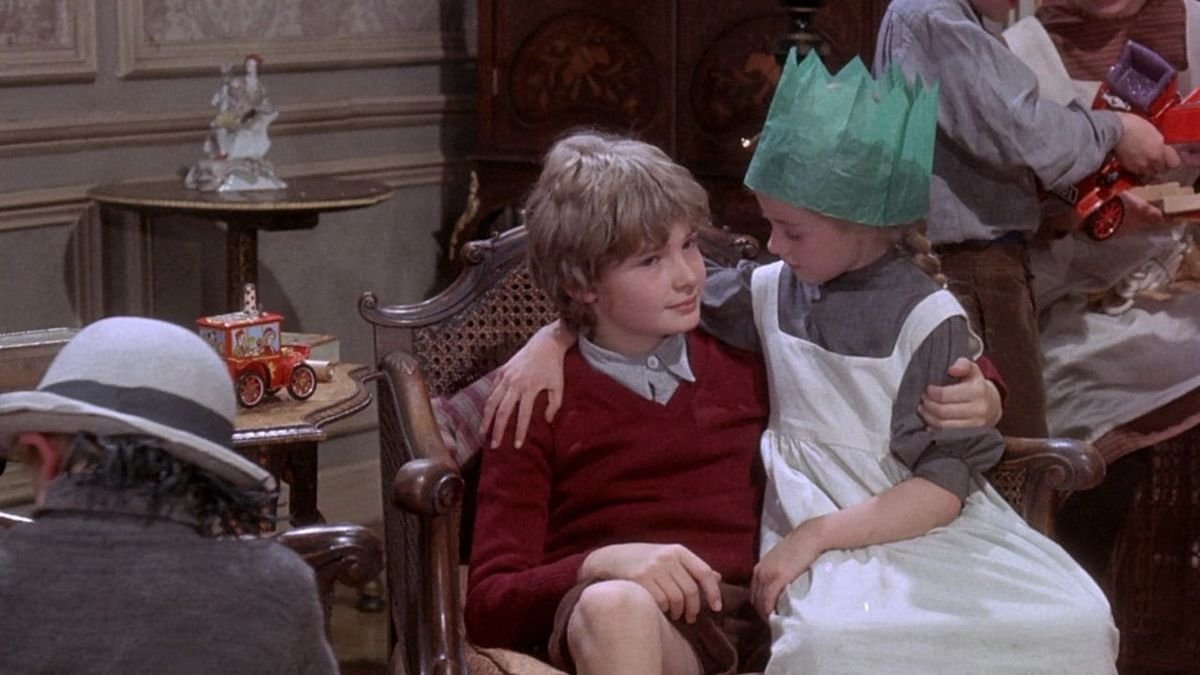
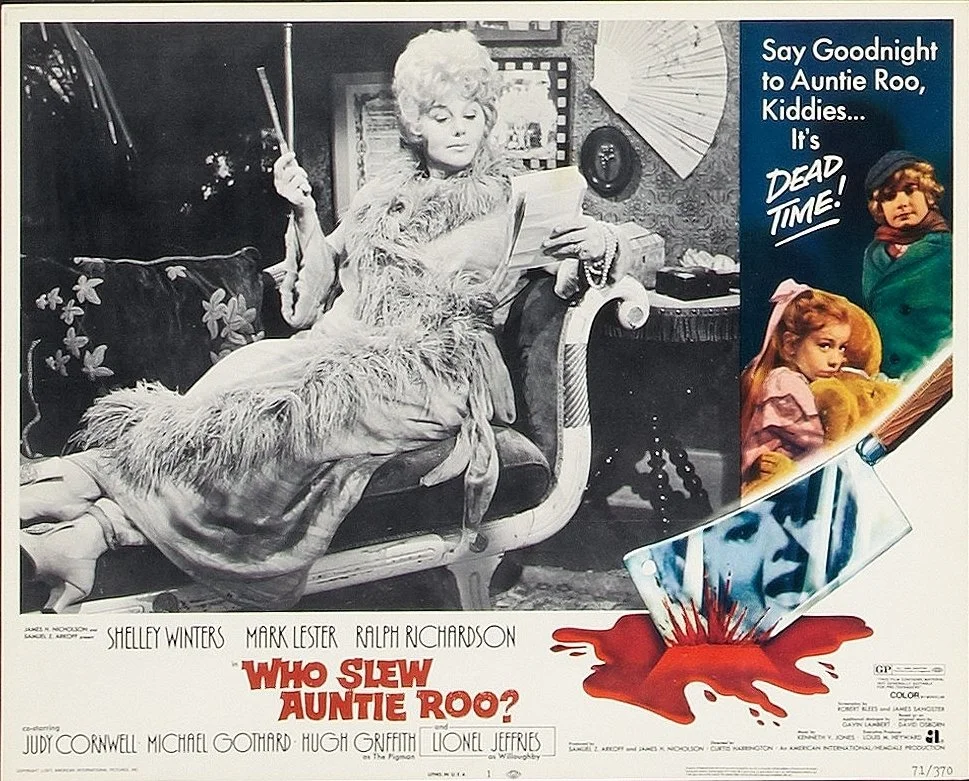
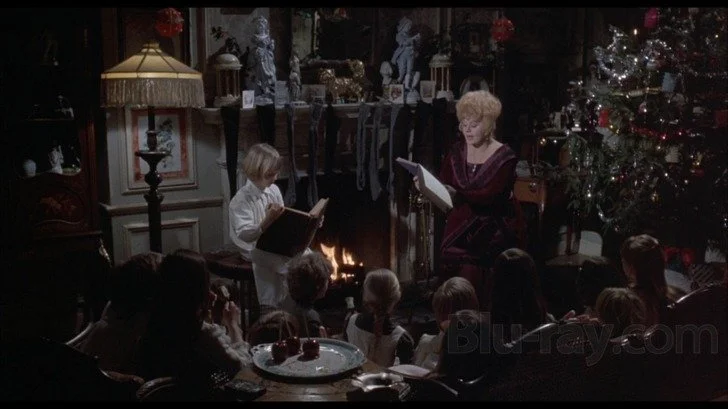
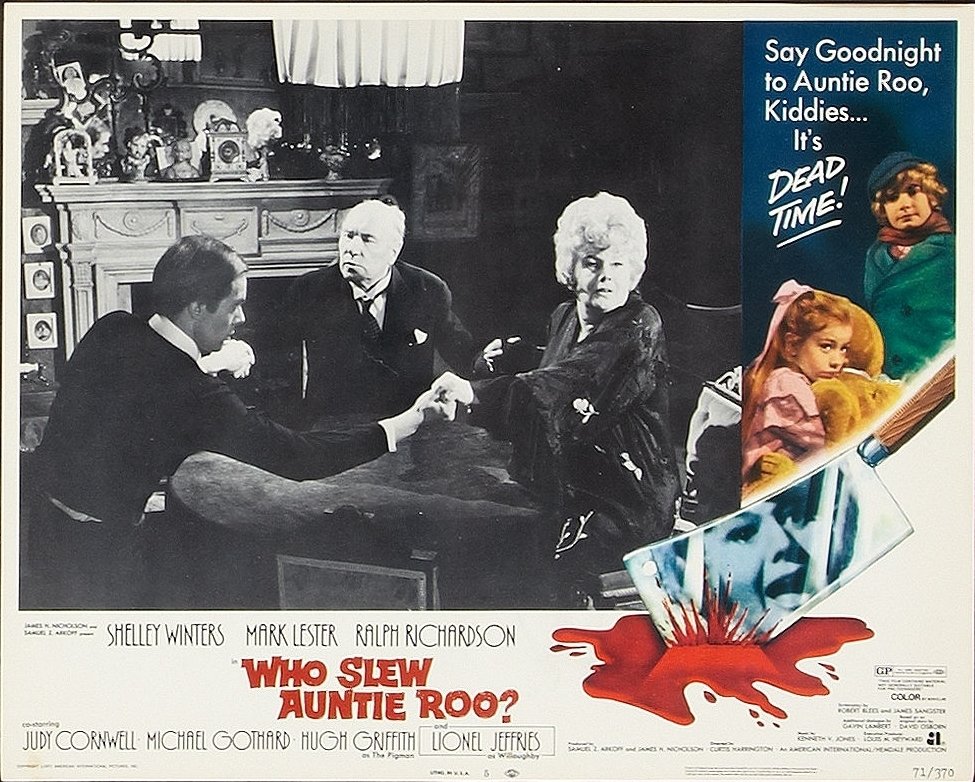
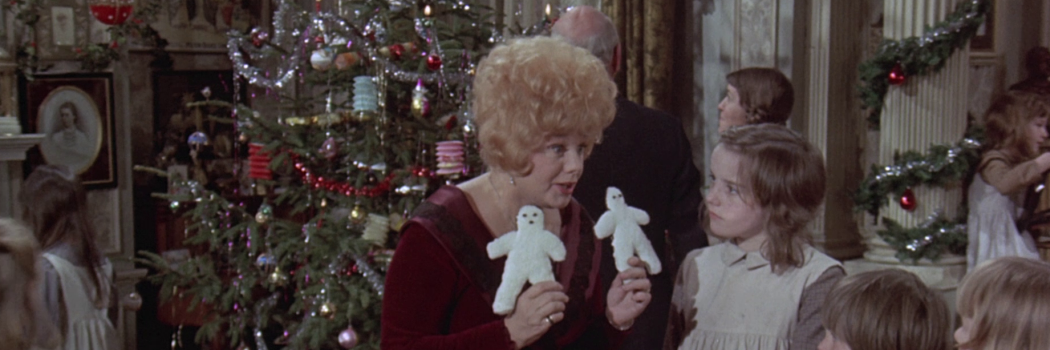
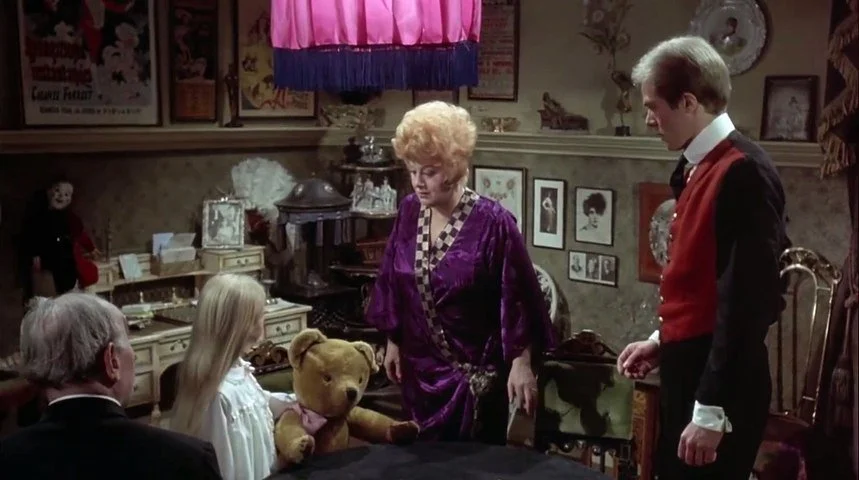
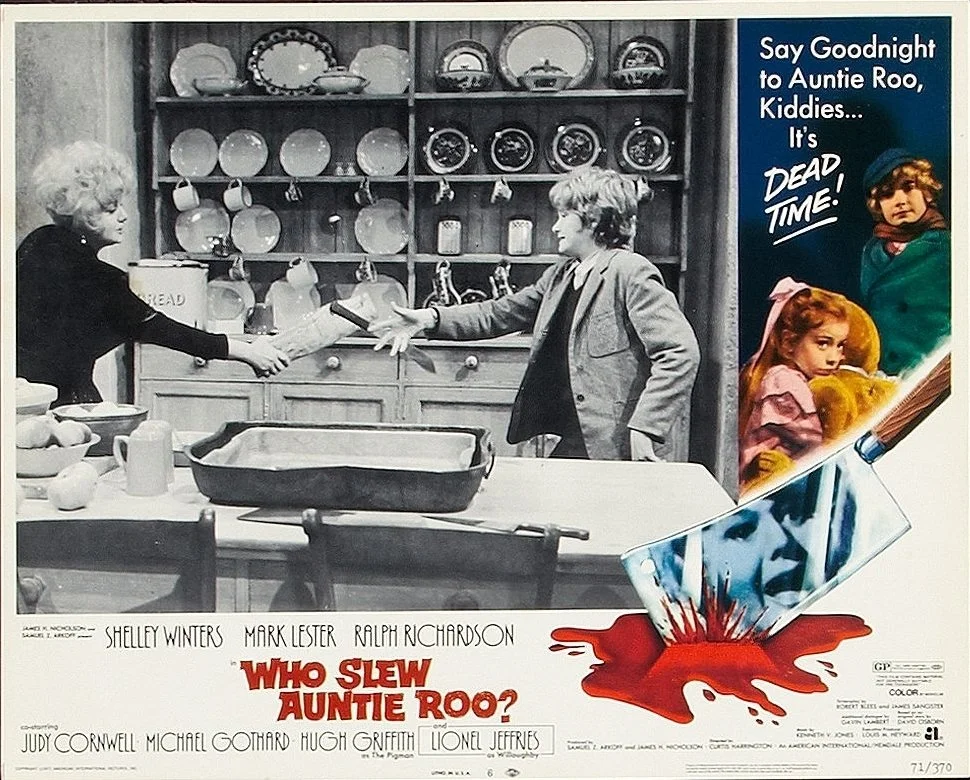
Arguably the most niche pick of the lot is Whoever Slew Auntie Roo (1972), with the slightly modified U.S. title of Who Slew Auntie Roo. American expatriate Mrs. Forrest (Shelley Winters) is an eccentric widower living on her late husband’s English estate. Every year, she hosts a Christmas party for ten well-behaved children from a local orphanage, a seemingly benevolent gesture that belies a disturbing agenda informed by grief and madness. A pair of party crashing orphaned siblings, Katy and Christopher, draws the affections of Mrs. Forrest. Unbeknownst to our host these kids have plans of their own. Without getting into spoilers, I’ll just say that festive touches, macabre themes, and Hansel and Gretel-like vibes blend together like a delicious holiday punch for thirsty cult movie fans. Problematic implications for mental health and aging women notwithstanding (yeah, we know), this is a very entertaining entry in the “psycho-biddy”/”hagsploitation” subgenre (again, we know . . .). Cringey monikers aside, this is a decadent slice of campy exploitation cinema with a dash of Christmas cheer.
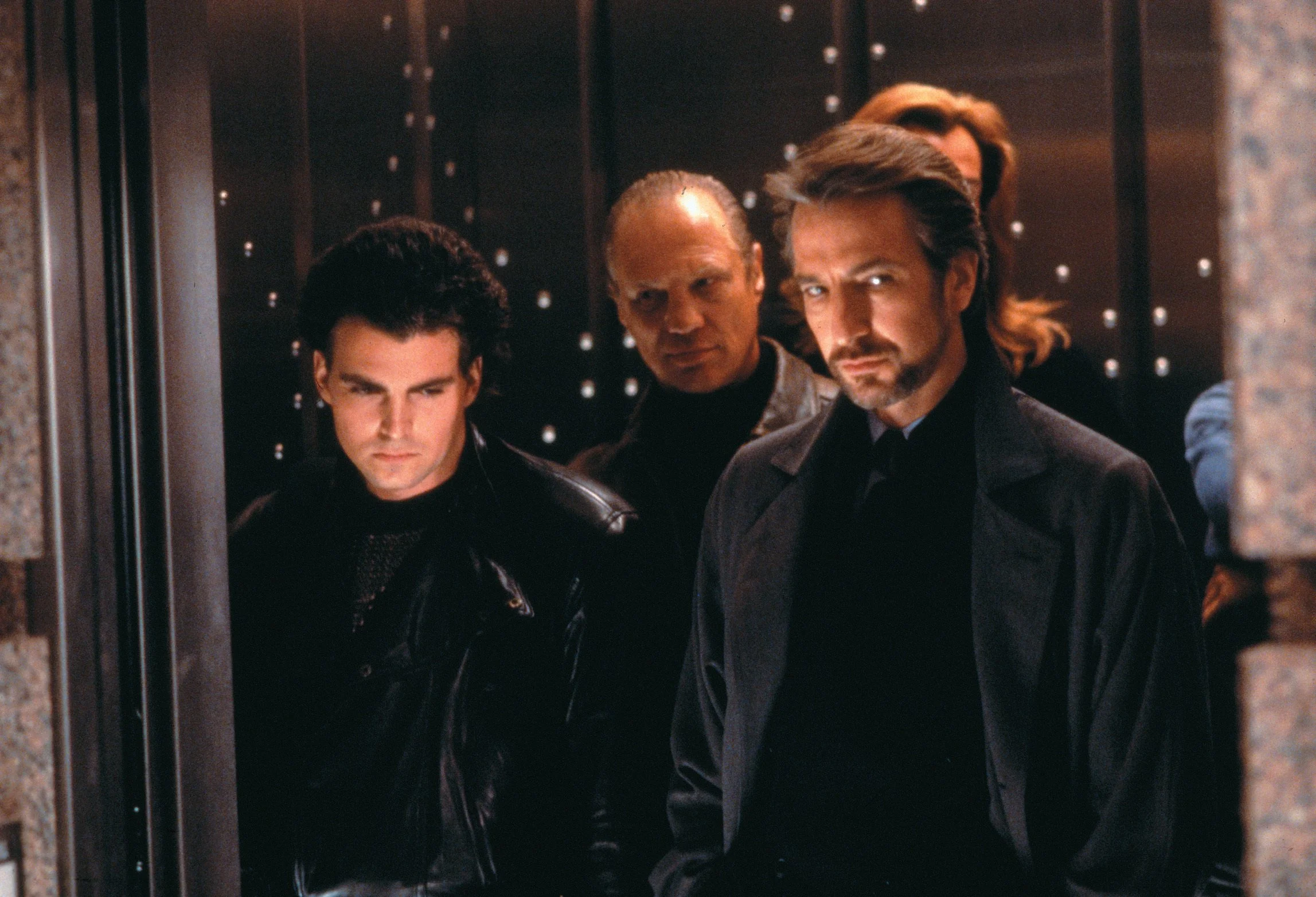
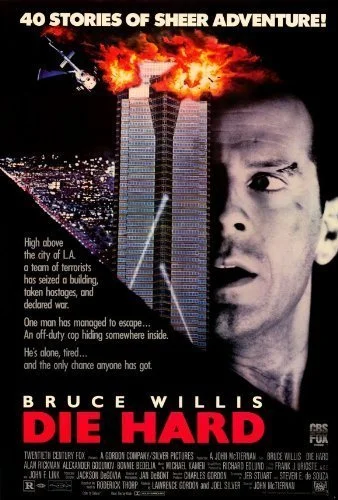

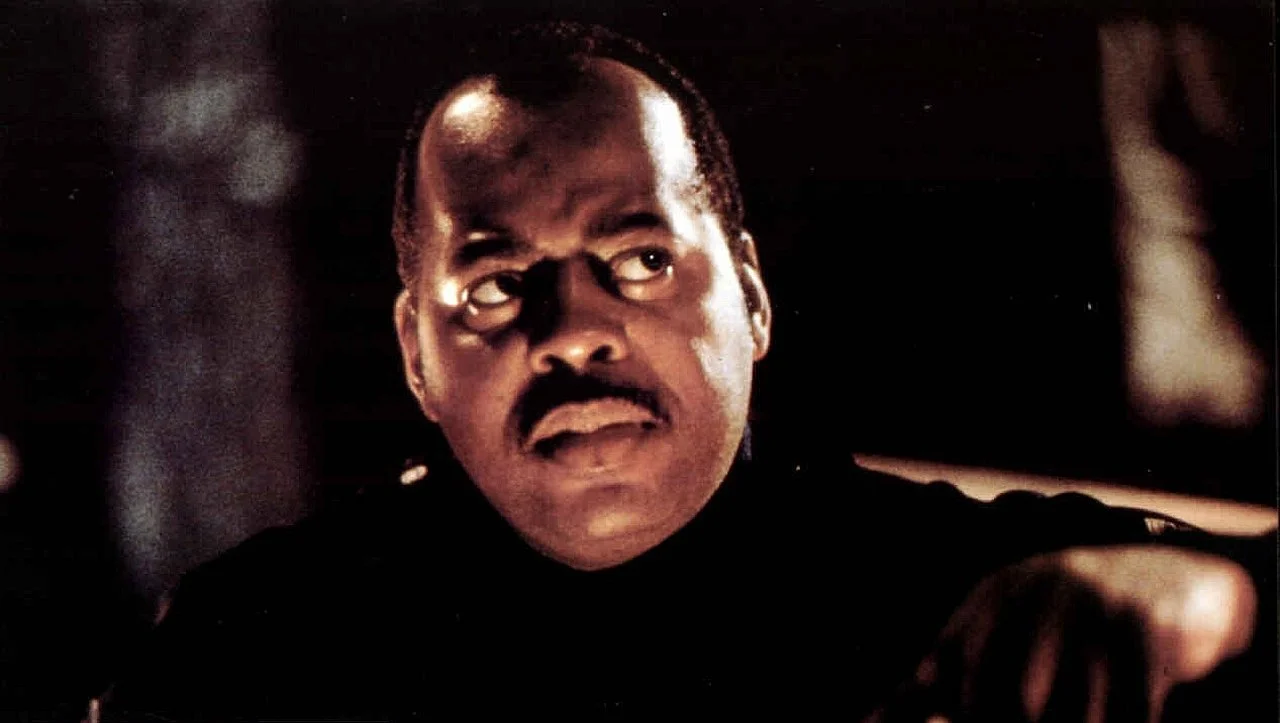
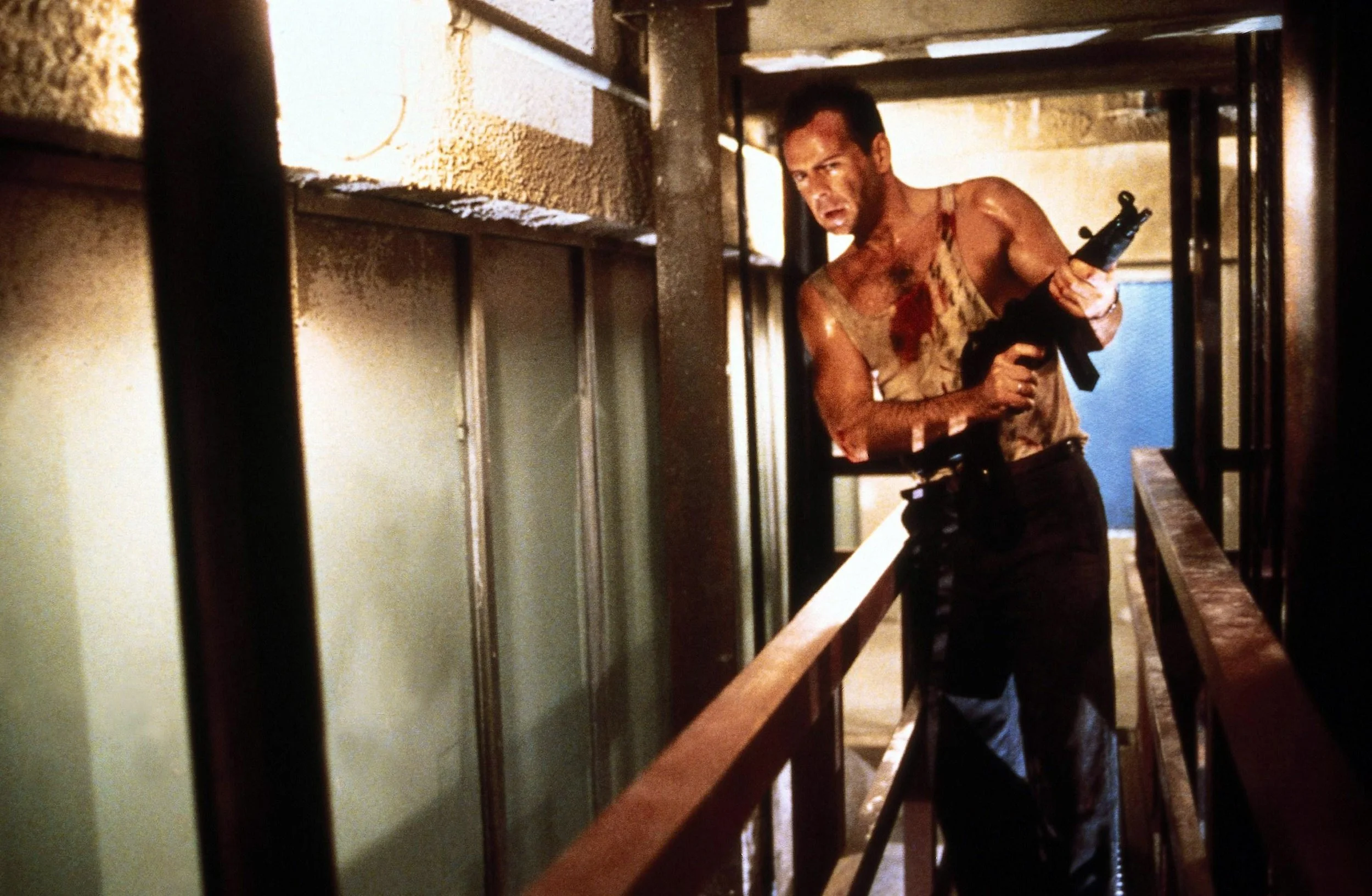
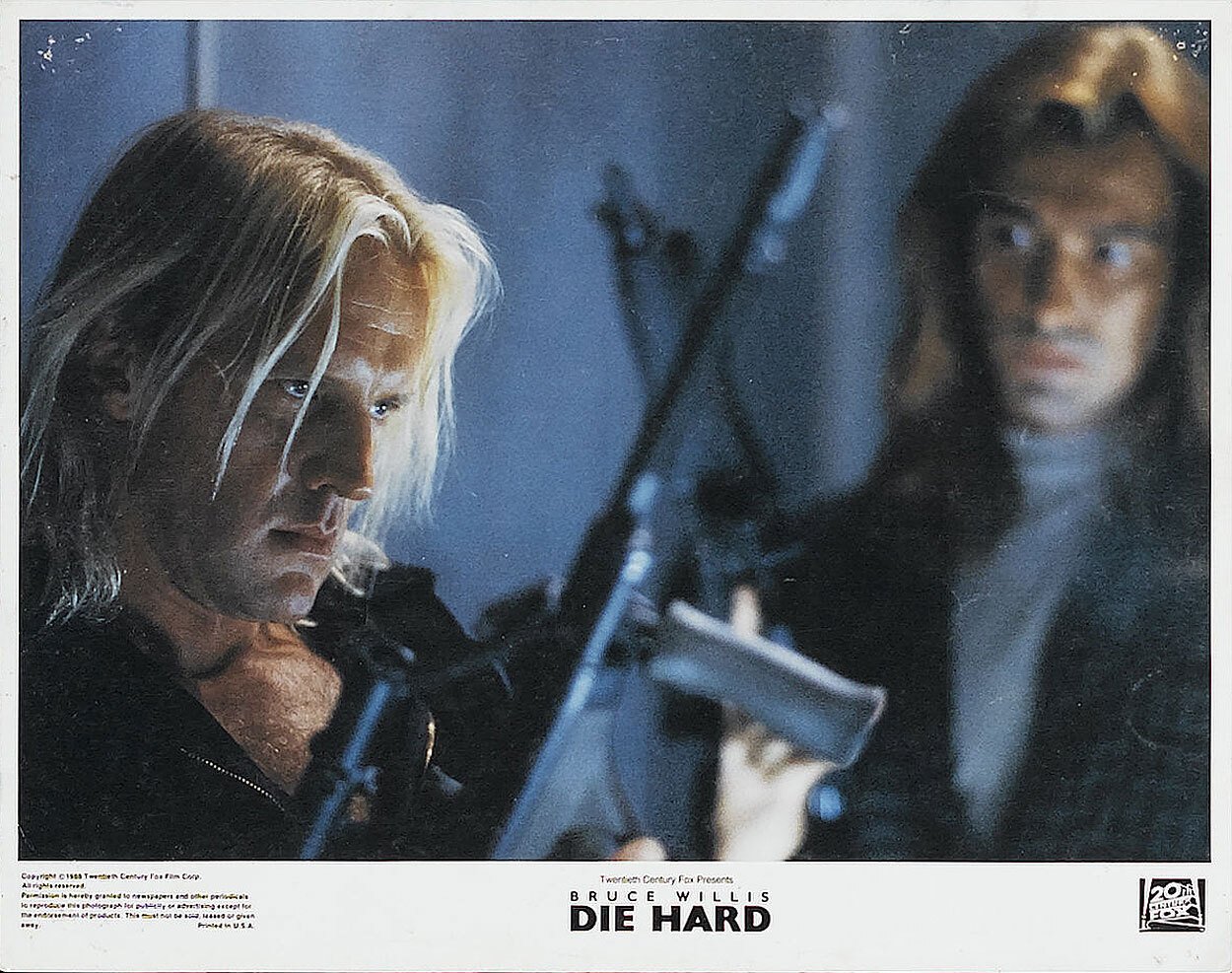


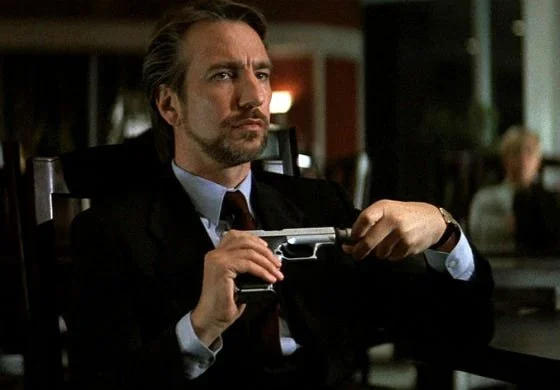
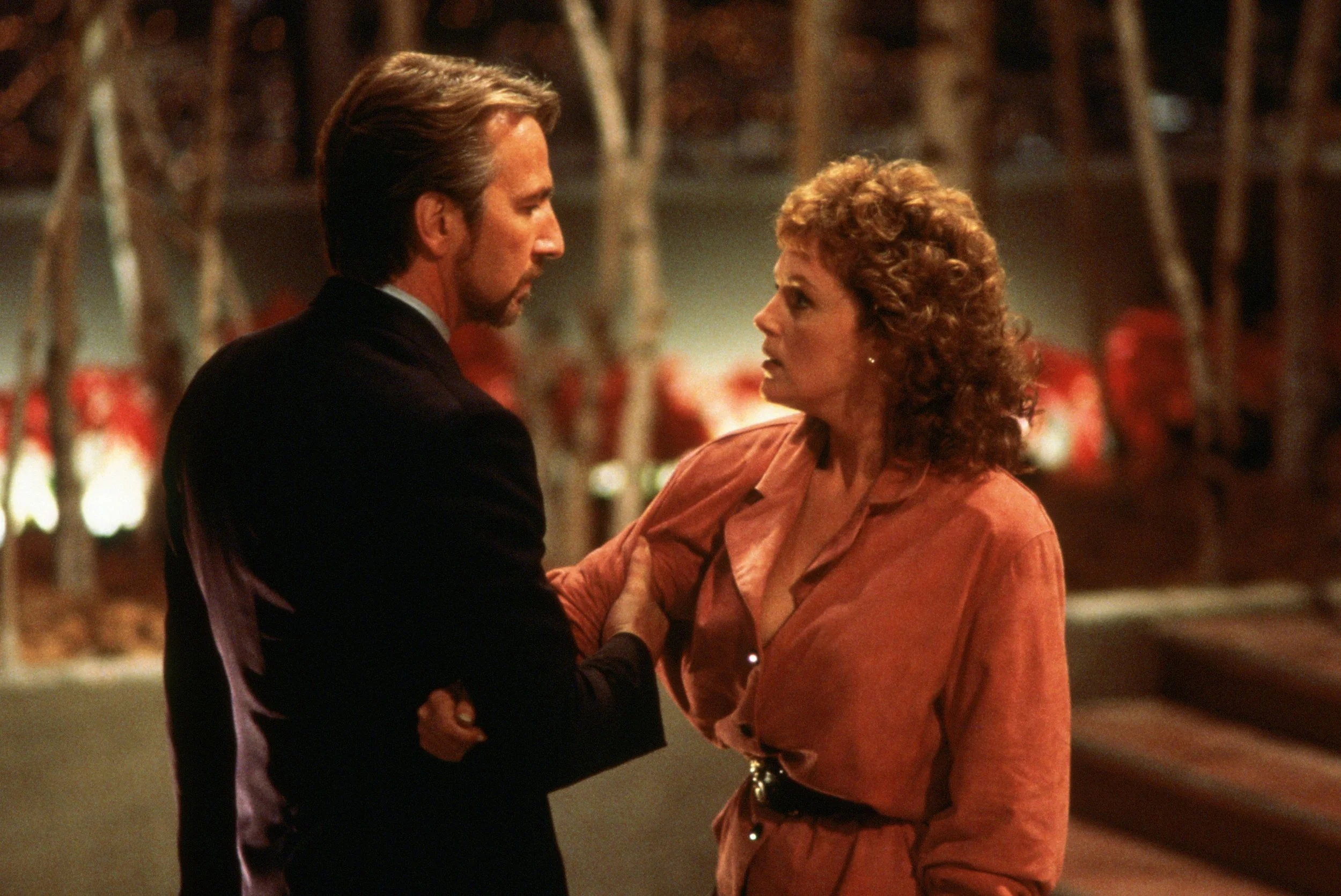


Is Diehard (1988), the most widely recognized film on this list, a Christmas movie? Concentric Cinema says yes! This is hardly a hot take as this question has been making its rounds practically everywhere in recent years. An assortment of criminal international heavies led by the polished, erudite, and ruthless Hans Gruber (the incomparable Alan Rickman) crashes a corporate Christmas Eve party at the fictional Nakatomi Tower. Their goal? To steal $640 million in negotiable bearer bonds stashed in a seemingly impenetrable vault somewhere inside the unfinished Los Angeles skyscraper. Gruber’s meticulously planned heist is right on track until New York City cop John McClane (Bruce Willis), who shows up to see his estranged wife Holly (Bonnie Bedelia), gums up the works in the most spectacular way. Willis plays the obstinate, wisecracking New Yorker to the hilt, a perfect foil to the slick, cagey, and supremely confident Rickman. A cat-and-mouse game ensues as McClane attempts to disrupt Gruber’s plans and free the hostages, while heavily armed henchmen try to locate and eliminate the pesky peace officer. The cast sparkles like a newly lit Christmas tree, the action sequences pop and fizz, and Michael Kamen’s dramatic high-stakes score whisks us away like a magical sleigh ride—only with more bullets, fists, profanity, and explosions.
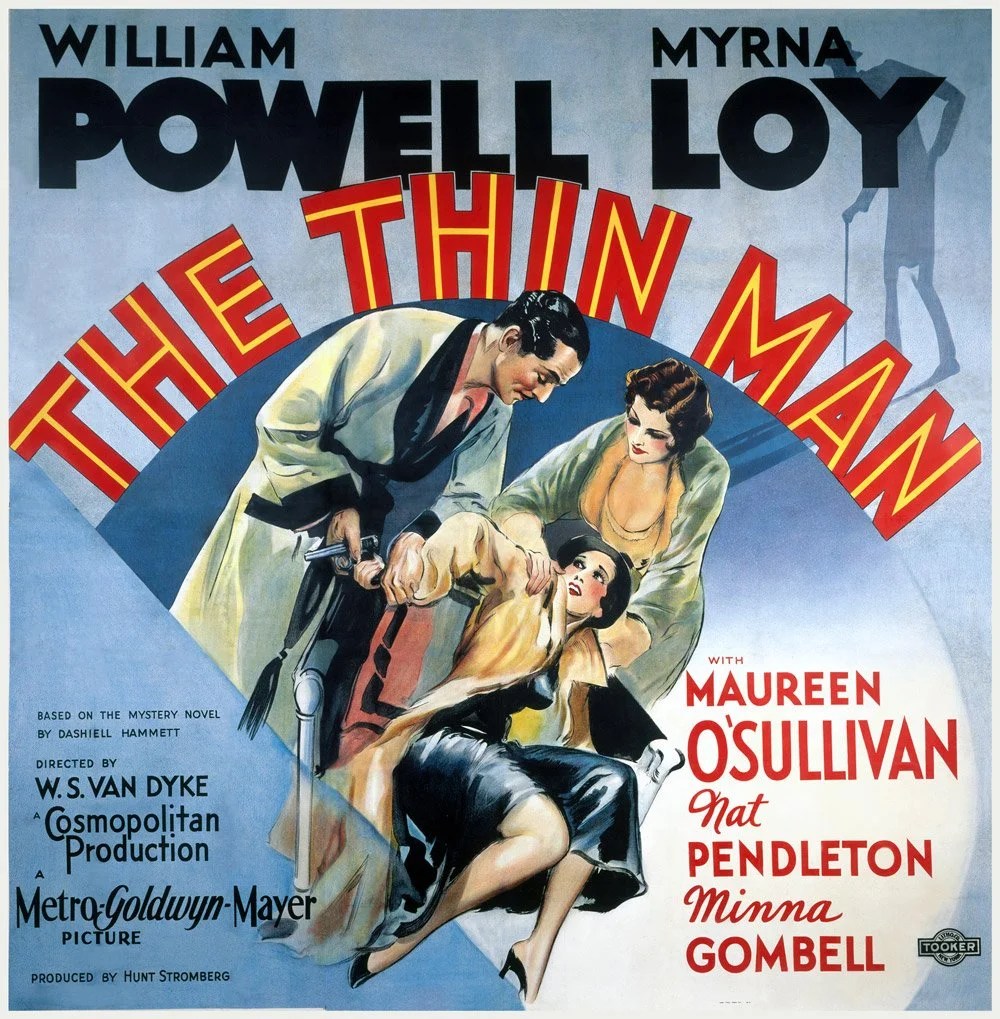

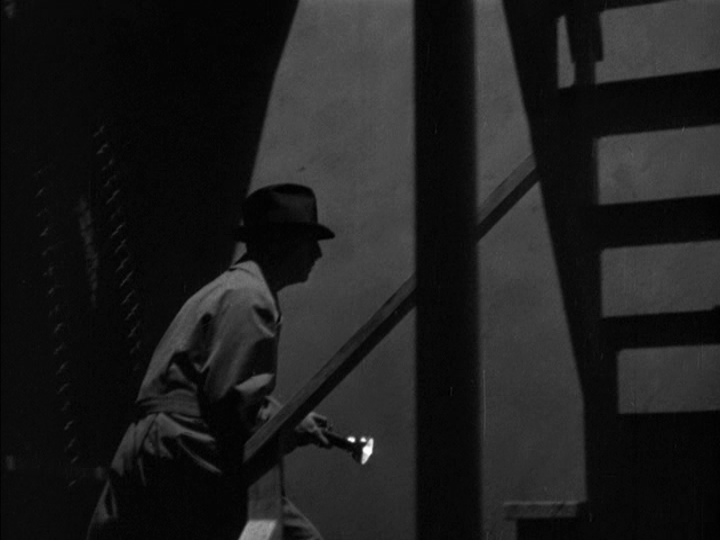
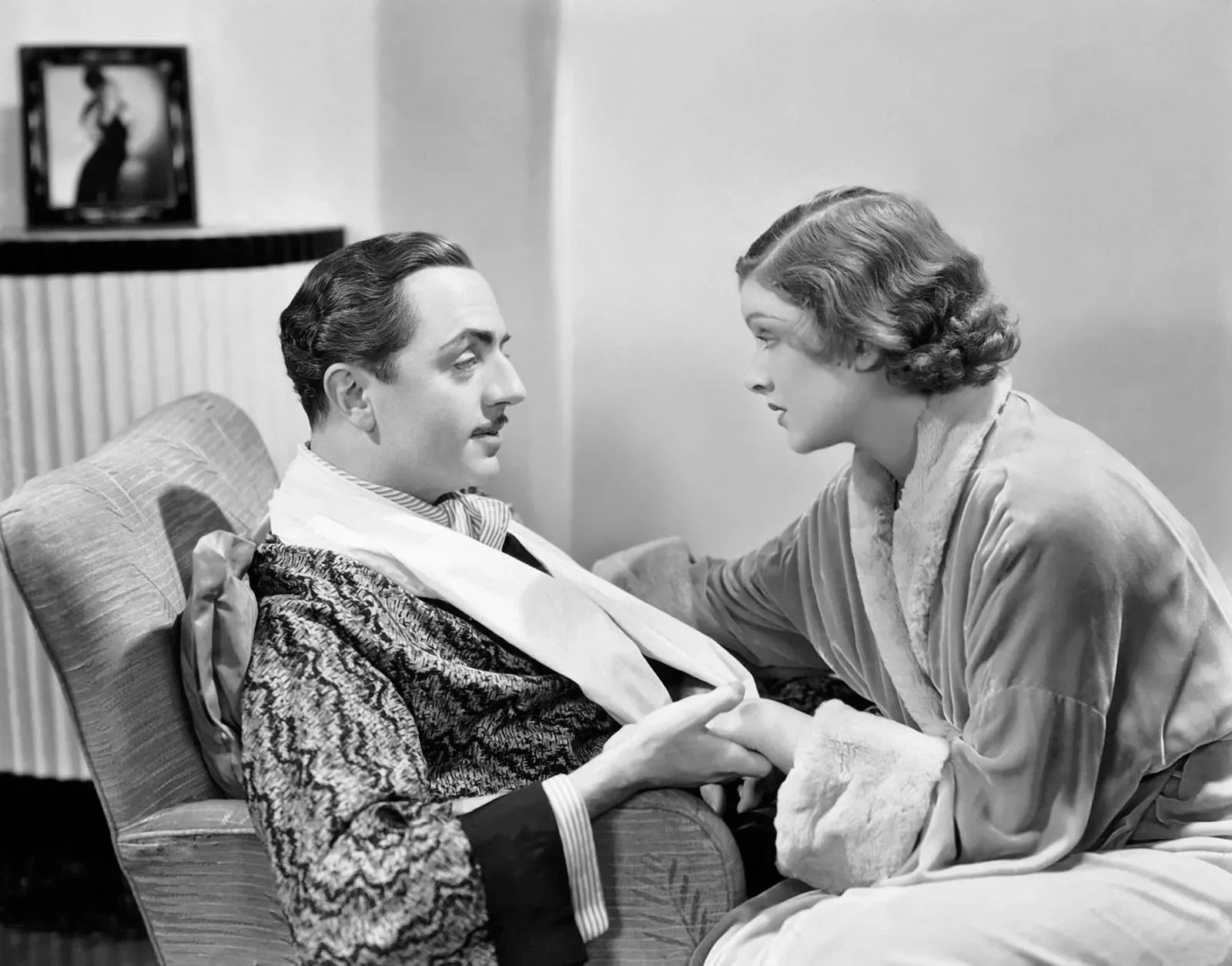
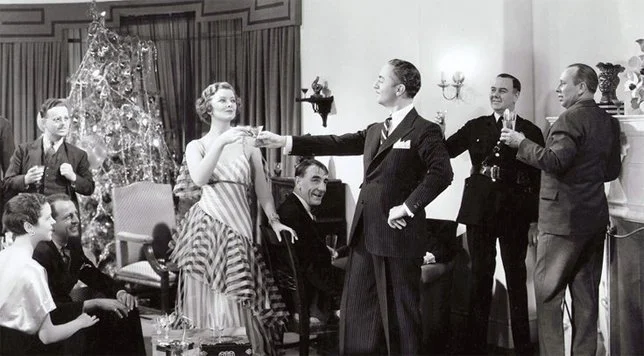

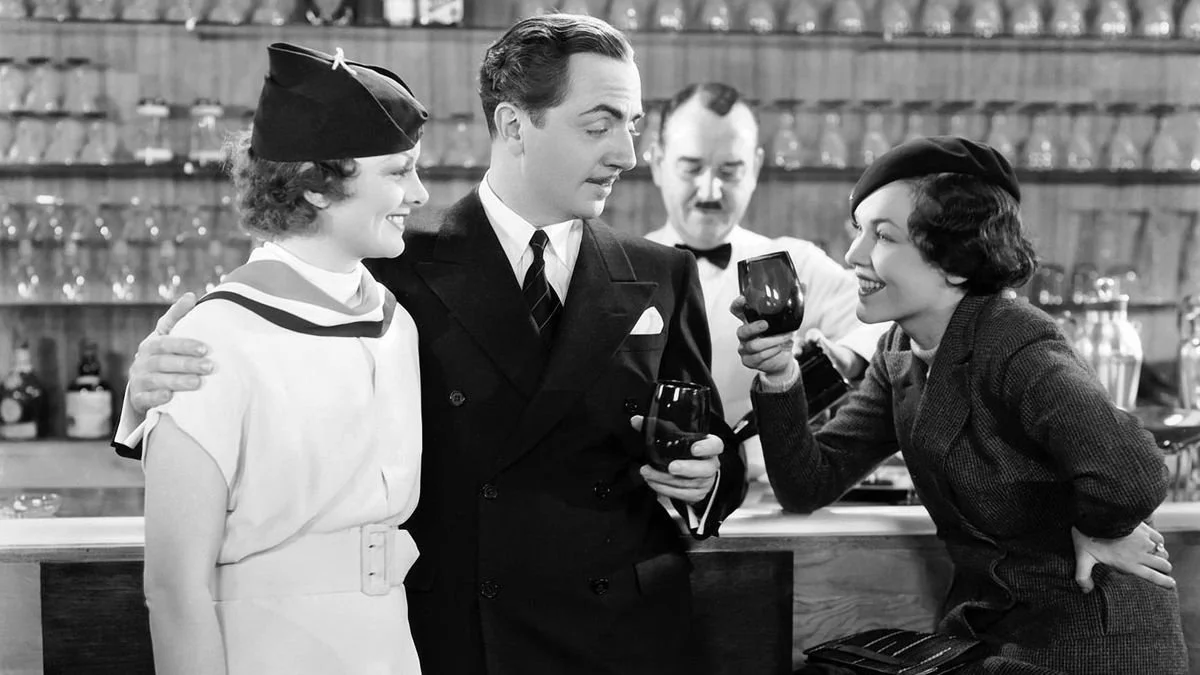
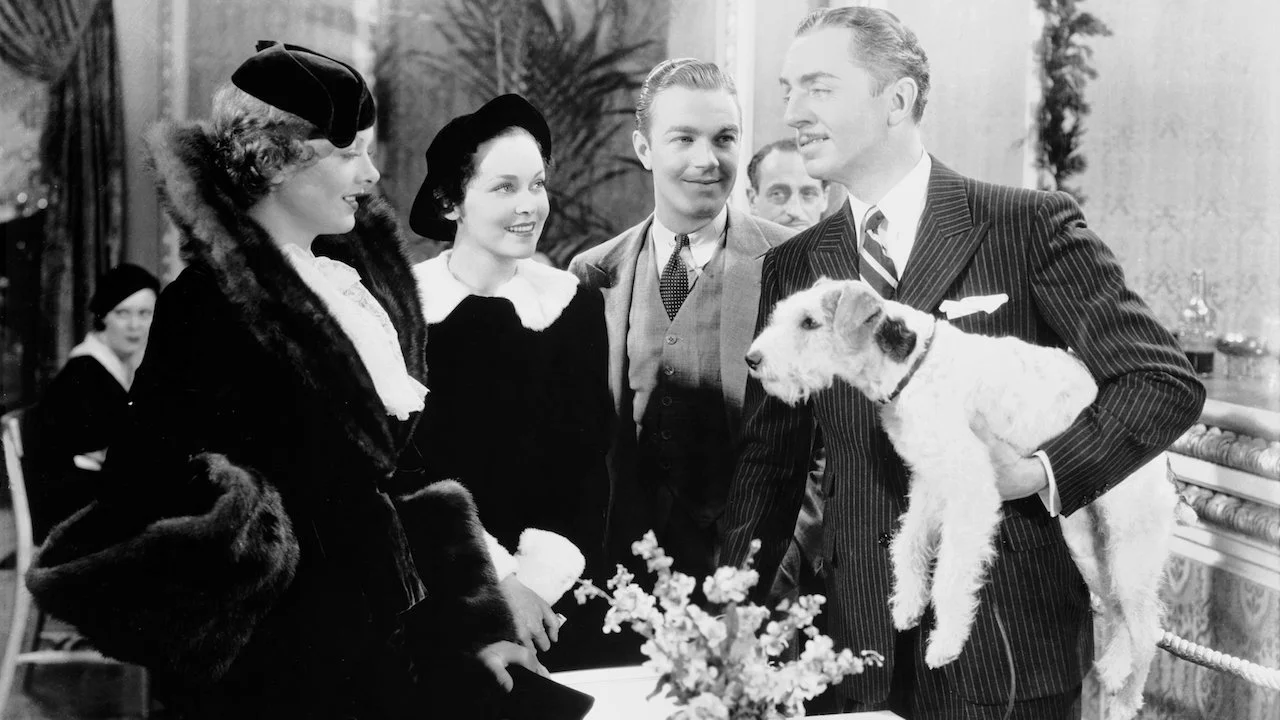
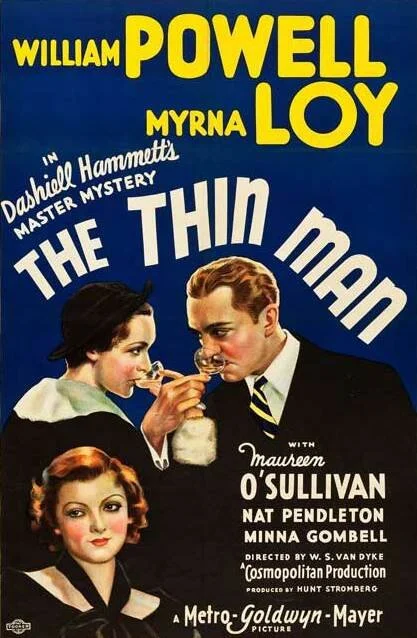
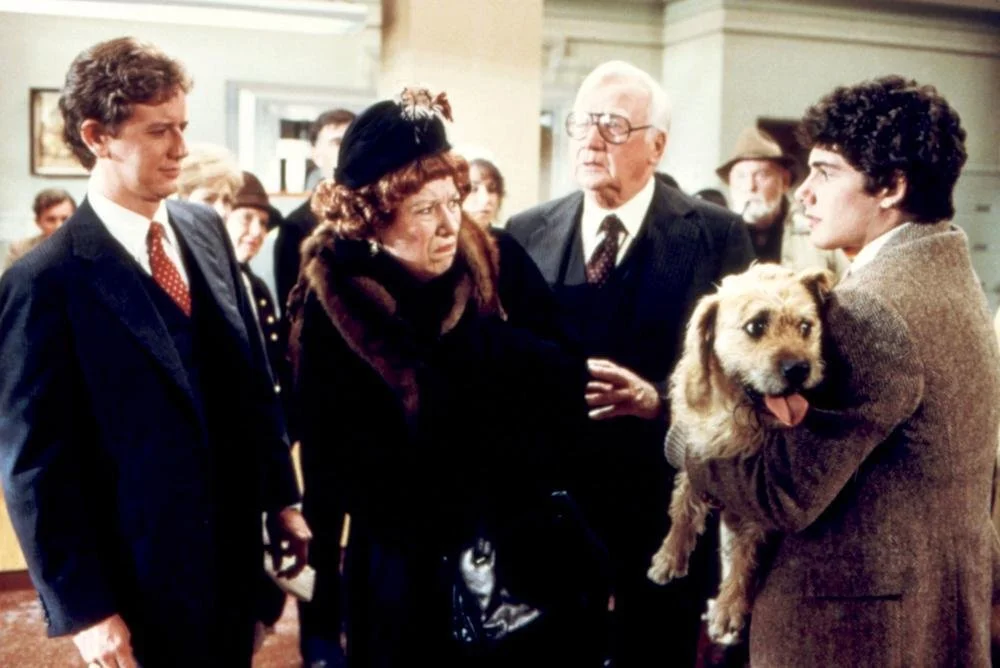
The Thin Man (1934) is based on a Dashiell Hammett novel and stars William Powell and Myrna Loy as newlyweds Nick and Nora Charles, the former a retired private detective and the latter a wealthy heiress and socialite. It is Christmastime in New York City and this fun-loving couple are enjoying their comfortable cocktail-infused Manhattan lifestyle when they become enmeshed in a missing person case. While Nick is reluctant to get involved, Nora is all in and encourages him to investigate, even offering her own amateur assistance. The two begin sleuthing for clues among suspect acquaintances, all the while having a blast as they banter and booze their way through the investigation. The details of the case are almost secondary to the The Thin Man’s foremost appeal: the abundantly charming performances of Powell and Loy. Nick and Nora’s dynamic is so endearing, playful, and irreverent in a way that I do not typically associate with films of this era. If that’s not enough, Nick and Nora have an adorable terrier named Asta, who could steal the show outright if not for the wonderful leads. Producers would ride Powell and Loy’s charisma train through five sequels: After the Thin Man (1936), Another Thin Man (1939), Shadow of the Thin Man (1941), The Thin Man Goes Home (1945), and Song of the Thin Man (1947).
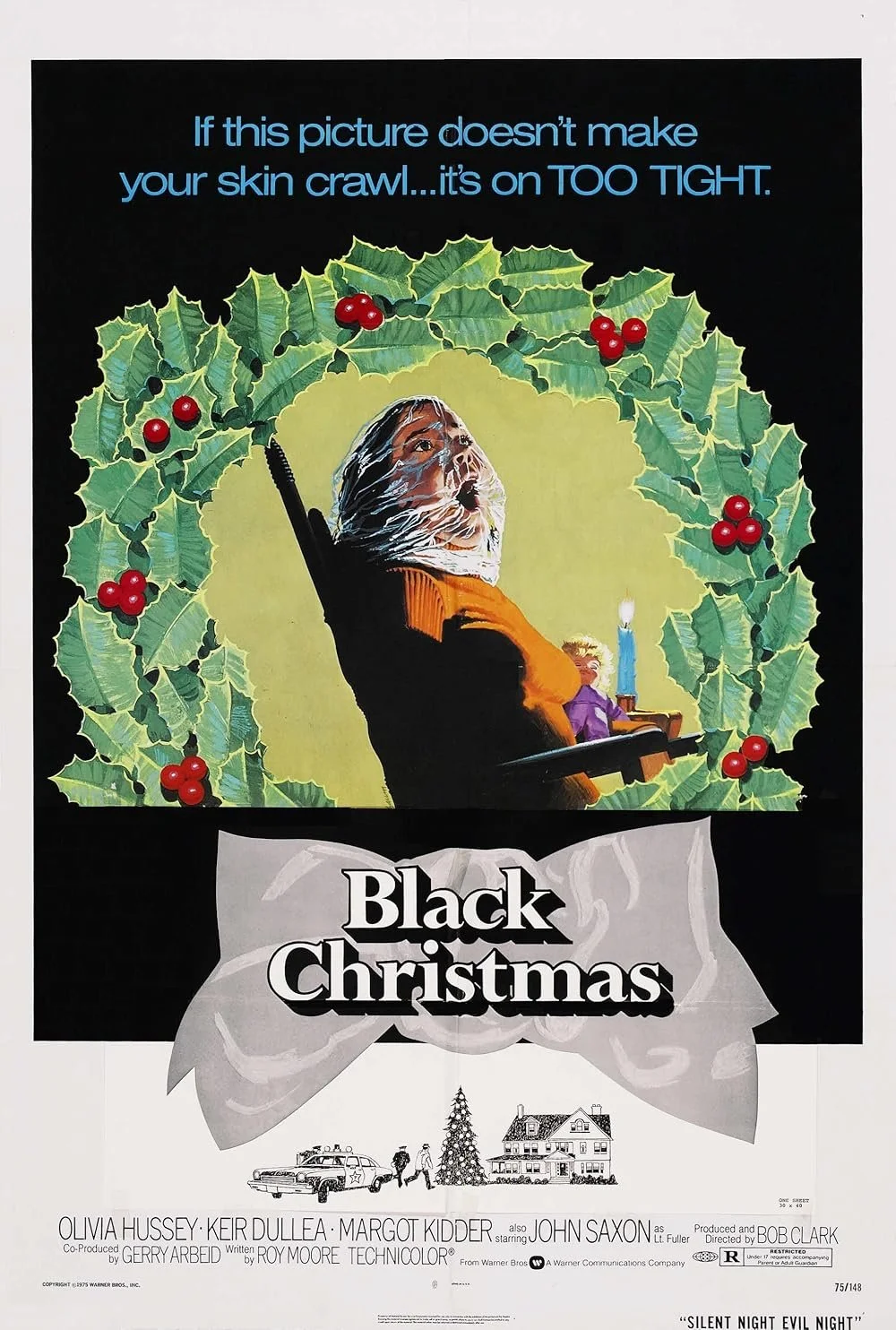
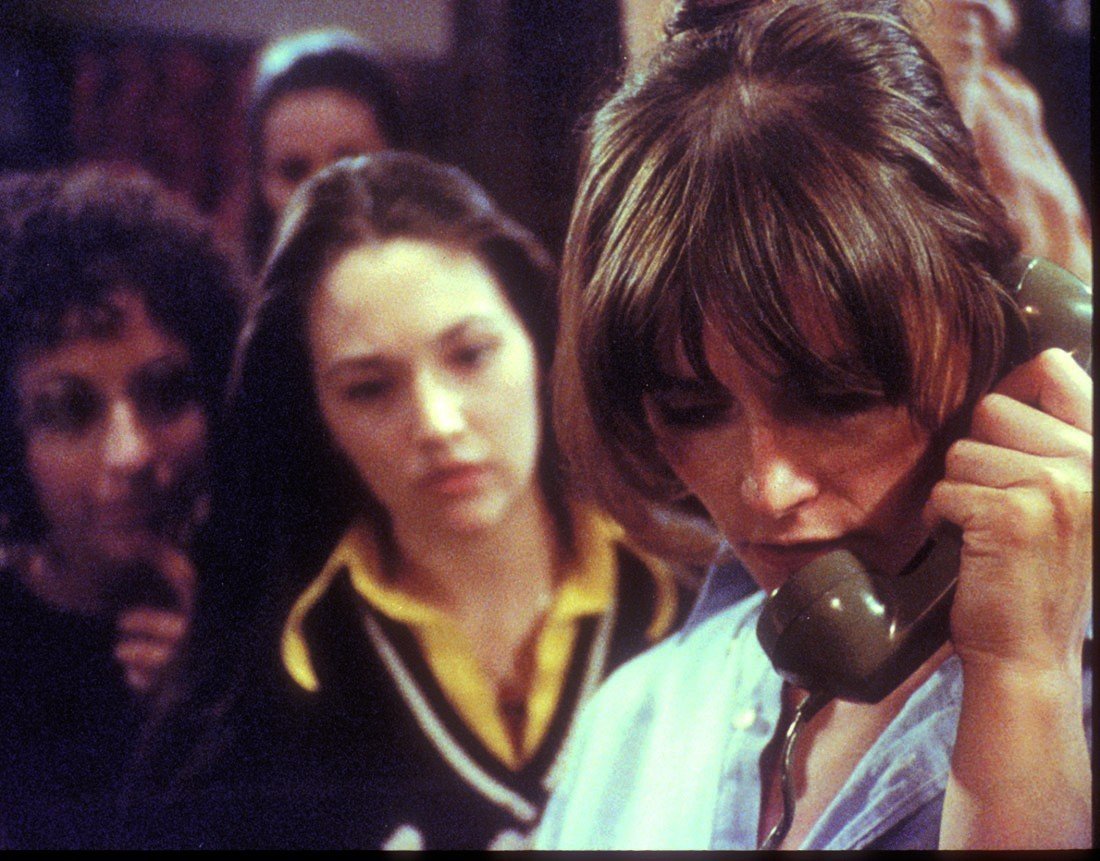
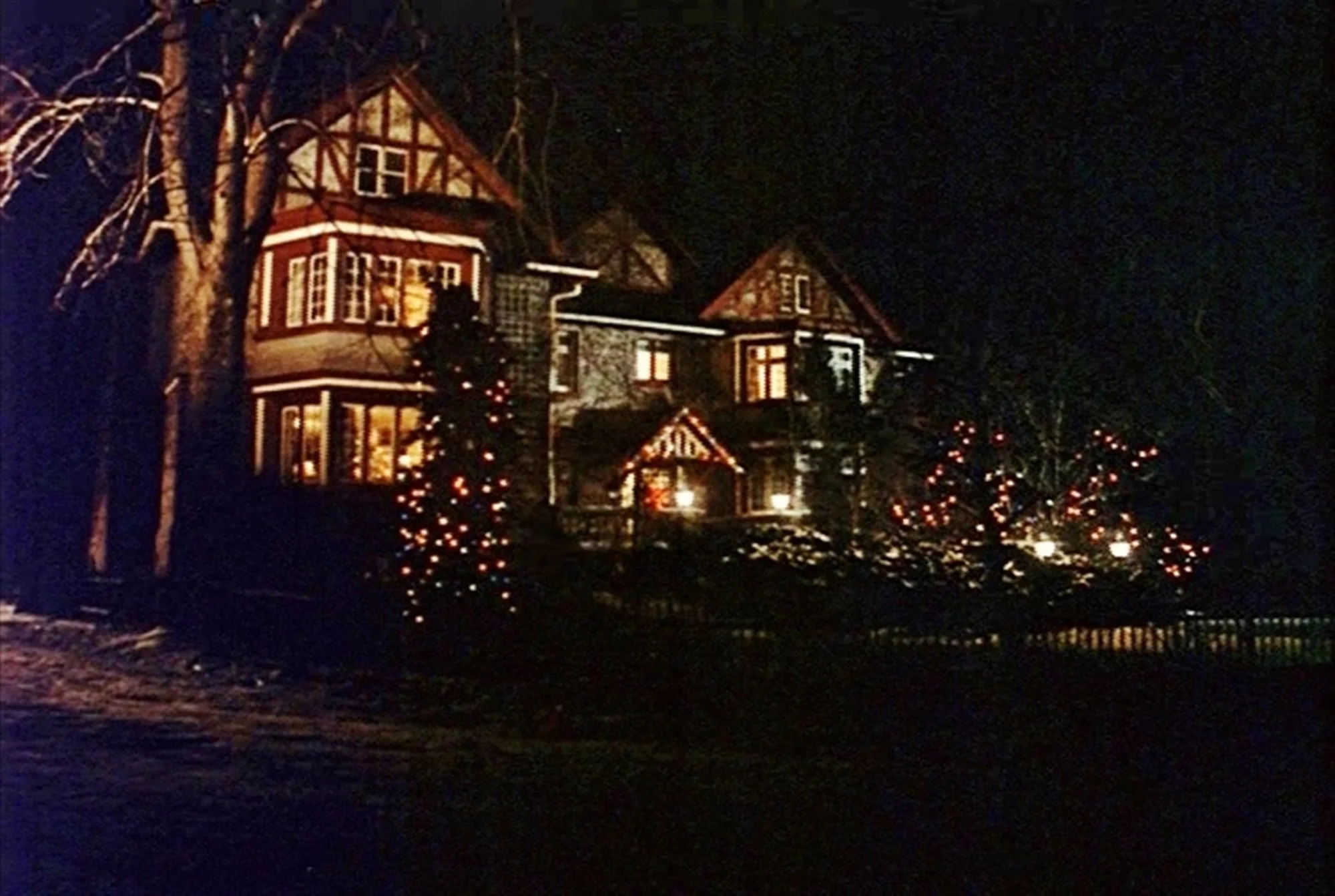
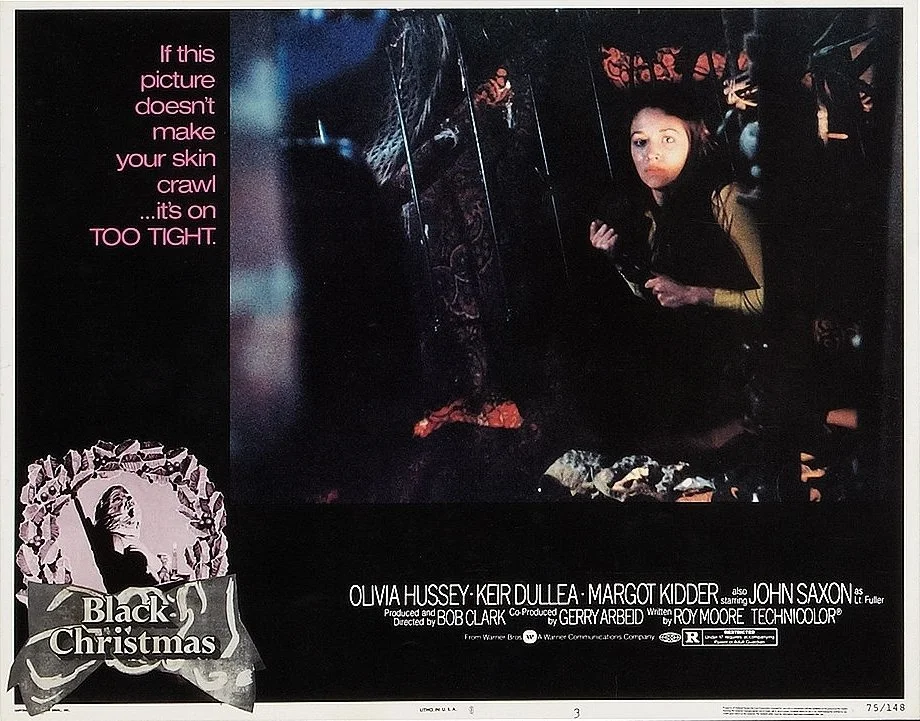
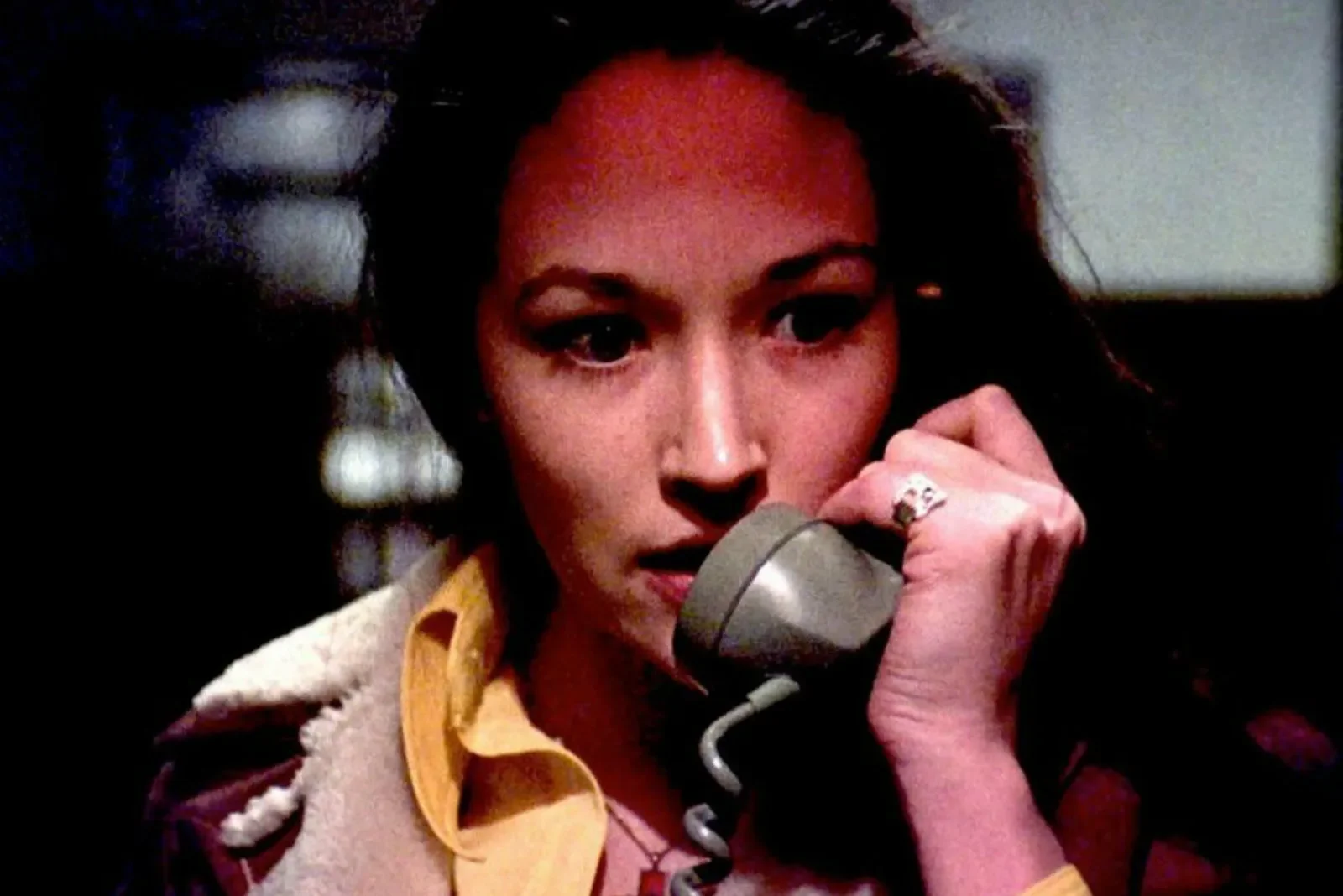
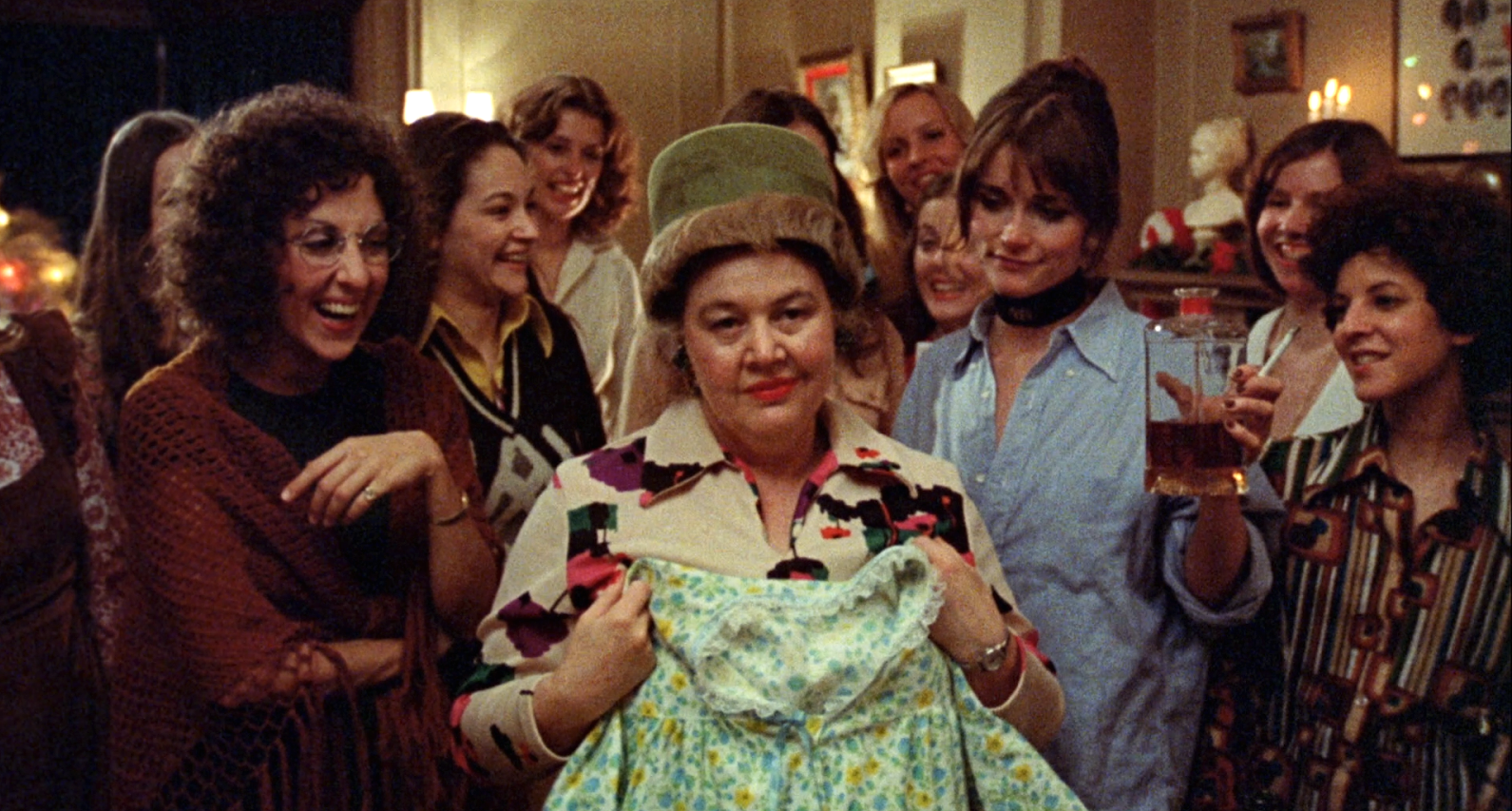
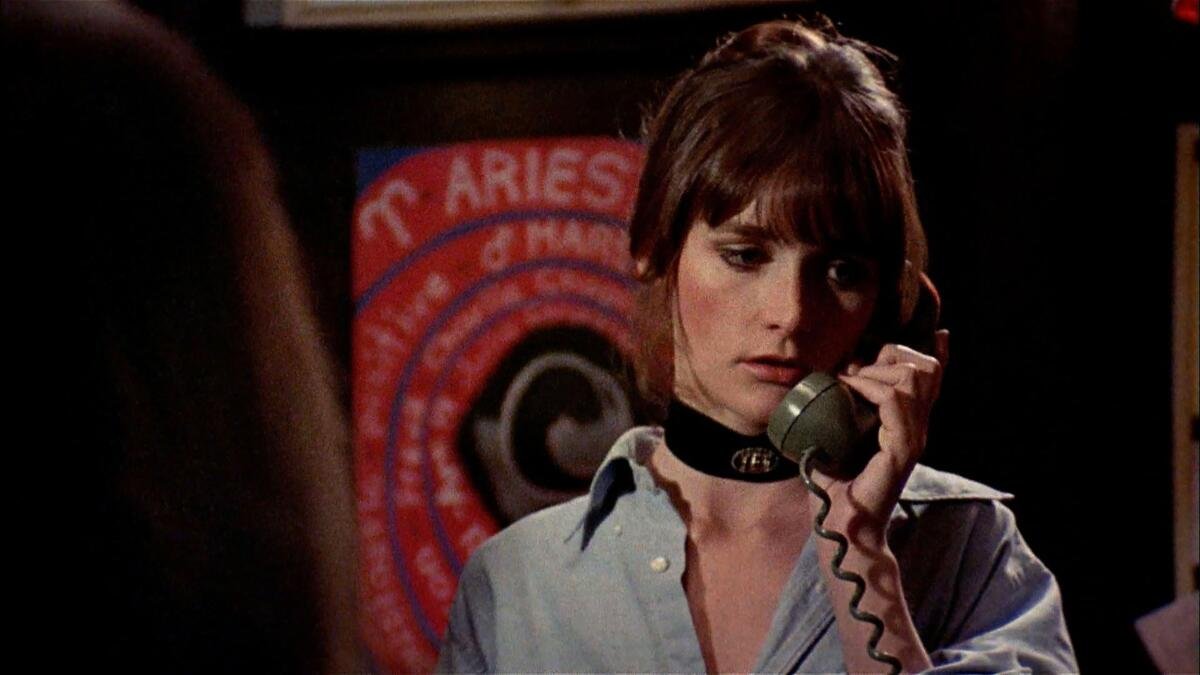
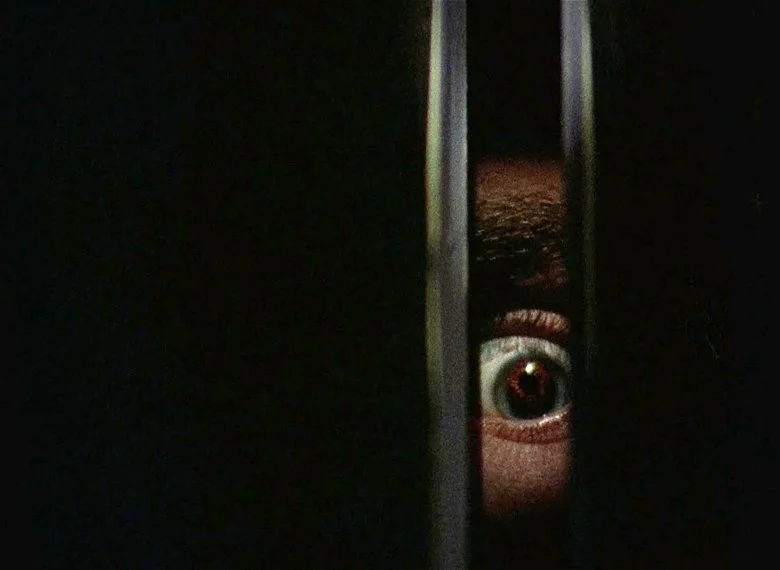
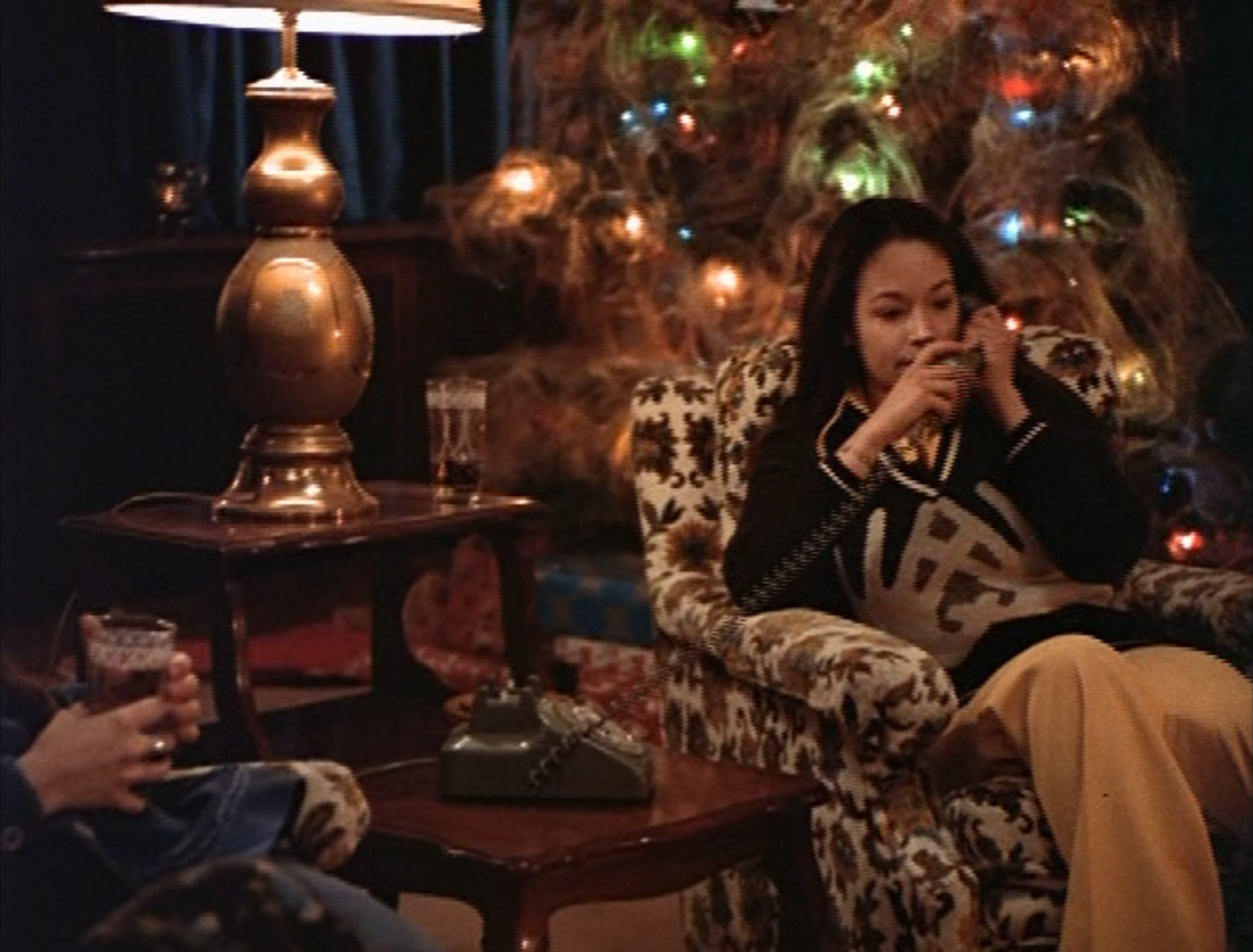
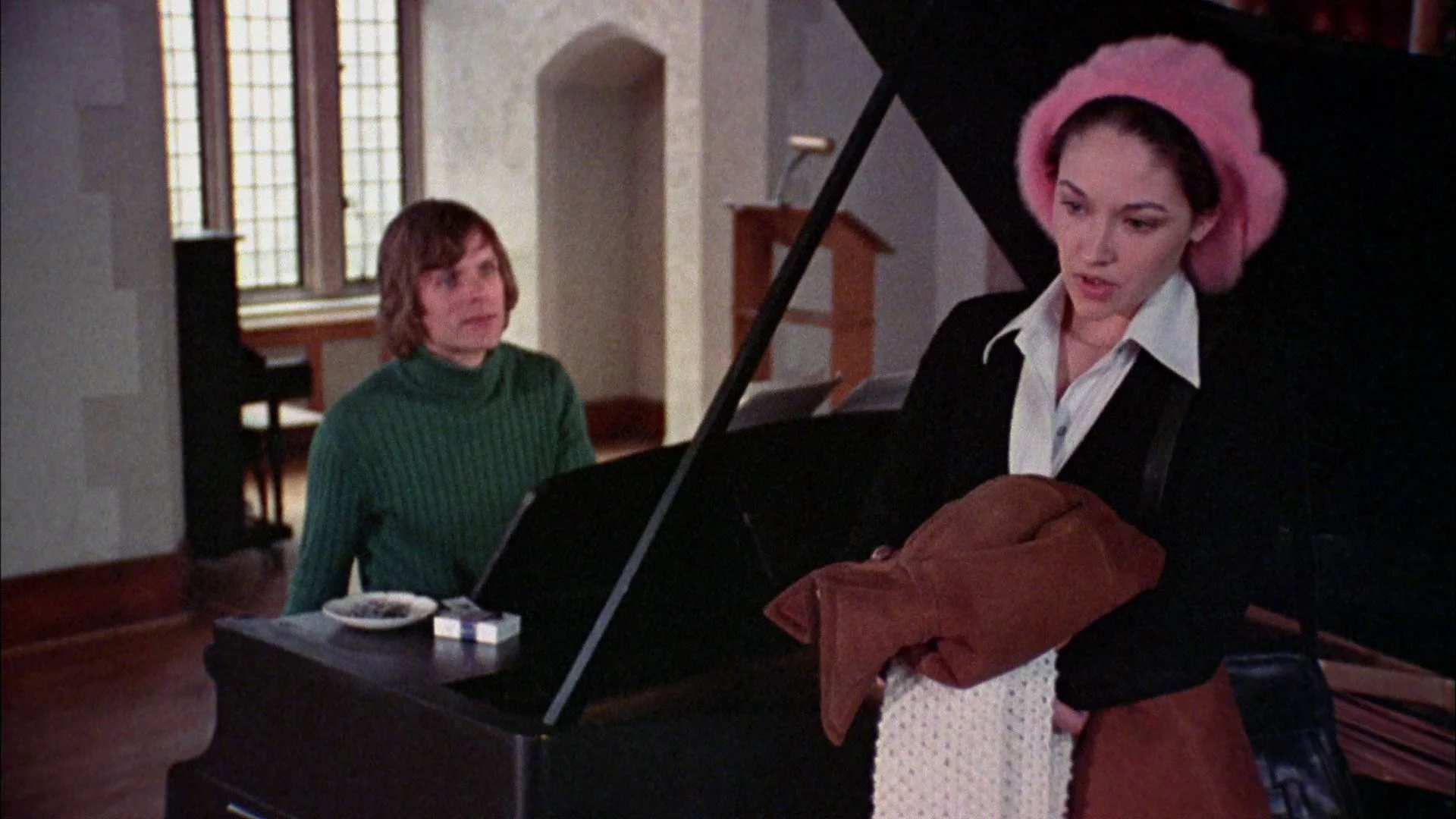
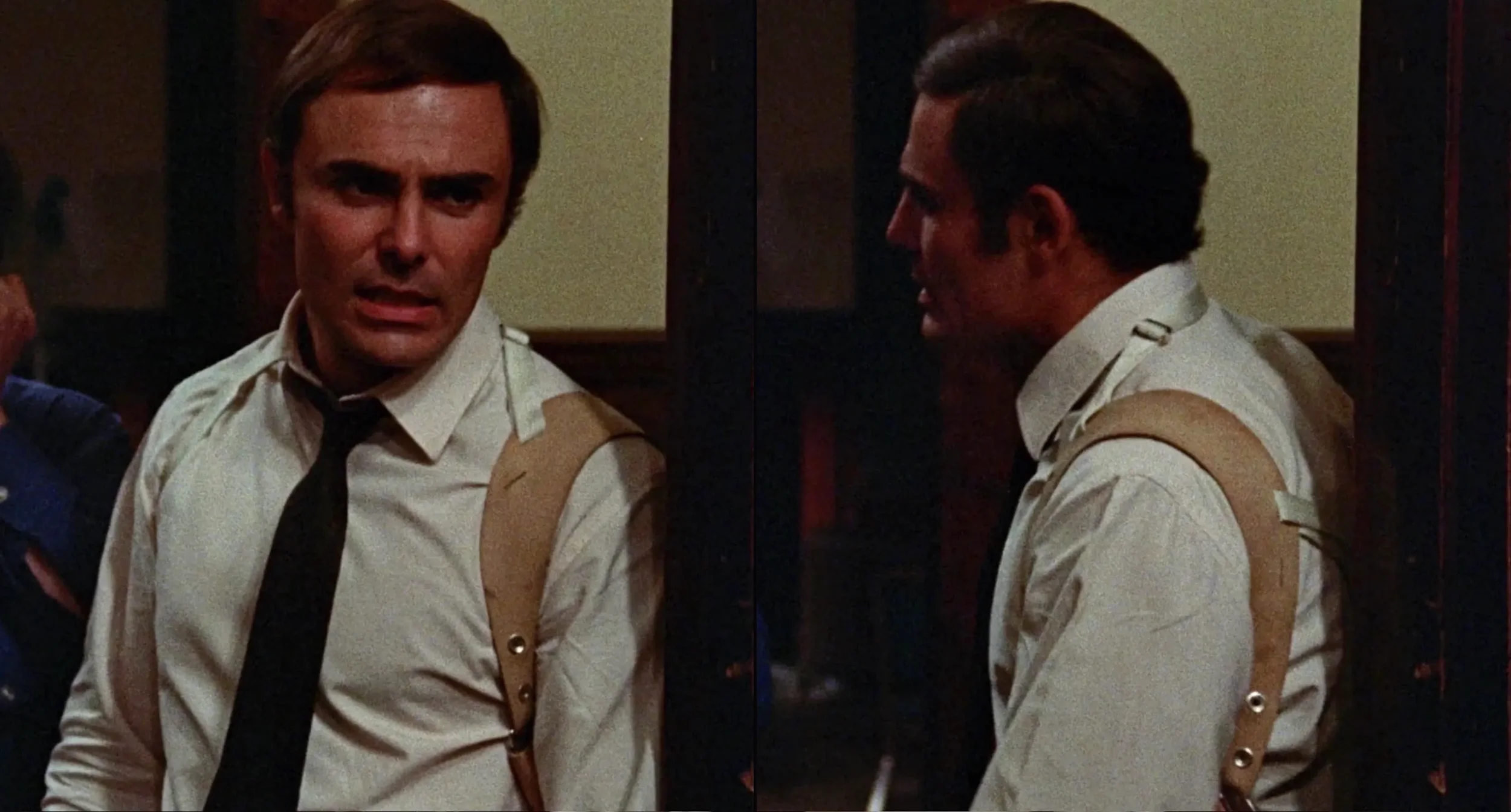
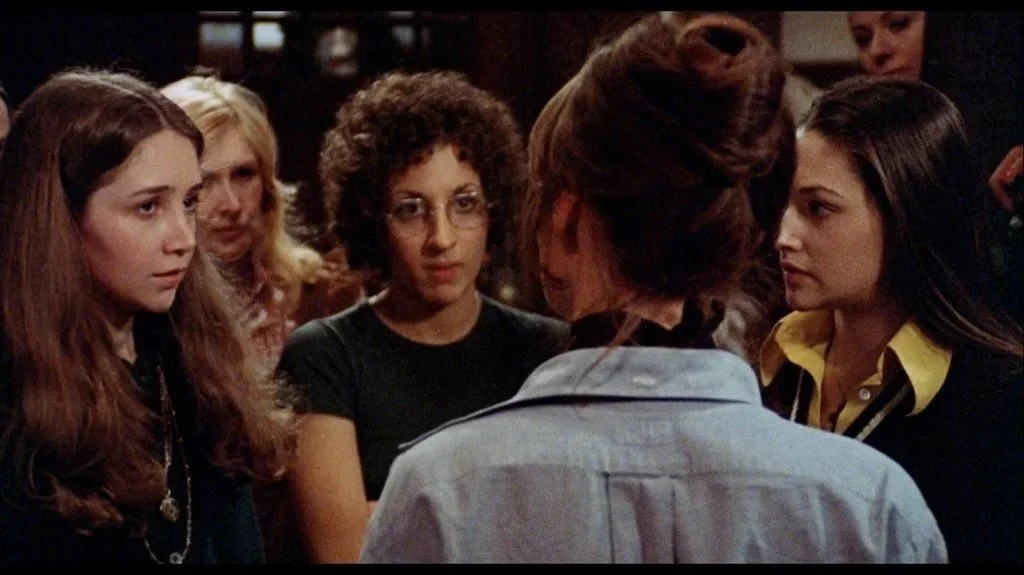
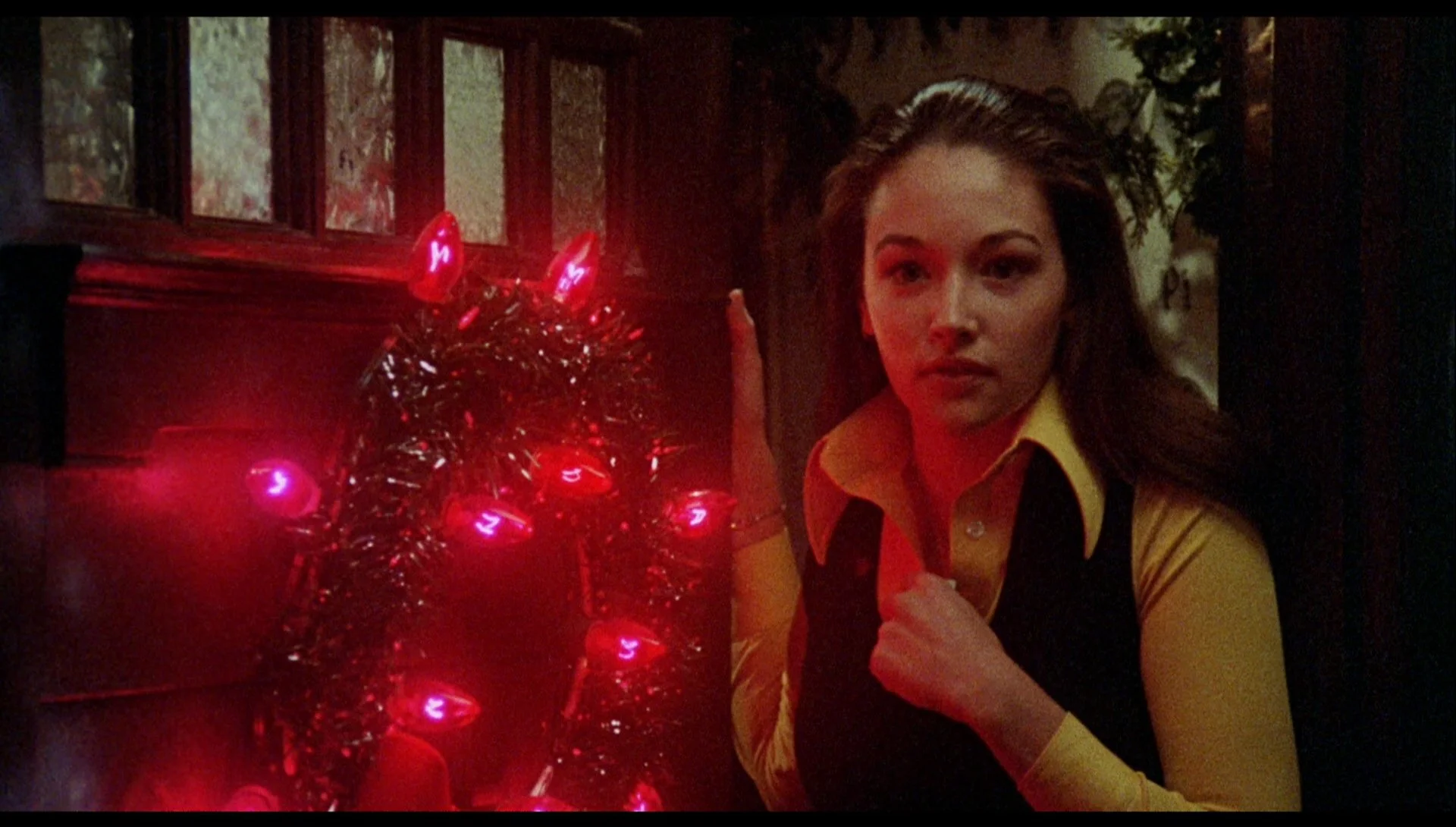
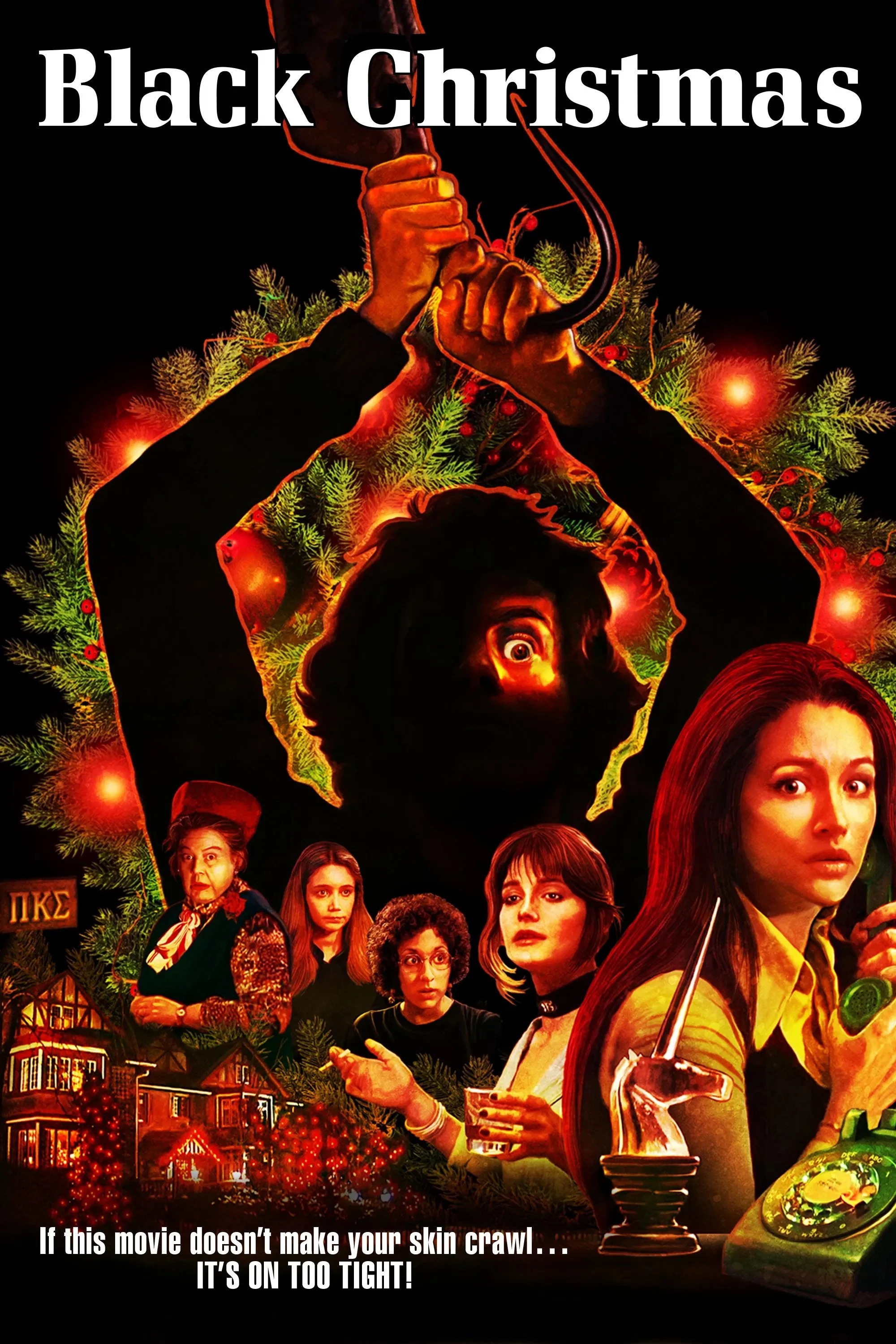
A stealthy, disturbed, and unidentified creeper of the highest order terrorizes a handful of women from the Pi Kappa Sigma sorority as they prepare to leave for the holiday break in Black Christmas (1974). Directed by none other than Bob Clarke of A Christmas Story fame, this proto-slasher and beloved entry in the holiday horror subgenre is imbued with an atmosphere of dread. A cold Canadian December makes for the perfect backdrop as a stinging chill (literal and metaphorically) pervades the entire film, juxtaposed against beautiful Christmas carols and holiday iconography. There is so much more to say about this film, and we did just that in our deep-dive Cinematic Semicentennial Series feature last year.
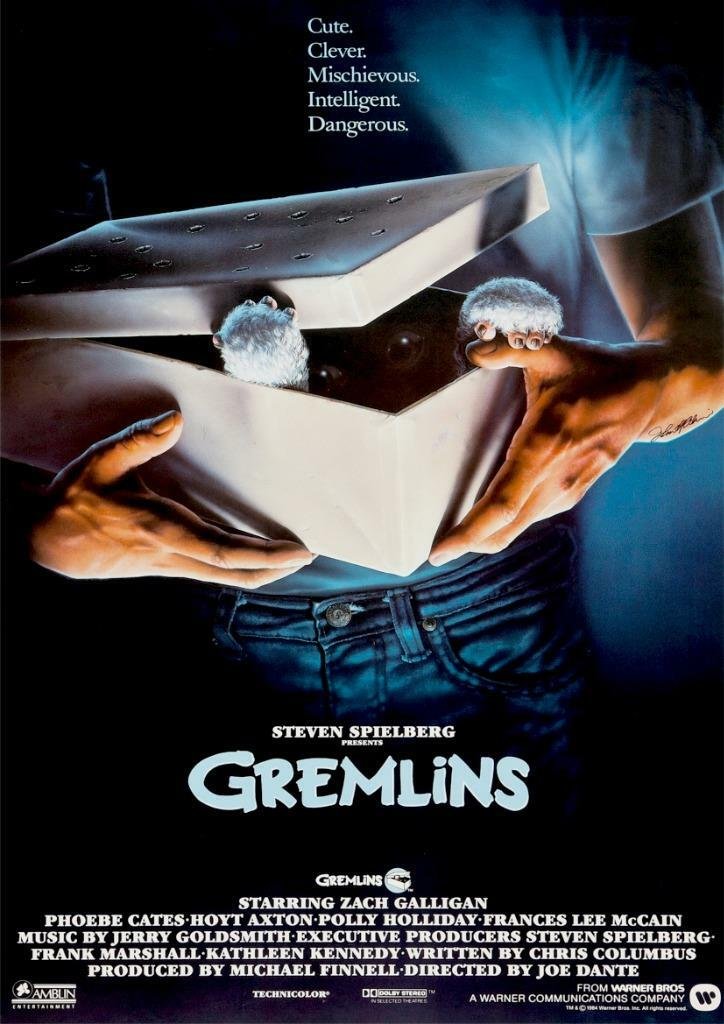
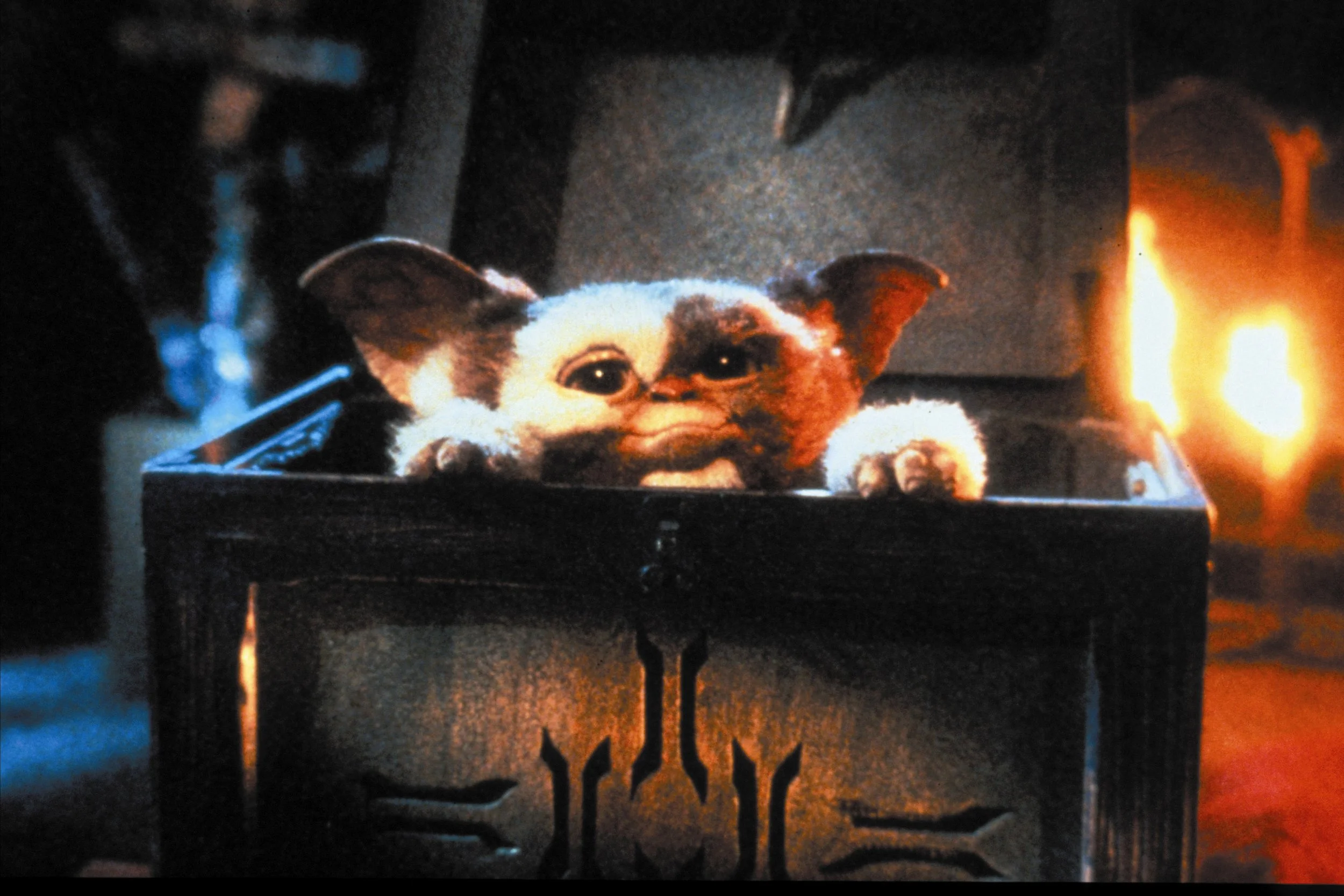
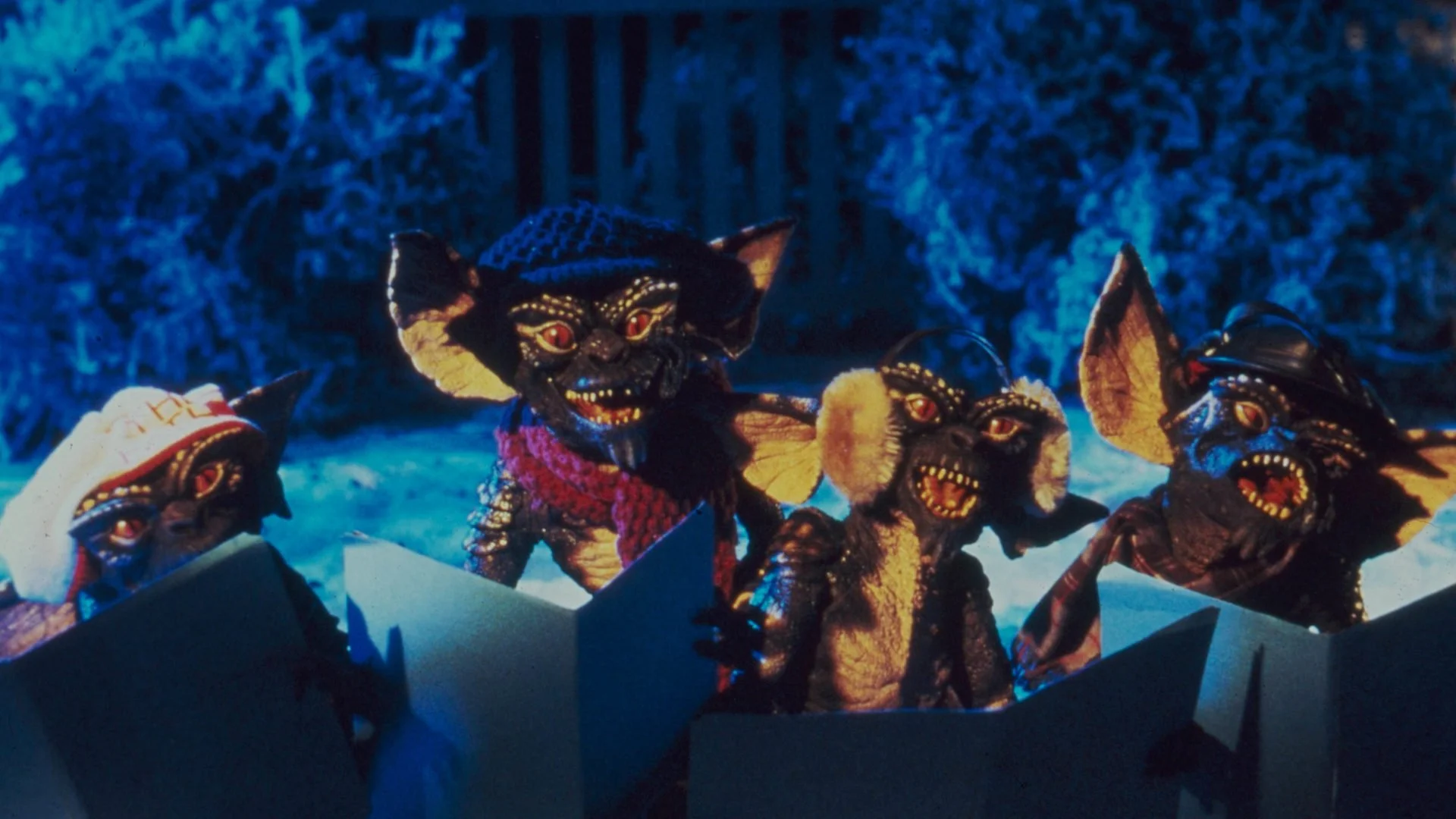
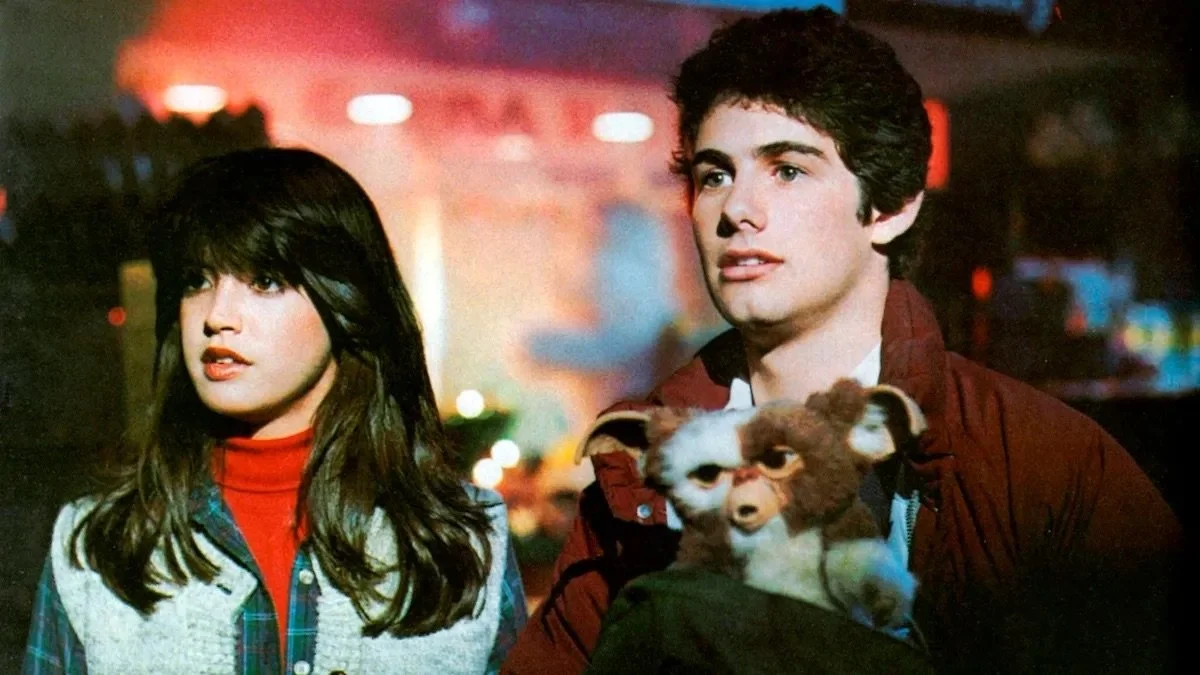
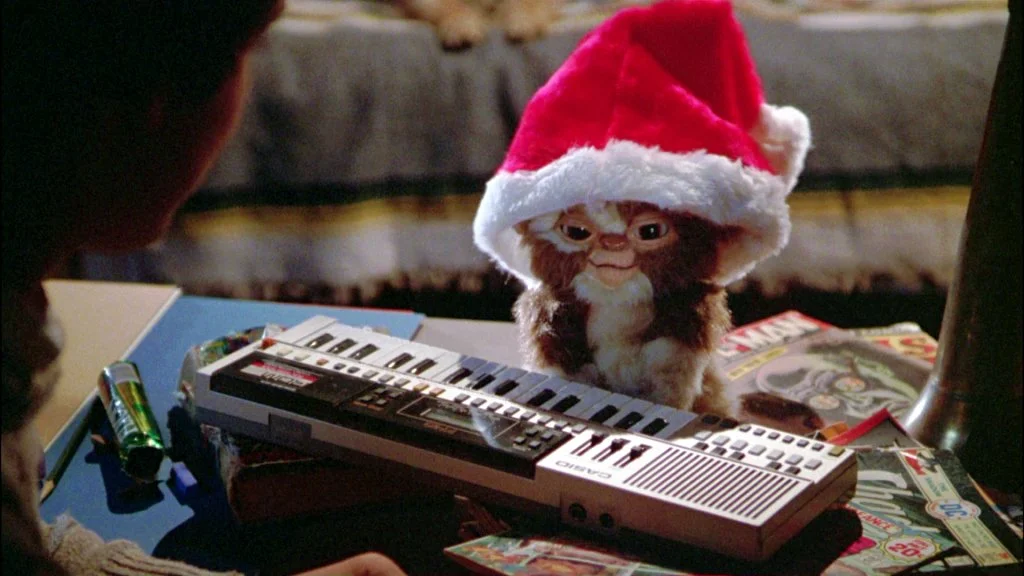
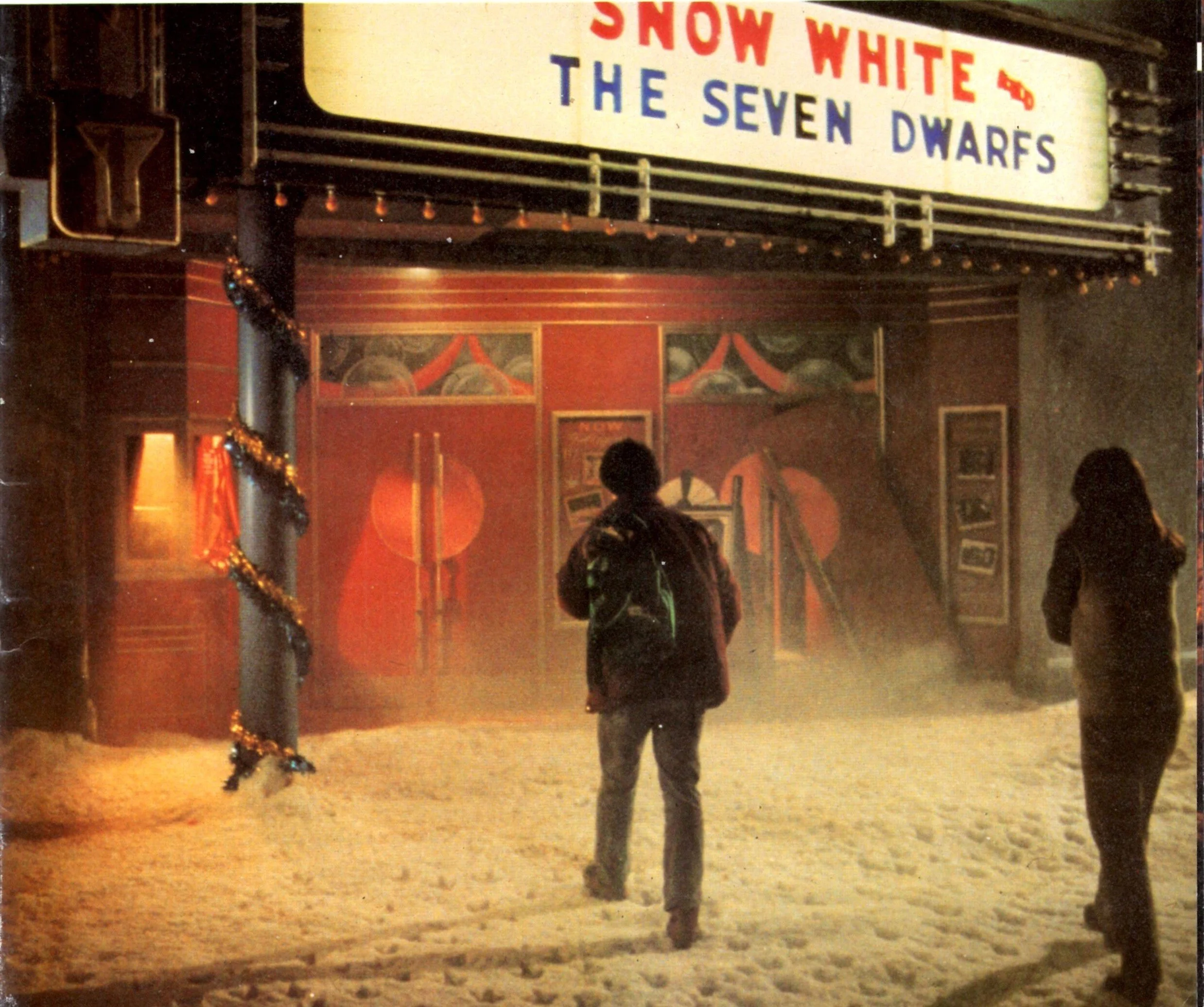
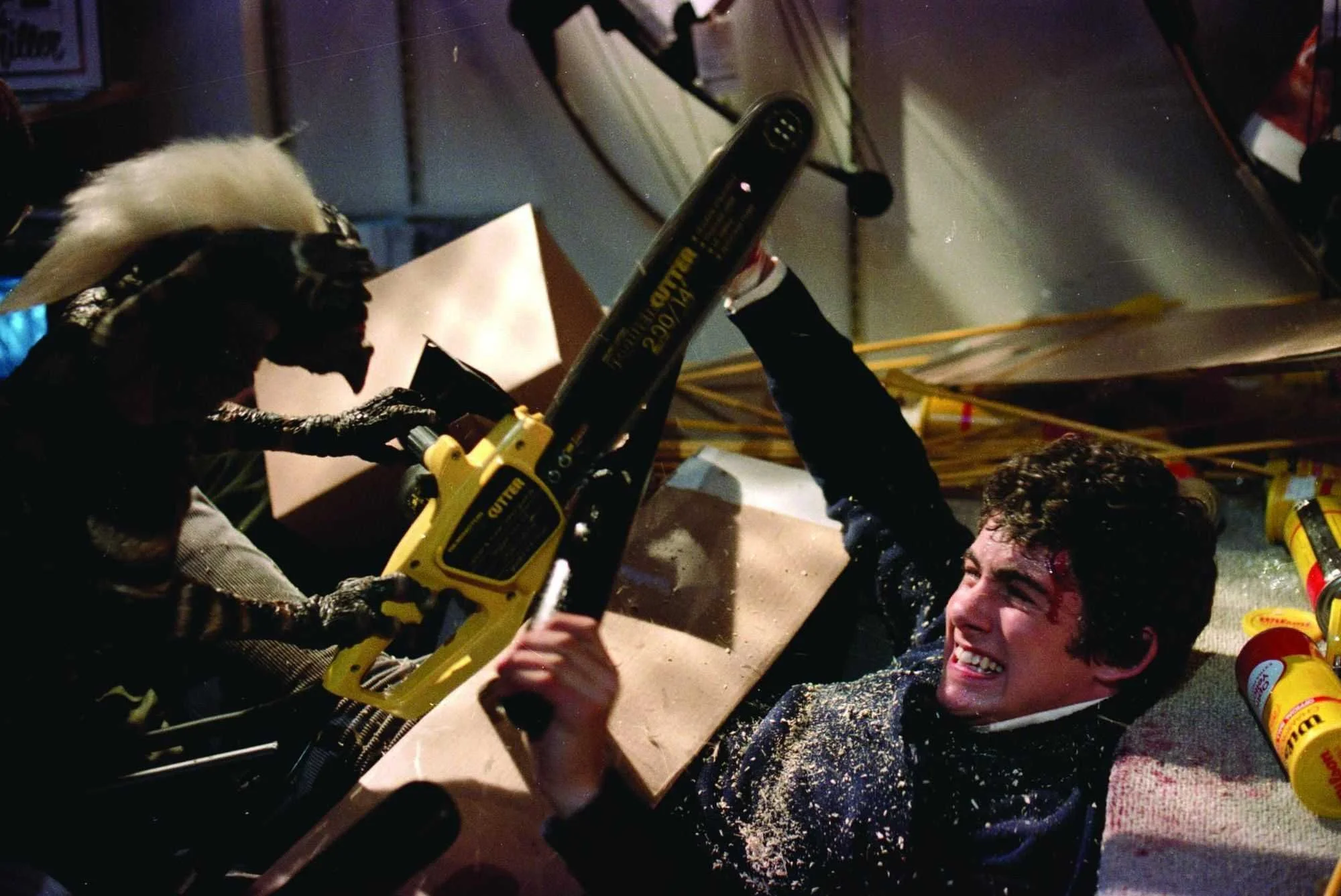
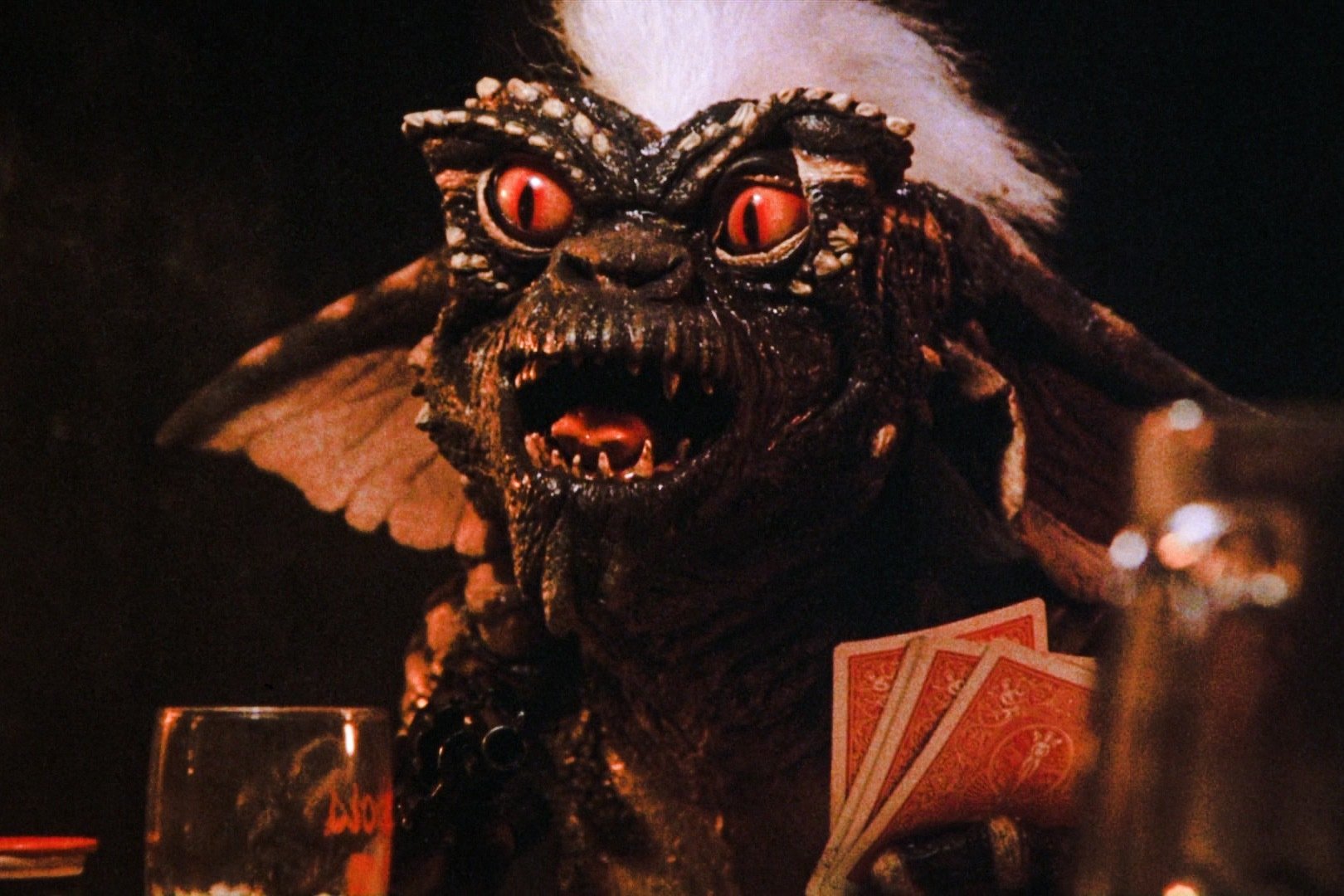
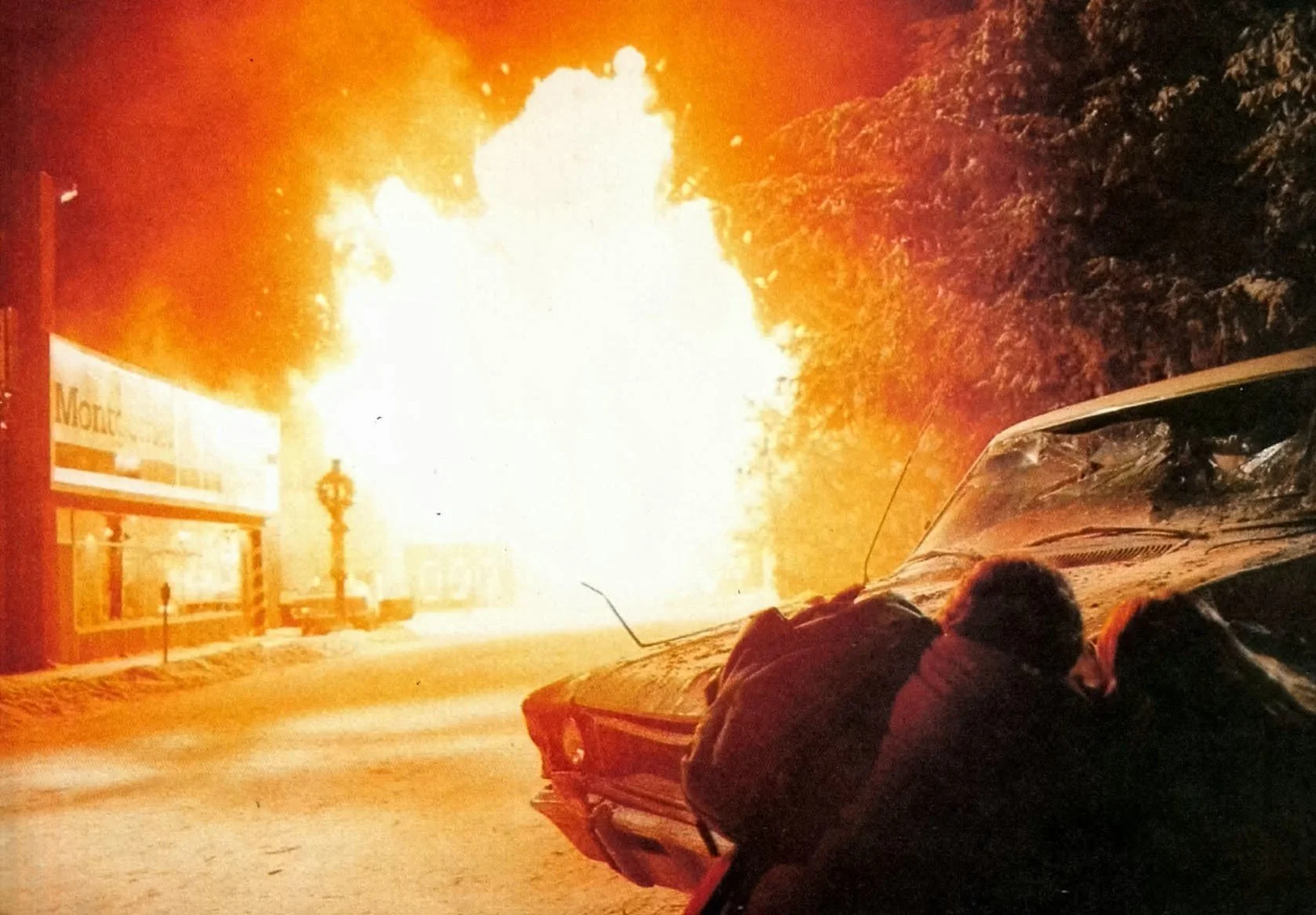
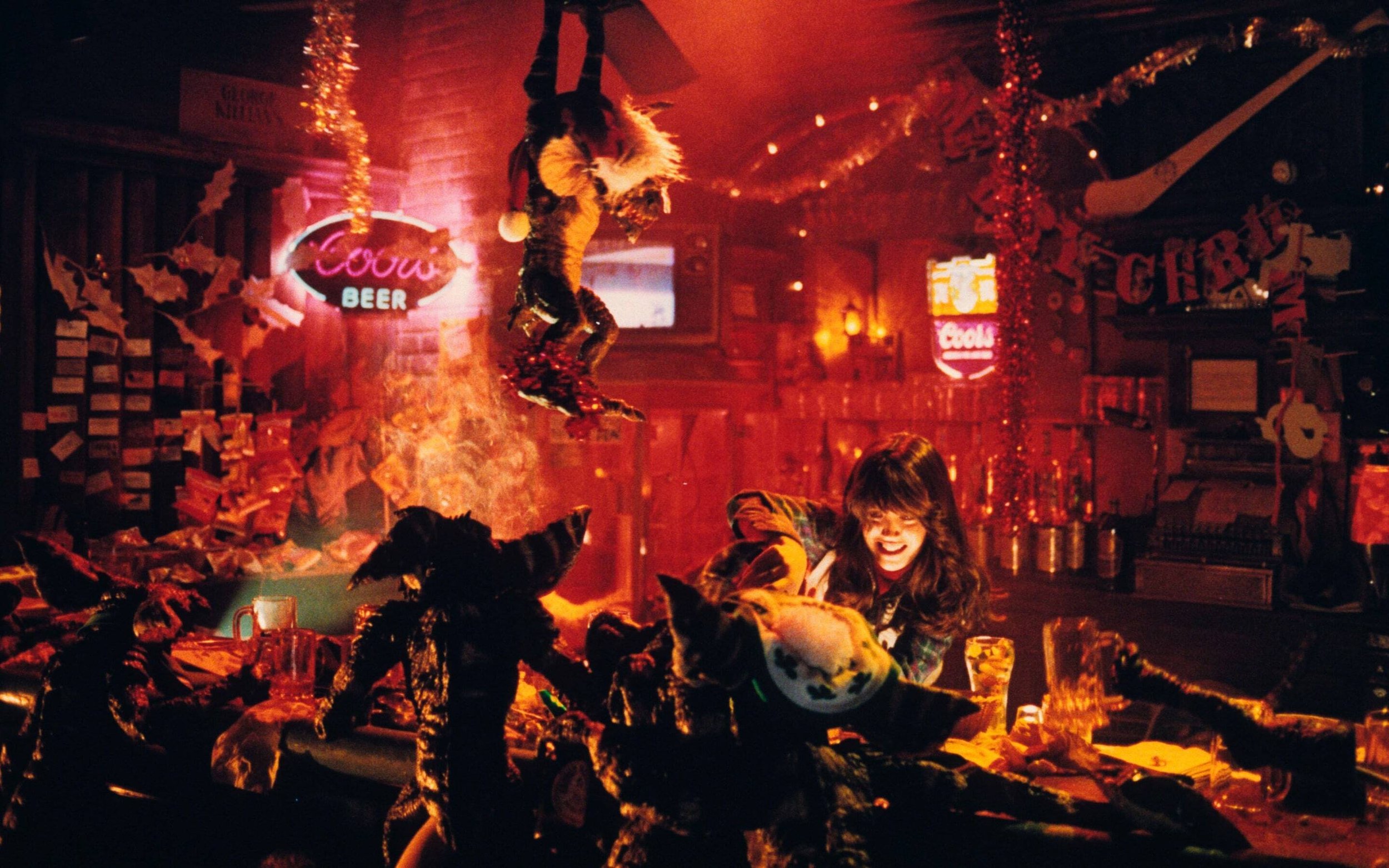
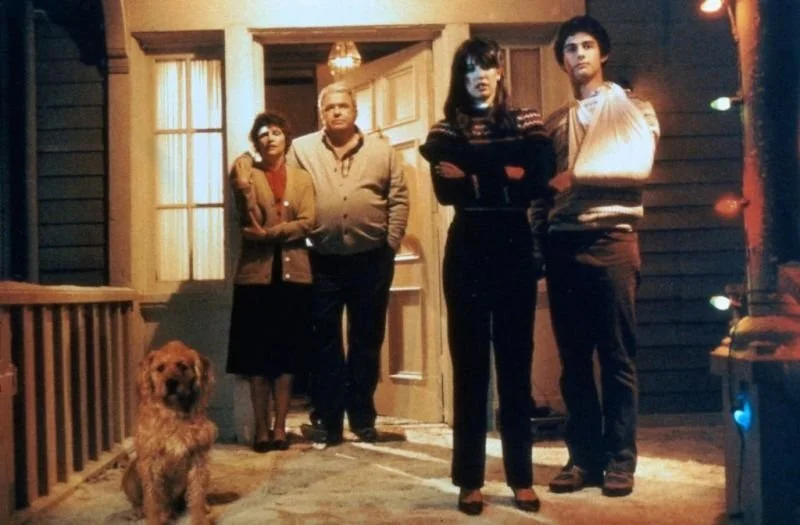
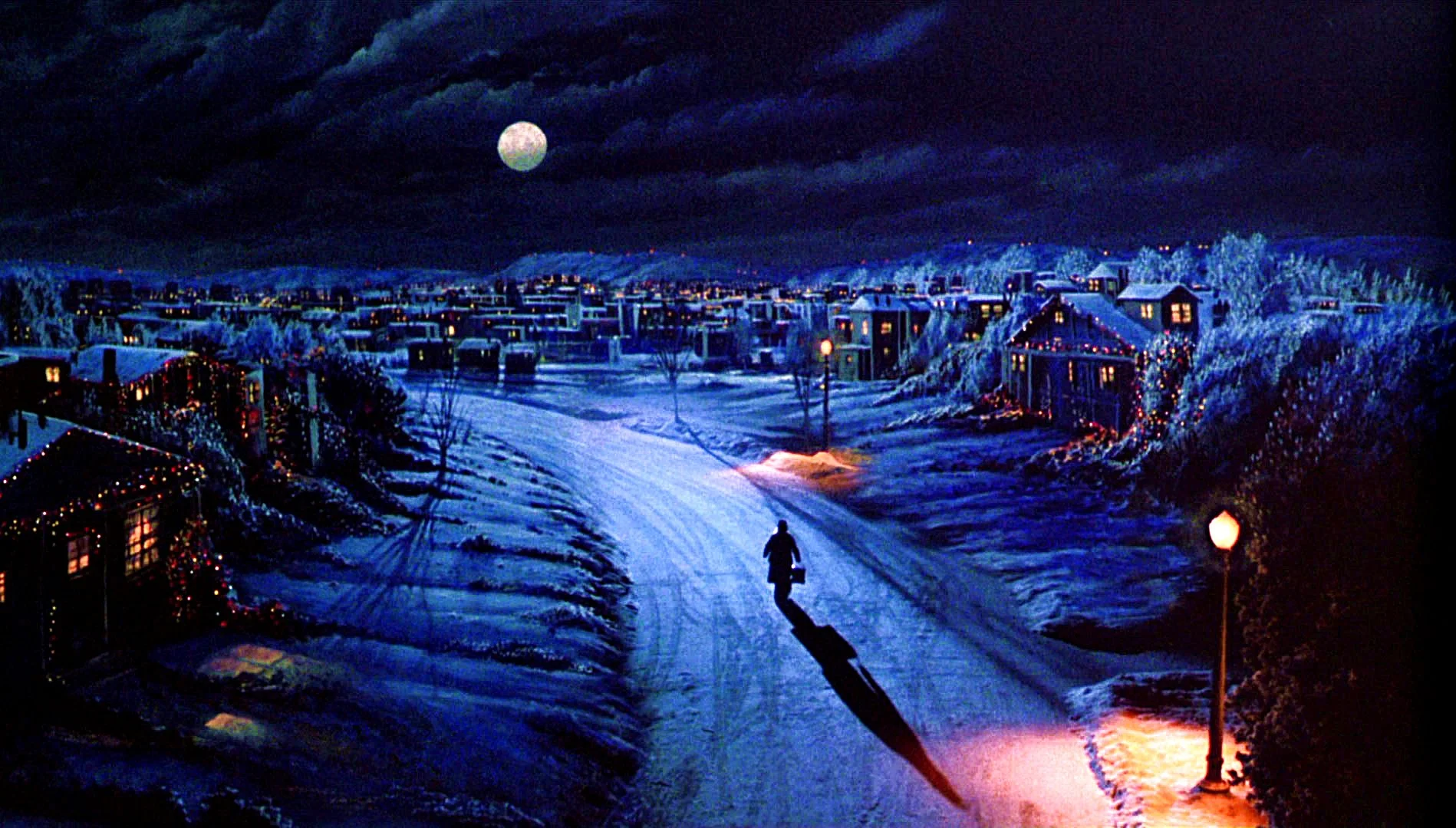
Quite possibly the cutest (and furriest) Christmas gift of all time results in pure monster mayhem for the little town of Kingston Falls in Joe Dante’s Gremlins (1984). The film was released theatrically in June of 1984, suggesting that this was not necessarily intended as a holiday classic. Yet this film leans hard into the Christmas season with holiday songs, lights and decorations at every turn, mounds of fluffy snow, and stockings hung by the chimney with care.
The story itself is a simple one. Struggling inventor and caring Dad Randall Peltzer (Hoyt Axton) gifts his son Billy (Zach Galligan) the ultimate Christmas present in the form of an impossibly adorable creature known as a Mogwai (which he names Gizmo). Of course there are certain rules one most follow when caring for a quasi-mythological creature such as Gizmo—you know what they are. Suffice to say the rules are inadvertently broken, unleashing a hoard of mischievous, marauding, and murderous yet jolly little beasties. The film is incredibly fun, festive, and silly in the best possible way. Polly Holliday, who plays the miserly Mr. Potter-like villain Mrs. Deagle, passed away in September of 2025 at the age of 88. If you live in the NYC area and want to catch Gremlins on the big screen, check out the Metrograph in downtown Manhattan, which is screening it on December 24th and 29th. Visit the Metrograph website to learn more.
We at Concentric Cinema want to wish fellow cinephiles, friends, and family a very warm and restful holiday season. In the meantime, please enjoy this vintage Run DMC classic video for “Christmas in Hollis,” which is briefly featured in Die Hard.