Metrograph and the Machines
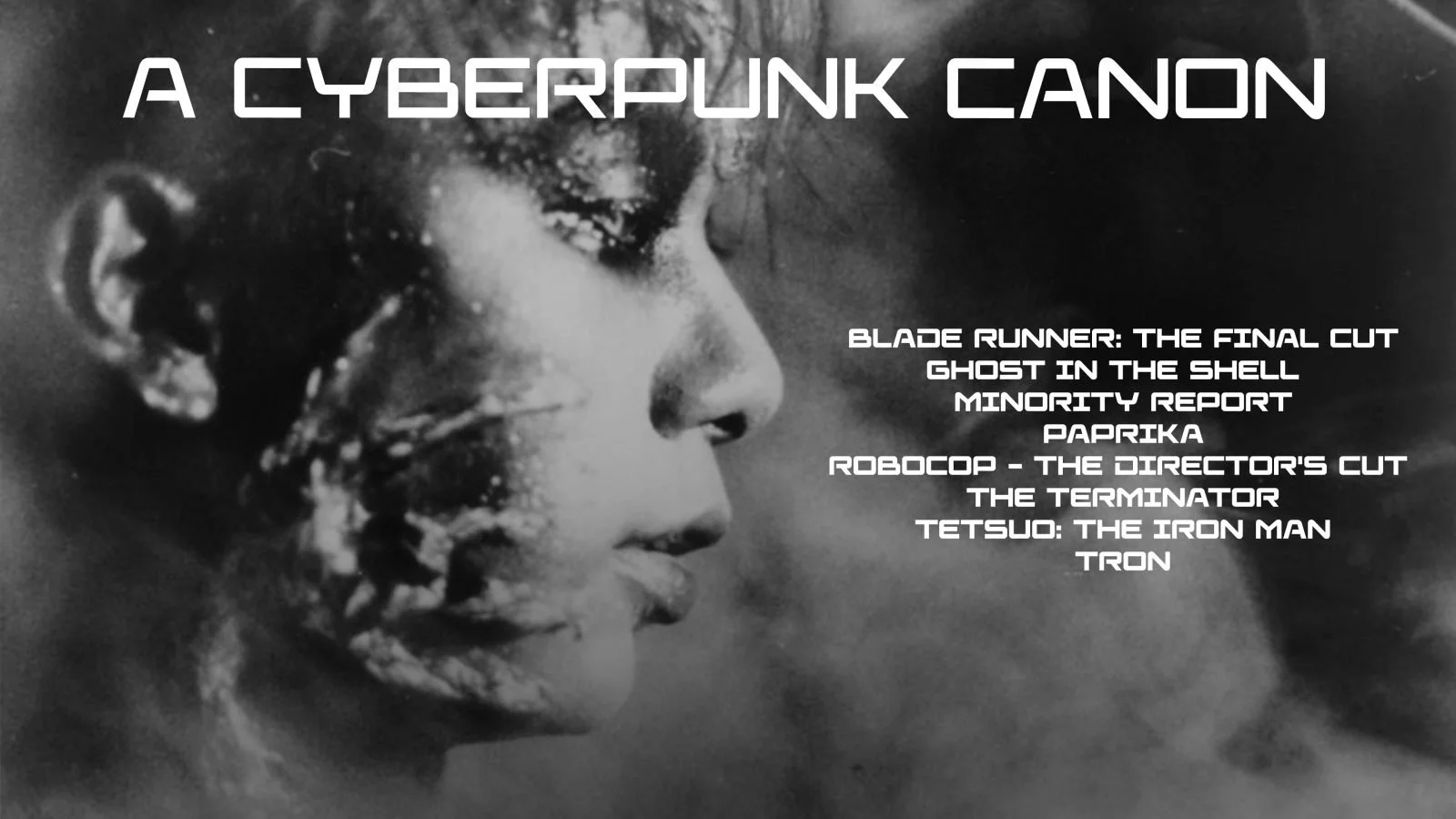
Promotional image for Metrograph’s A Cyberpunk Cannon

Calling all NYC area moviegoers! Do you like your science fiction dour, dystopic, and tech infused? Well, the folks at Metrograph have got you covered with a new curated series of cyberpunk cinema. These movies, essential viewing for sci-fi cinephiles, present various perilous futures where humanity faces an existential reckoning with the technologies it has birthed. Sound familiar?
A Cyberpunk Canon includes eight titles hardwired into this sub-genre. Here flesh is laid bare against metal and machine while human consciousness tries to reconcile with artificial intelligence and other advanced technologies. The series includes both live action and animated features celebrated for their often groundbreaking production design, special effects, pulsing circuits of anti-authoritarianism and the slew of questions they provoke.
Here is a brief run-through of what Metrograph has programmed, with a particular concentration of titles from the1980s, the definitive decade for cyberpunk.
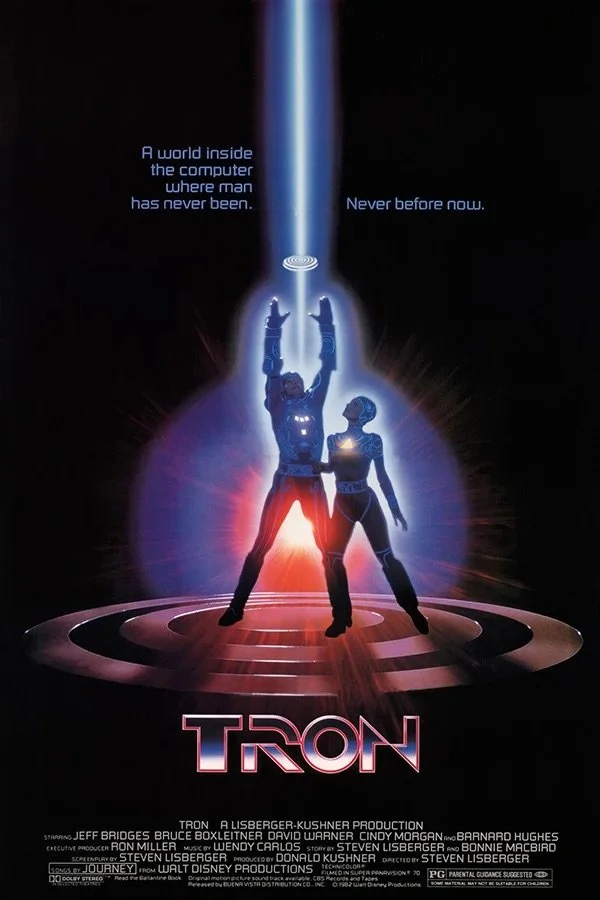
Tron (1982) is the story of a video game developer-turned-hacker who is digitized into a corporate computer and compelled to partake in gladiatorial-style games; action and intrigue ensue in a wondrous world of imaginative visual graphics. Tron was released at a time when Disney was experimenting with darker and more mature sci-fi and fantasy features. The film is known for its trippy concept, early video game era inspiration, and visual effects employing a combination of backlit animation, groundbreaking computer simulation, and live action. While far from perfect, the movie is celebrated for its unique premise and technical and artistic innovations. Other Disney films in this era include The Black Hole (1979), Something Wicked This Way Comes (1983), and The Black Cauldron (1985). I may or may not have had a pair of Tron pajamas way back in the day. Who can say.
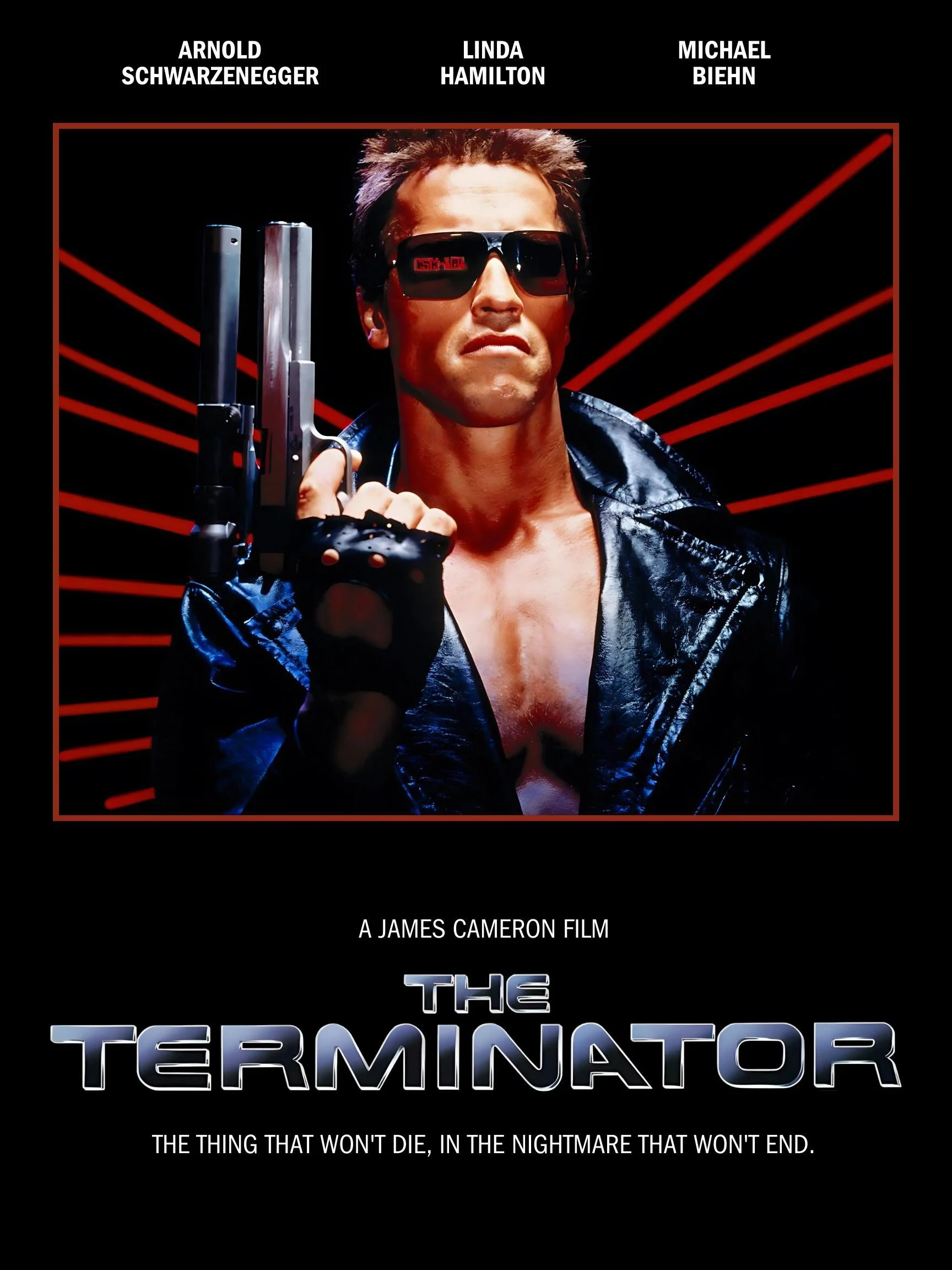
The Terminator (1984) is the big bad of this series and arguably the most referenced in pop culture 40+ years since its theatrical release. It features a fantastic story encompassing military artificial intelligence (gone very wrong), apocalyptic dread, time travel, and of course the iconic cyborg assassin. The proceedings are gritty, glorious, thrilling, and complemented by an excellent cast that grounds the movies with very human pathos. This film is cyberpunk all the way—dark, defiant, and with a mechanized momentum about as powerful as a T-800 entering a police station.
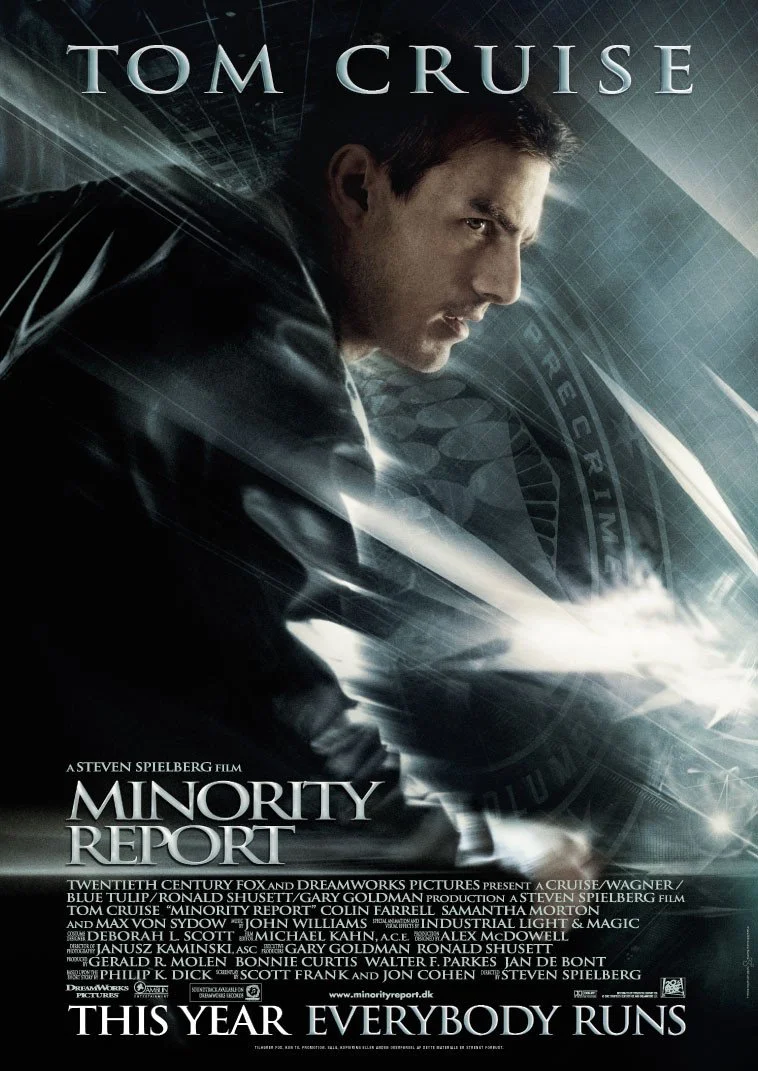
Minority Report (2002) takes us to mid-21st century Washington, DC where a special “pre-crime” police unit is piloting a new program to interdict violent crimes before they are committed. This unit uses precogs, clairvoyant humans augmented with cutting-edge technologies to identify individuals who are on track to commit murder and then arrest them. However, under the veneer of sleek high-tech precision is a society teetering on dystopia. Unsurprisingly, a precog goes on the run after being charged with a future murder. Perhaps one of the less celebrated in director Steven Spielberg’s filmography, this tight sci-fi thriller begs two questions: Can humanity save itself from its violent instincts? And how far and at what cost can technology be leveraged to perfect human society?
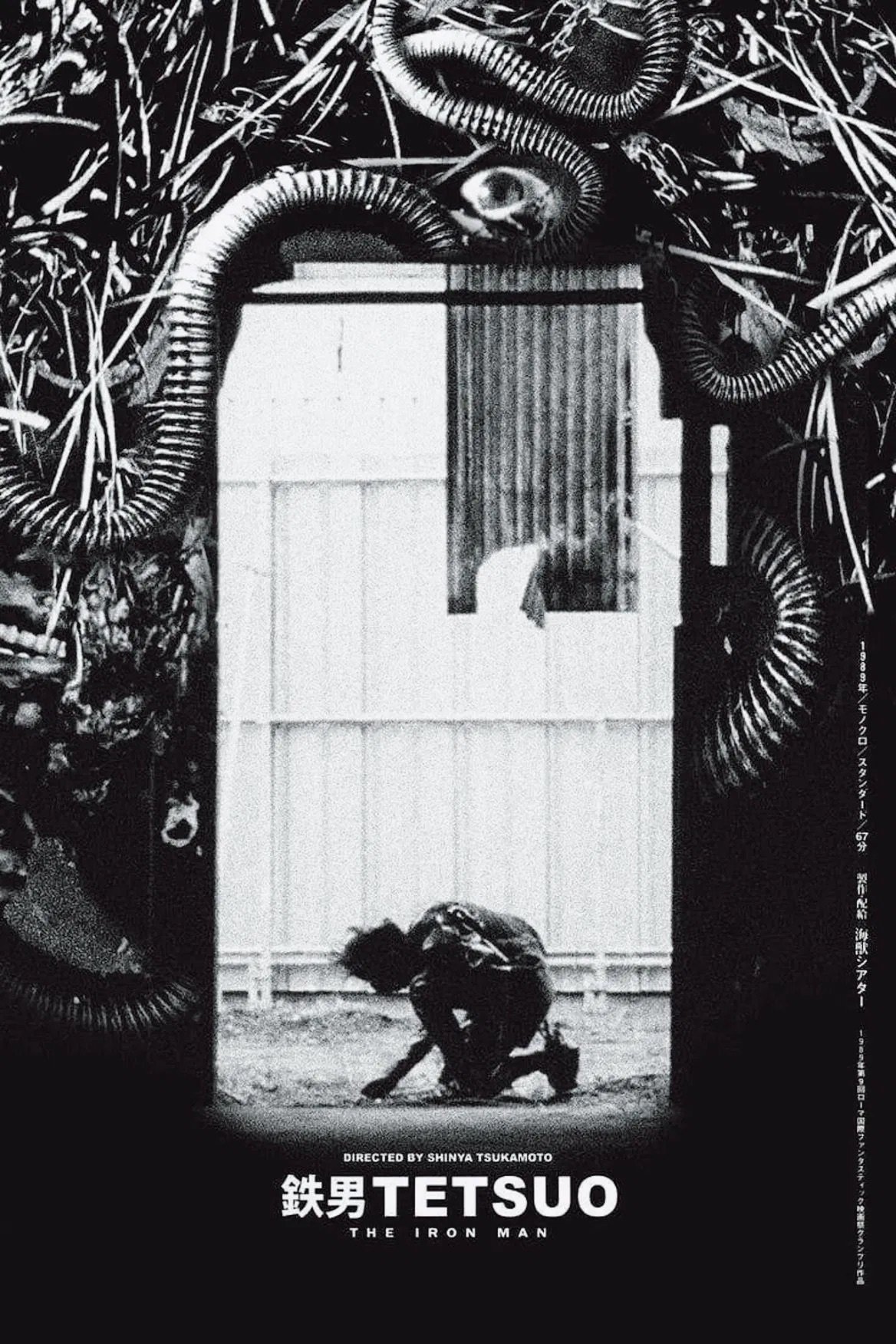
Tetsuo: The Iron Man (1989) really just needs to be seen to be believed. The premise: The literal fusion of metal and man, following a hit and run between a Japanese business man and a metal fetishist. The sci-fi/horror film is a twisted alloy of psychosexual themes, sadomasochism, body horror, telekinesis, and surreal nightmare imagery, with possible inspirational debt to filmmakers such as David Lynch, David Cronenberg, and Sam Rami. Tetsuo, very much an experimental, low-budget art house film, features impressive practical makeup and prop work, effectively stifling and claustrophobic set design, black and white photography, and even some neat—if also gnarly—stop motion animation. And no, this isn’t the movie for a first date.
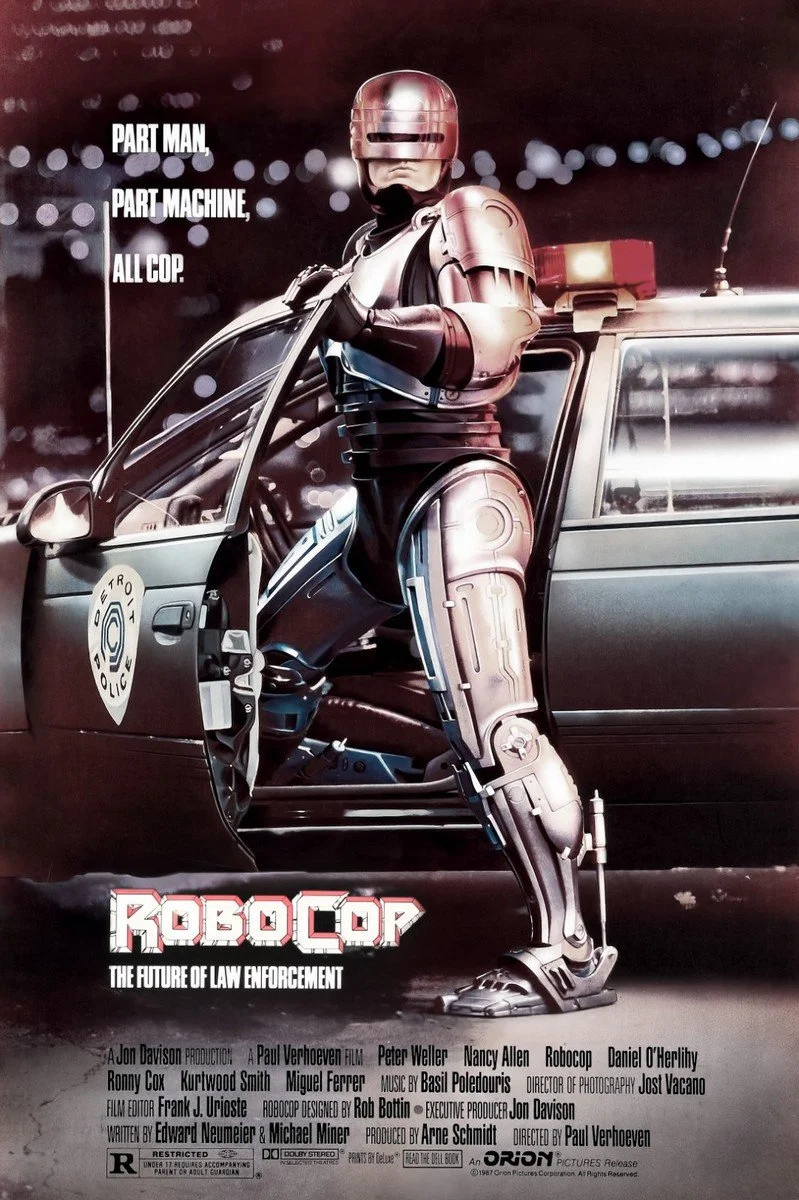
RoboCop, (1987) our titular cyborg, is the product of a viciously slain police officer repurposed by a privatized security company into a hulking and high-tech cop. RoboCop’s beat? Metro Detroit, a vice-ridden city existing in 2043 as a quasi dystopia, with rampant violent crime, all matter of venality, and an overwhelmed police department. This sci-fi flick goes delightfully big in just about every respect: hyper violence, comic book sensibilities, unsubtle corporate satire, emphatic action sequences, and a wonderful rogue’s gallery of exuberant villains. There is RoboCop himself, with his sleek titanium and kevlar frame, signature hidden thigh holster, dark visor, and neural processing capabilities. The movie has a strong undercurrent of cynicism, plus a tongue-and-cheek brand of sleaze, tempered by a hint of optimism and the swagger of a classic western. Did I and my underage friends gain admission to this R-rated film upon its theatrical release? Possibly. Hey—it was the 80s, man.
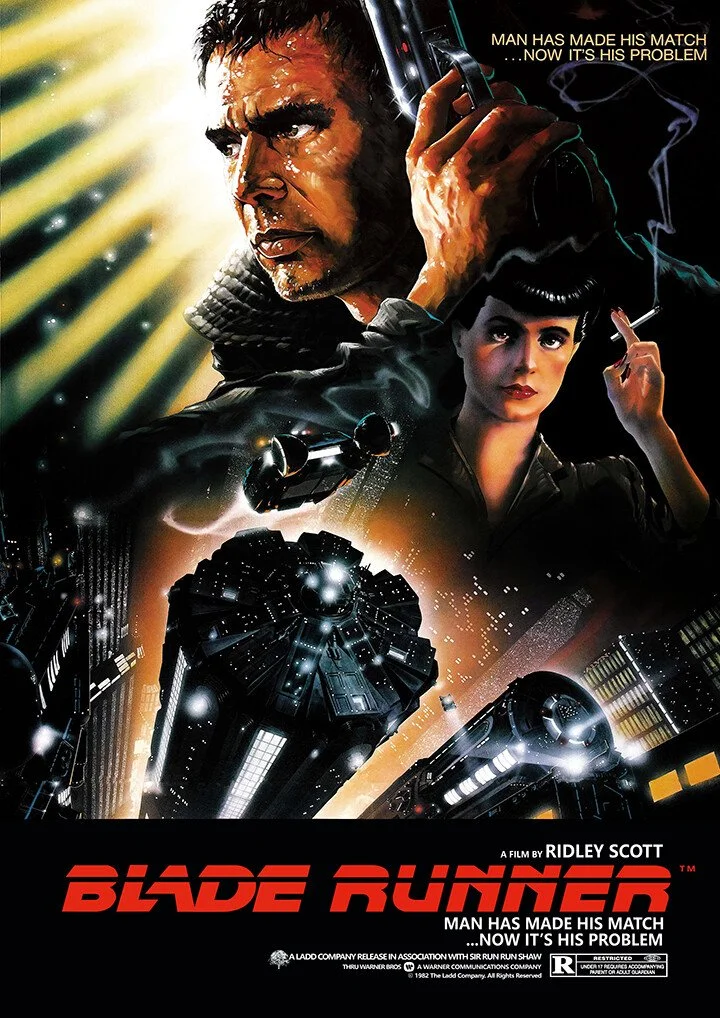
Blade Runner (1982) is the story of near-perfect bioengineered synthetic human replicants gone rogue in a quest for more life in a distant (at the time) 2019. The setting is a perpetually acid rain-drenched, smog-covered, neon-studded Los Angles, on a planet Earth that’s in ecologic collapse. This seminal sci-fi/noir might be the most immersive and contemplative cyberpunk experience in this series, achieved through its absolutely astounding production design and practical effects, ethereal score, and a stellar cast of replicants who were indeed “more human than human.” The film also begs quite a few questions relevant to artificial intelligence and our responsibility as sentient beings and creators. This screening will be the “final cut” of the film, said to be Ridley Scott’s definitive version, and which includes extended scenes and never-before-seen special effects.
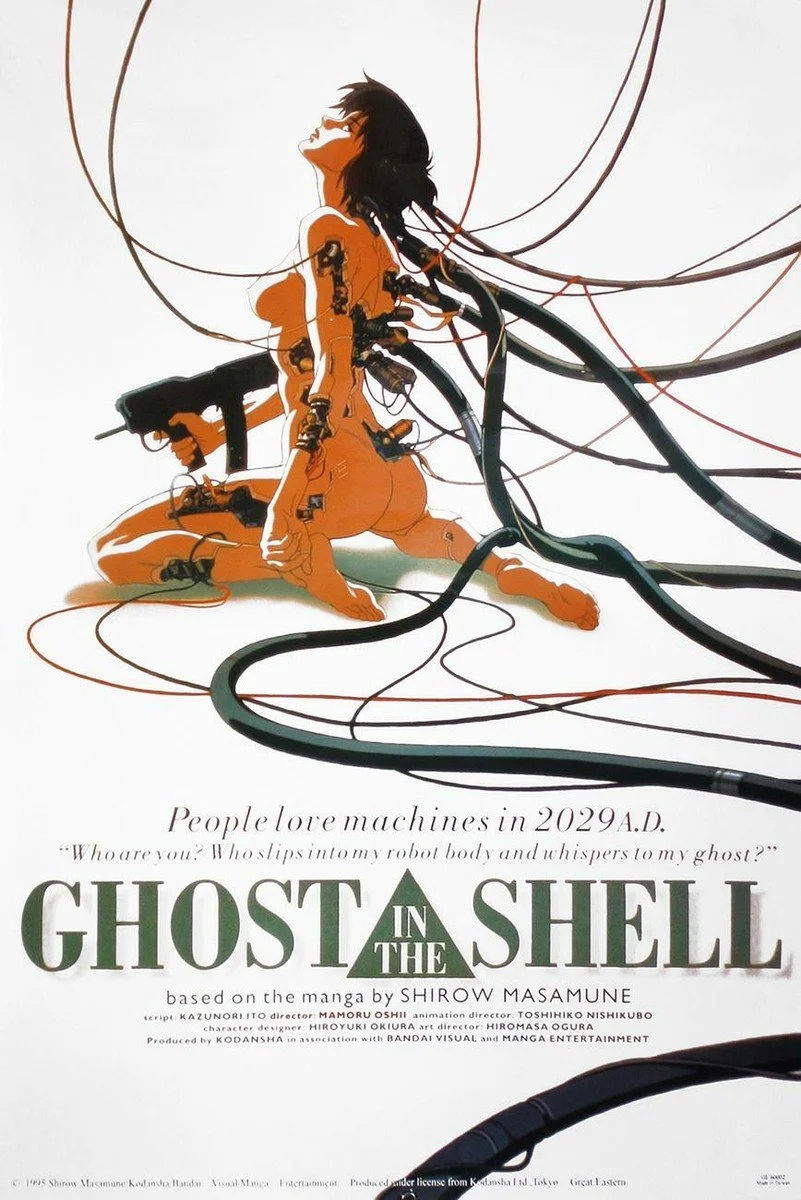
The lineup also includes a pair of animated features rooted in anime and produced in Japan: Ghost in the Shell (1995), presented in its 30th anniversary remastered format, and Paprika (2006). Both are sci-fi thrillers with avid cult followings. In these films future humans have surrendered (literally and figuratively) access to their minds, allowing their consciousness and even their dreams to become fair game to those who use advanced technologies for purposes that are hardly altruistic.

If this run-through whetted your appetite, be sure to check out A Cyberpunk Canon today! Visit the series landing page for more information, including dates and showtimes. Note: New screenings continue to be added, so be sure to check back for updates.
Metrograph, an independent company founded in 2016, is located in Manhattan’s Lower East Side on 7 Ludlow Street. The nearest subway stops are via East Broadway on the F line or Grand Street off the B & D. Visit Metrograph.com to learn more about the extensive and eclectic cinematic programing along with The Commissary at Metrograph, a full-service restaurant that draws its inspiration from Hollywood’s Golden Age.
Last, learn about the advantages of getting a membership at Metrograph, including discounts on tickets, the restaurant, and bookstore.
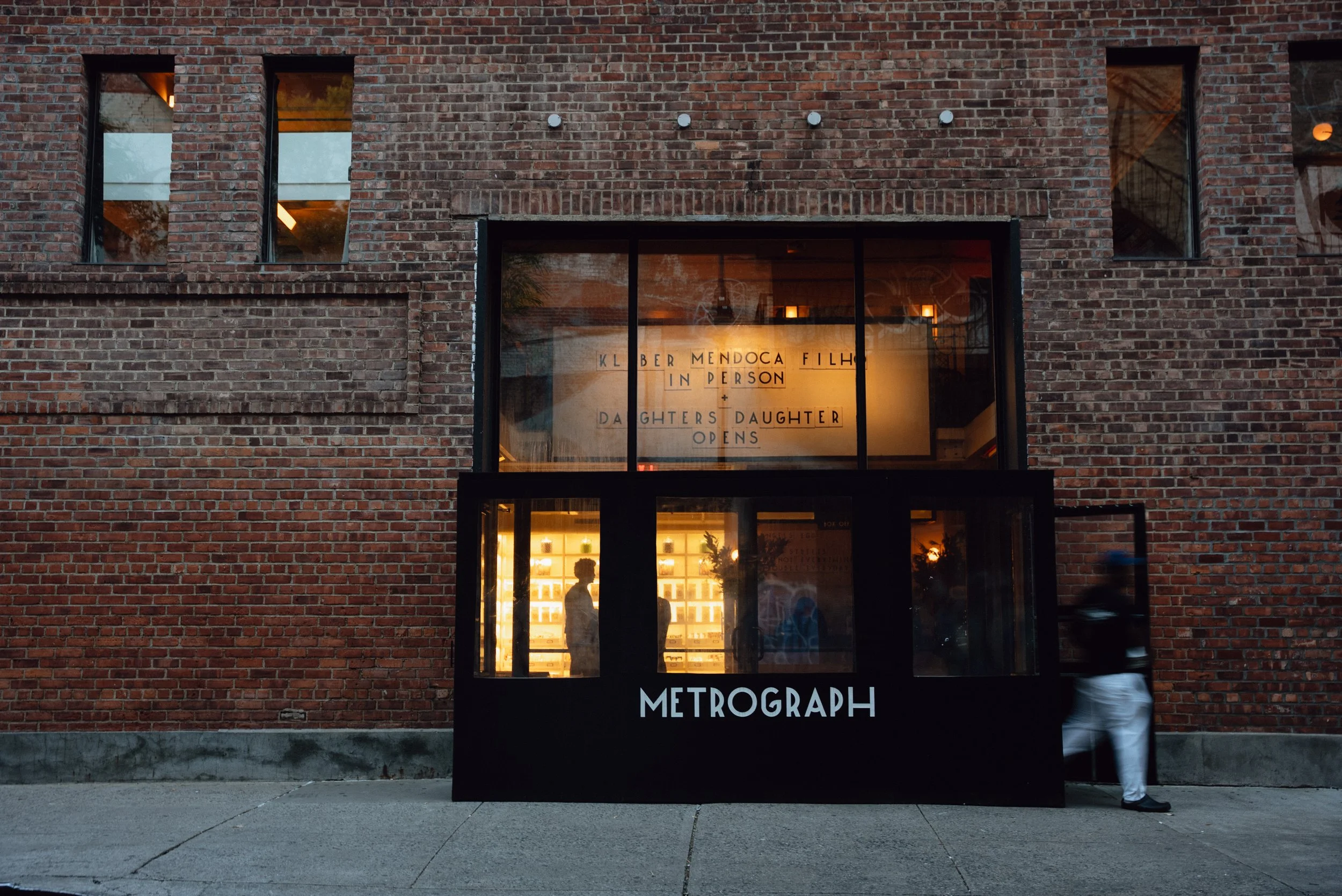
The exterior of Metrograph on 7 Ludlow Street.
Next Up - We continue our Cinematic Semicentennial Series with another classic science fiction selection.