Life in the 23rd Century: Logan’s Run (1976)
Cinematic Semicentennial Series – 1976 edition
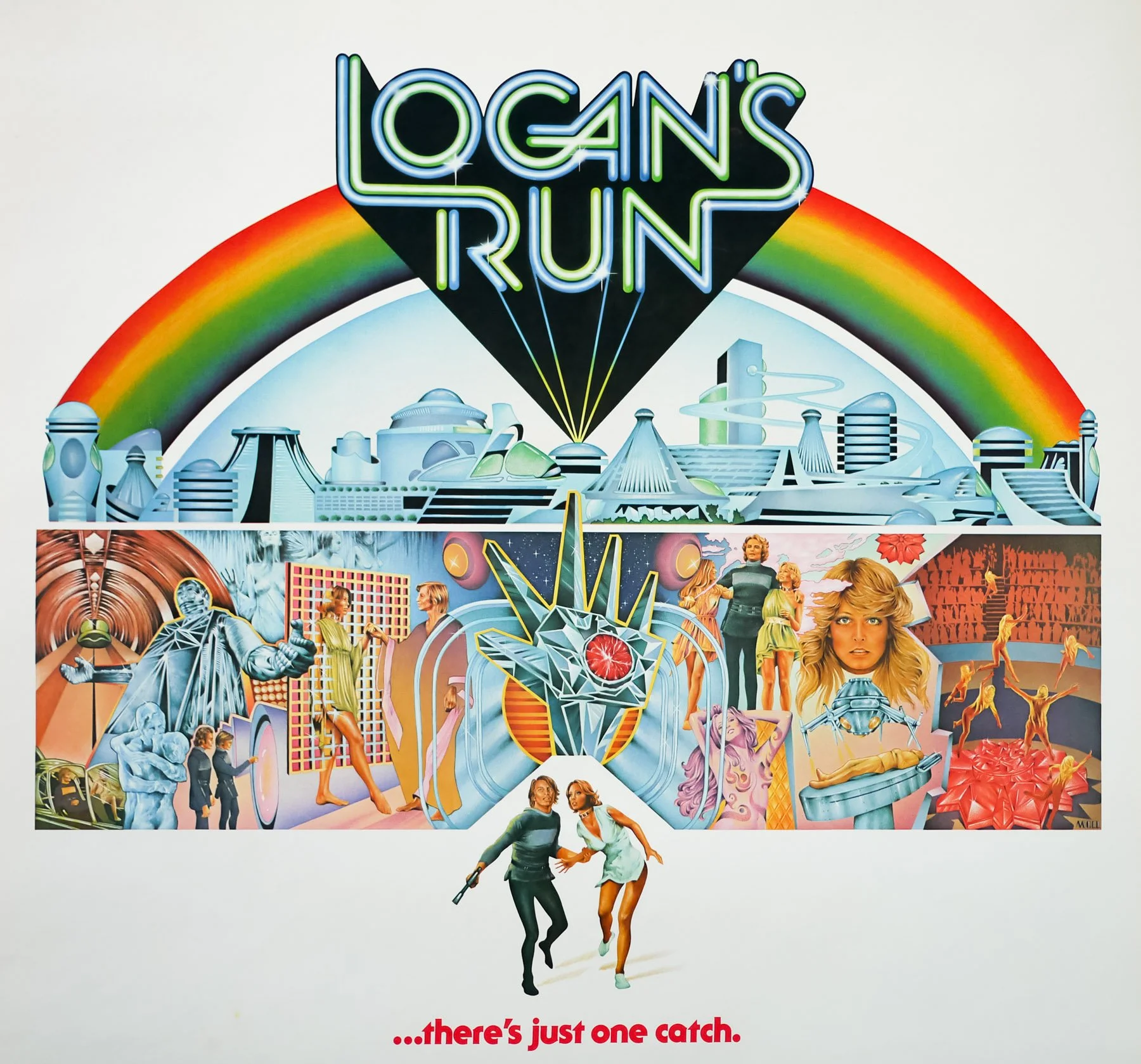
We remain planted firmly in the realm of classic science fiction with our latest Cinematic Semicentennial Series installment featuring Logan’s Run, a dystopian tale heavy with apt warnings of a future not so hard to imagine. Before diving into the story, I thought it important to describe the confines of this fraught and futuristic world. It’s a lot to take in, but here we go.
Life’s short
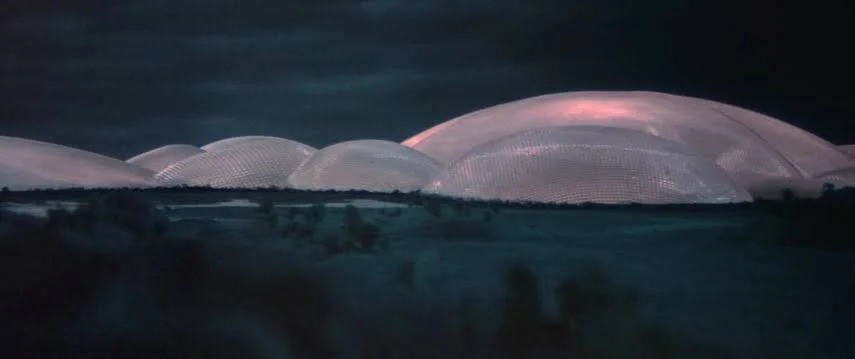
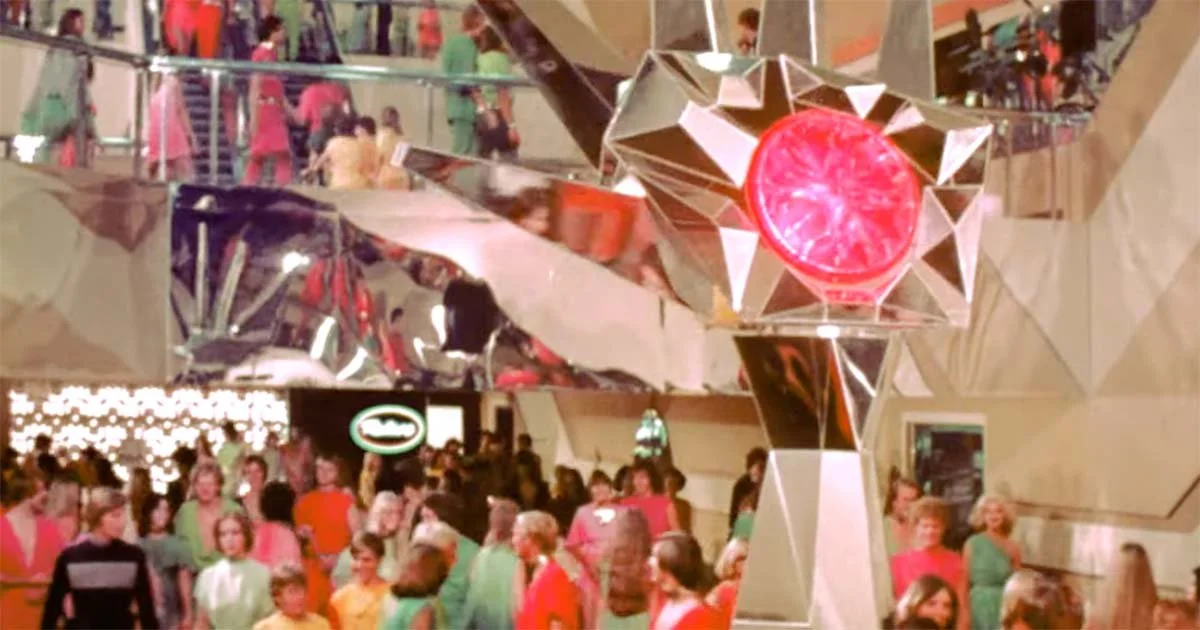
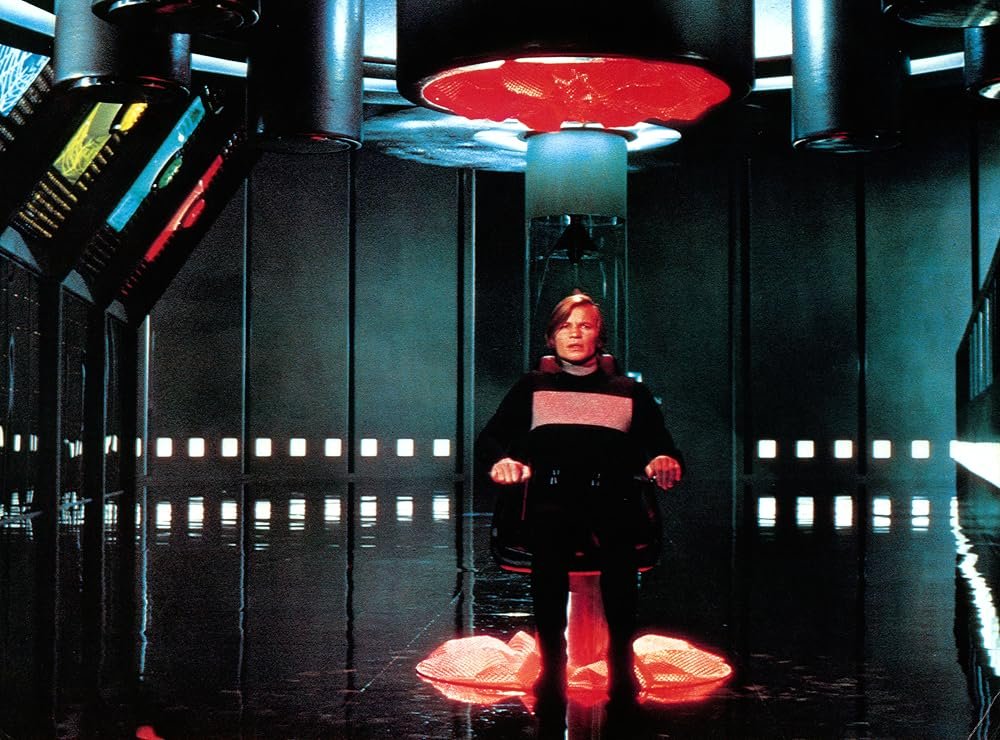
It’s the late 23rd century and humans in North America live in massive domed cities, insulated from the outside world where war, overpopulation, and environmental degredation have made it unlivable—at least that’s what we are told. Inside, however, people live a cushy existence where all basic human needs are met through automation and artificial intelligence (AI), referred to simply as “City Computer.”
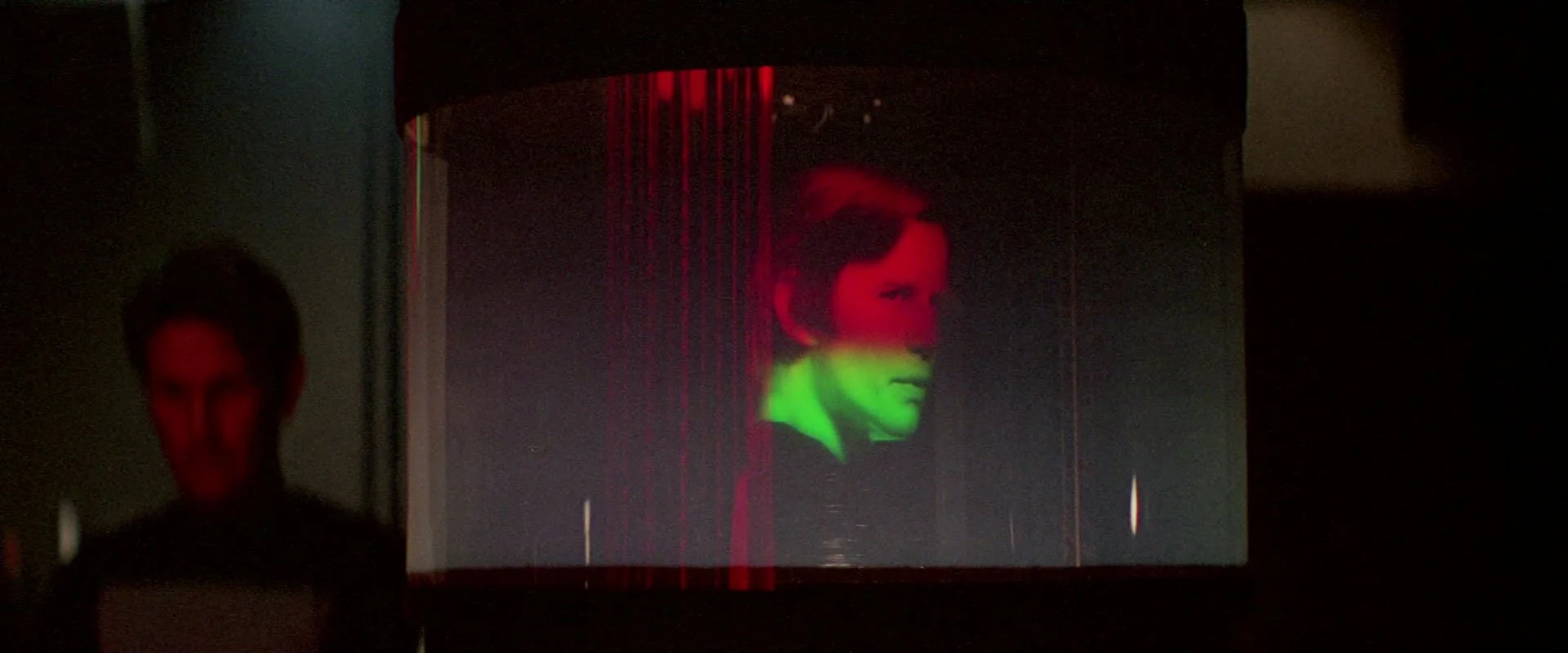
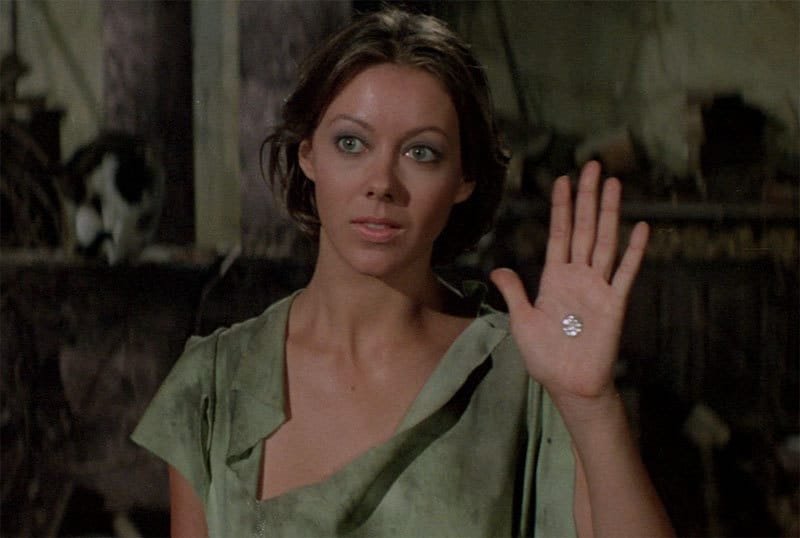
City Computer administers utilities, transportation, food, and even manages procreation. Newborns of designated seed mothers have a small clear crystal embedded in their left palms. These crystal “life clocks” change colors as one ages: white from infancy to age 8; yellow from ages 9 to 15; green from 16 to 23 years; and red from age 24 until 10 days before one’s 30th birthday, also known as Last Day. At this point the crystal begins to blink black and red. And here lies the “catch” referenced in the poster above: one way or another life ends at 30, a directive from the AI administrator to protect against overpopulation. Most people with a blinking life clock opt for a process known as Carousel.
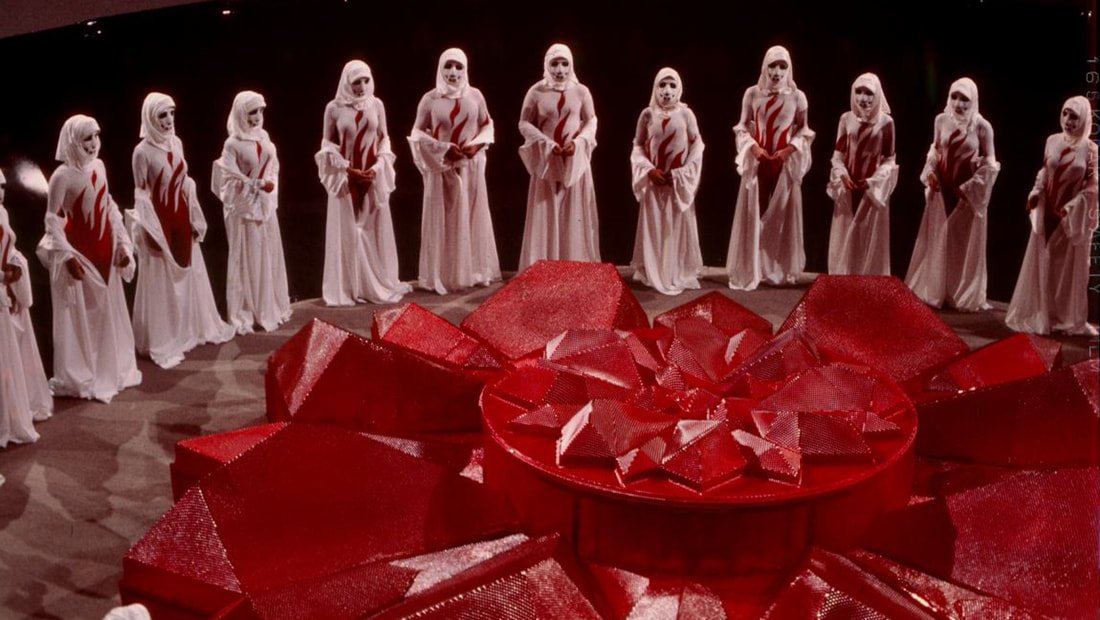
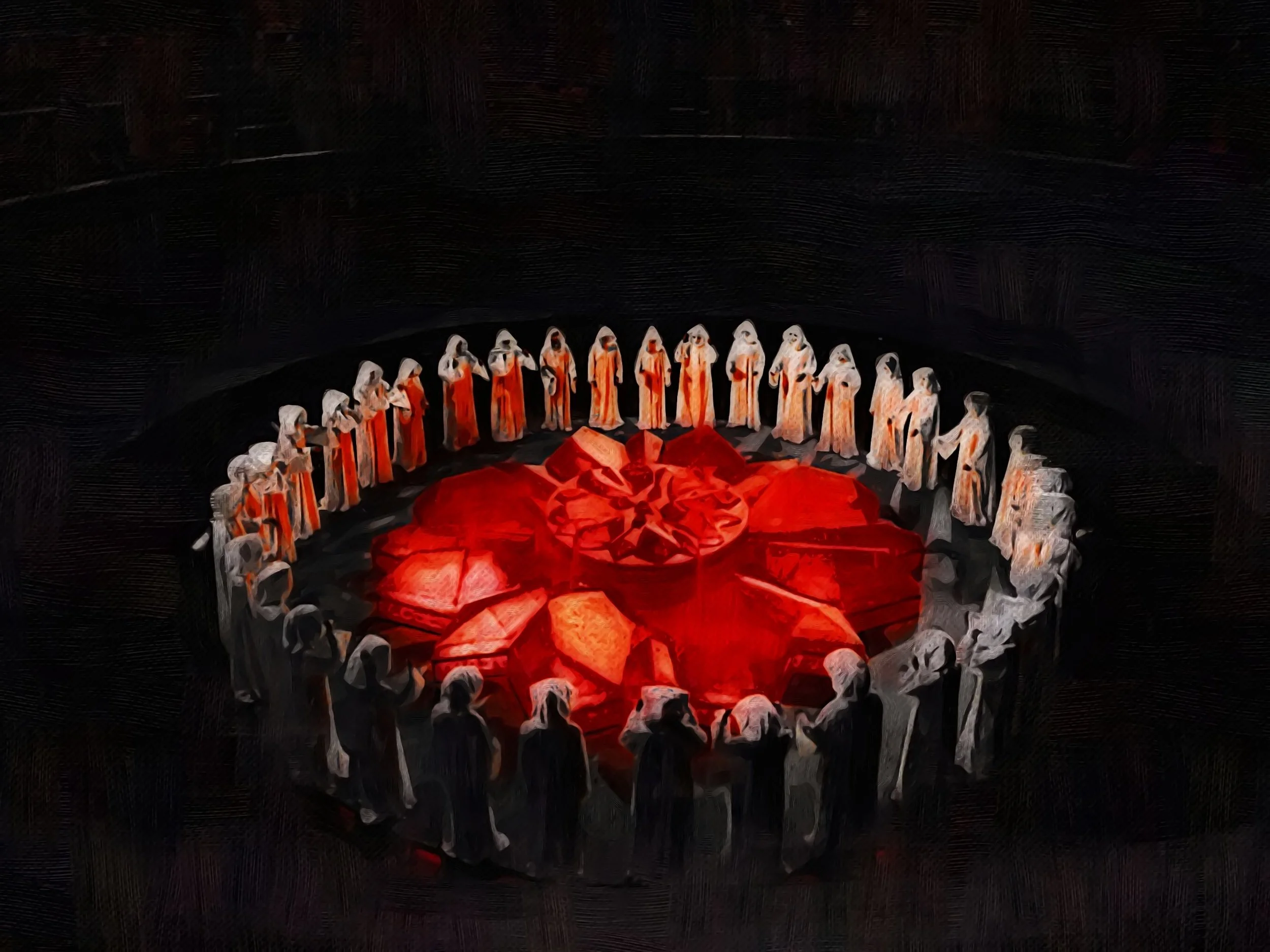
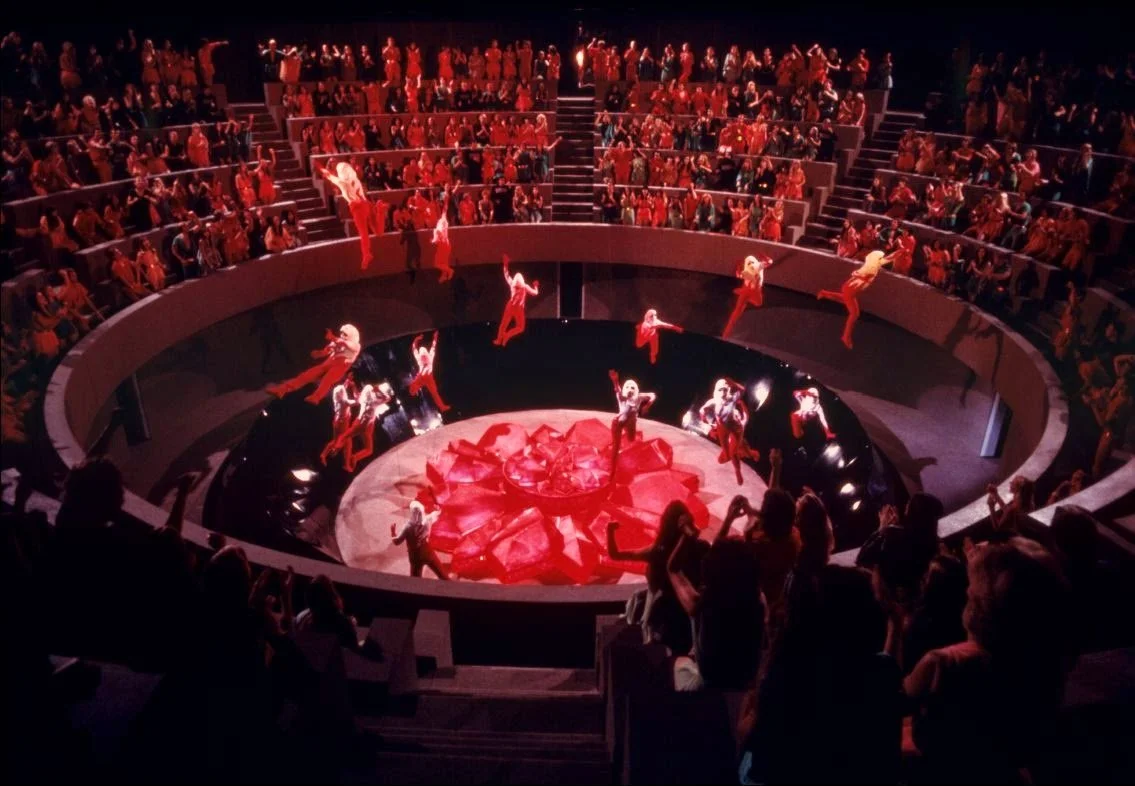
A perverse sight to behold, Carousel is a festive public ritual in which 30th-birthday volunteers wearing skeletal masks and red and white body suits enter a packed arena of cheering spectators. Propelled by some kind of mysterious crystal-powered technology, these participants slowly float upwards before being incinerated in a single sparkling blast much to the delight of the enthusiastic onlookers. While citizens are told that this macabre yet theatrical ritual leads to some kind of reincarnation or rebirth (hence the chants of “Renew! Renew!”), the viewer is fully aware that the volunteers are simply being euthanized.
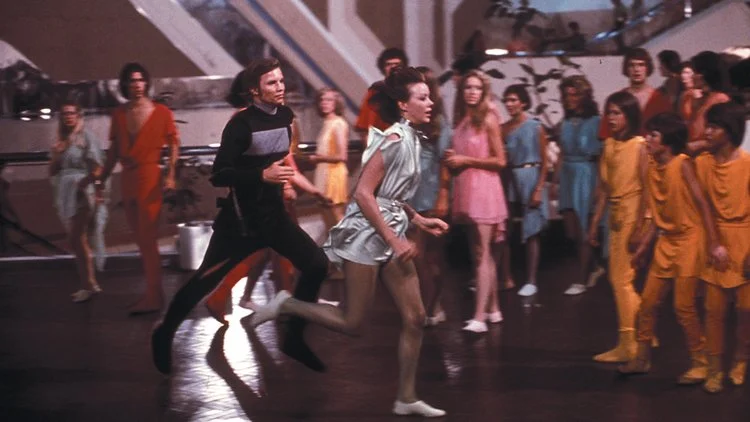
Although most citizens opt for immortality through renewal, others, hip to the deadly sham of Carousel, choose to run. “Runners” attempt to escape the confines of the city to reach a rumored haven known as Sanctuary, where other rebel-minded citizens are holed up. Runners who make a break for it are hunted and assassinated by so-called “sandmen” at the behest of City Computer.
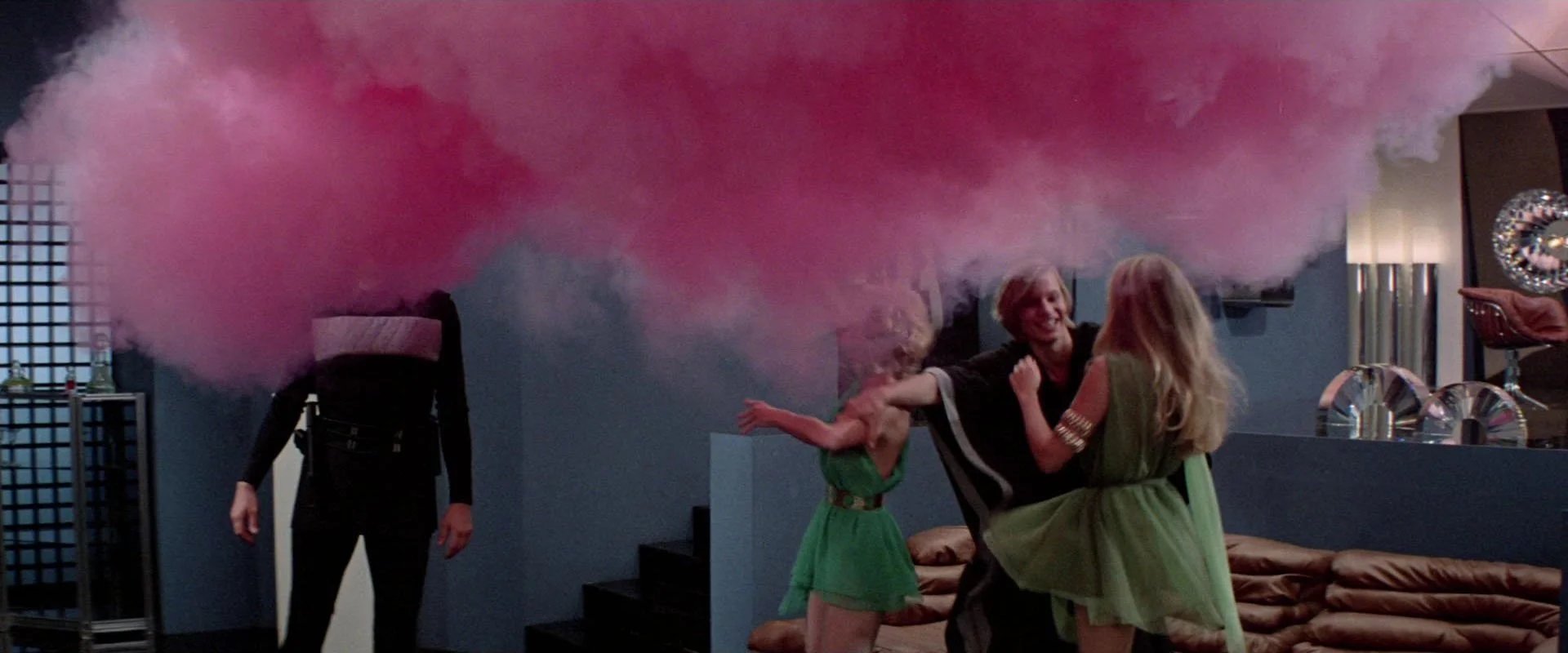
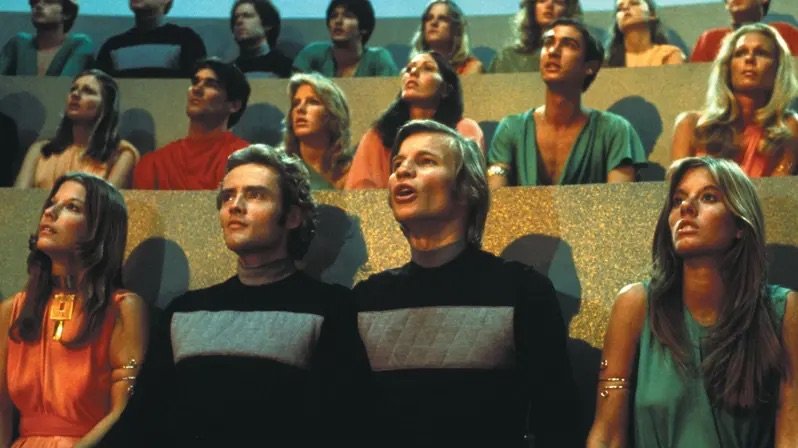
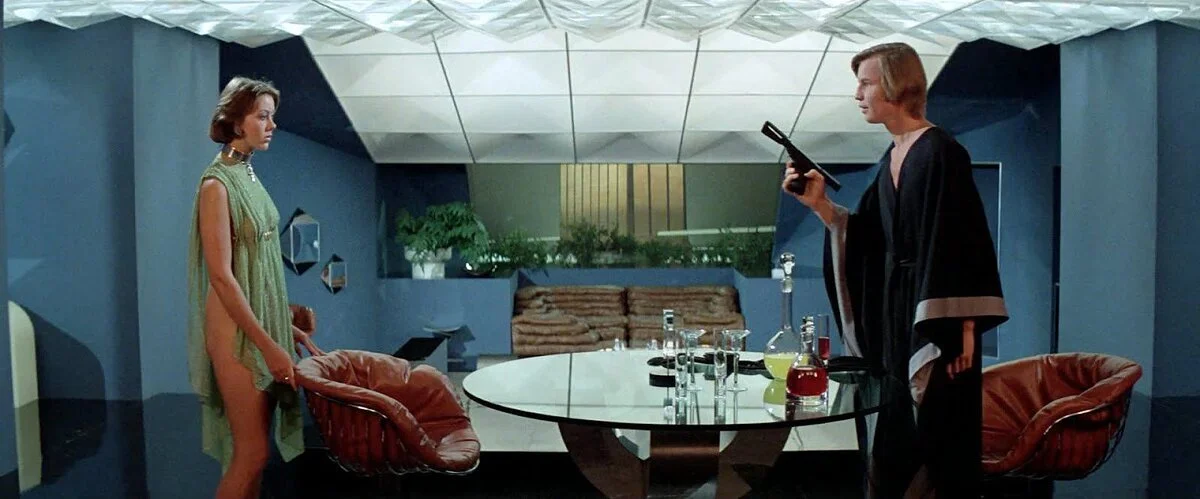
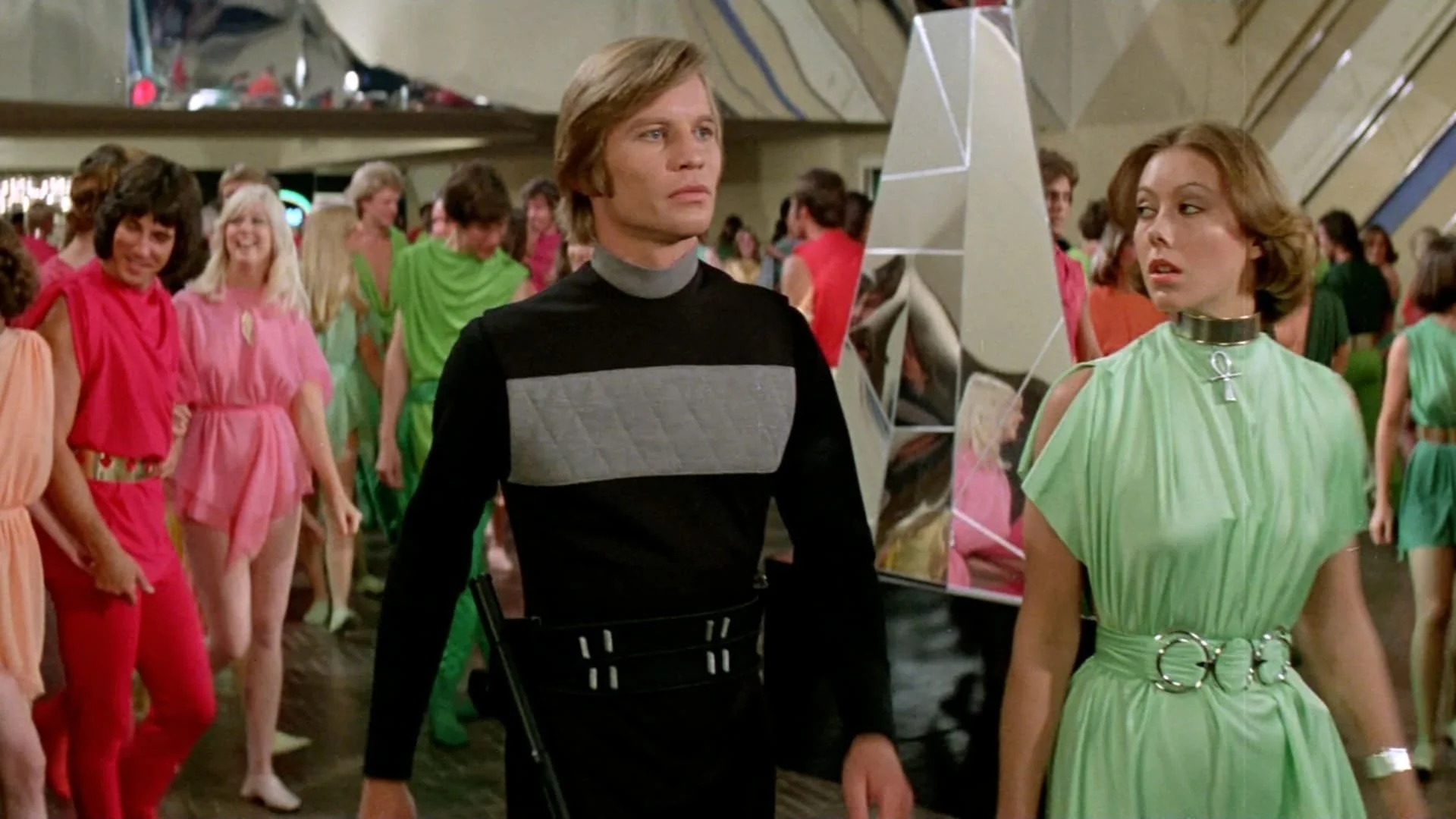
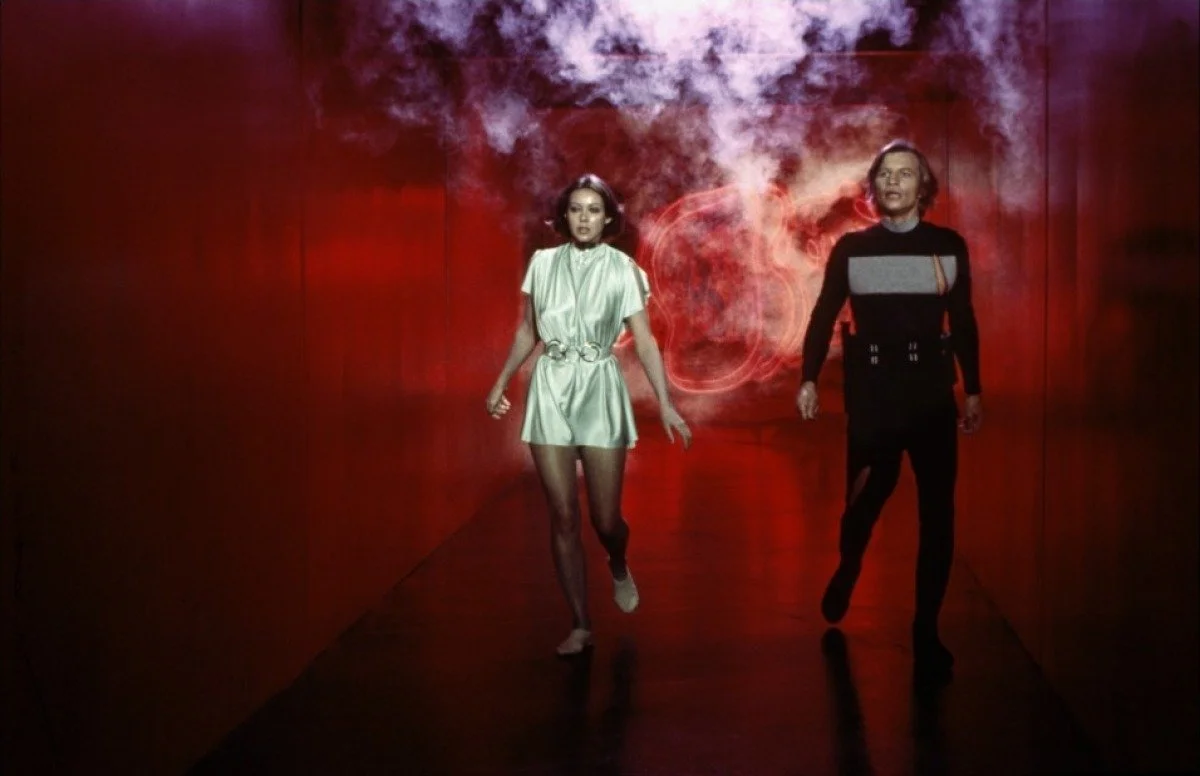
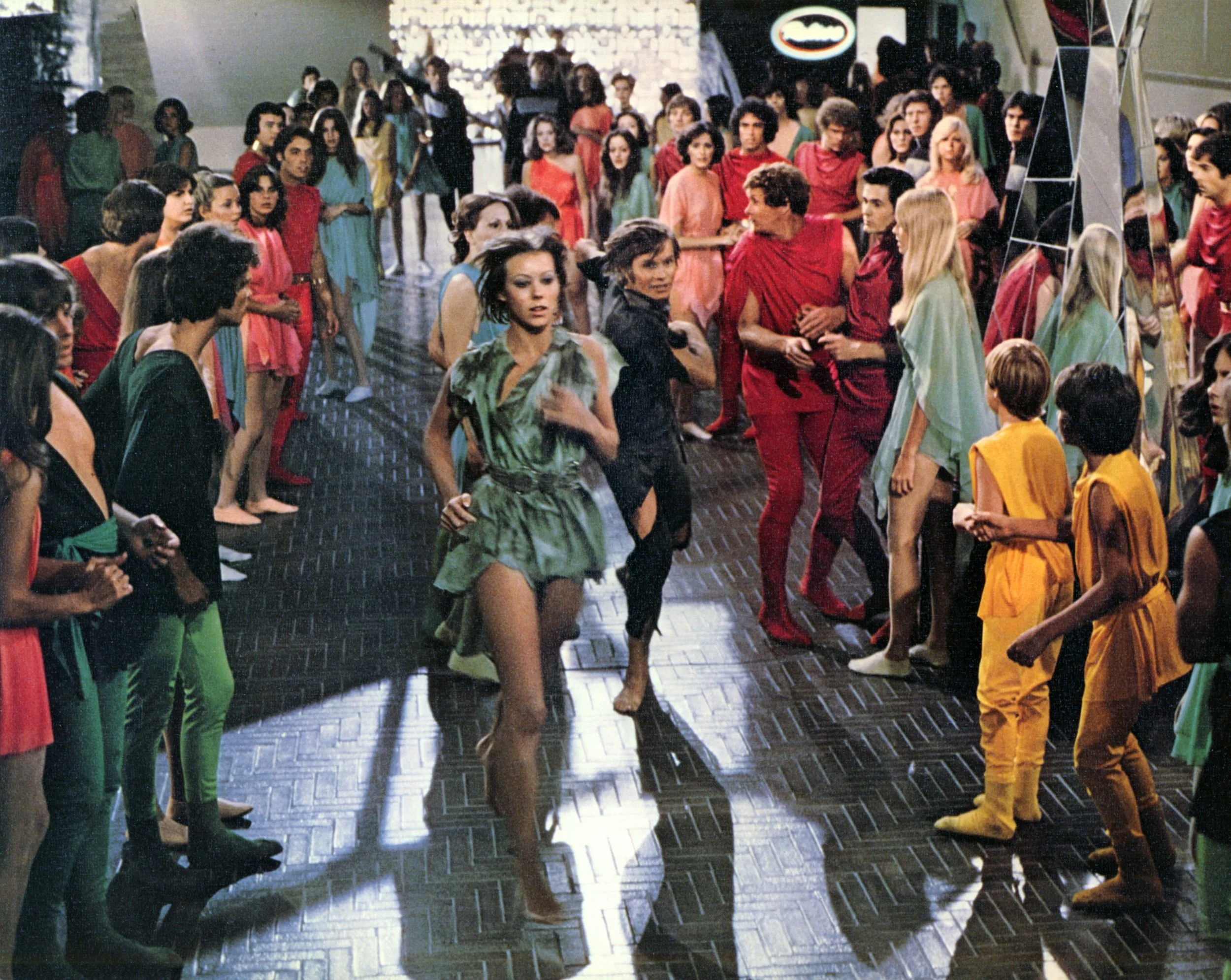
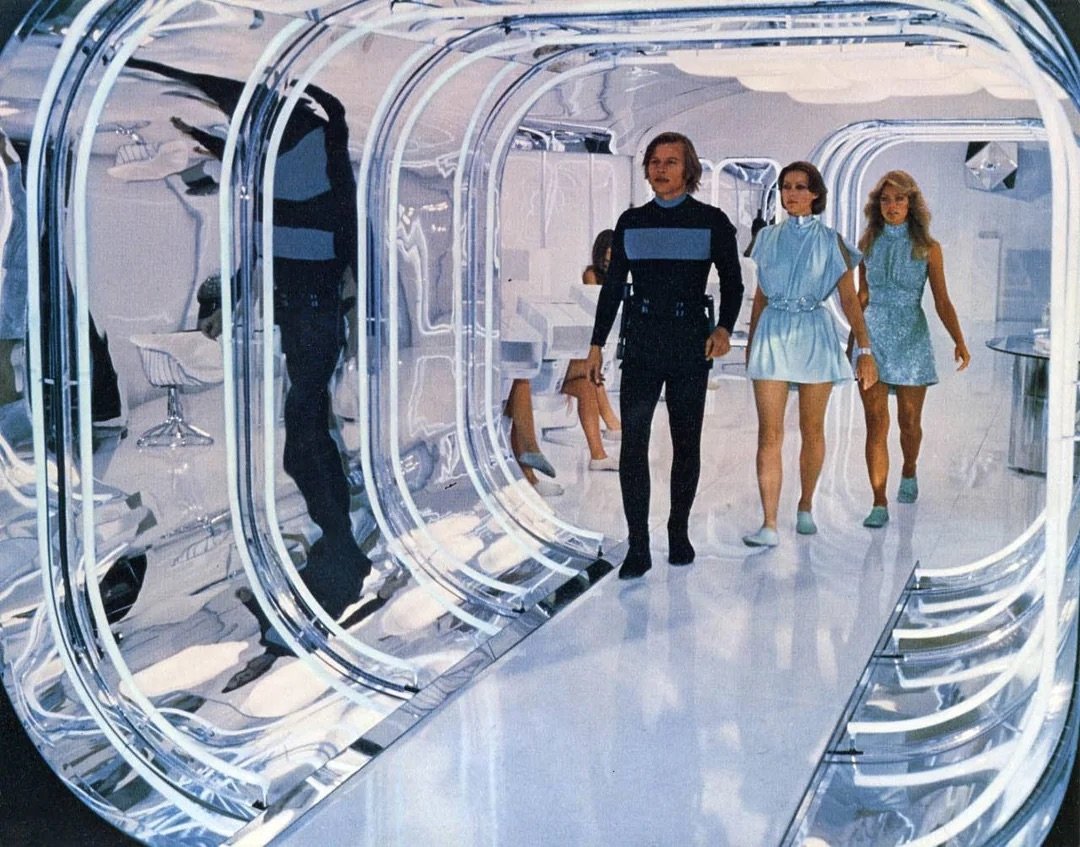
Meanwhile, pleasure-based recreation is easily accessible to indulge and distract citizens who might otherwise push back on life under the dome. Free love is practiced whereby one can order a consensual partner through “the circuit,” a remote-controlled teleportation technology which delivers a partner of your choosing right to your living room. Those inclined to more orgiastic activities can visit “love shops” featuring lurid red lighting, fog, and piles of intermingled nude bodies. Recreational drugs are also plentiful, one of which is administered like a hand grenade that dispenses high-inducing pink vapors. Citizens wear slinky tunics in colors that match their life clocks. If you grow tired of your face, you simply stop in at The New You for a quick and painless laser-based plastic surgery. Everyone walks around looking eternally young, fresh, and rested.
In the interest of order and uniformity, people are assigned a first name followed by a number, which represents the generation or incarnation of a given name within a birth registry line (e.g. Holly 13).
Gotta run
Our story revolves primarily around two main characters, Jessica 6 (Jennifer Agutter) and Logan 5 (Michael York). Jessica is a skeptical citizen who sees past the lie of Carousel and does not accept the utopia cultivated by City Computer. She is also an incognito rebel working with like-minded nonconformists who operate a sort of underground railroad to help other runners escape.
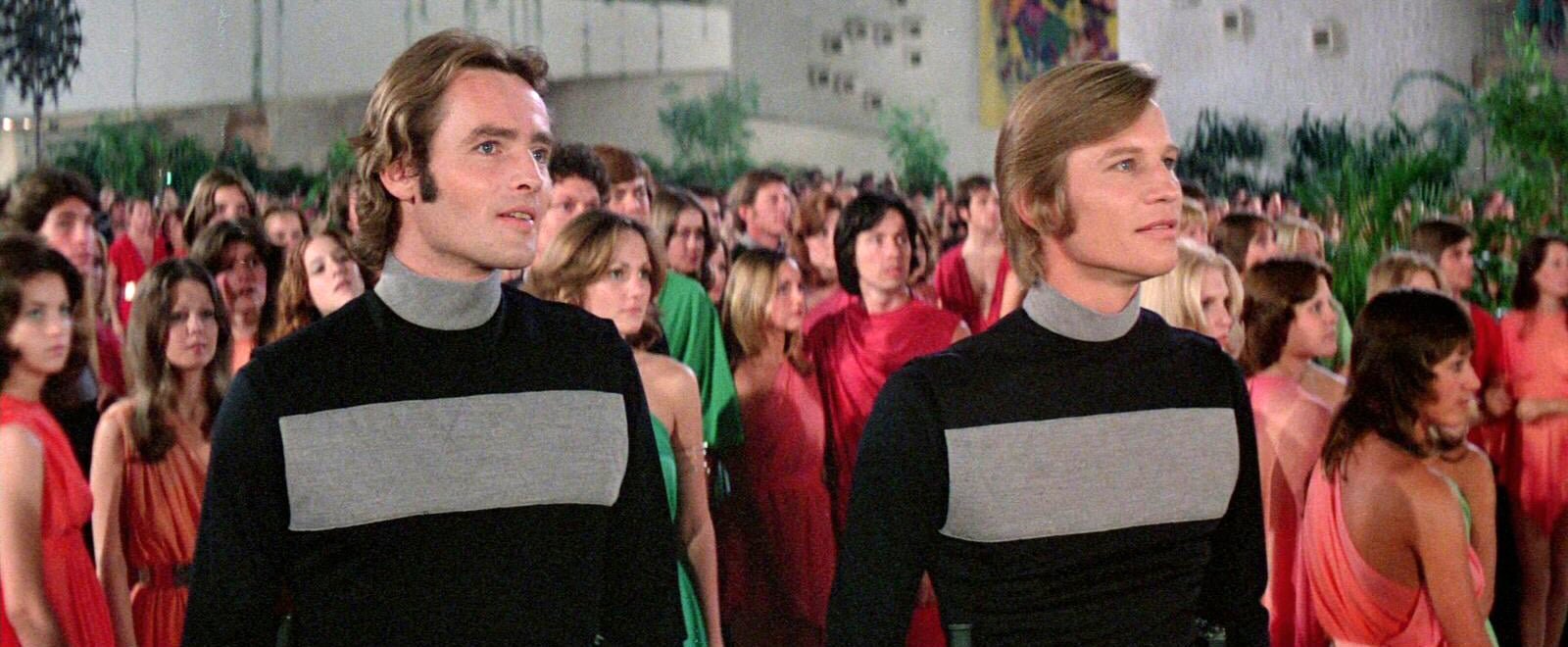
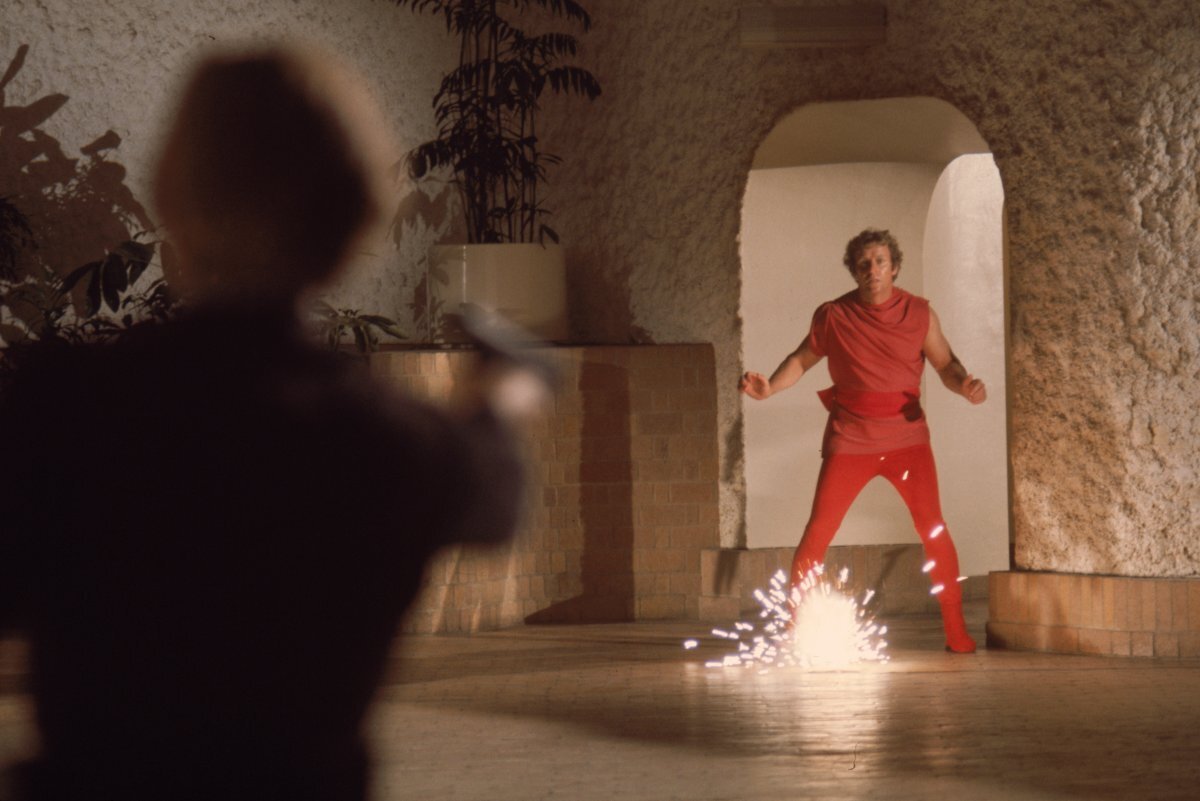
Logan is a sandman, and a happy-go-lucky one for a guy whose job it is to hunt down and kill fellow citizens. He is largely content with his life, work, and partnership with fellow sandman and best friend Francis 7 (Richard Jordan). The two are thick as thieves eliminating runners with relish and soaking up their hedonistic lifestyle. Logan’s prescribed life trajectory takes a dramatic shift, however, as he is directed by the master computer to become a runner himself to infiltrate and destroy the Sanctuary. To further up the ante, the system has set his life clock to blink red and black, with no guarantee that it will be restored to its previous setting.
Desperate for help, Logan turns to Jessica. The two were recently acquainted via an unconsummated love connection on the circuit, which morphed into a quasi-philosophical conversation about the nature of life in the city and the promise of renewal. A sequence of events compels Jessica and Logan to become co-runners with divergent missions and tangled motivations that have to be worked out, quite literally, on the fly.
City limits
Our two runners make their way through the forbidden, treacherous, and far-reaching corners of the city, making a series of startling discoveries along the way, not least of which are the murky secrets of their home’s sustainability. All the while a cohort of sandmen, including a confounded and conflicted Francis, are in fast pursuit.
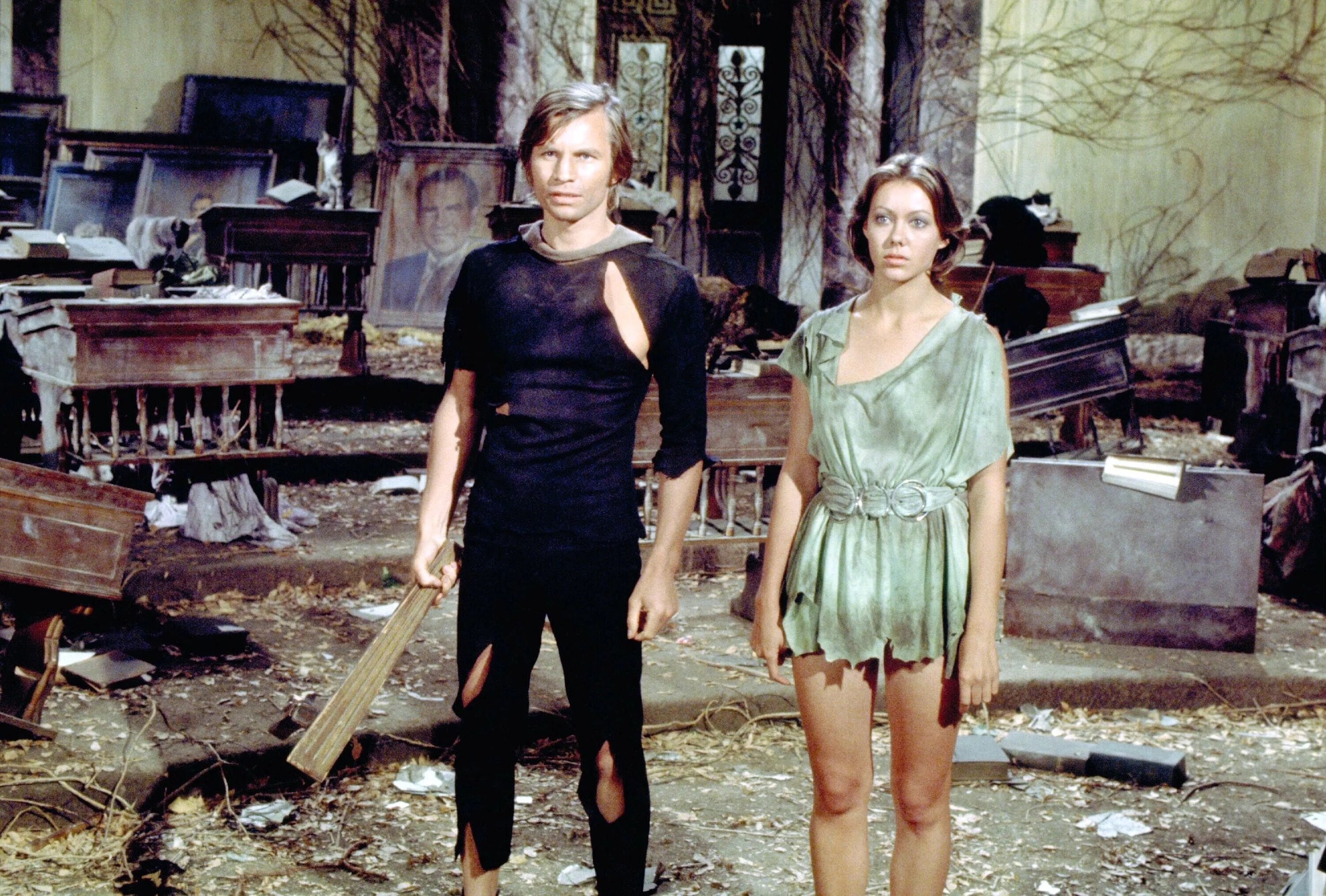
Logan and Jessica’s understanding and their respective worldviews expand exponentially as they experience the outside world and encounter monuments of the past, a natural world, and the concept of life beyond 30.
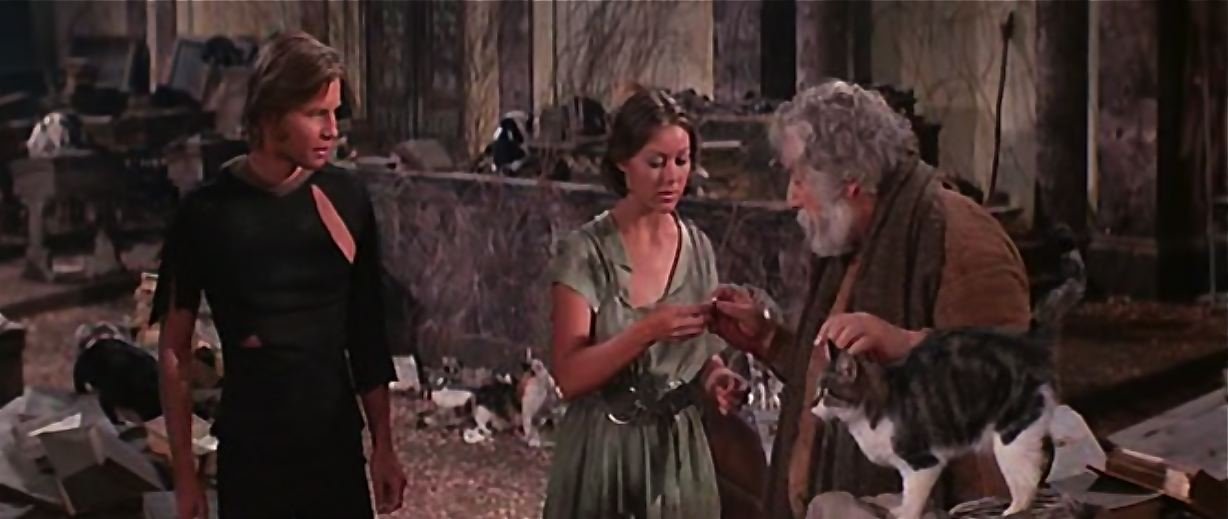
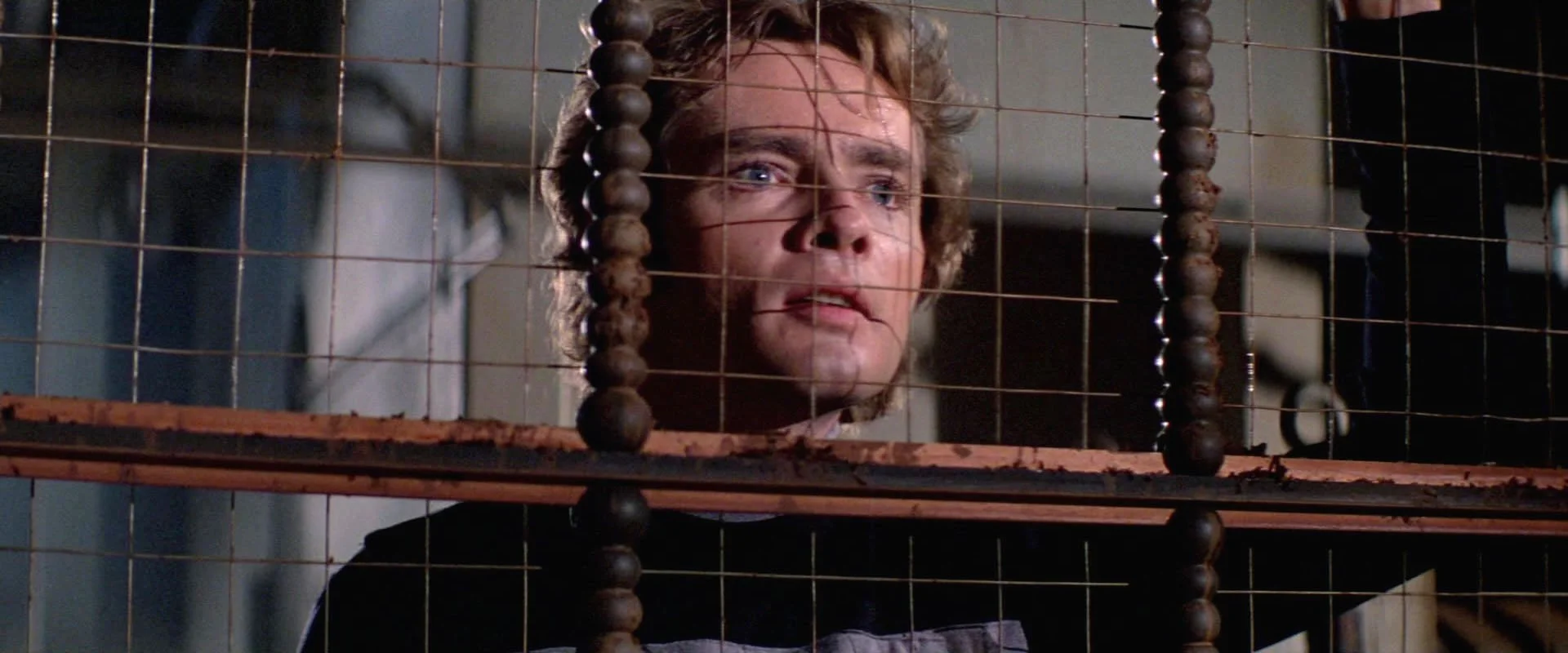
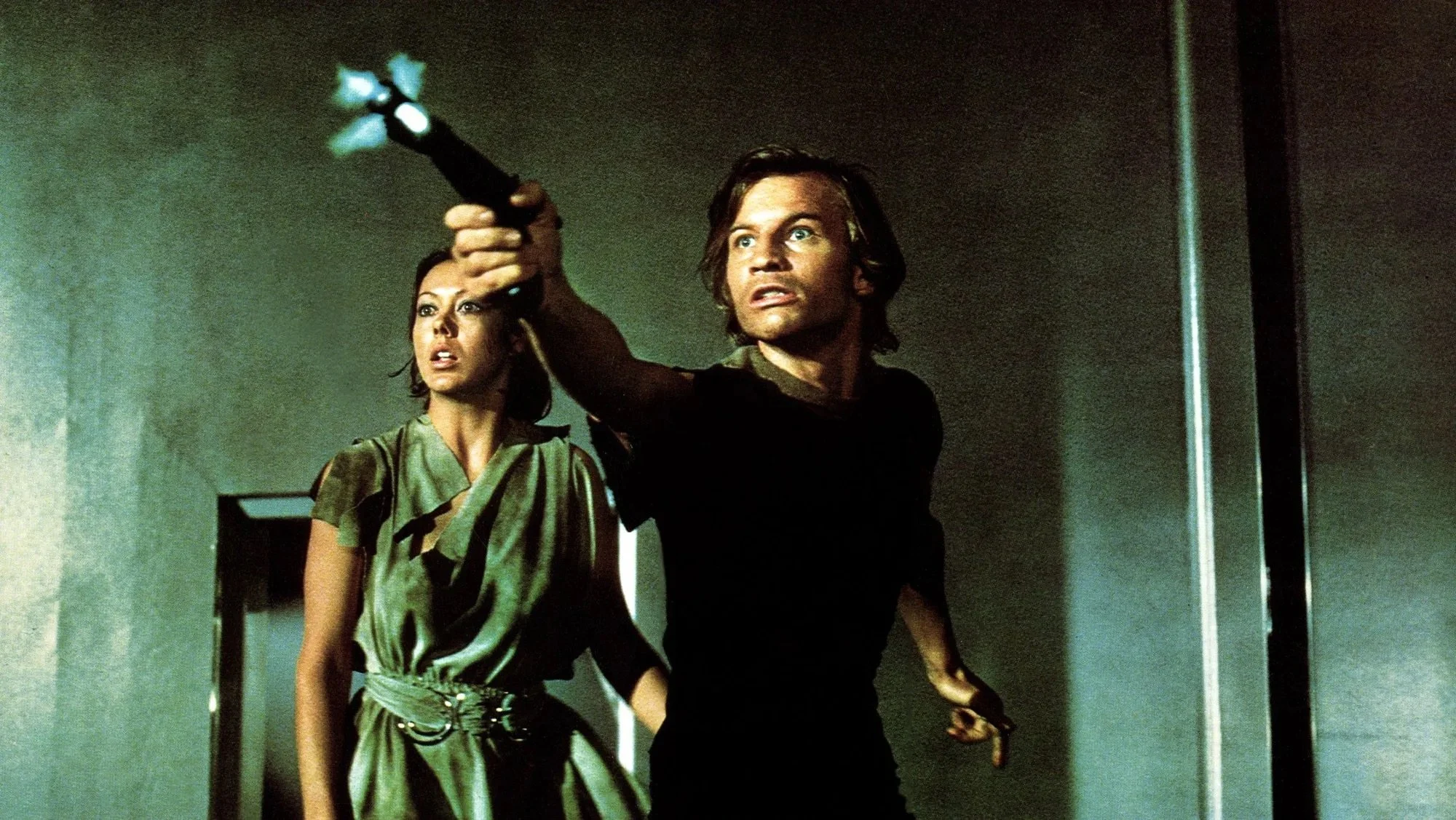
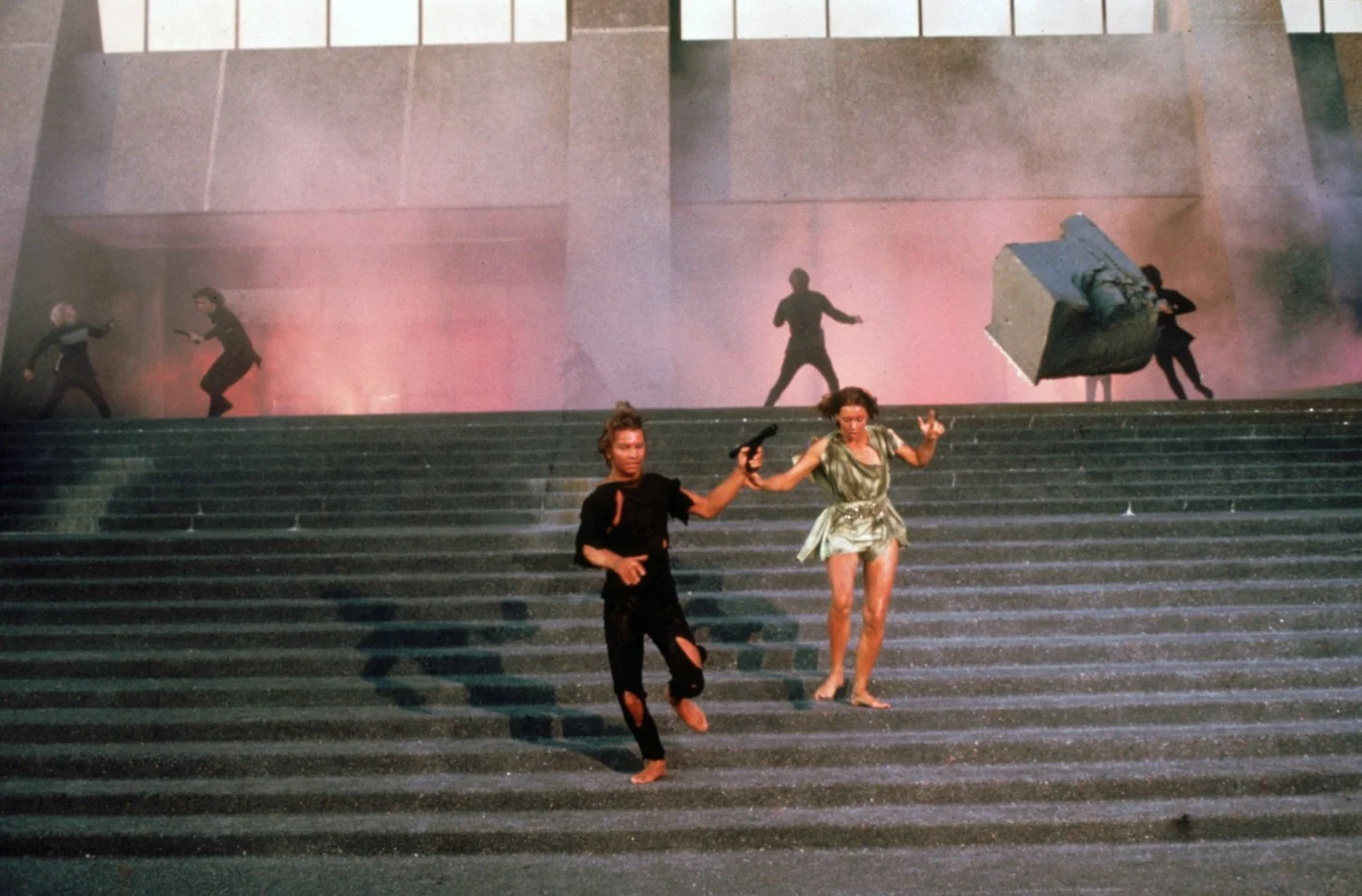
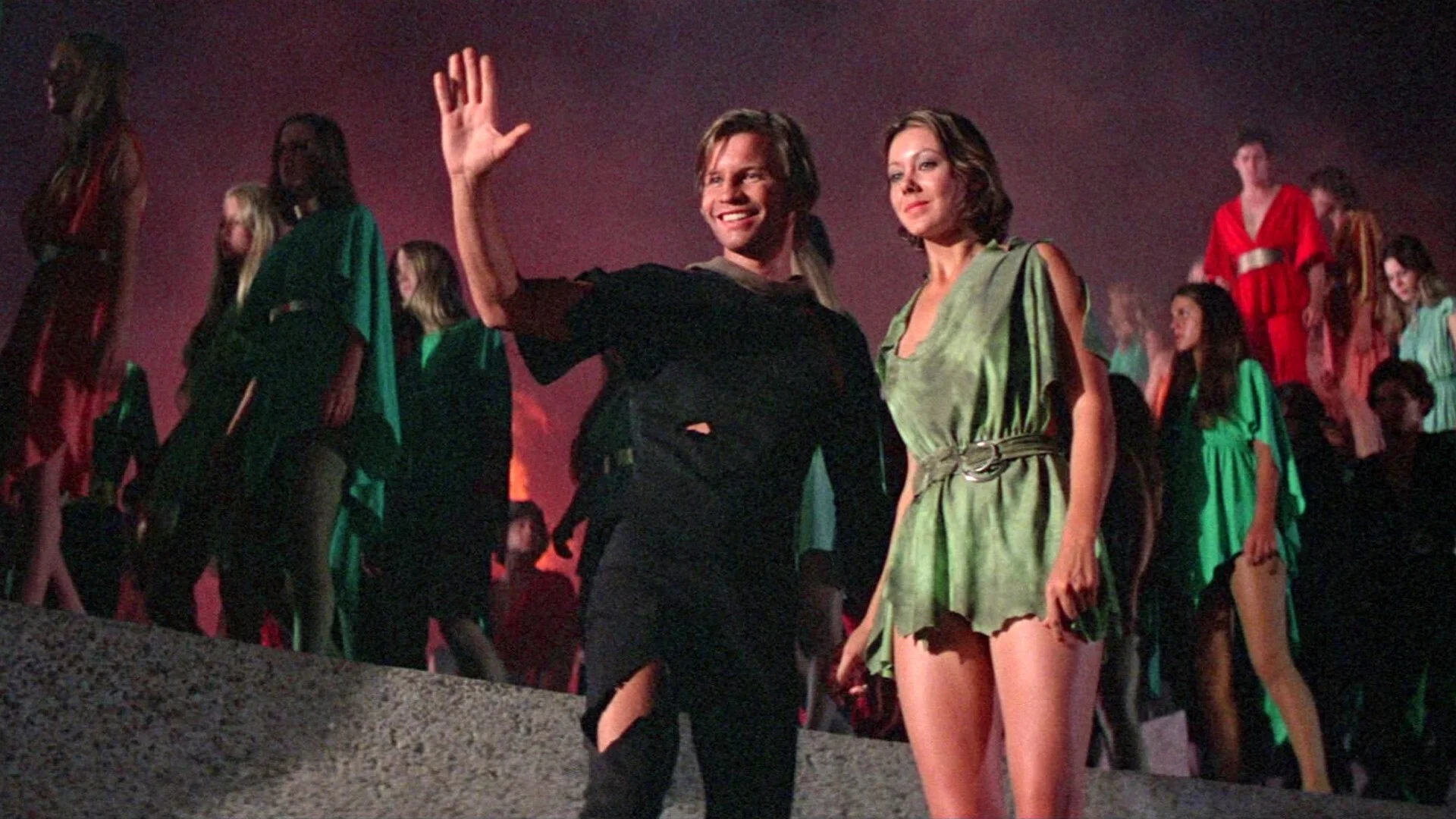
My two cents
For centuries, technologic innovation has been largely synonymous with human progress, yet rapid advances in automation, computerization, and now AI have elicited from us both excitement and anxiety. Historically, literary and cinematic works of science fiction have invited creative speculation about where these advances will ultimately take society. Logan’s Run envisions a future where humanity has outsourced its development and very survival to AI-based systems to its collective evolutionary detriment. This theme of technologic evolution accompanying (or even fueling) human devolution is often found in science fiction of the era. While this premise may have resonated with general audiences in the 1970s, I have to imagine it hits home for contemporary moviegoers with even more force.
Logan’s Run is prescient in several ways. First, it suggests how easily people will relinquish their agency and freedom of thought for ease, comfort, and sensory distractions. Further, the movie illustrates how large swaths of people are apt to accept and propagate a lie, even an easily debunked one, if repeated enough and with sufficient confidence. You need look no further than the current U.S. administration as a prime example with their lie-repeat approach to politics and governing.
Yes, Logan’s Run can be knocked for some major leaps in logic, uneven special effects (especially when compared, perhaps unfairly, to the following year’s release Star Wars), and a denouement that feels a bit truncated. Nevertheless, it is an imaginative and action-packed film that introduces a host of ideas with a sense of spectacle, a little wit, and a touch of neon-accented glitz.
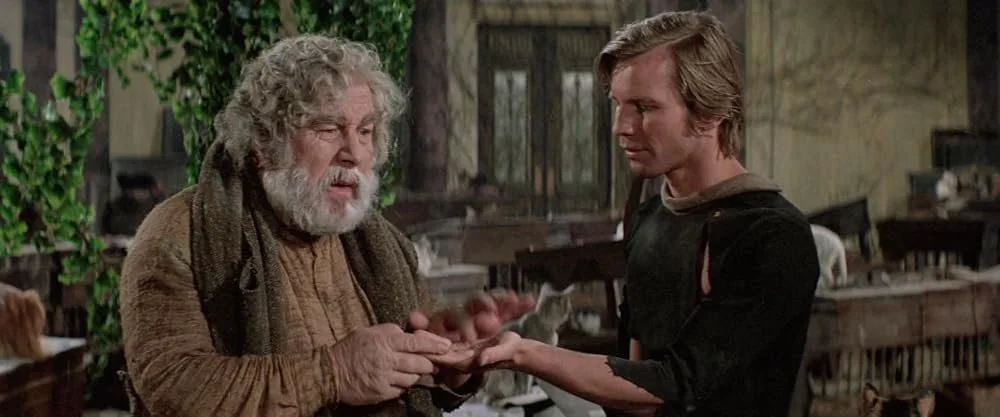
I have read that Michael York was reluctant to take on the role of Logan 5, though that does not come across in his energetic and wide-eyed performance opposite an equally effective Jenny Agutter. York and Agutter share several delightful scenes with the great Peter Ustinov, who plays the only character who has reached old age. “The Old Man,” as he’s cited in the credits, lives with a large assortment of cats in what was once the U.S. Capitol Rotunda. Ustinov’s bewildered, playful, and endearing performance is wonderful against that of his much younger companions who are fascinated and invigorated by their new friend.
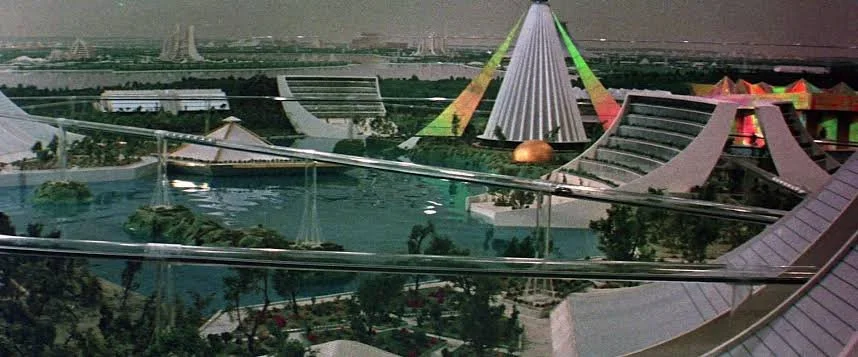
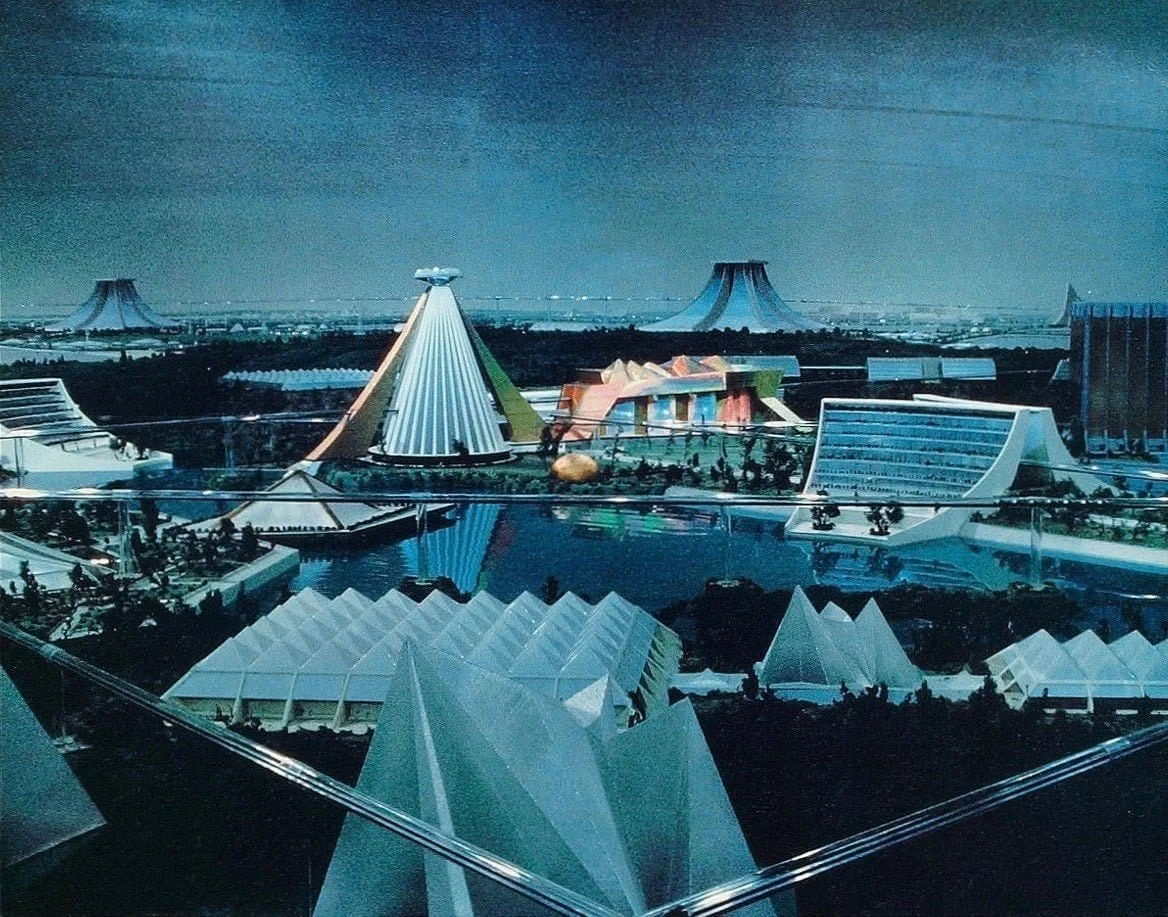
Logan’s Run was an ambitious technical production, with its commitment to retrofuturism, practical special effects sequences, and numerous handcrafted sets. Also impressive, if imperfect, are the many composite shots combining matte paintings, live action, miniatures, and optical effects. Exterior shots of the future city are a treat, especially for fans of classic miniature work showcasing geodesic structures, waterways, parks, sprawling plazas, and gliding glass-enclosed transport pods. Viewers might note the uniquely fluid overhead shots of the miniature city, which were captured using a Kenworthy Snorkel System. Learn more about this technique in the American Cinematographer article referenced in the supplements.
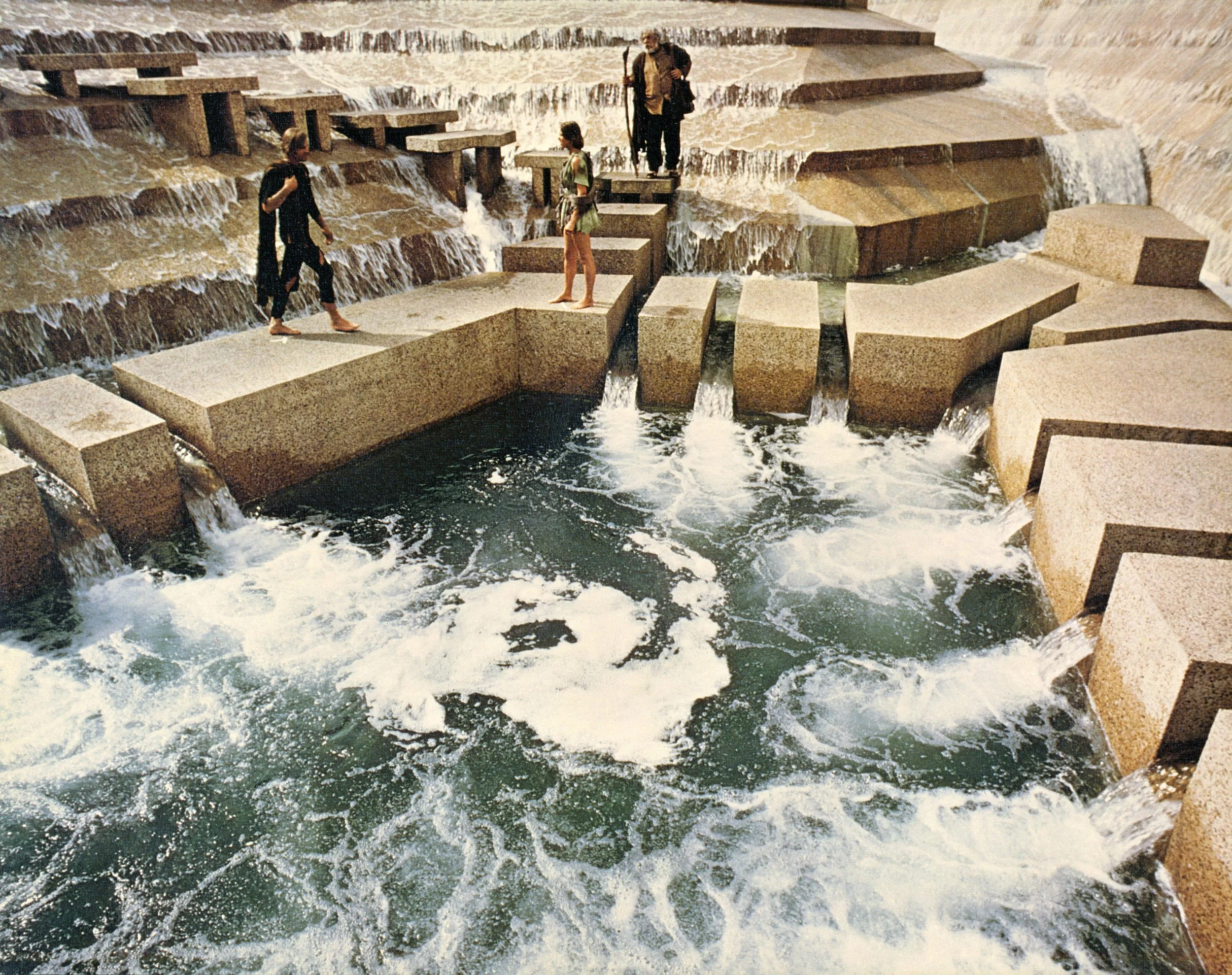
Filmmakers also took full advantage of on-location shooting in Texas, specifically Houston, Ft. Worth, and Dallas, which had a preponderance of futuristic architecture, including the Dallas Market Center, a 4.8-million square foot complex dotted with six ultramodern structures.
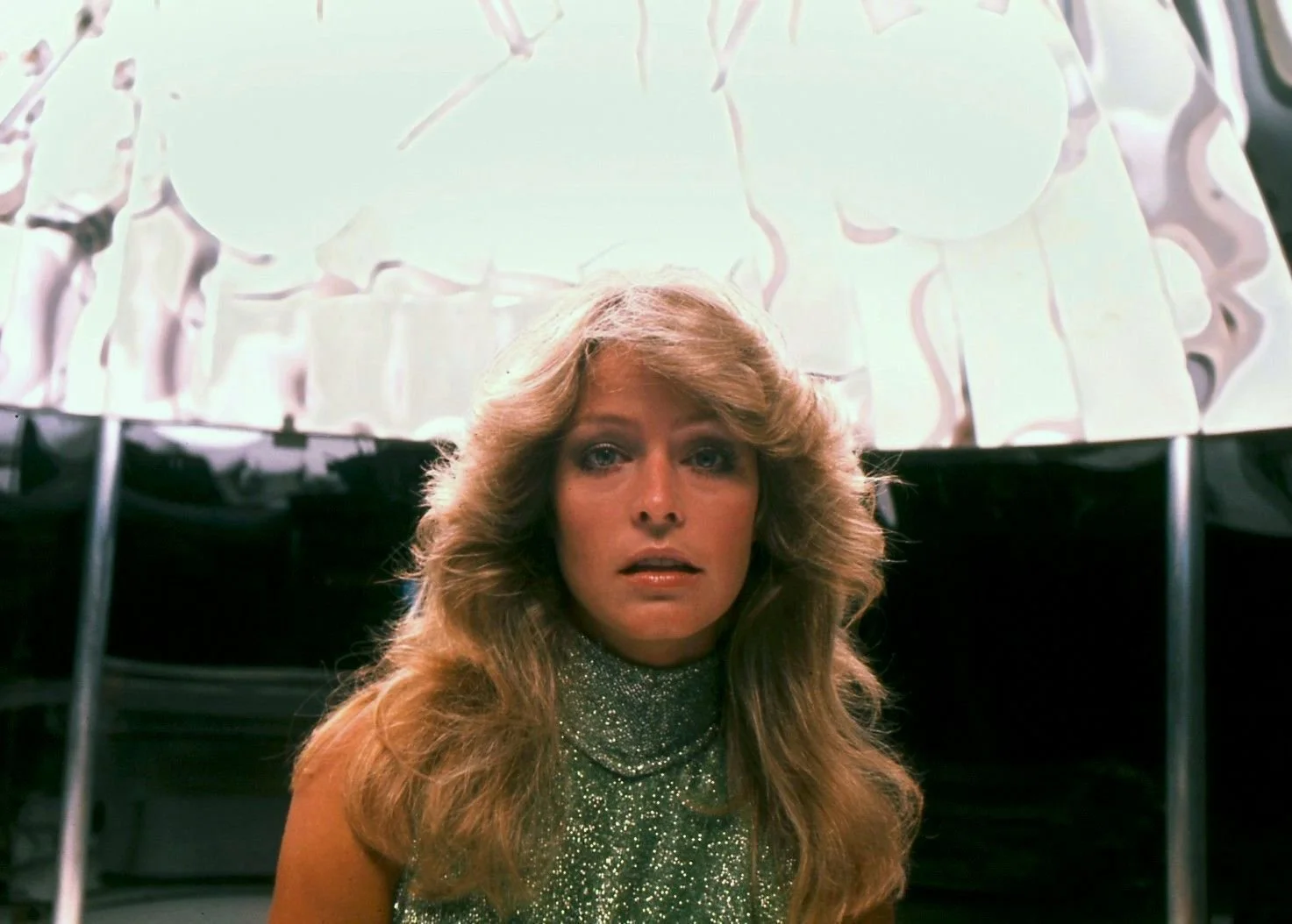
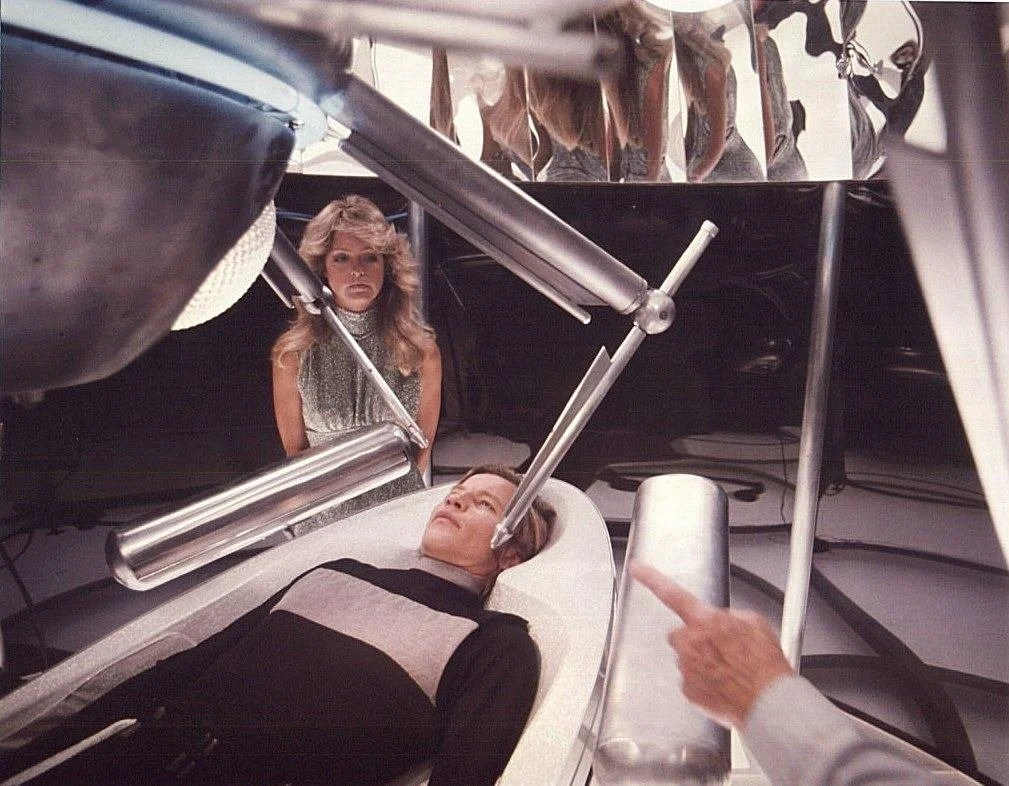
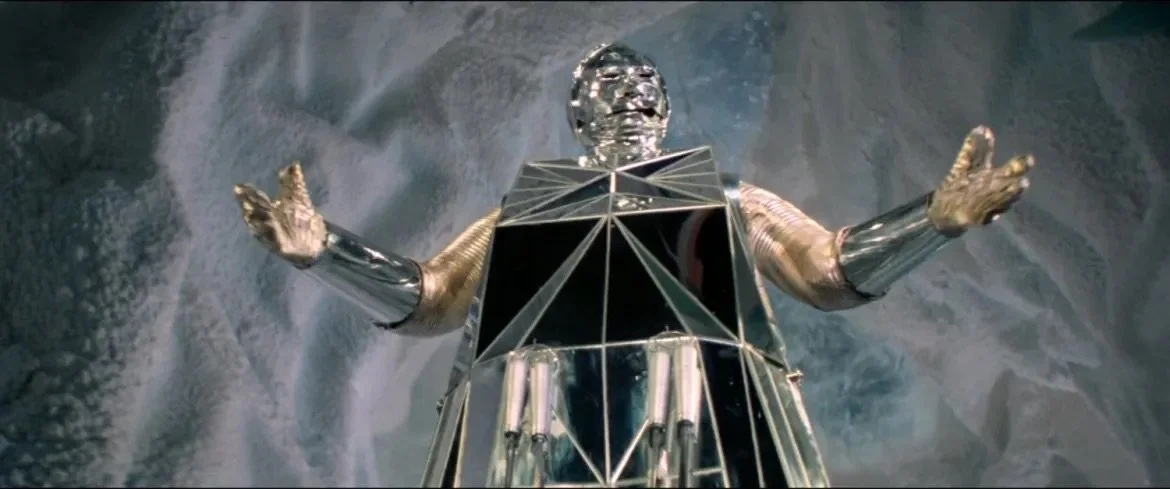
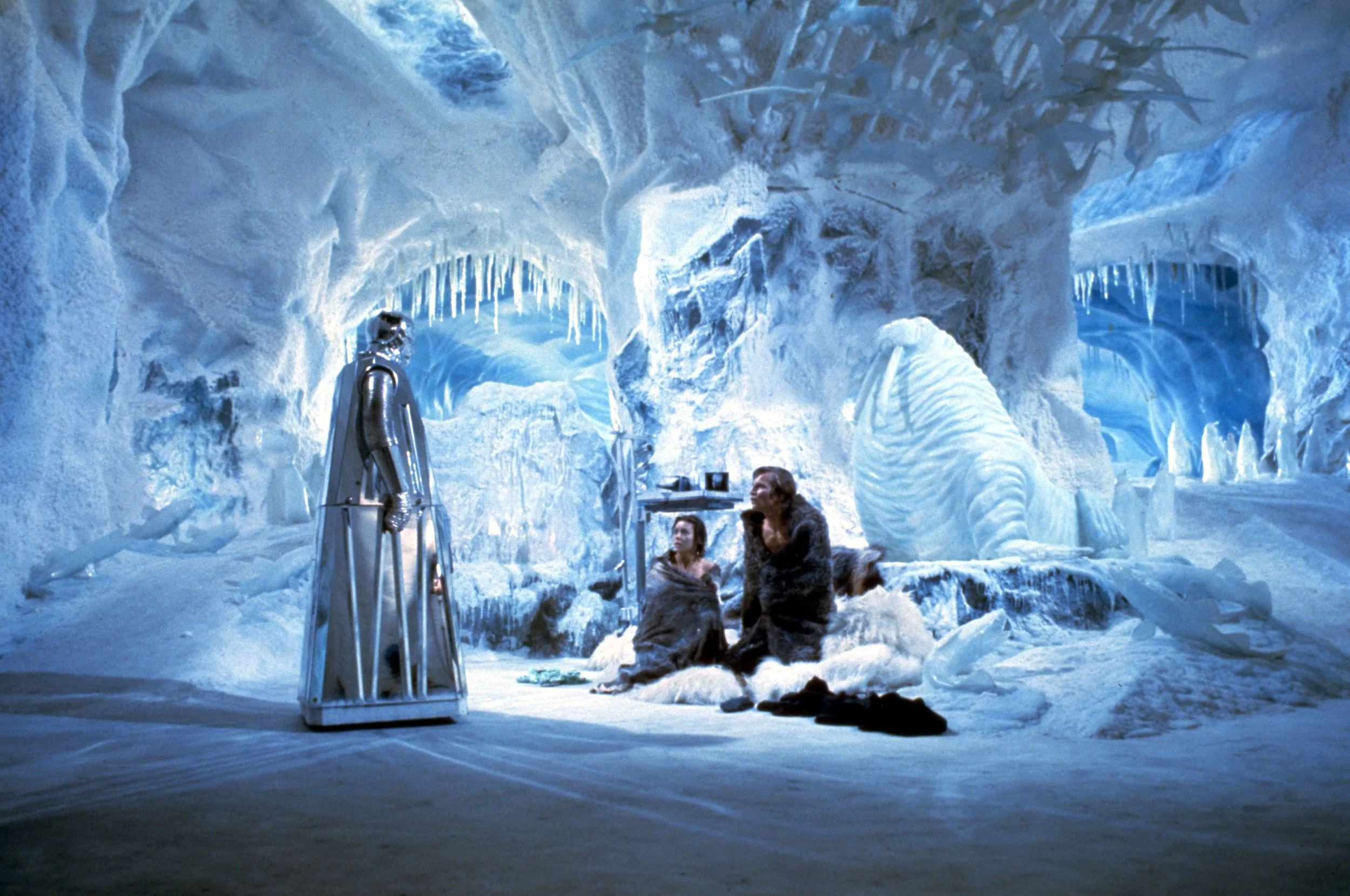
And should you momentarily forget when Logan’s Run was released, there are a handful of “only in the 1970s” scenes that are a real trip. Perhaps most notable are the lethal Cirque du Soleil-esque levitation sequence of Carousel and a truly bizarre cybernetic robot named Box. Once programmed to procure food from the outside world, Box goes haywire in a subterranean ice cave of his own creation where he accosts our heroes. The icing on the 1970s pop-culture cake is the appearance of a pre-Charlie’s Angels Farrah Fawcett (Fawcett-Majors at the time), playing the exquisitely feather-haired Holly 13, manager of The New You plastic surgery salon.
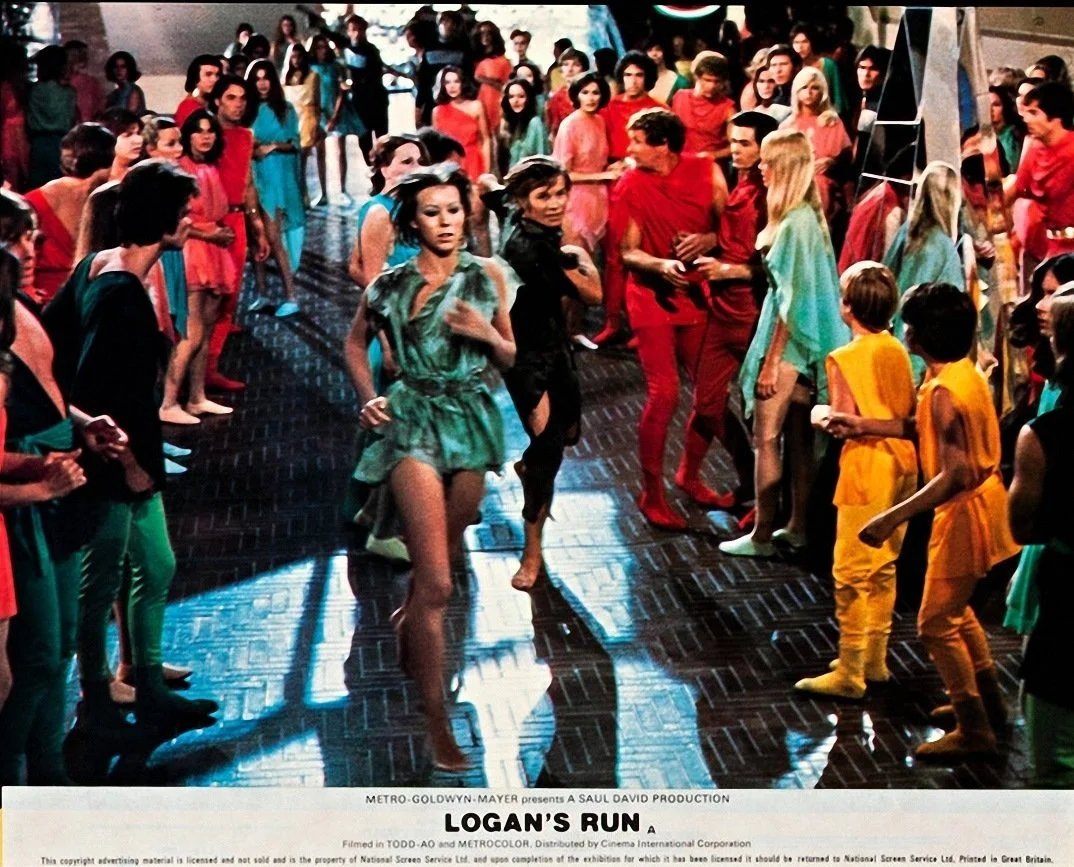
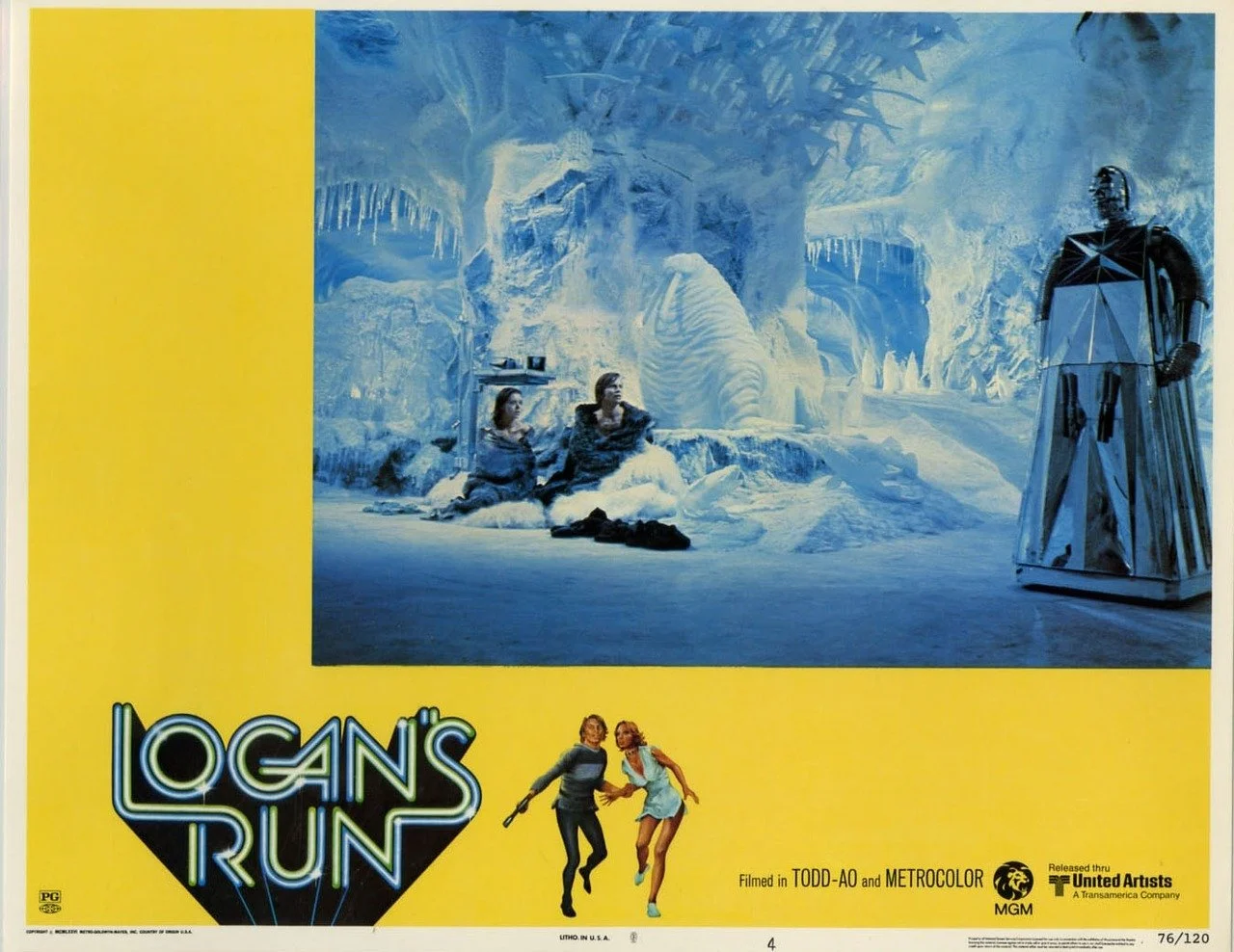
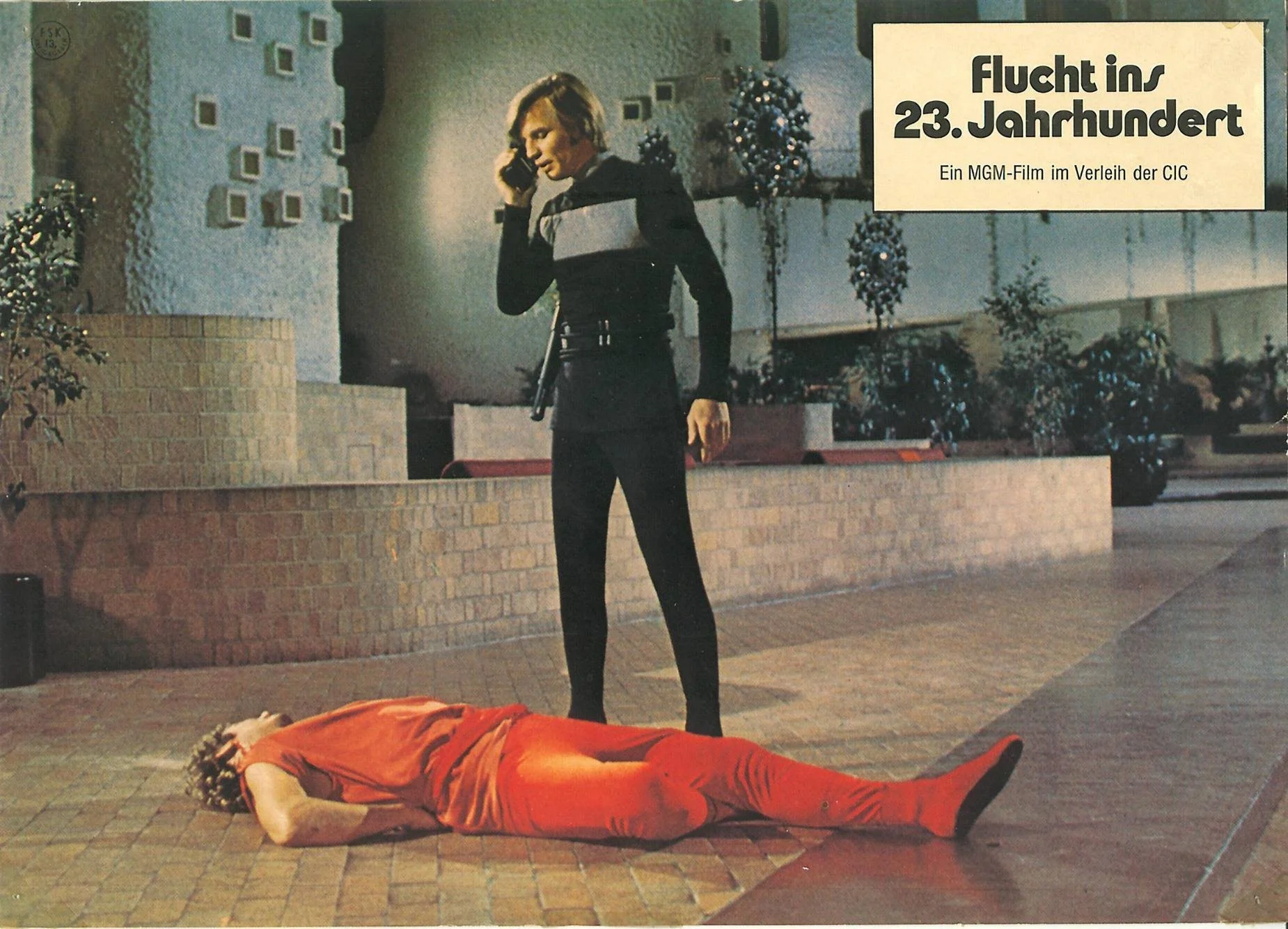
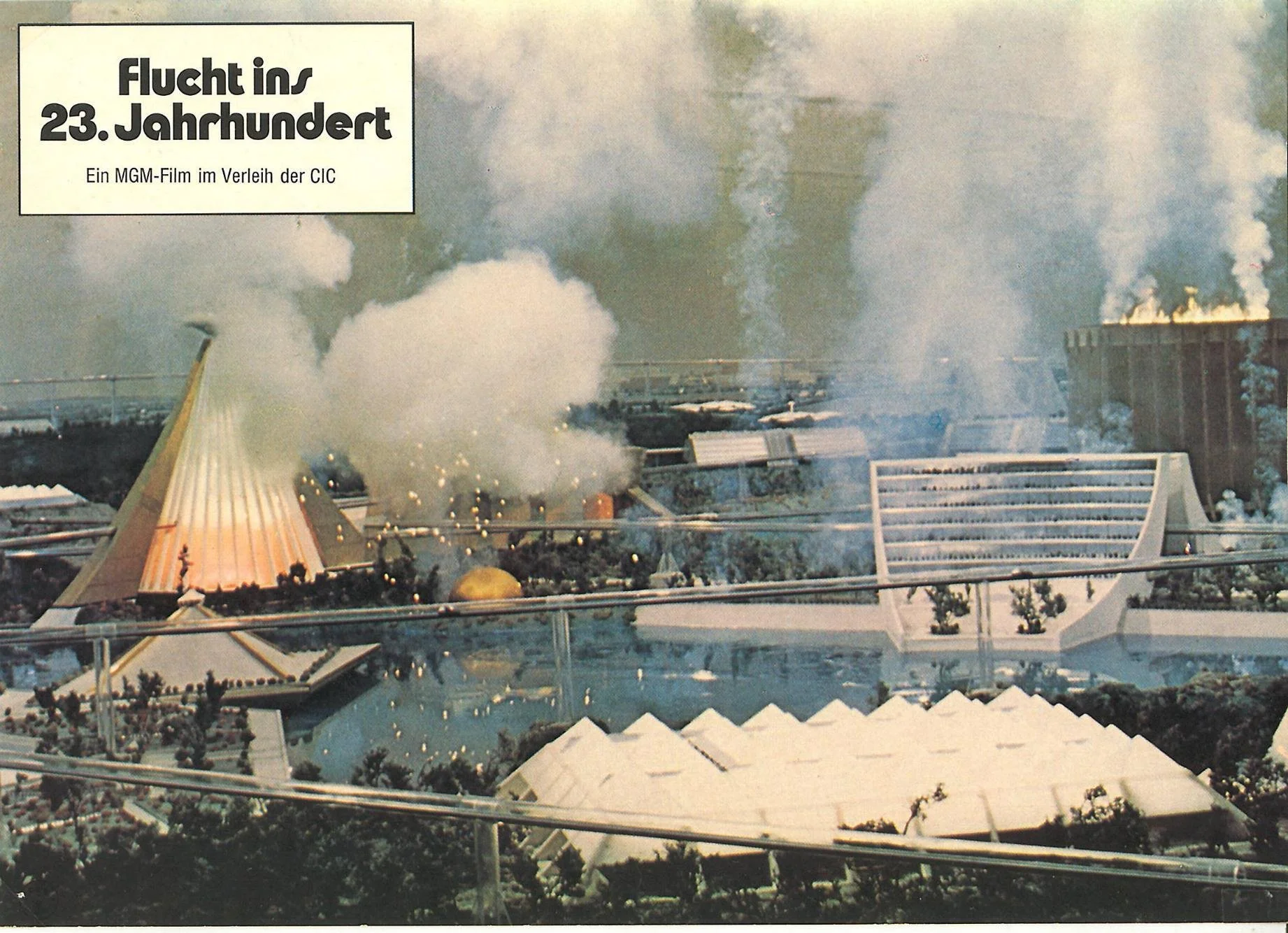
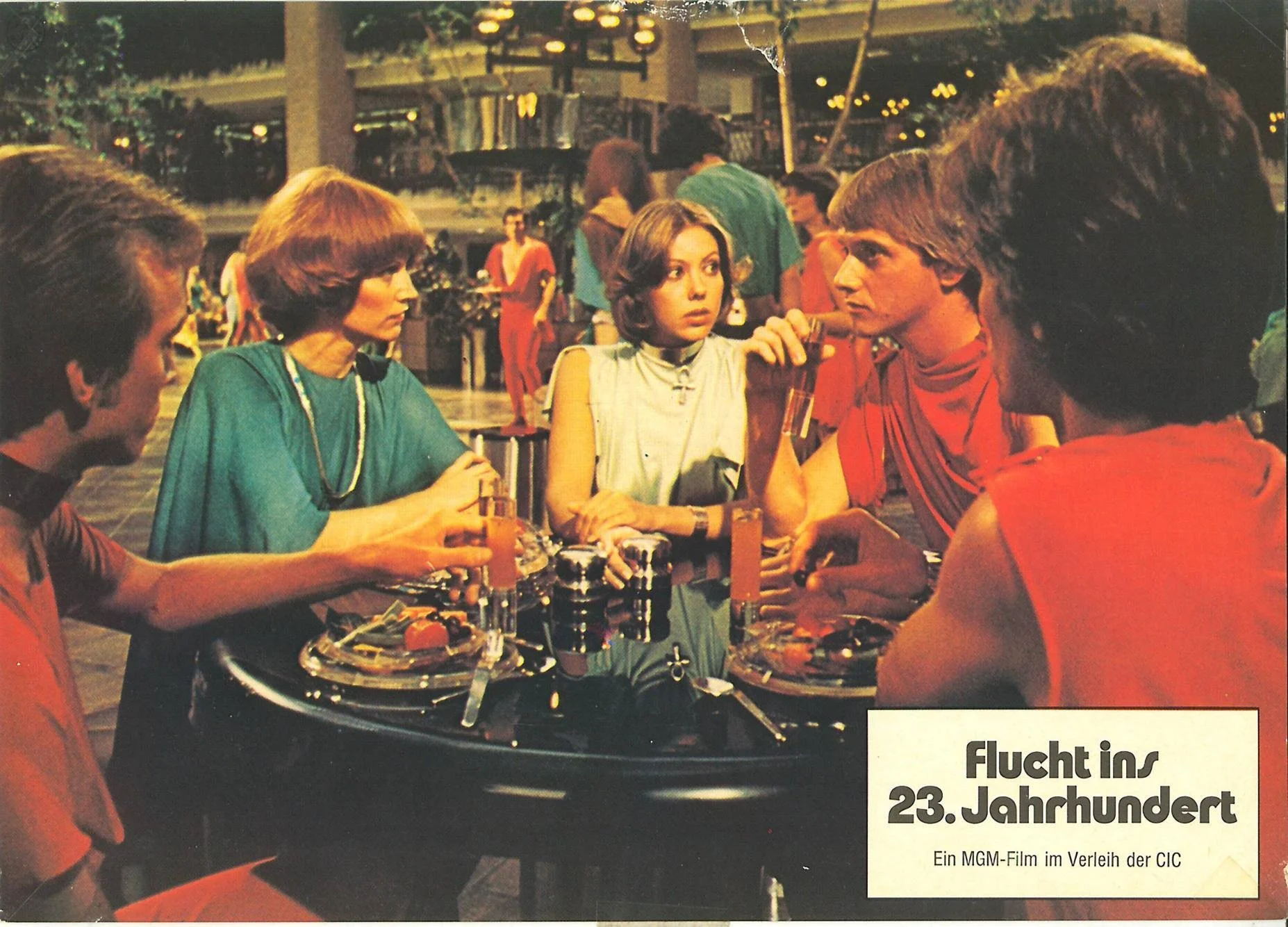
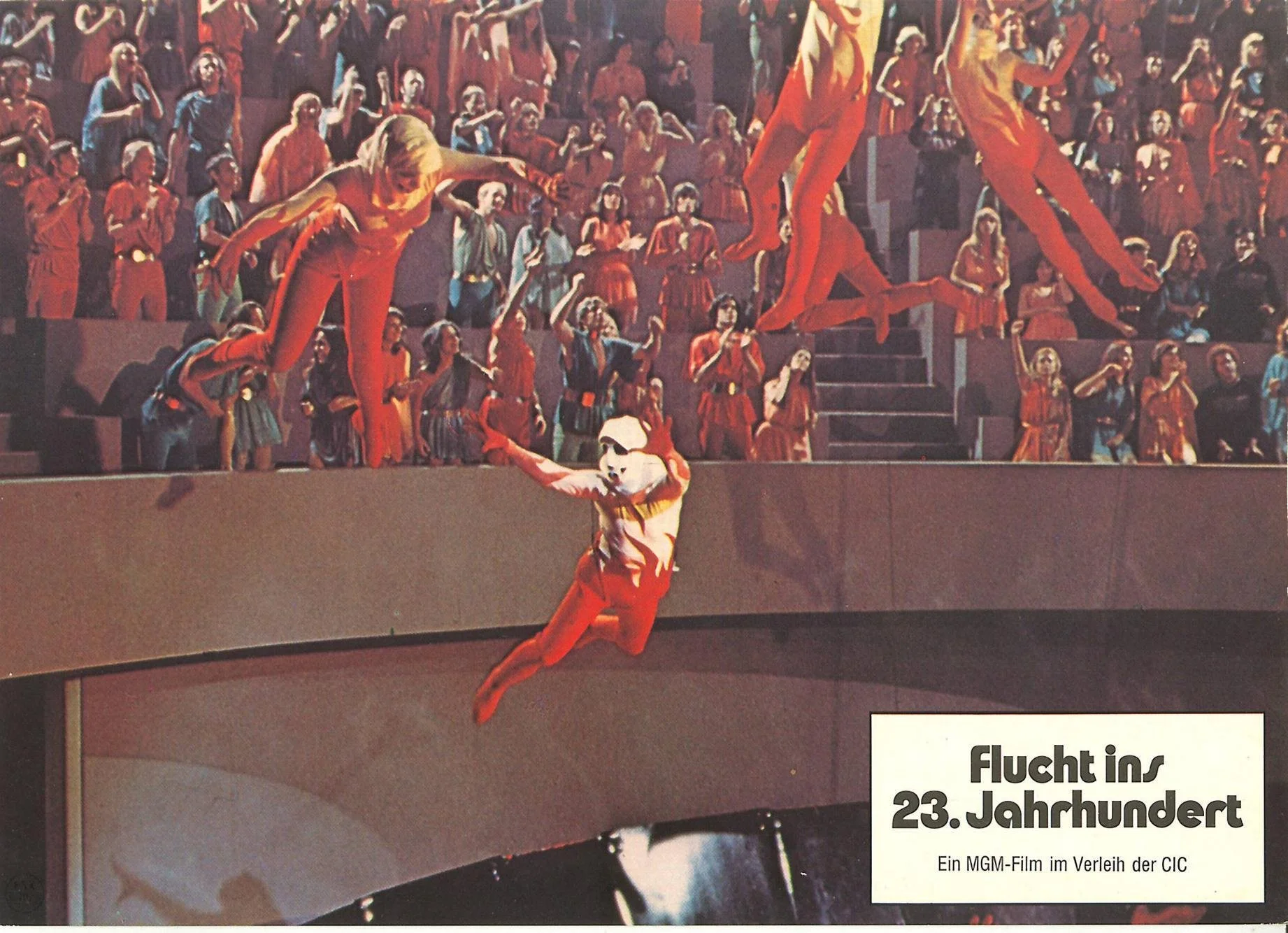
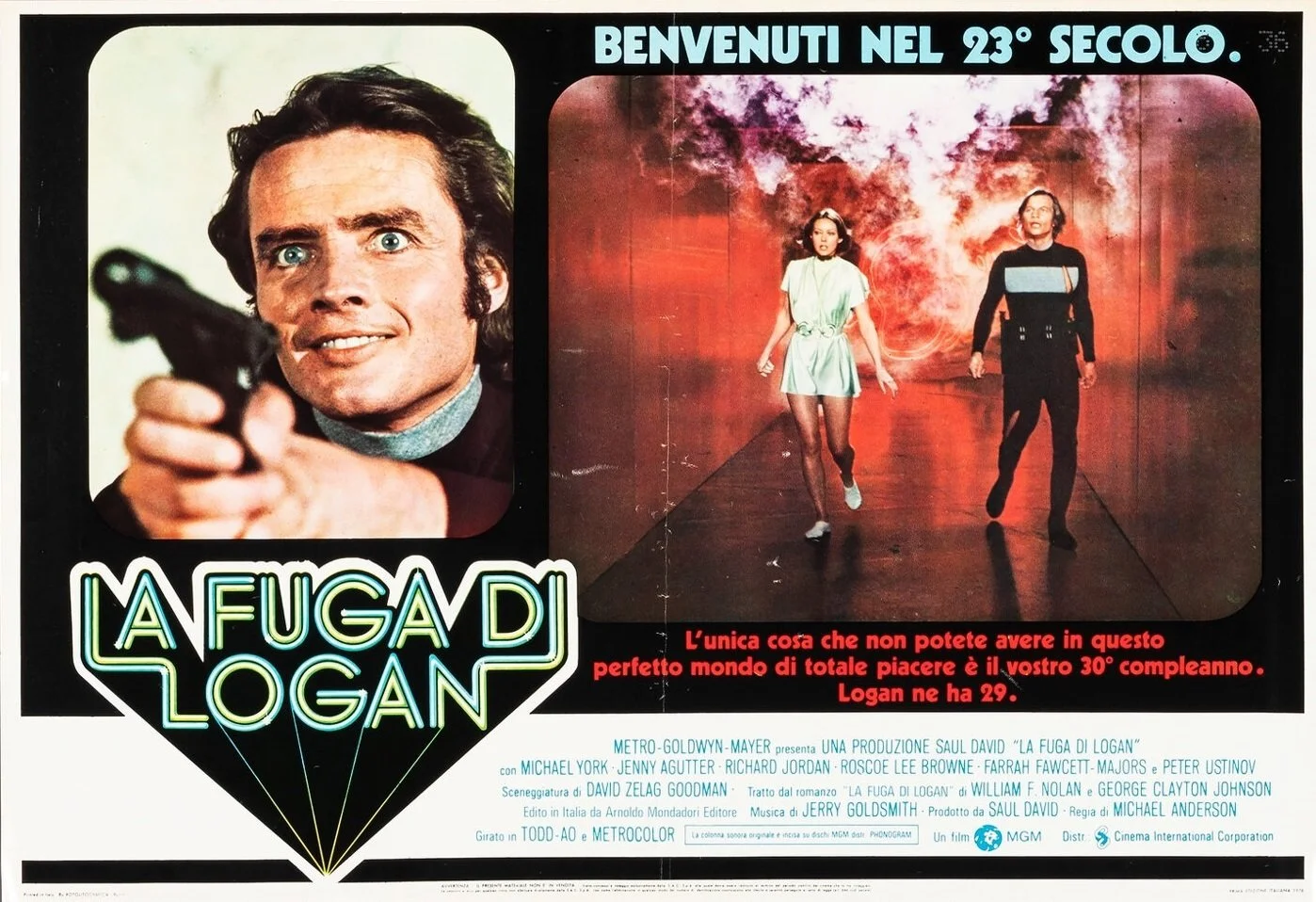
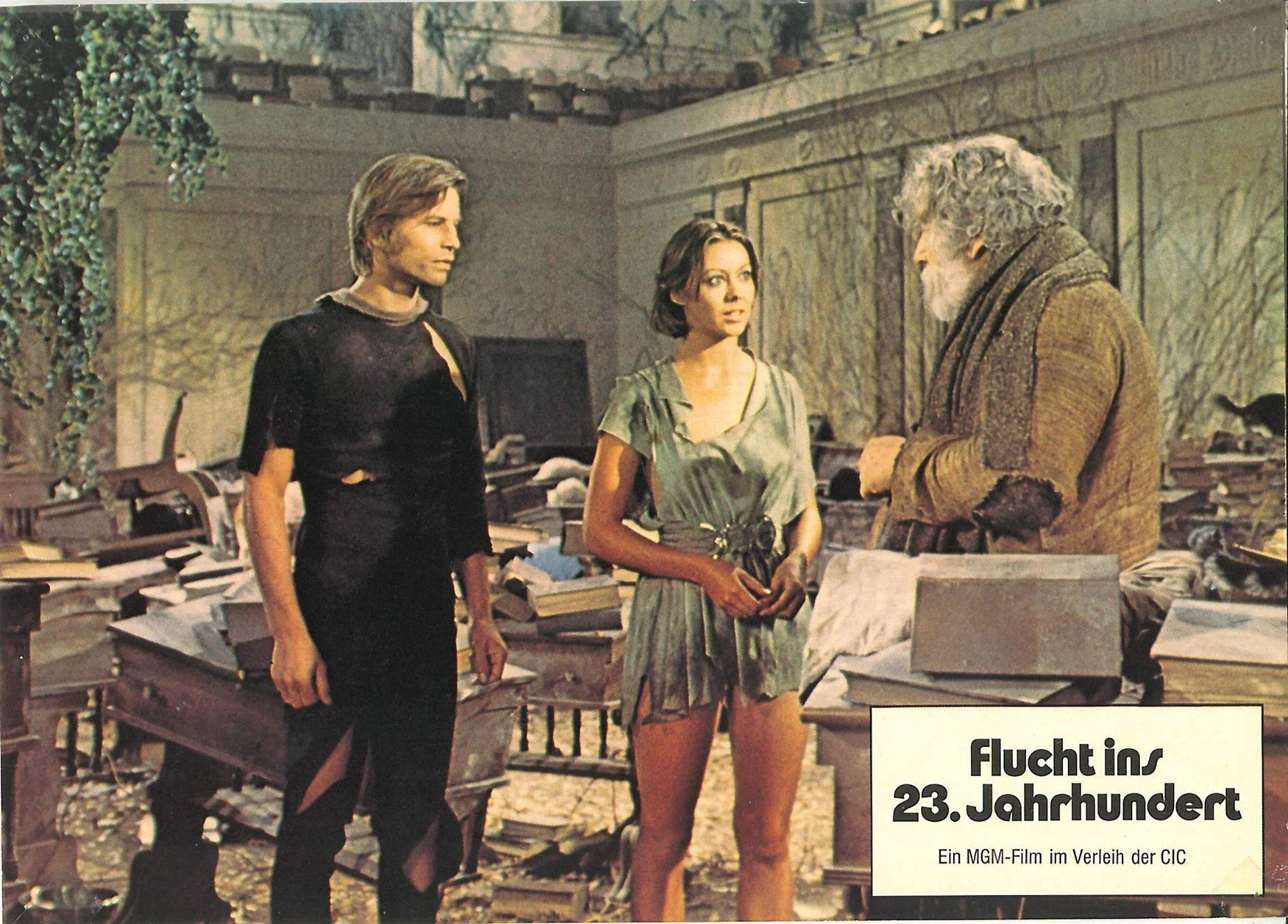
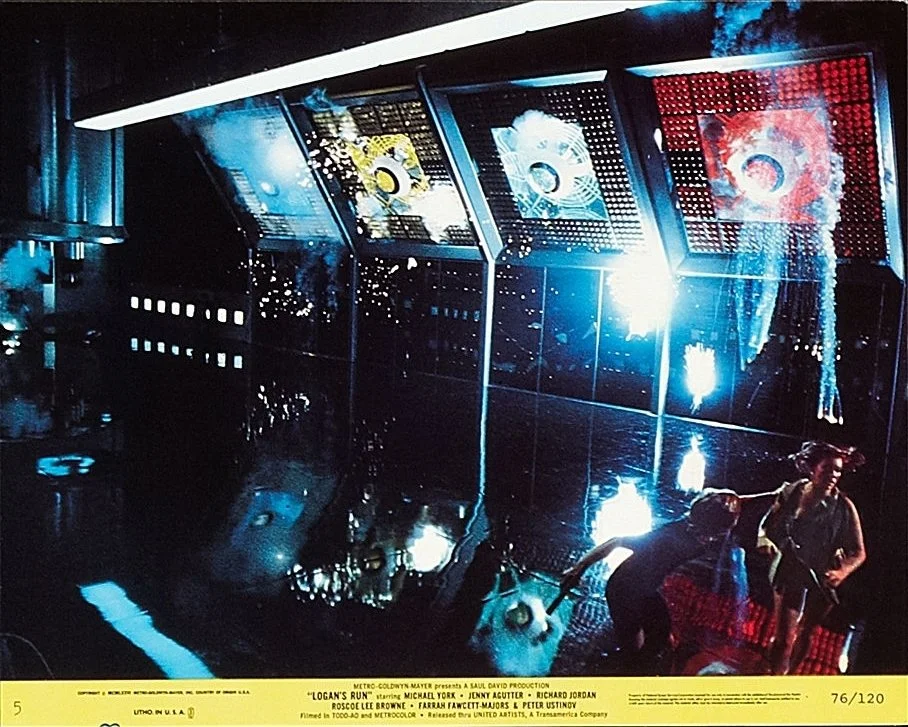
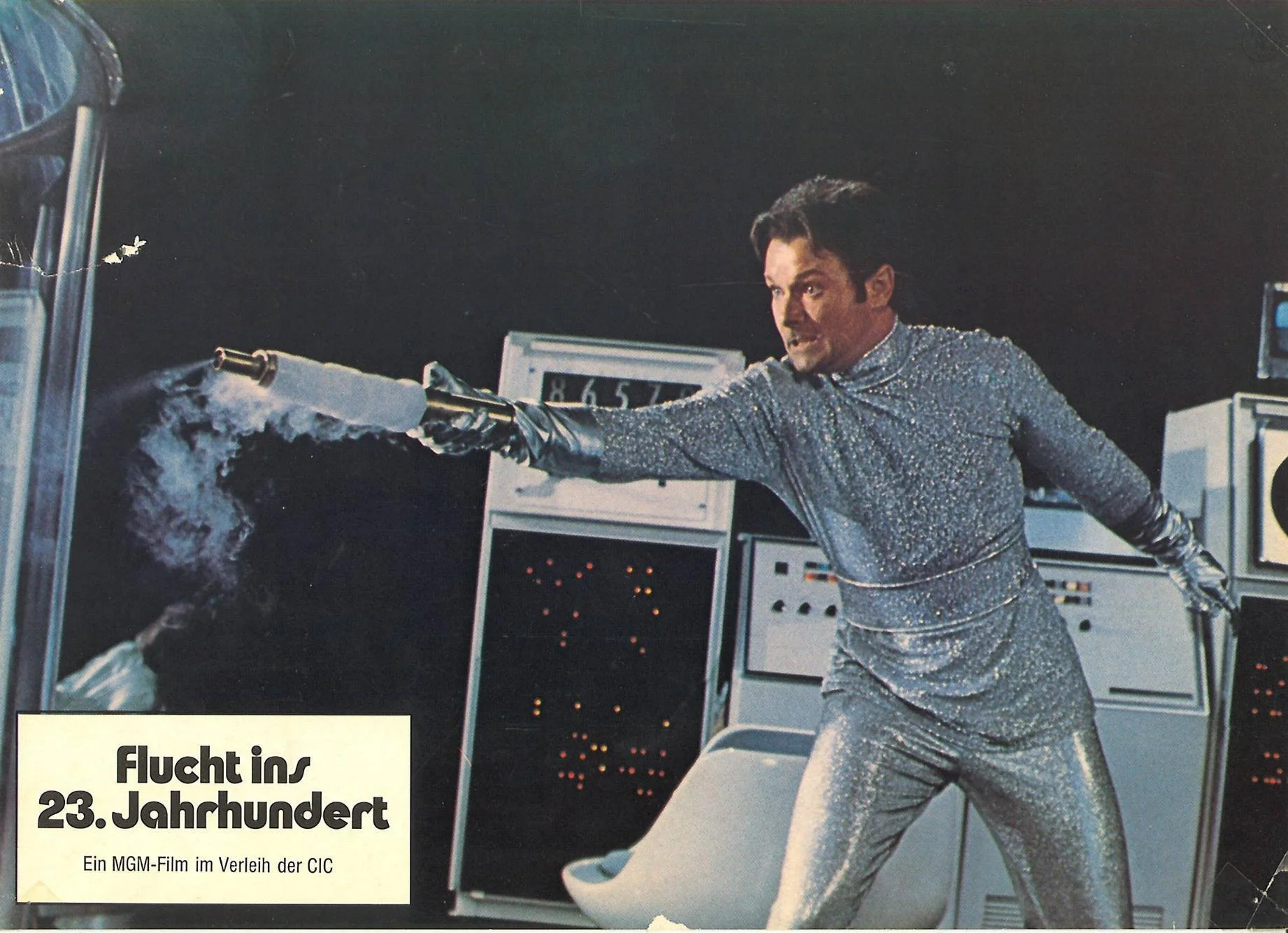
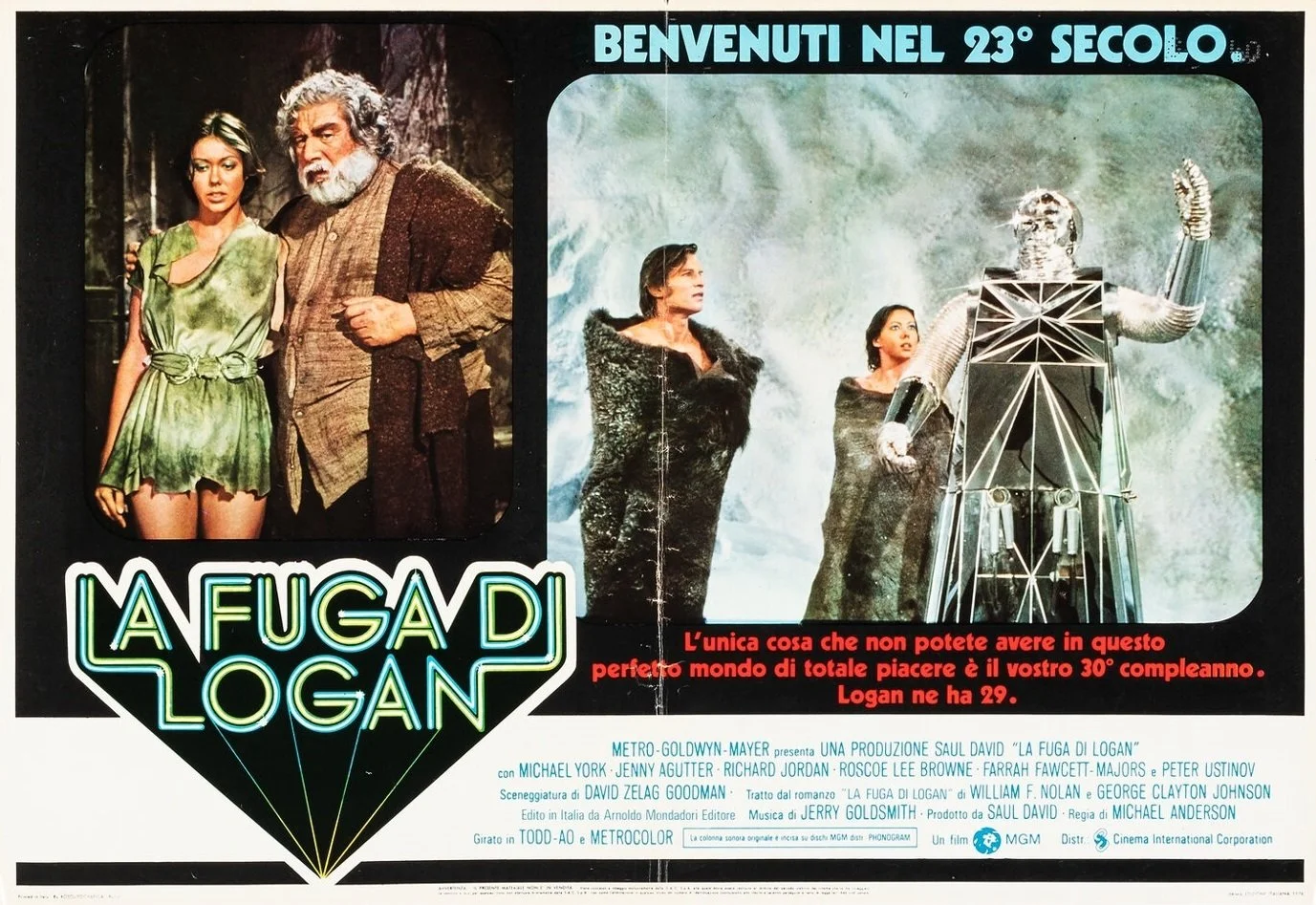
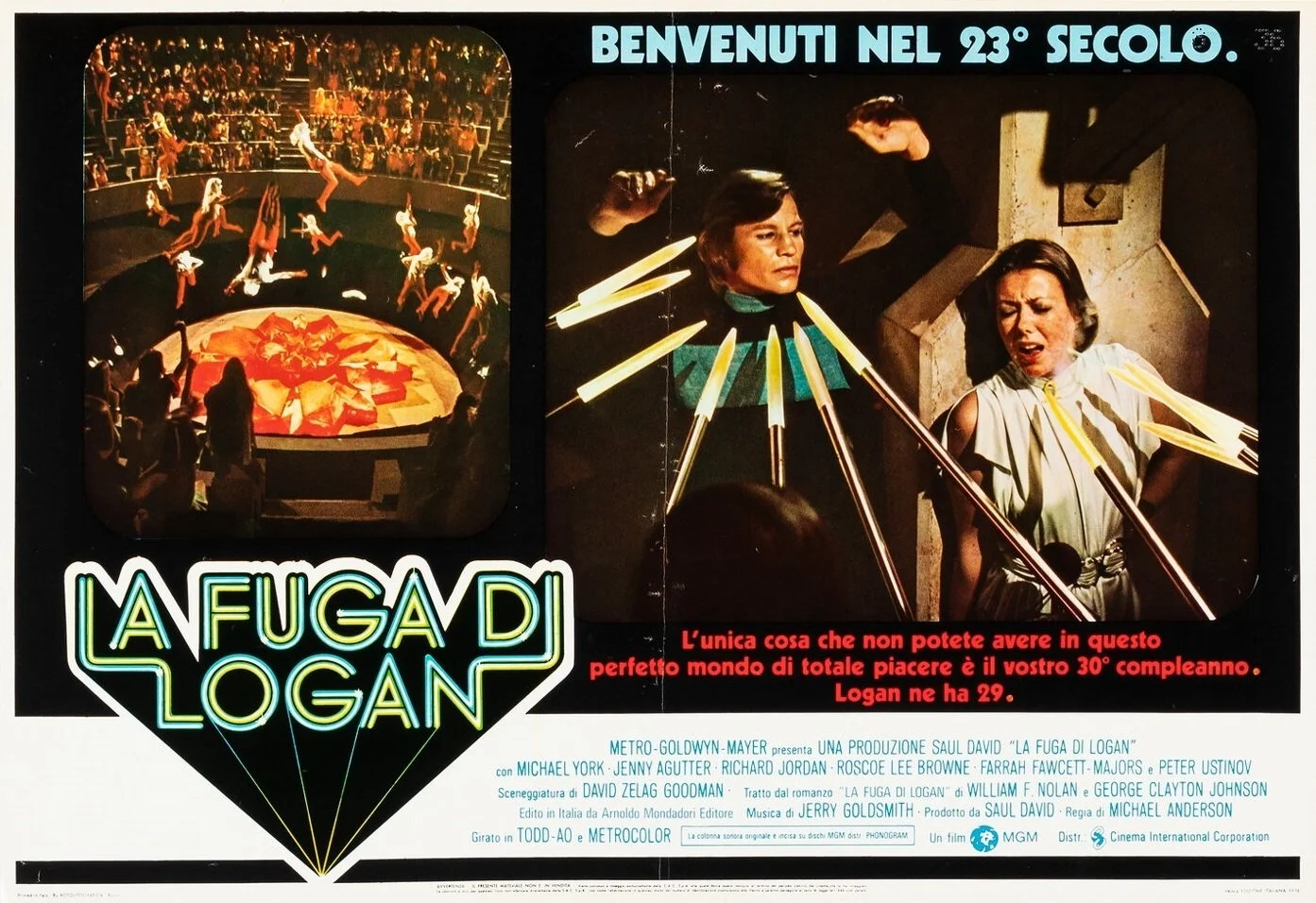
U.S. and international lobby cards for Logan’s Run
Logan’s Run at 50
Logan’s Run opened in U.S. theaters on June 23, 1976 and was a definitive box office success, bringing in approximately $25 million against a production budget in the range of $7 to $9 million. It garnered six Saturn awards from the Academy of Science Fiction, Fantasy, and Horror Films, including Best Science Fiction Film. The movie was nominated for Best Art Direction-Set Decoration and Best Cinematography at the 1977 Academy Awards, and won a Special Achievement Award for visual effects. CBS aired a Logan’s Run spin-off TV series from 1977–1978, which ran for 14 episodes.
Logan’s Run is infamous if not unique for its lack of representation among its cast of characters, which is largely white. This is hardly a hot take and no doubt audiences over the years have noticed this glaring omission. Perhaps most famously, comedy legend Richard Pryor cut to the heart of the matter with his usual acerbic wit:
“They had a movie in the future called Logan’s Run. Ain’t no niggas in it. I said, ‘Well, white folks ain’t planning for us to be here.’ That’s why we gotta make movies. Then we be in the future. But we gotta make some movies, some really hip movies. We done made enough movies about pimps, because white folks already know about pimping. Cuz we the biggest hoes they got.”
The film placed 27th in a 2020 Rolling Stone article ranking the 50 Best Sci-Fi Movies of the 1970s. Periodic talk of a remake has been bouncing around the internet for decades, though nothing has materialized.
Like our most recent sci-fi feature on The Man Who Fell to Earth, Logan’s Run represents one of the last pre-Star Wars science fiction films prevalent from the late1960s through the mid 1970s. This was a fascinating era of science fiction cinema, often strange, probing, experimental, and not particularly bullish on humanity’s future prospects. Here in 2026 the film is as relevant as ever as we enter the age of AI with the foresight and restraint of an unsupervised toddler in a self-serve candy shop.
Cast (abridged)
Michael York – Logan
Richard Jordan – Francis
Jenny Agutter – Jessica
Roscoe Lee Brown – Box
Farrah Fawcett-Majors – Holly
Peter Ustinov – Old Man
Michael Anderson Jr. – Doc
Crew (abridged)
Director – Michael Anderson
Screenwriter – David Zelag Goodman
Author (original novel) – William F. Nolan
Cinematographer – Ernest Laszlo
Editor – Bob Wyman
Art Director – Dale Hennesy
Music Composer – Jerry Goldsmith
Producer – Saul David
How did I watch?
Blu ray
Running Time: 1h 59m
MPAA Rating: PG
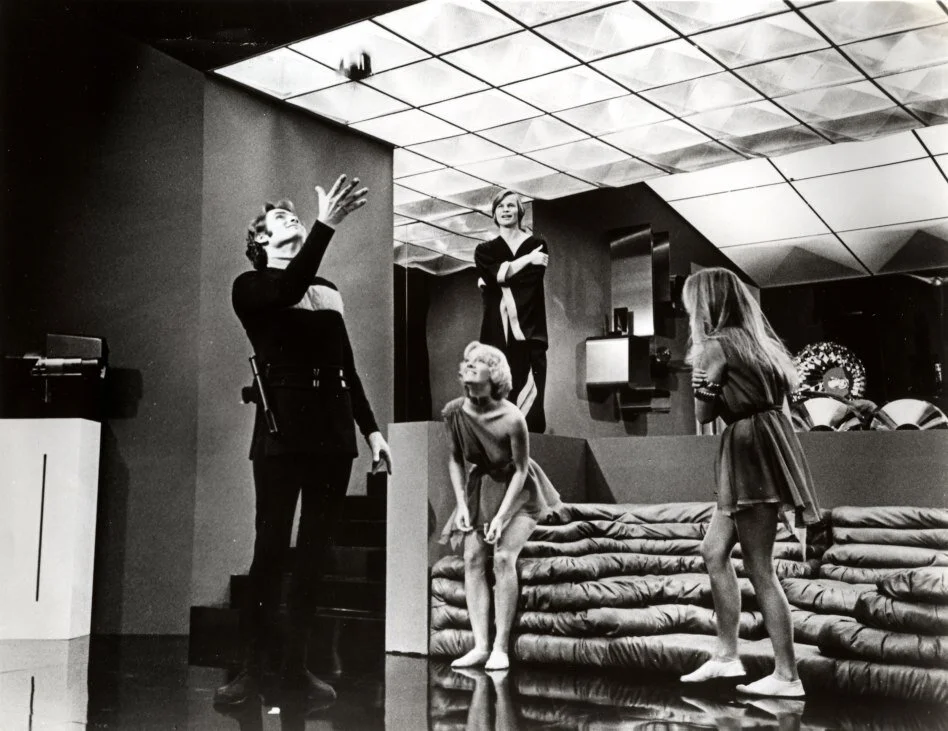
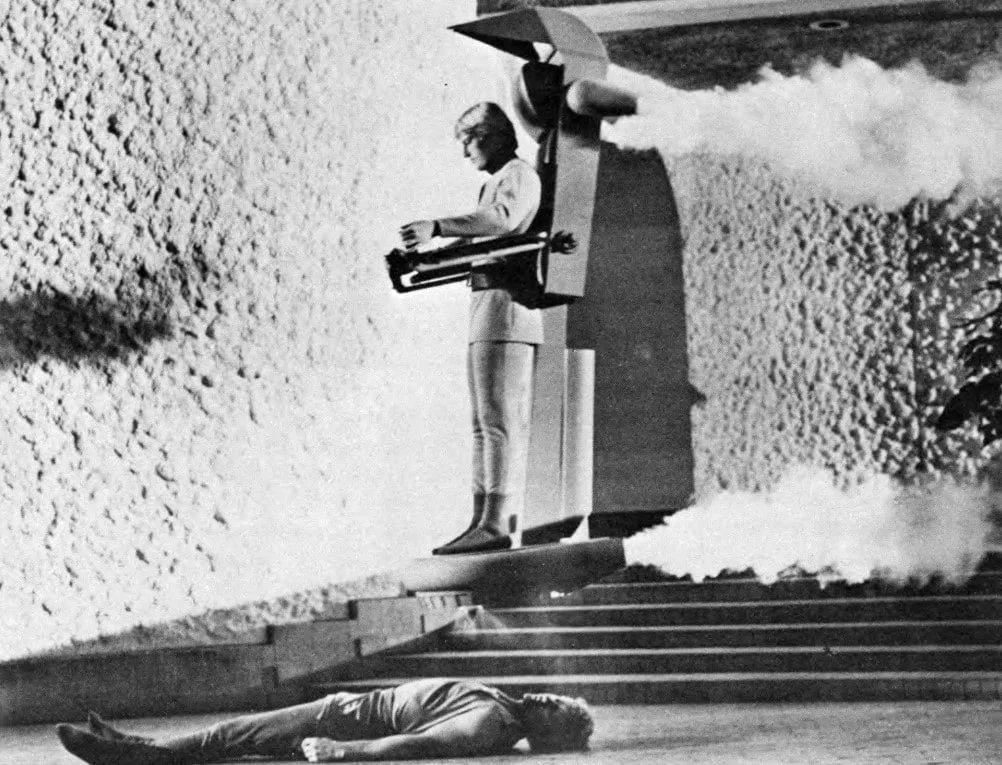
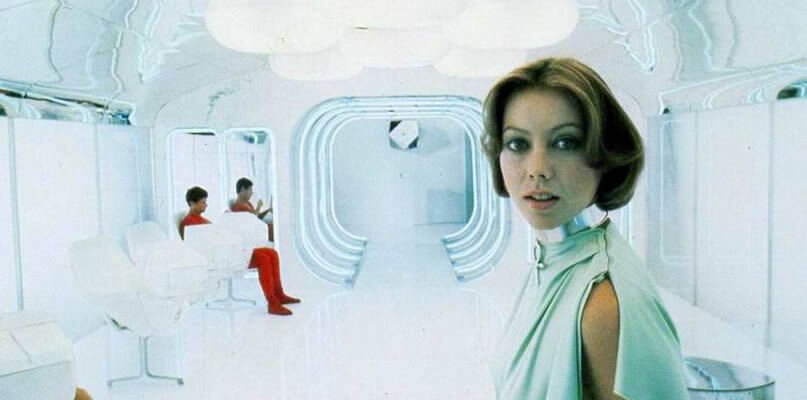
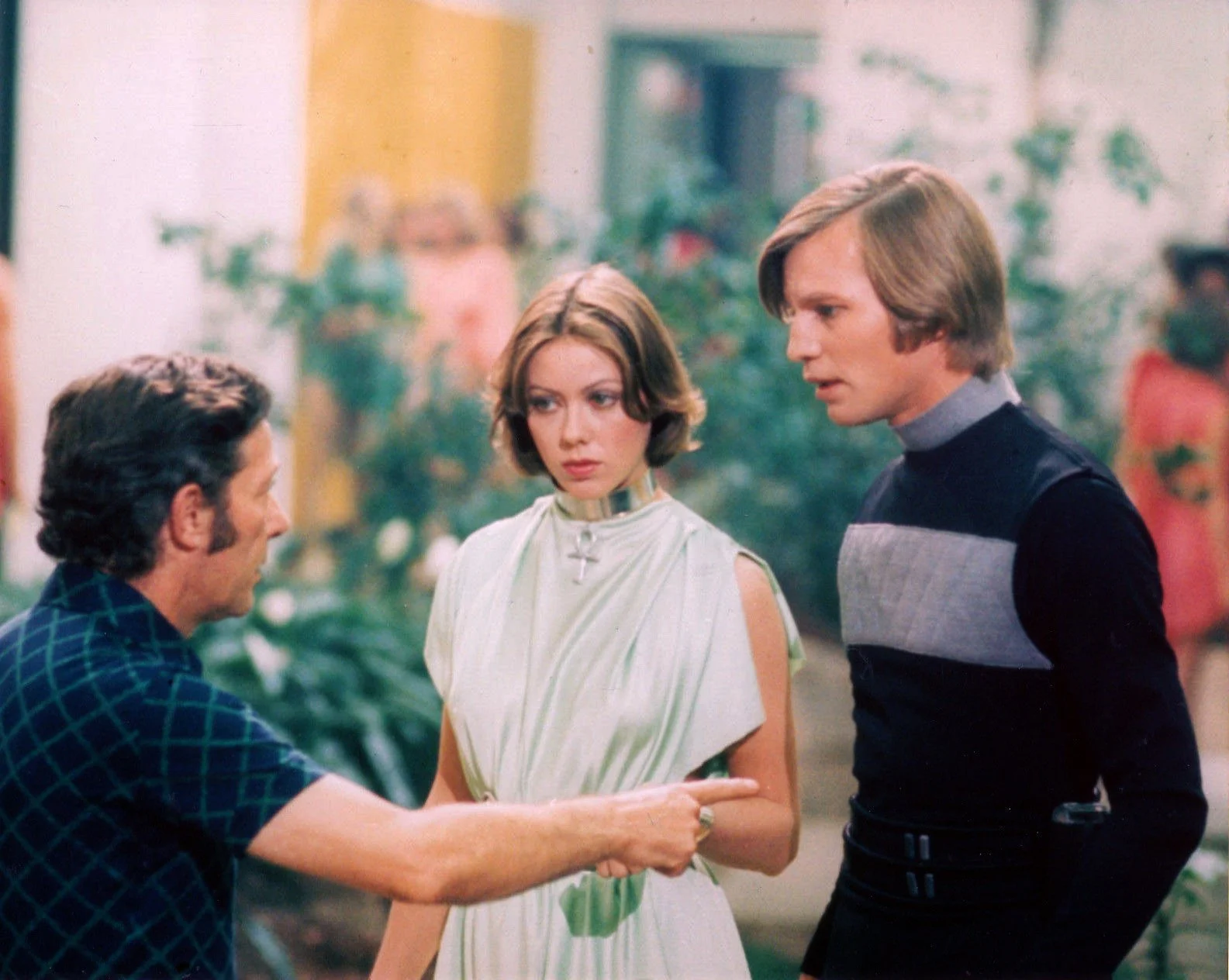
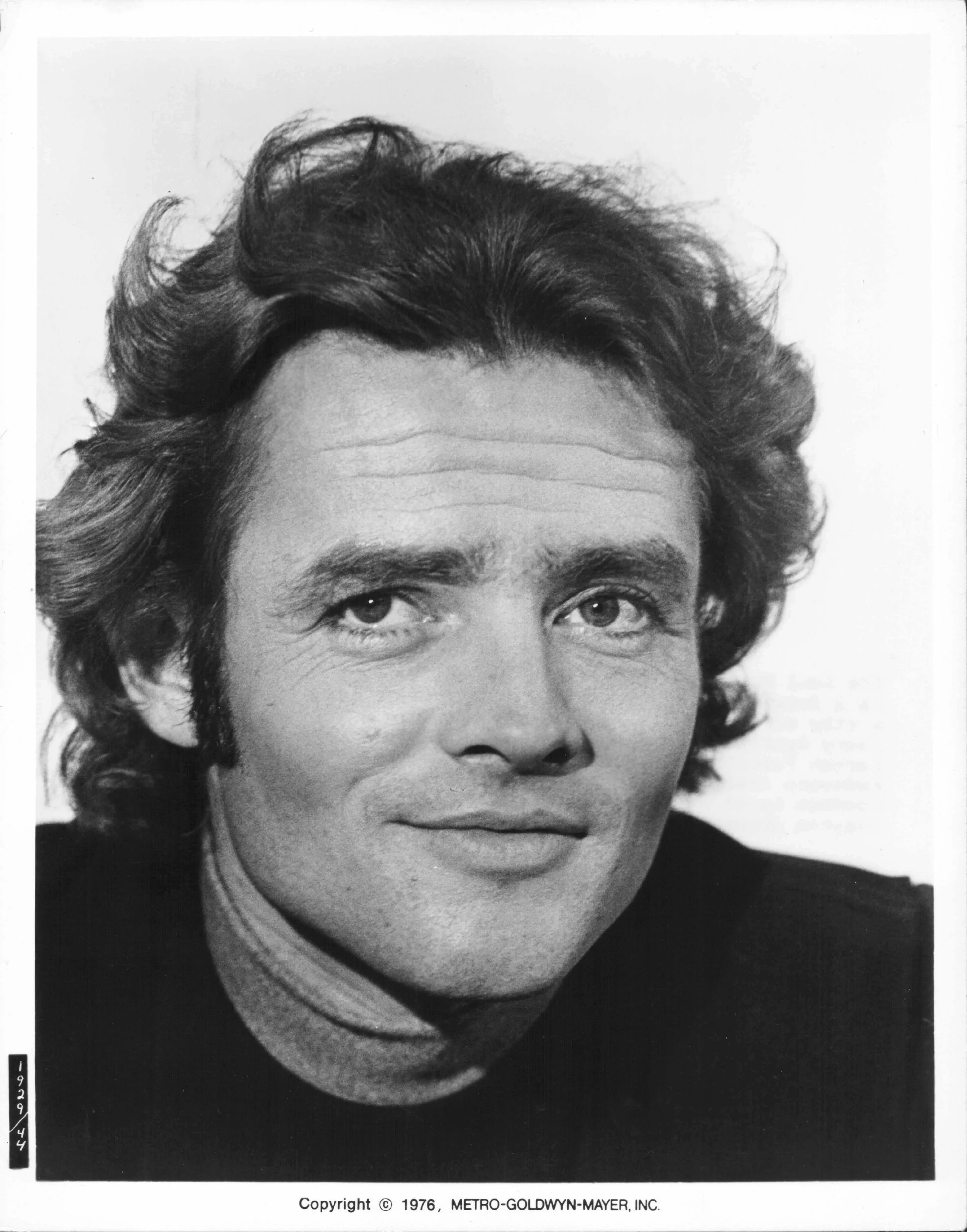
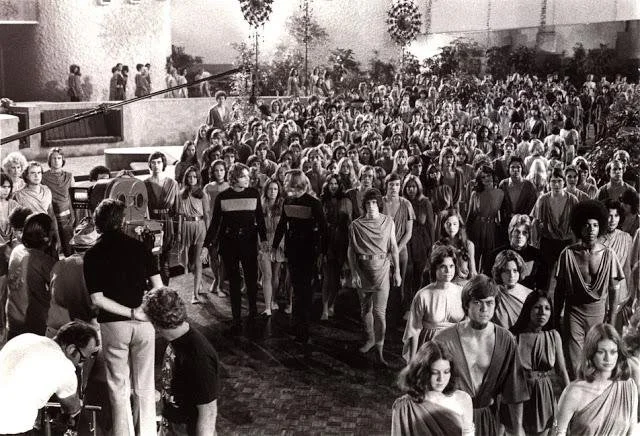
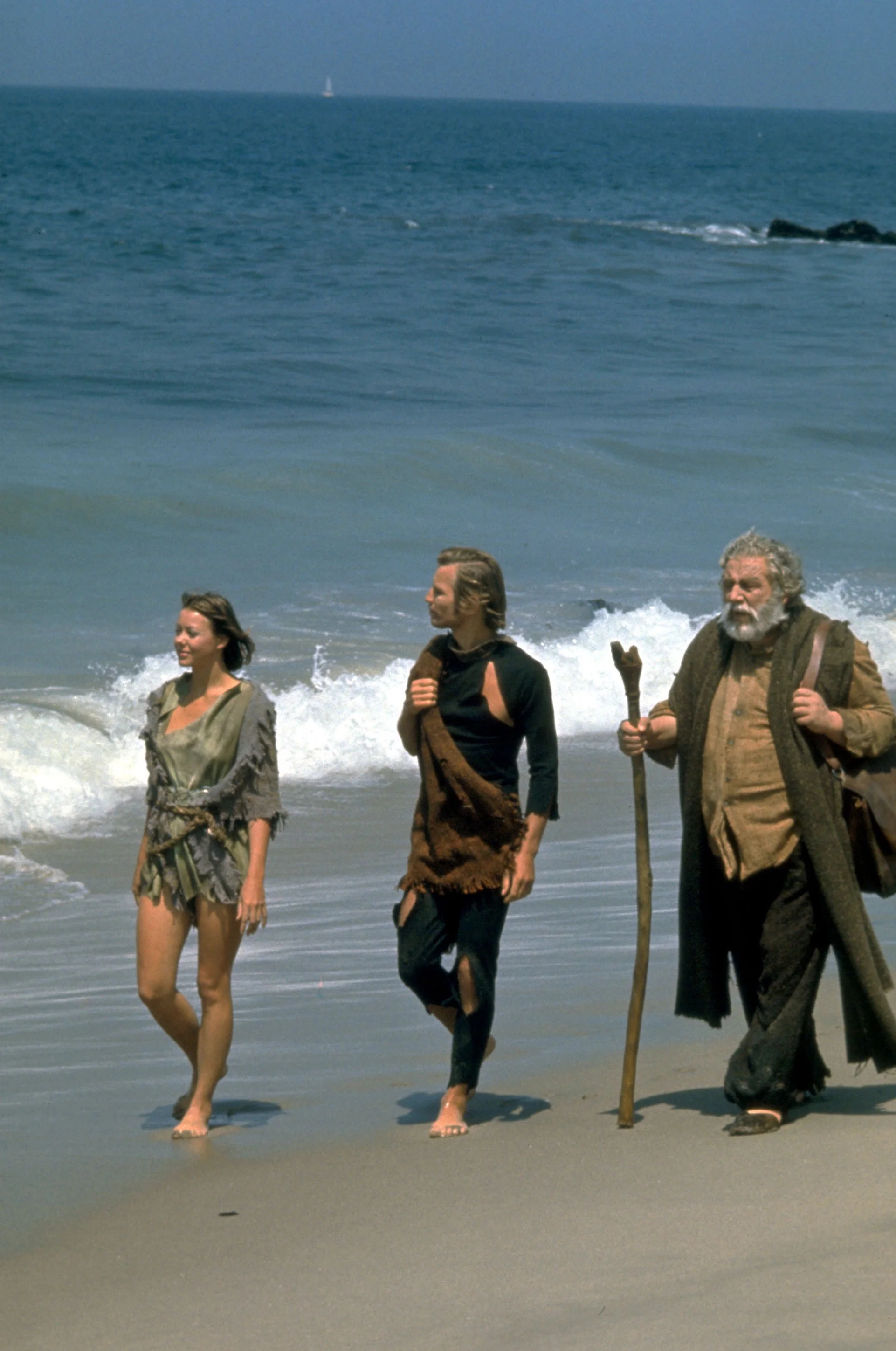
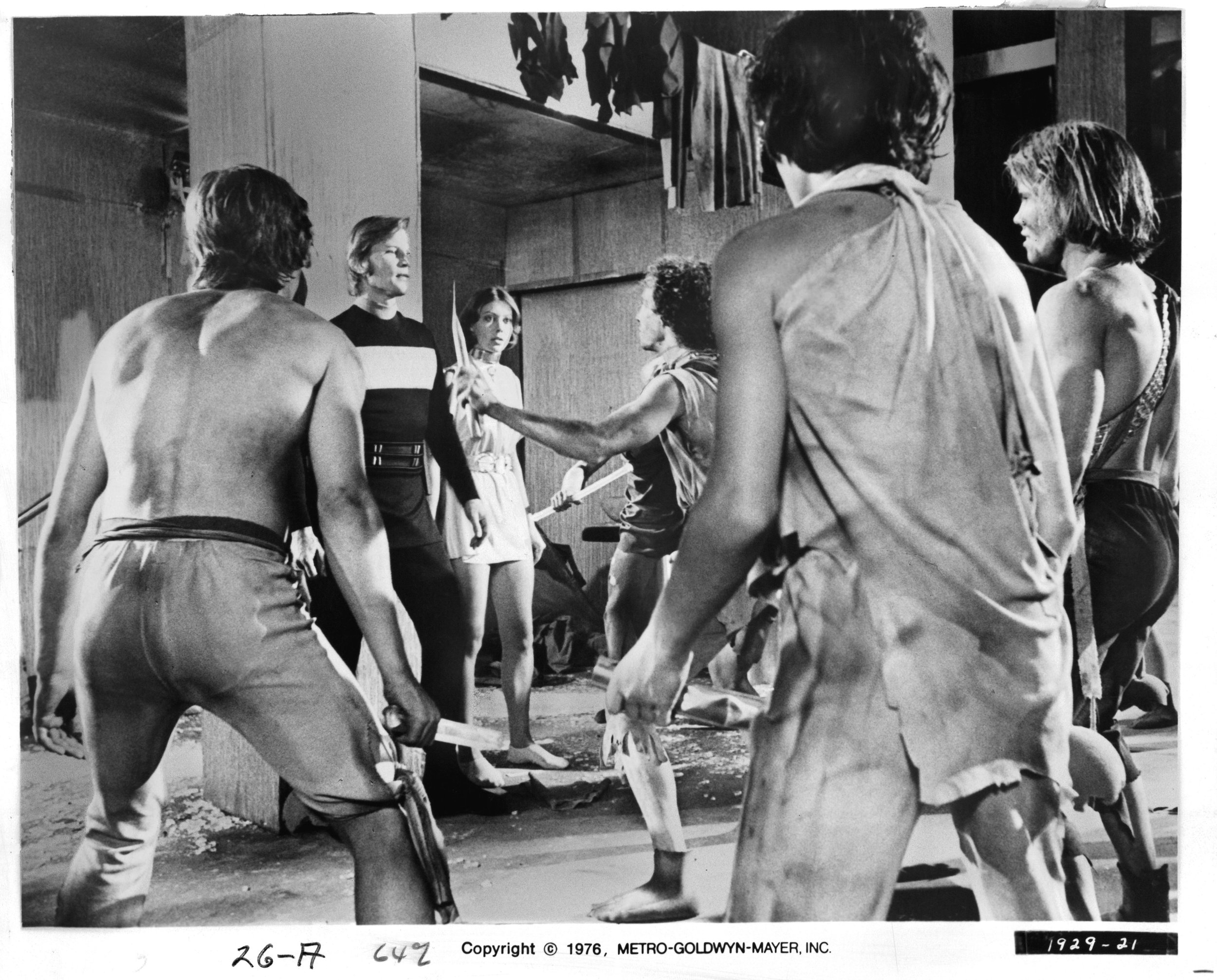
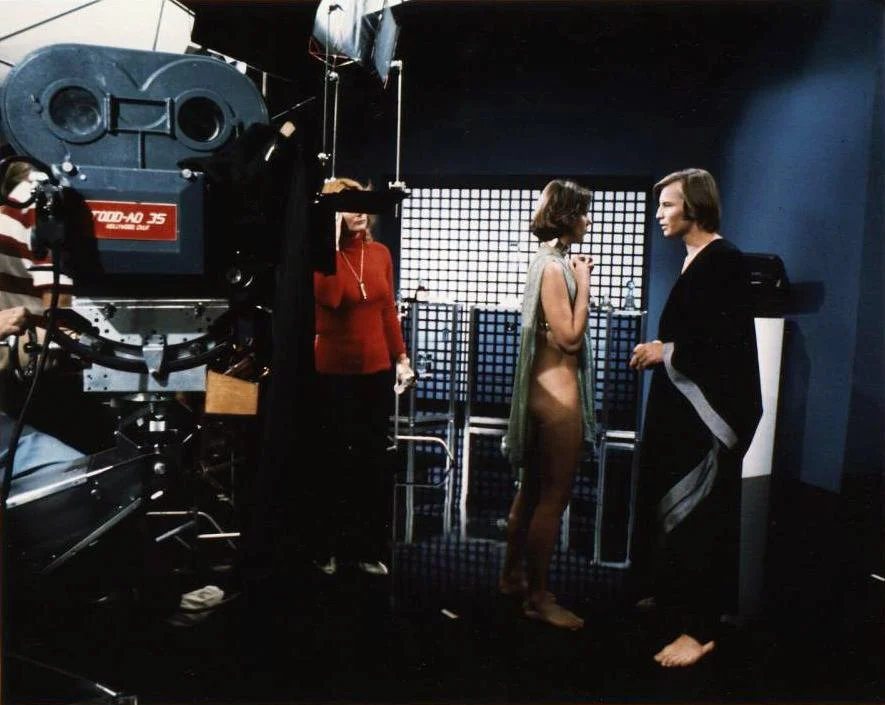
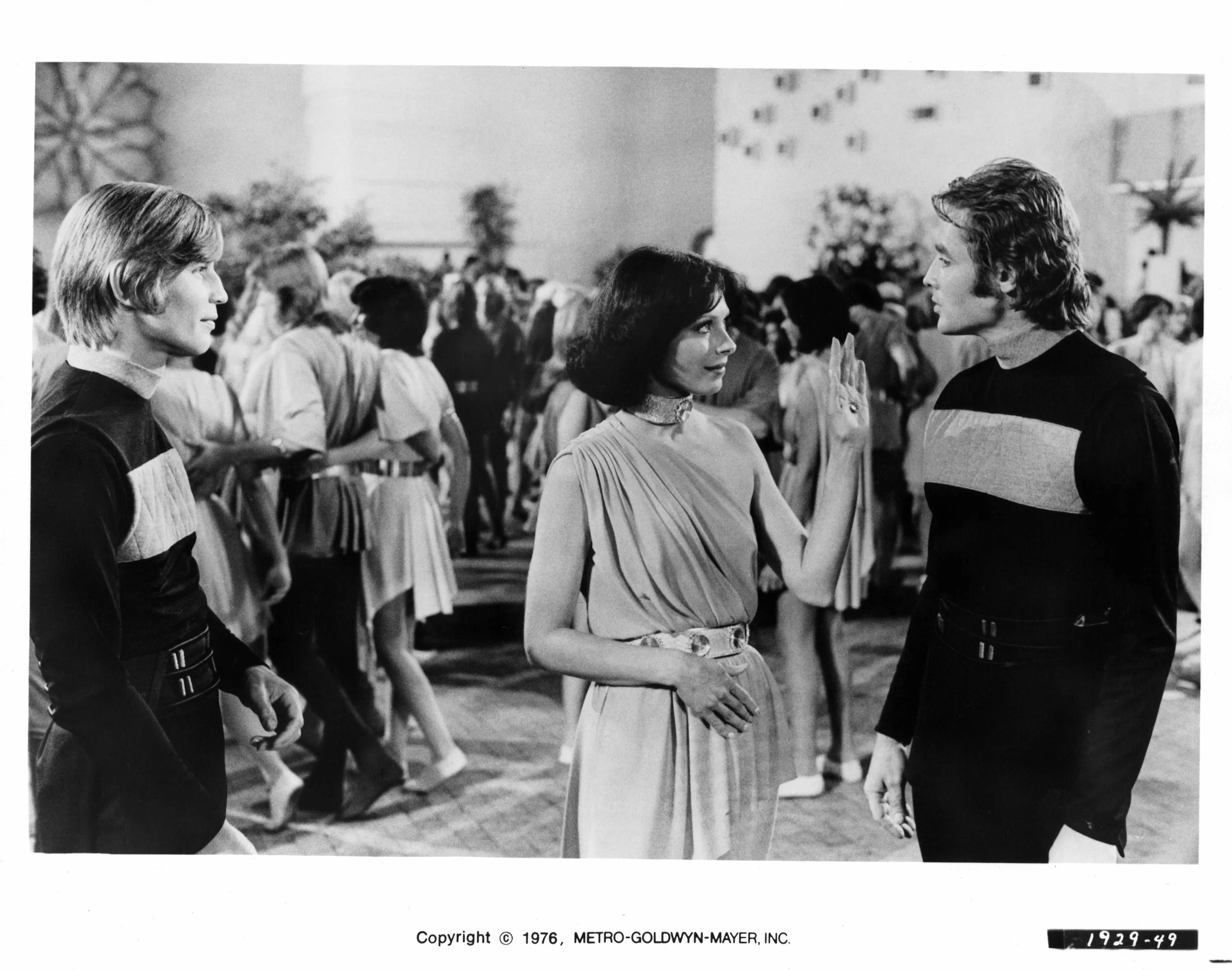
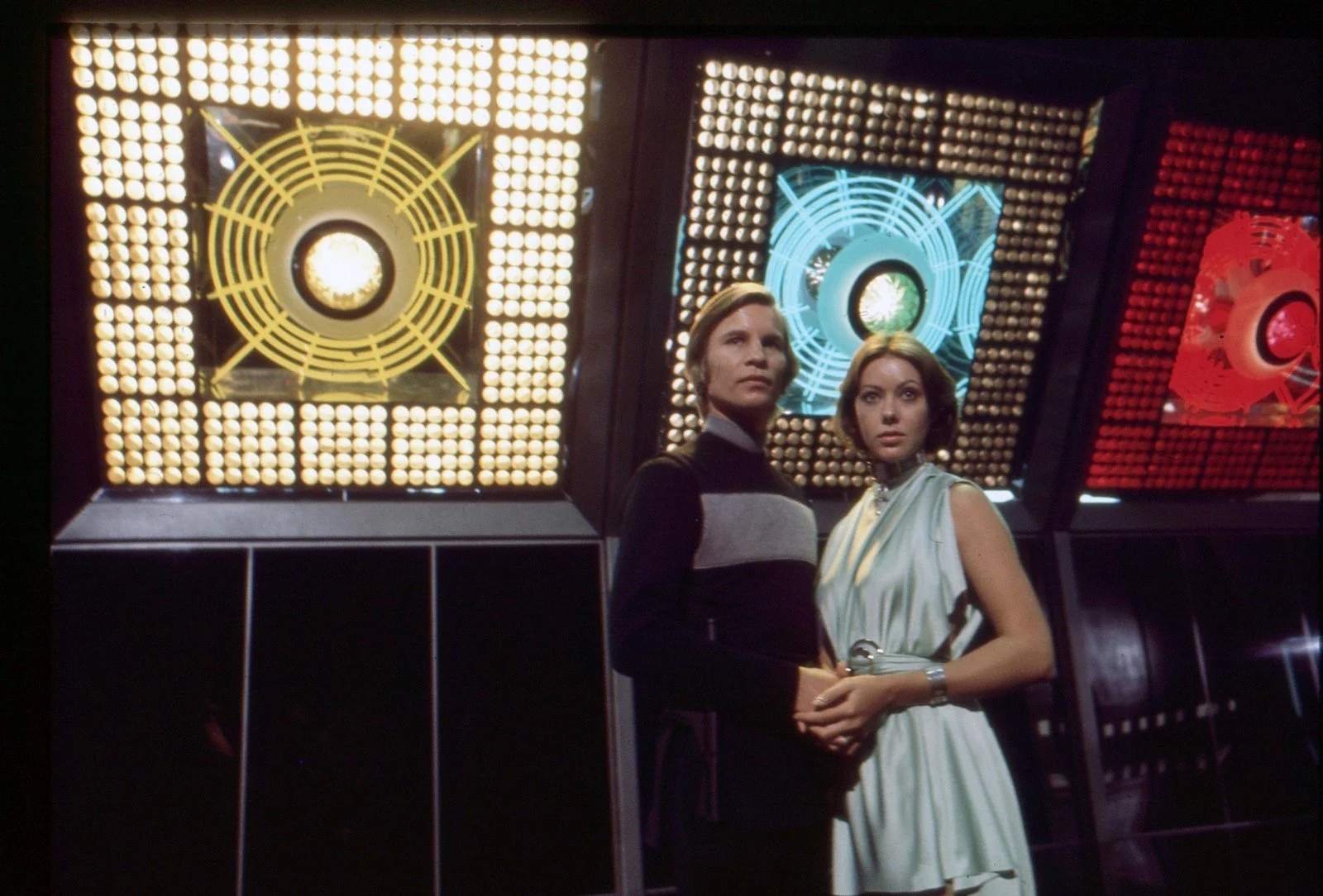
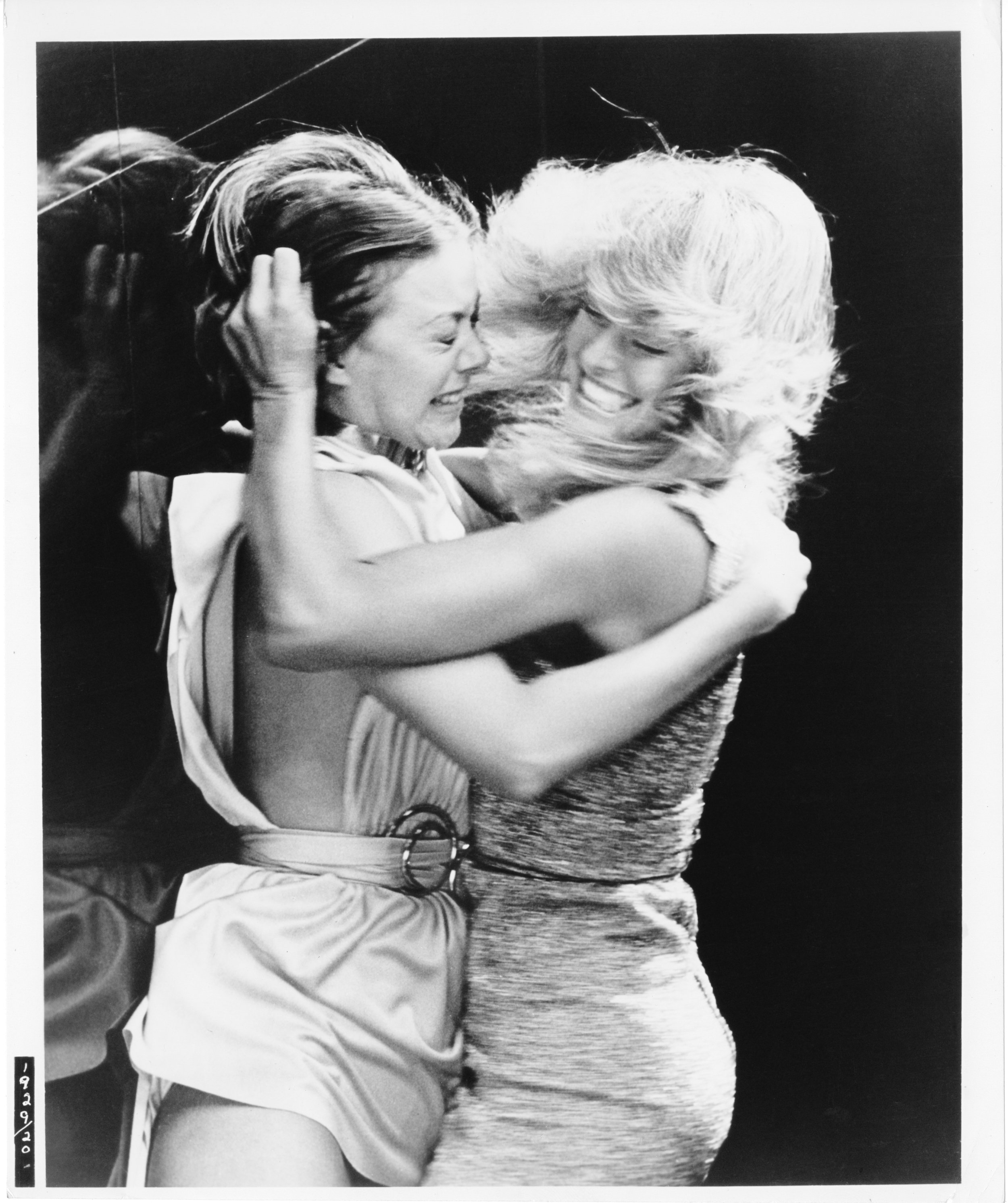
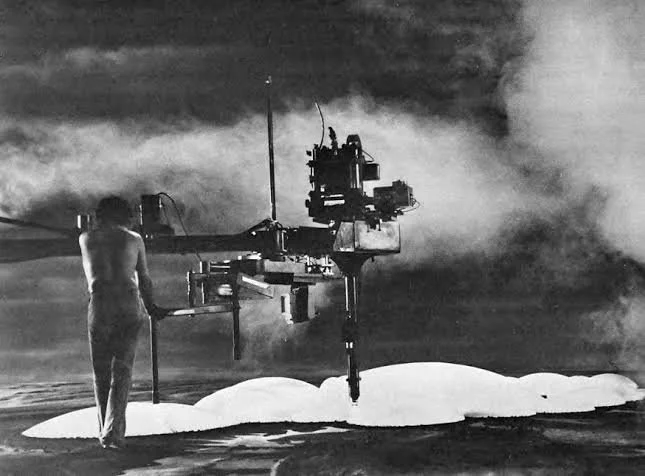

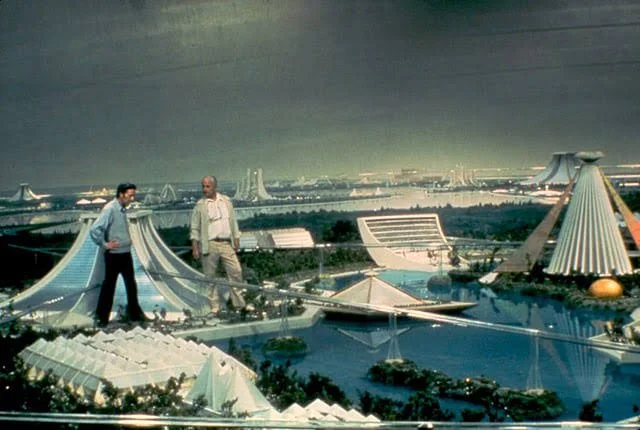
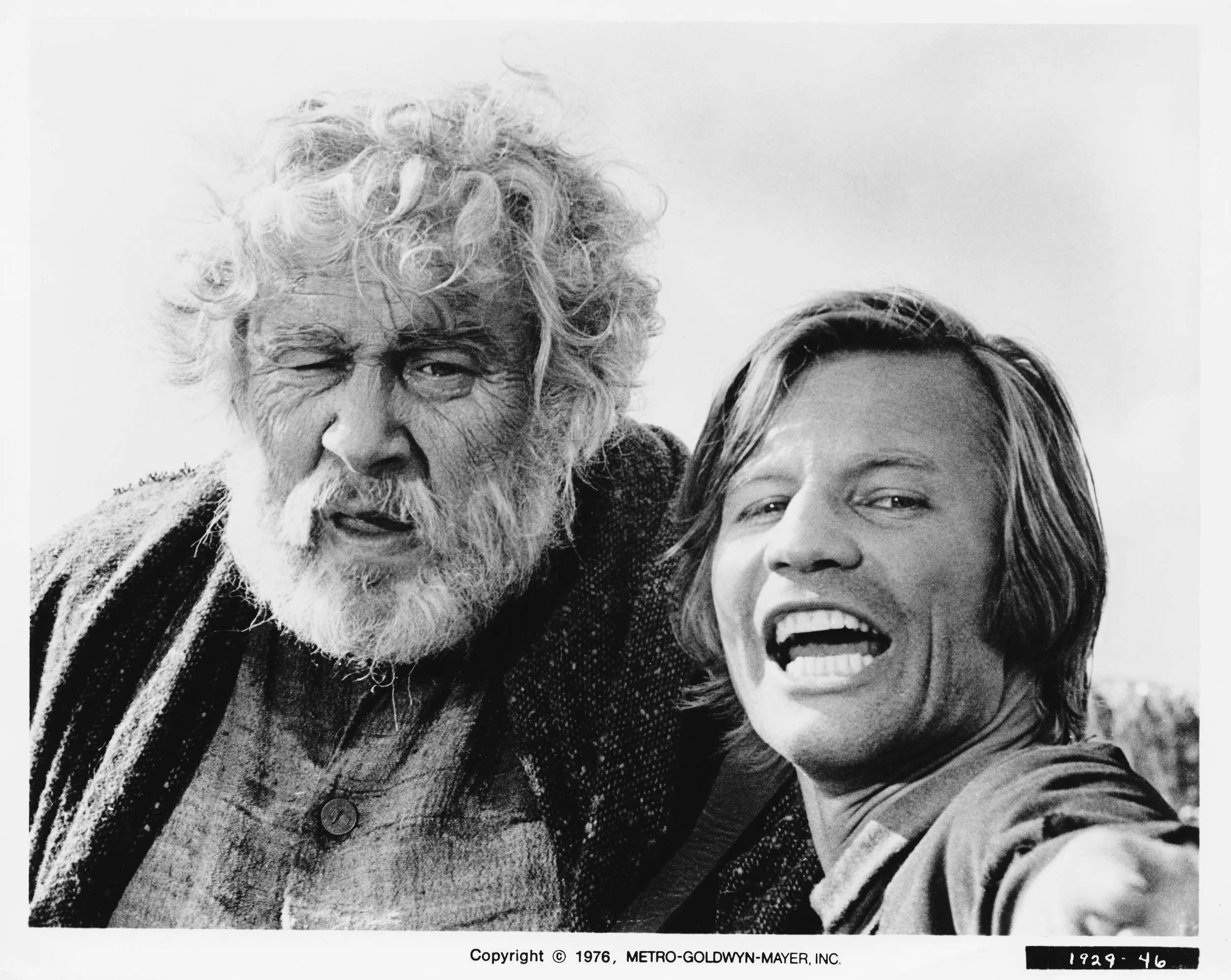
Publicity stills and behind the scenes.
Did you know?
The film was based on the 1967 novel Logan’s Run by William F. Nolan and George Clayton Johnson.
In the novel, the citizen lifespan cut-off was 21; this was changed to 30 in the film to widen casting options.
In the final scene of the movie an extra gives the Vulcan salute—clearly a Star Trek fan!
Peter Ustinov purportedly improvised much of his dialogue as the Old Man.
Jenny Agutter might be most familiar to genre fans for her turn as Alex Price, nurse and love interest to David Naughton’s David Kessler in An American Werewolf in London (1981).
A sequence where Logan and Jessica attempt to evade the Sandmen by entering a love shop was cut to be less explicit, helping ensure a PG rating.
According to a Wikipedia entry nine whole sound stages were used at MGM studios in California, hosting a miniature city that remains among the largest of its kind to be built.
A few years after Logan’s Run, Farrah Fawcett starred opposite Kirk Douglas in the curious mess of a sci-fi film Saturn 3 (1980).
Recommendations based on Logan’s Run-
THX 1138 (1971)
Sleeper (1973)
Westworld (1973)
Roller Ball (1975)
A Boy and His Dog (1975)
Supplements-
Logan’s Run at 50 | Why MGM’s sci-fi thriller didn’t get a trilogy, and why it deserves a remake (Film Stories)
Logan’s Run and How It Was Filmed (American Cinematographer)
The Screen: 'Logan's Run,' a Science-Fiction Fantasy (NY Times archived review)
Logan’s Run: Magic for the 23rd Century (American Cinematographer)
Next Up - We kick off a new recurring series with a very different Bronx tale.