Dr. Terror’s House of Horrors: Disembodied Hand (1965)
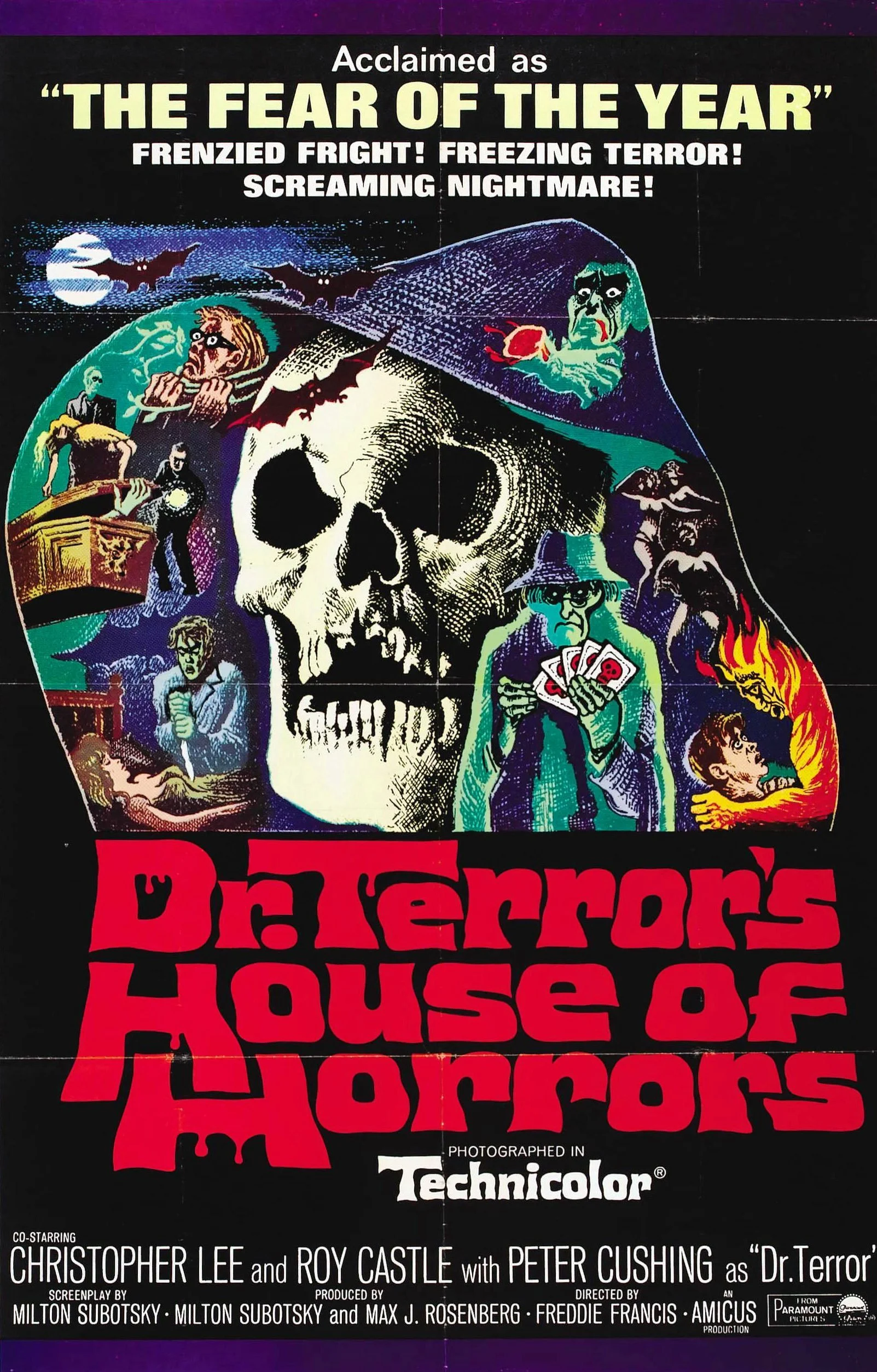
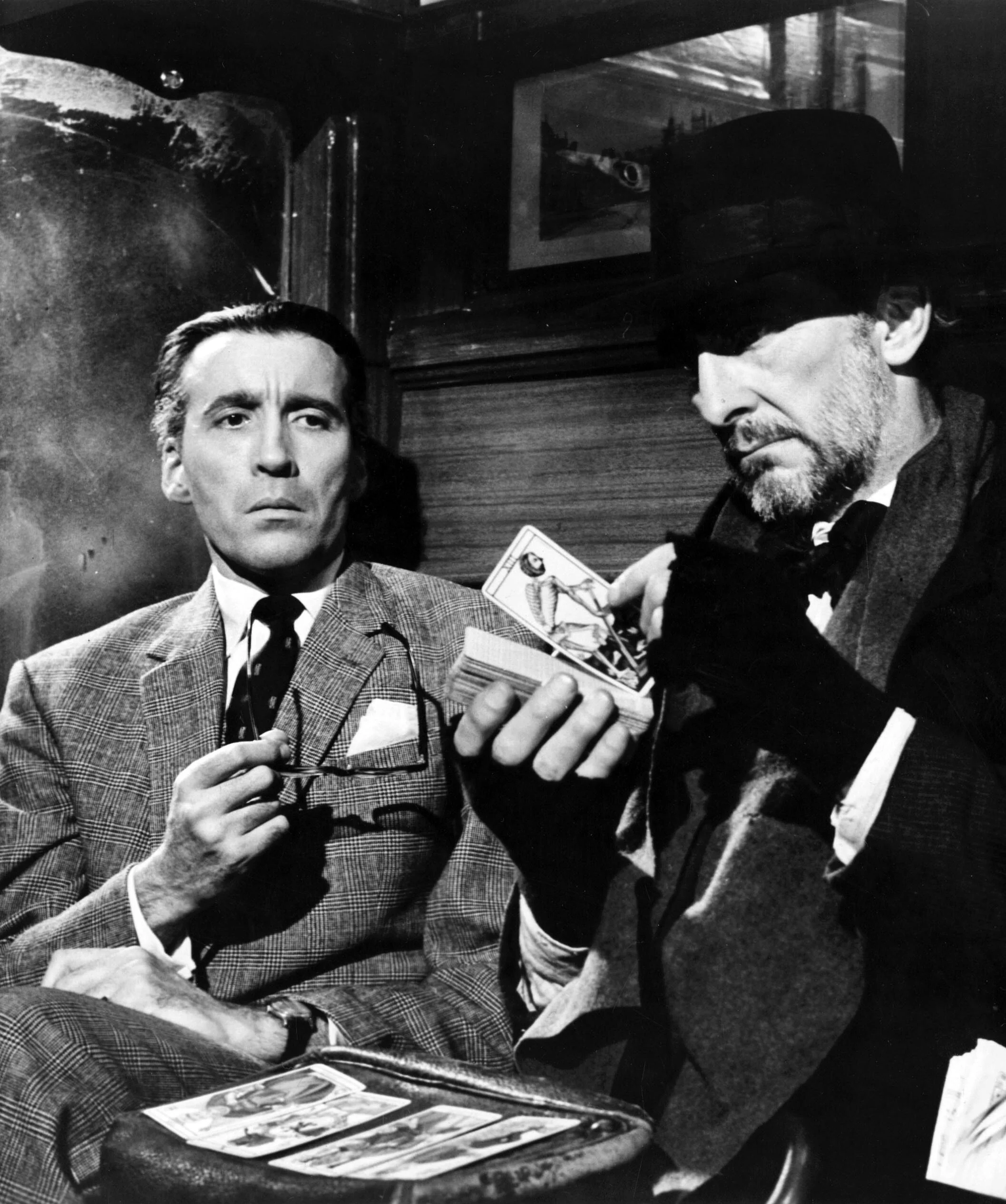
We are back with our fourth installment of Dr. Terror’s House of Horrors (check out our first three posts Werewolf, Creeping Vine, and Voodoo to get caught up). We left off with Dr. Shreck turning his attention to Franklyn Marsh (Christopher Lee), the passenger most skeptical of the doctor’s readings and motives, dismissing him as a mere charlatan and confidence schemer. What will the deck have to tell Mr. Marsh? Let’s pull a card and find out.
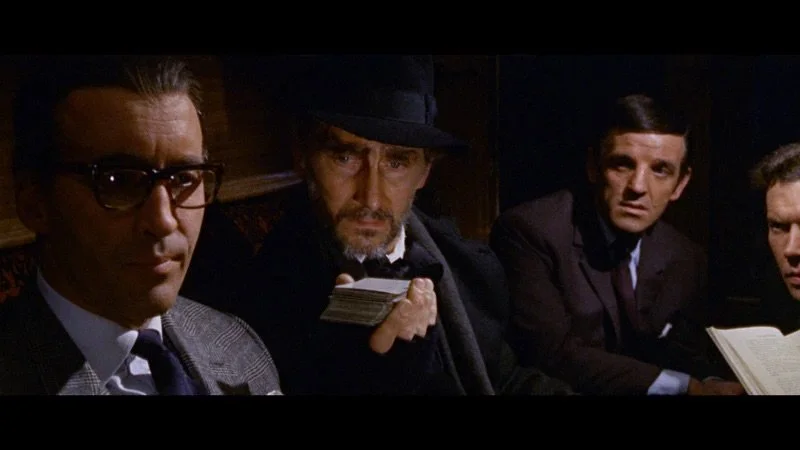
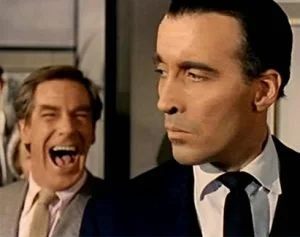
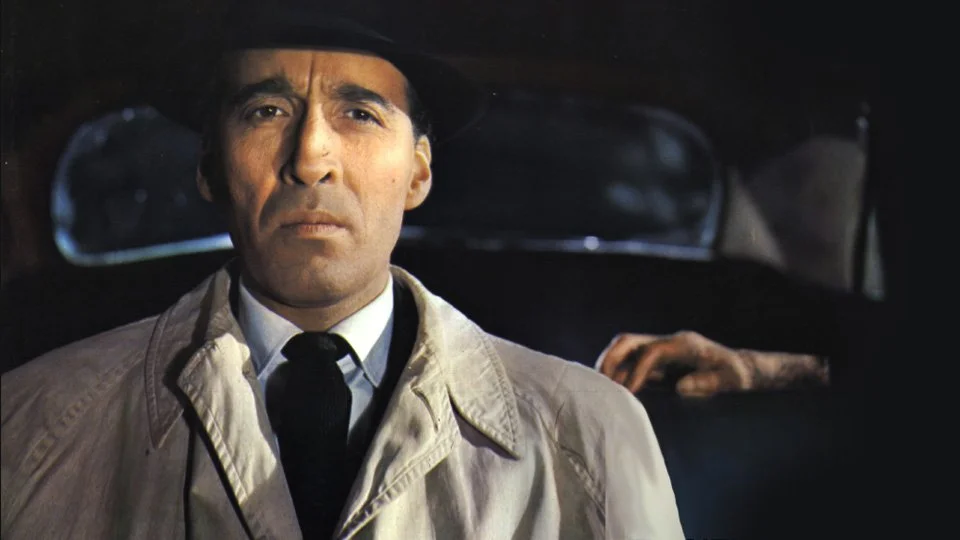
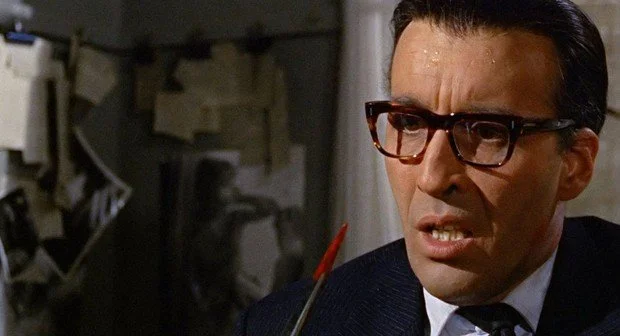
Franklyn Marsh (Christopher Lee) left
Disembodied Hand
Cast:
Christopher Lee – Franklyn Marsh
Michael Gough – Eric Landor
Judy Cornwell – Nurse
Hedger Wallace – Surgeon
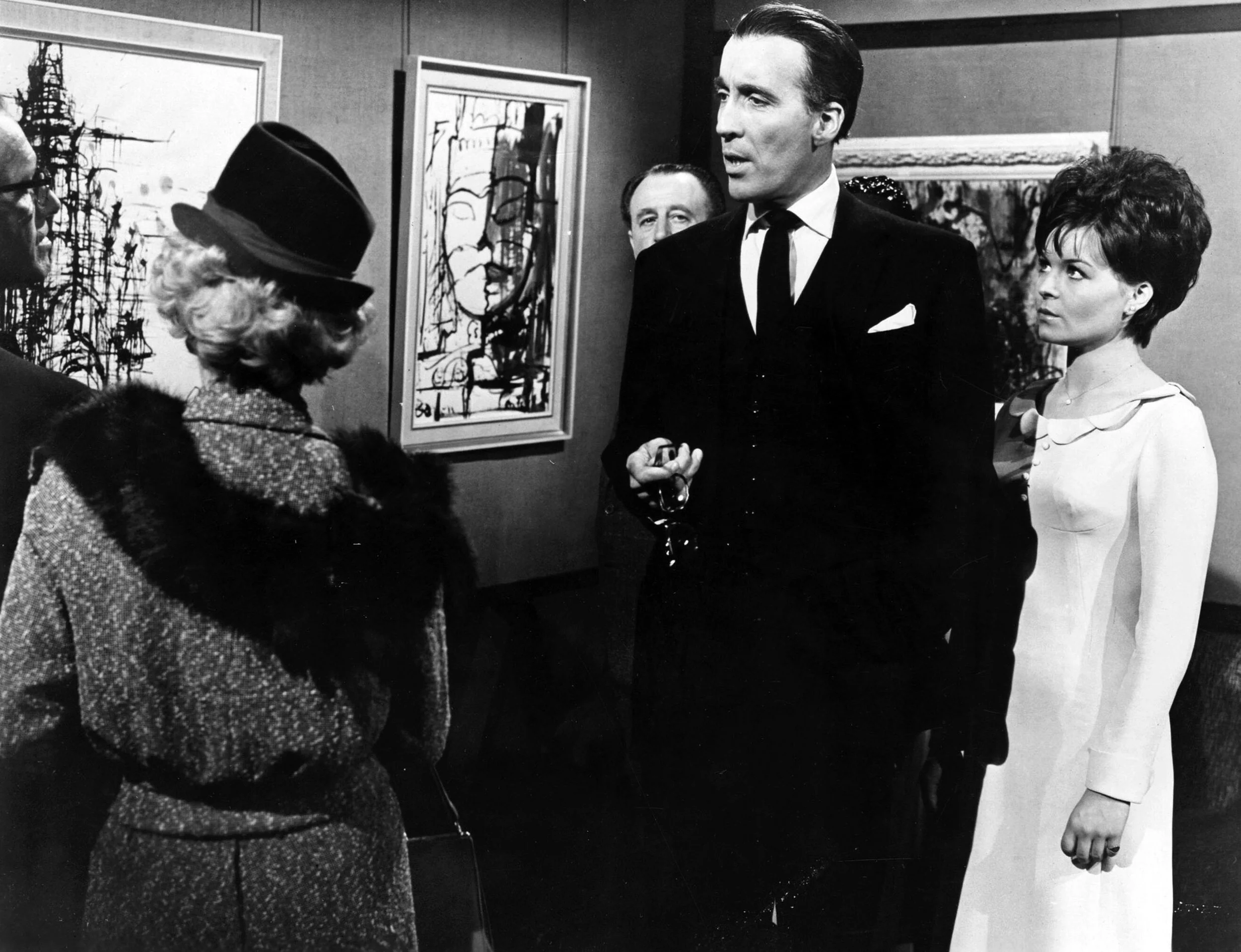
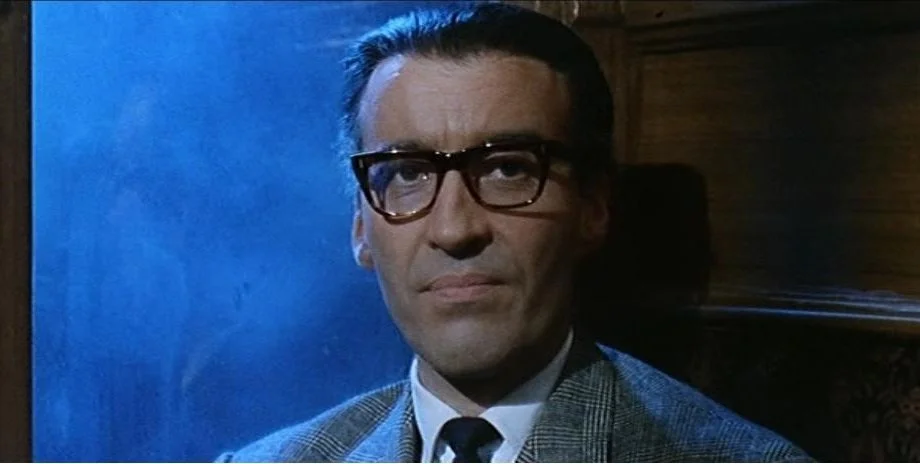
Franklyn Marsh is a renowned if exceedingly arrogant art critic who writes for a U.K. newspaper and relishes the act of pillorying artists he is assigned to cover. He seems to get satisfaction from unleashing especially scathing and condescending criticism at the work of abstract painter Eric Landor (Michael Gough).
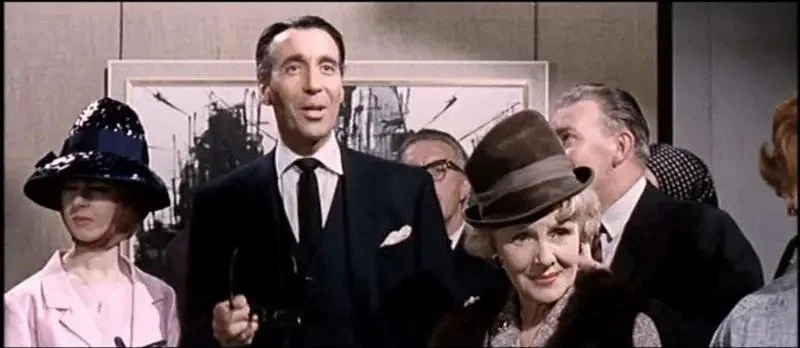
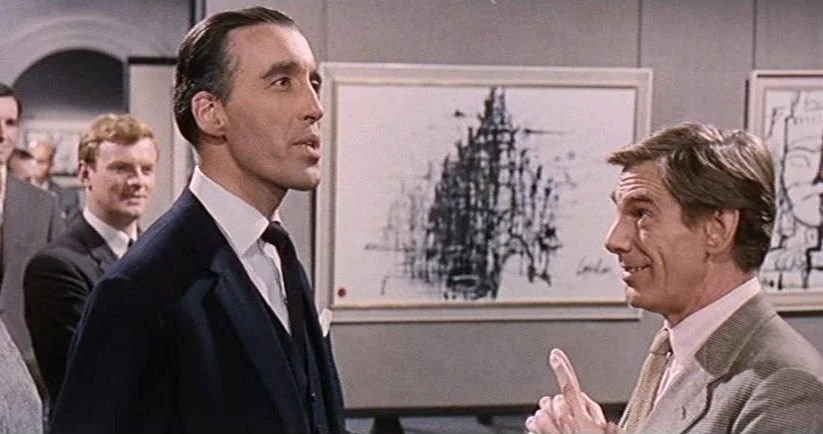
Landor, a talented and accomplished artist, is hosting a small exhibition of his latest work at a local gallery. Marsh, present with a small group of guests and sycophants, works the room delivering one withering remark after another. Landor withstands the barbs, defending his work with an eerie calmness that suggests he has something up his sleeve.
Seemingly out of the blue, Marsh is asked by one of Landor’s colleagues to view a painting by an up-and-coming artist. He agrees, bestowing praise on the work and informing Landor that he could learn a great deal from the unknown painter. Unbeknownst to Marsh, this is a ruse; the artist is invited to join the guests and he is revealed to be a chimp, humiliating Marsh before the crowd. A mortified Marsh storms out of the gallery through the uproarious laughter, with Landor in particular exhibiting near maniacal glee. Not satisfied with taking Marsh down a peg, Landor goes on to stalk the critic at other arts events, clearly throwing the once-officious and supremely confident critic off his axis.
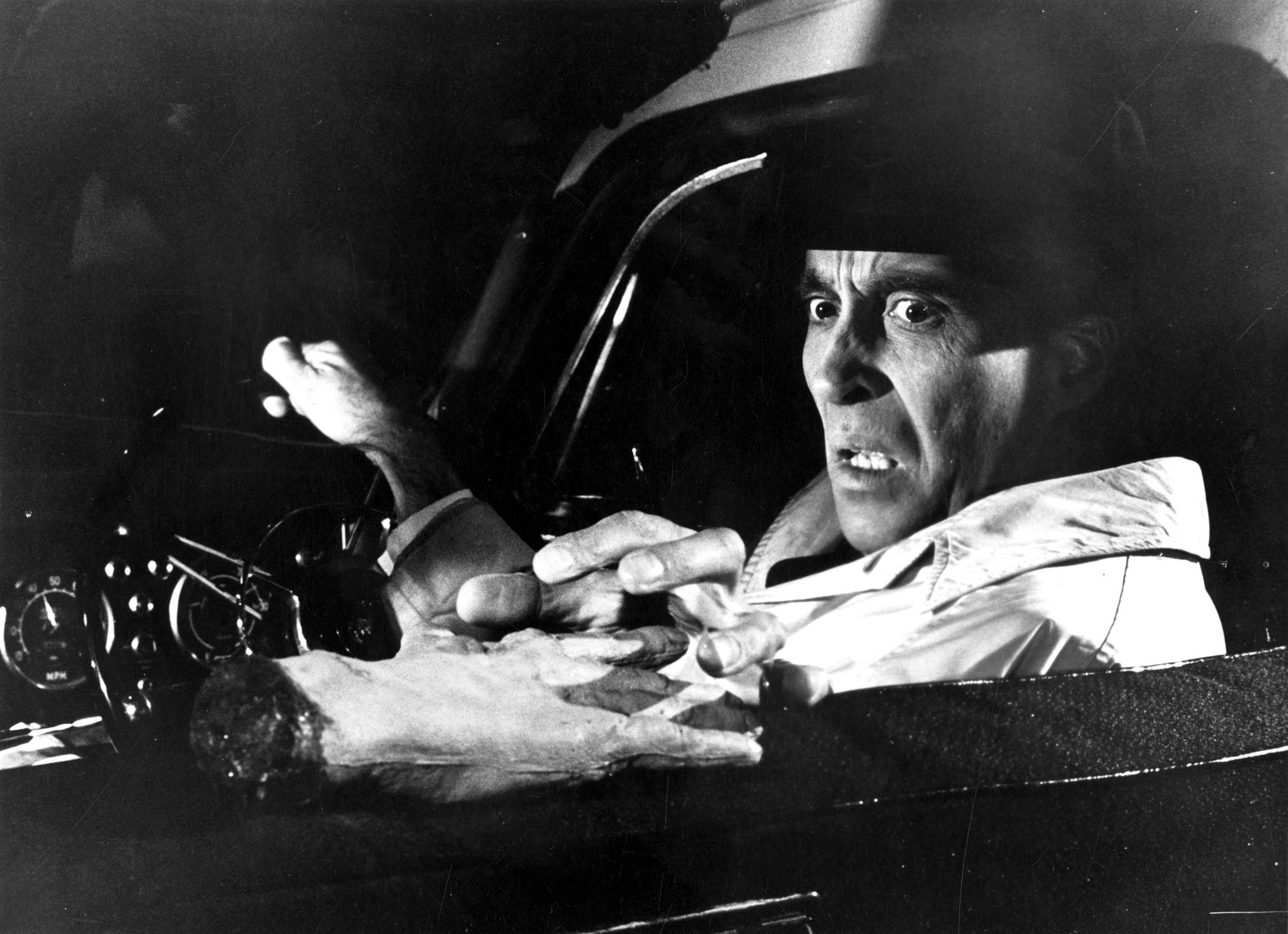
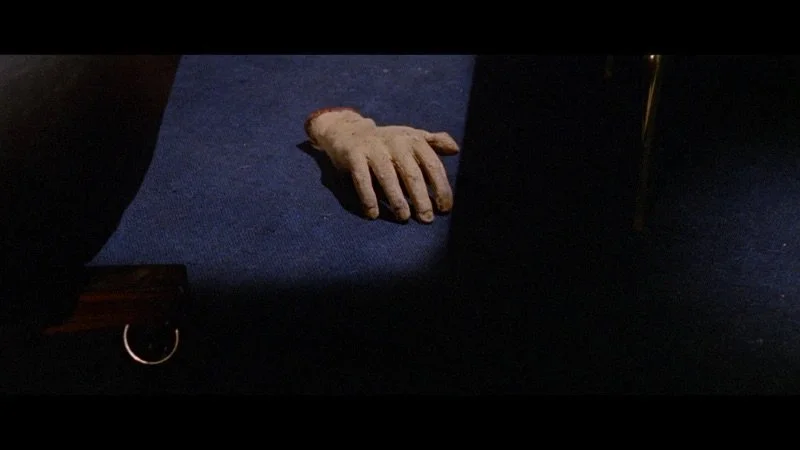
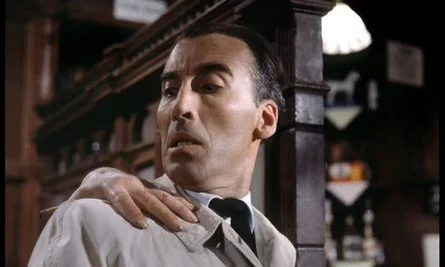
In a fit of seething rage, an embittered Marsh runs Landor down with his car. Landor survives the attack but loses his painting hand, driving the distraught artist to suicide. Of course, the story does not end there. Animated we presume by some kind of supernatural force, the disembodied hand comes back for revenge, stalking Marsh at every turn. No place is safe for the critic: not his car, not his home, not his office. Slowly yet inexorably crawling forward by its fingers, the hand seeks to take down Marsh in an act of pure retribution.
My brief take
“Disembodied Hand” is hands down (I couldn’t resist) my favorite vignette in Dr. Terror’s House of Horrors. It most represents of what many of us love about horror anthologies because it has all the key ingredients: a smug, loathsome villain; touches of dark humor; a dash of the supernatural; and a denouement with a weird and macabre take on poetic justice.
Classic horror legend Sir Christopher Lee plays the supercilious Franklyn Marsh with relish. His haughty to the hilt, nostril-flaring performance is great fun. While he is often the one doing the scaring, he does experience moments of abject fear that I find equally compelling and convincing. We last talked about the late and great actor in our celebration of his birthday, which he happens to share (nearly) with two other titans of terror: Peter Cushing and Vincent Price. Check out our mini tribute to these three horror icons here.
Character actor Michael Gough, who played his share of creeps and madmen back in the 1950s to 1970s, is memorable as the target of Marsh’s pointed critiques. While he is clearly the victim of Marsh’s verbal and physical assaults, there is something in Landor’s character that tempers our sympathies just a tad. Perhaps it’s his devilish smile, but we sense that Landor has a sadistic side to him as well. Gough might be most recognizable for playing Alfred Pennyworth in four live-action Batman films released between 1989 and 1995.
And now we come to the other star of the segment, that persistent and predatory appendage, well-conceived through practical effects of the time. While not designed for pure realism the hand appears fleshy and articulated enough to feel organic and alive. And like the titular “Creeping Vine” in the second vignette, the implausible yet purposeful actions of this “creature” are simultaneously silly and unsettling. Director Freddie Francis employs a few camera tricks that capture the hand coming into frame in ways that are quite clever and playful. If you found the premise of this vignette especially fun, I would recommend the “Frozen Fear” segment of Asylum (1972), a later Amicus anthology—and one of its best in my humble opinion.